What is HVAC System: Unveil the Secrets to Comfort
What is HVAC System?
Have you ever wondered how your house stays warm in winter and cool in summer? This is because of an HVAC system. HVAC stands for Heating, Ventilation, and Air Conditioning. It is a system that helps keep indoor air comfortable. Let's learn more about it!
What Does HVAC Stand For?
HVAC is short for Heating, Ventilation, and Air Conditioning. Each part has a special job. Heating keeps you warm. Ventilation brings in fresh air. Air Conditioning cools you down. Together, they make your home comfortable.
In practice, many homeowners confuse HVAC with a simple air conditioner; the key difference is that HVAC also handles heating and ventilation. how HVAC differs from standard AC
How Does an HVAC System Work?
An HVAC system has many parts. These parts work together to control the temperature and air quality. Here are the main components:
Component Function
Furnace Heats the air in your home.
Air Conditioner Cools the air in your home.
Ventilation Ducts Moves air around the house.
Thermostat Controls the temperature settings.
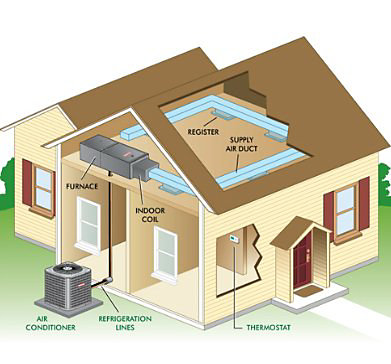
Diagram of a typical home HVAC layout
Credit: www.servicechampions.net
Heating
The heating part of HVAC keeps you warm during cold days. The furnace burns fuel to create heat. This heat is then sent through ducts into your rooms. Some systems use electric heaters instead of furnaces.
Heat pumps are an increasingly popular alternative because they can both heat and cool, often delivering higher efficiency in moderate climates. best residential HVAC systems
https://www.youtube.com/watch?v=ya1BSeBBD4U
Ventilation
Ventilation is very important. It brings fresh air into your home. It also removes stale air. This keeps the air clean and healthy. Ventilation ducts help move the air around. There are two types of ventilation:
Natural Ventilation: Happens when you open windows and doors.
Mechanical Ventilation: Uses fans and ducts to move air.
Mechanical ventilation with heat recovery (HRV/ERV) can cut heating and cooling loads by 10‑20 % while maintaining indoor air quality. seasonal maintenance checklist
Air Conditioning
The air conditioning part cools your home during hot days. An air conditioner removes heat from the air. It then sends cool air into your rooms. Air conditioners also help to remove moisture from the air. This makes your home feel less sticky.
Modern units are rated by SEER2 (2026 standard); a SEER2 of 16 or higher qualifies for the Energy Star label. energy efficient AC settings
Why is HVAC Important?
HVAC systems are very important for several reasons. They keep your home comfortable. They also help improve air quality. Here are some key benefits:
Regulates indoor temperature.
Improves air quality.
Removes moisture and humidity.
Saves energy when properly maintained.
Energy Efficiency
Modern HVAC systems are very energy-efficient. They use less power to heat or cool your home. This helps you save money on energy bills. Always look for an HVAC system with a high Energy Star rating.
As of 2026, the Energy Star program requires a minimum SEER2 of 15 for split‑system air conditioners and an AFUE of 95 % for gas furnaces. Energy Star certification
Maintaining Your HVAC System
Maintaining your HVAC system is very important. It helps the system run smoothly. Here are some maintenance tips:
Change air filters regularly.
Clean the ducts and vents.
Check the thermostat settings.
Schedule annual maintenance checks.
Following a seasonal checklist — spring cooling prep, fall heating tune‑up — can extend equipment life by 5‑10 years. seasonal maintenance checklist
Common Problems and Solutions
Sometimes, your HVAC system might not work properly. Here are some common problems and how to fix them:
Problem Solution
System not heating or cooling Check thermostat settings and power supply.
Strange noises Call a technician to inspect.
Weak airflow Clean or replace air filters.
Water leaks Check drainage pipes and call a technician.
If the system blows warm air when cooling is requested, the refrigerant charge or a stuck reversing valve is often the culprit. troubleshoot warm air from AC
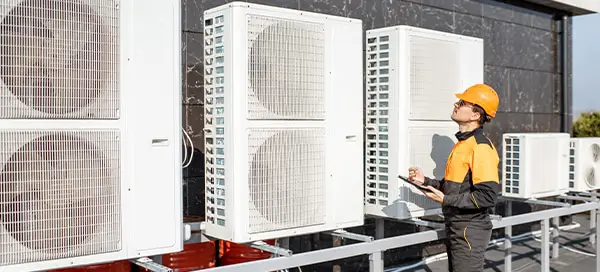
Illustration of major HVAC components
Credit: searose.com.au
Choosing the Right HVAC System
Choosing the right HVAC system is important. Consider the size of your home. Think about your budget. Look for energy-efficient models. Consult a professional for advice.
Types of HVAC Systems
- Split systems – separate indoor and outdoor units; most common for homes with existing ductwork.
- Packaged units – all components in a single outdoor cabinet; ideal for homes without indoor space.
- Ductless mini‑splits – no ductwork required; excellent for additions or zone control.
- Heat pumps – provide both heating and cooling; especially efficient in mild climates.
In practice, a ductless mini‑split can cut installation labor by 30‑40 % compared with a full ducted retrofit. split AC installation steps
Sizing and Load Calculations
Proper sizing uses a Manual J load calculation (square footage, insulation, windows, climate zone). Oversized equipment short‑cycles, reducing efficiency and comfort; undersized equipment runs continuously and may fail early.
Smart Thermostats and Controls
Wi‑enabled thermostats learn schedules, support geofencing, and integrate with utility demand‑response programs. They can shave 8‑12 % off annual heating and cooling costs when programmed correctly.
Indoor Air Quality Enhancements
- MERV 13+ filters capture fine particulates and allergens.
- UV‑C lights in the air handler reduce microbial growth.
- Whole‑house humidifiers/dehumidifiers keep relative humidity in the 30‑50 % comfort window.
ASHRAE Standard 62.1 provides ventilation rate guidelines that many contractors follow for healthy indoor air. ASHRAE standards
Installation Overview and Cost Factors
Typical steps: load calculation → equipment selection → duct design (if needed) → permits → installation → commissioning. Cost drivers include system type, capacity, duct modifications, and regional labor rates. A 3‑ton split system with new ductwork often ranges from $7,000‑$12,000 (2026 US average).
Energy Rebates and Incentives (2026)
Federal tax credit (25 % up to $2,000) for qualified heat pumps; many states and utilities add rebates for SEER2 ≥ 16 equipment. Check the Database of State Incentives for Renewables & Efficiency (DSIRE) for local programs.
Frequently Asked Questions
What Is An Hvac System?
HVAC stands for Heating, Ventilation, and Air Conditioning. It regulates indoor temperature, humidity, and air quality.
How Does An Hvac System Work?
An HVAC system uses various components to heat, cool, and ventilate a space, ensuring comfort and air quality.
What Are The Main Components Of Hvac?
Key components include the furnace, air conditioner, heat pump, ductwork, and thermostat.
Why Is Hvac Maintenance Important?
Regular maintenance ensures efficiency, extends lifespan, and prevents costly repairs.
What Is The Difference Between A Heat Pump And A Furnace?
A heat pump moves heat rather than generating it, providing both heating and cooling, while a furnace burns fuel to create heat only.
How Often Should I Replace My Air Filter?
Most homes benefit from a filter change every 1‑3 months; homes with pets or allergies may need monthly changes.
Can I Install A Ductless Mini‑Split Myself?
While the indoor unit mounting is DIY‑friendly, refrigerant line charging requires EPA‑certified technicians.
Conclusion
HVAC systems are essential for a comfortable home. They provide heating, ventilation, and air conditioning. Proper maintenance is key to keeping them running well. Choose an energy-efficient system to save money and energy.
Understanding your HVAC system can help you make better choices. Keep your home comfortable and healthy with a well-maintained HVAC system.
Ready to upgrade? Explore our guide on choosing the right air conditioner for your home. choose right air conditioner