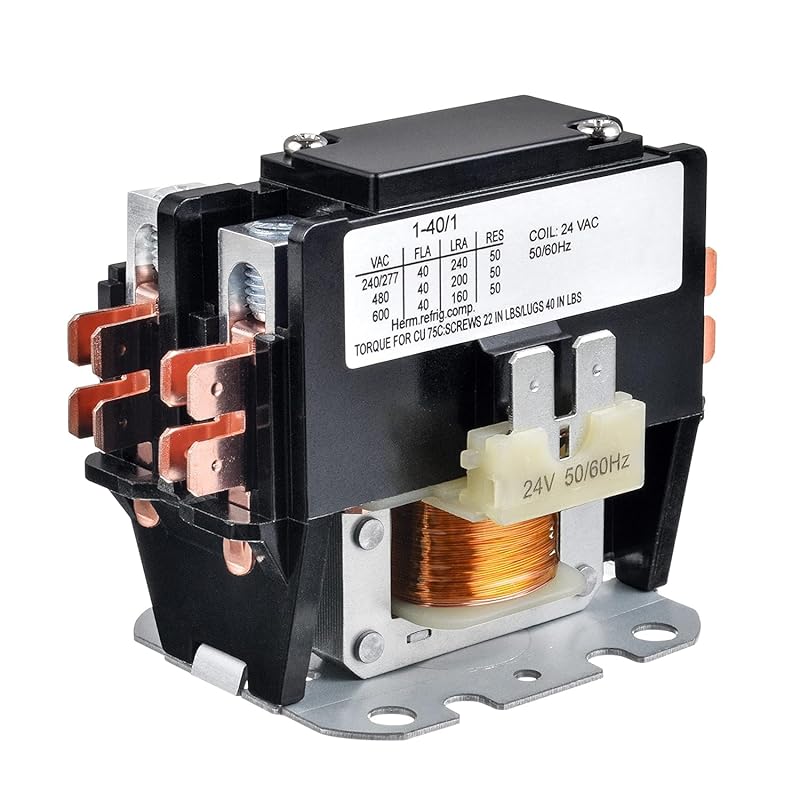
Carrier, a leader in HVAC innovation for over a century, is making a bold move to reshape the air conditioning industry. From embracing smart technology to prioritizing sustainability, Carrier is redefining how we cool our homes and businesses. This transformation isn’t just about new products—it’s about responding to changing consumer needs, climate concerns, and technological advances.
Key Takeaways
- Smart Integration: Carrier is heavily investing in smart thermostats and AI-driven controls that learn user preferences and optimize performance automatically.
- Sustainability Focus: The company is transitioning to low-GWP (global warming potential) refrigerants and improving energy efficiency across its product lines.
- Expansion into Residential & Commercial Markets: Carrier is broadening its reach by offering tailored solutions for both homeowners and large commercial buildings.
- Digital Transformation: Carrier uses data analytics and IoT connectivity to improve maintenance, reduce downtime, and enhance customer experience.
- Strategic Acquisitions: Recent mergers and partnerships are accelerating Carrier’s innovation pipeline and market presence globally.
- Focus on Resilience: With extreme weather becoming more frequent, Carrier is designing systems that perform better under stress and support grid stability.
- Customer-Centric Design: New models prioritize quiet operation, ease of use, and seamless integration with existing smart home ecosystems.
📑 Table of Contents
- What Is Behind the Carrier Air Conditioner Move?
- The Rise of Smart Air Conditioning
- Sustainability: The Green Engine Behind the Innovation
- Digital Transformation and Predictive Maintenance
- Expanding Into New Markets and Applications
- Consumer Demand and Market Trends
- Global Expansion and Strategic Partnerships
- The Future of Cooling: What’s Next?
- Conclusion: Why Carrier’s Move Matters
What Is Behind the Carrier Air Conditioner Move?
If you’ve noticed Carrier—a name synonymous with air conditioning since 1902—making headlines lately, it’s not just because of new product launches. There’s something bigger going on behind the scenes: a comprehensive transformation driven by technology, climate change, and shifting consumer expectations. Carrier is no longer just selling units; it’s building intelligent, sustainable, and responsive cooling systems for the modern world.
This isn’t a minor upgrade—it’s a strategic pivot. From integrating artificial intelligence into thermostats to adopting eco-friendly refrigerants, Carrier is leading a quiet revolution in how air conditioners function and connect with users. Whether you’re a homeowner looking to save on energy bills or a business owner aiming to reduce your carbon footprint, understanding this move helps you see why Carrier remains at the forefront of climate control innovation.
The Rise of Smart Air Conditioning
One of the most visible changes in Carrier’s recent strategy is its push toward smart air conditioning. Gone are the days when air conditioners were standalone machines with little interaction beyond turning them on and off. Today’s Carrier units often come equipped with Wi-Fi connectivity, voice control compatibility, and mobile app interfaces that let you adjust settings from anywhere.
How Smart Thermostats Are Changing Everything
At the heart of this shift is Carrier’s partnership with Nest and development of its own line of smart thermostats, such as the Carrier Cor thermostat. These devices learn your schedule, detect occupancy, and adjust temperatures automatically. For example, if you typically leave work at 5 p.m., the system starts cooling your home just before you return—without wasting energy while you’re away.
But it doesn’t stop there. Advanced algorithms analyze usage patterns and even suggest improvements. Say you consistently set the temperature too low—the app might recommend raising it slightly to save up to 15% on cooling costs annually. This level of personalization wasn’t possible a decade ago.
Integration with Smart Home Ecosystems
Carrier units now seamlessly integrate with platforms like Amazon Alexa, Google Assistant, and Apple HomeKit. Imagine saying, “Good morning,” and having your Carrier AC turn off, blinds open, and lights dim—all part of a pre-set routine. This kind of automation enhances comfort while reducing manual effort.
For renters or people living in apartments, this flexibility is especially valuable. You can control your unit remotely without needing landlord approval or complex installations. And because Carrier uses standard communication protocols, compatibility issues are minimal.
Sustainability: The Green Engine Behind the Innovation
Another major driver of Carrier’s current move is sustainability. As global temperatures rise and environmental regulations tighten, companies must adapt—or risk obsolescence. Carrier has made bold commitments to reduce emissions and phase out high-impact refrigerants.
Refrigerant Transition: A Game-Changer
Historically, air conditioners used R-410A, a hydrofluorocarbon (HFC) with a high global warming potential. In response to international agreements like the Kigali Amendment, Carrier is rapidly shifting to alternatives such as R-32 and R-290 (propane), which have significantly lower environmental impact. Some newer models already meet strict EU F-gas regulations ahead of U.S. mandates.
For instance, Carrier’s Fit Series residential units use R-32, reducing refrigerant charge by up to 70% compared to older models. Not only does this cut down on greenhouse gas emissions, but it also improves safety and efficiency.
Energy Efficiency Beyond Compliance
Carrier isn’t just meeting minimum standards—it’s exceeding them. Many of its latest systems boast Seasonal Energy Efficiency Ratios (SEER) above 20, far surpassing the federal minimum of 13. This means homeowners can expect lower utility bills and reduced strain on the power grid during peak summer months.
Take the Carrier Infinity 24VNA9 central air conditioner: with a SEER of 26 and an Energy Star rating, it’s among the most efficient units on the market. It also features variable-speed compressors that adjust output based on real-time demand, avoiding wasteful cycling.
Digital Transformation and Predictive Maintenance
Carrier is leveraging digital tools to stay ahead of mechanical failures and service disruptions. Through its Connected Solutions platform, technicians can monitor equipment performance remotely using sensors and cloud-based analytics.
Real-Time Monitoring and Alerts
Imagine receiving a notification on your phone: “Your outdoor unit filter may be clogged—efficiency dropped by 18%.” That’s predictive maintenance in action. By tracking metrics like airflow, compressor runtime, and refrigerant levels, Carrier can alert users before problems escalate.
This proactive approach reduces emergency repairs and extends equipment life. In commercial settings, where downtime equals lost revenue, this capability is invaluable. Hospitals, data centers, and retail chains rely on uninterrupted cooling—and Carrier’s digital tools help ensure it.
Remote Diagnostics for Technicians
When service is needed, Carrier techs often resolve issues without visiting the site. Using diagnostic software, they can reset systems, update firmware, or guide homeowners through simple troubleshooting steps over video calls. This cuts service costs and improves first-time fix rates.
In rural areas or regions with limited access to HVAC specialists, this digital-first strategy ensures faster support and fewer delays.
Expanding Into New Markets and Applications
Traditionally focused on residential and light commercial spaces, Carrier is now targeting larger-scale applications—including healthcare, education, and industrial facilities. This expansion reflects broader trends: urbanization, population growth, and increased demand for indoor air quality.
Healthcare Facilities Need Reliable Cooling
In hospitals, even brief AC failure can compromise patient safety. Carrier offers precision cooling solutions designed for operating rooms and labs, featuring redundant compressors and backup power options. These systems maintain exact temperatures and humidity levels required for sensitive medical procedures.
For example, the Carrier 40XA chiller powers entire wings of modern hospitals with modular redundancy and advanced filtration. It’s built to run continuously—even during grid outages—thanks to integrated battery backups.
Schools and Universities Embrace Modern HVAC
Educational institutions are investing in energy-efficient systems to cut costs and teach sustainability. Carrier’s School Comfort Program provides schools with rebates, training, and smart controls that adapt to class schedules and occupancy.
A middle school in Texas installed Carrier units with occupancy sensors in classrooms. When no one was present, the temperature rose slightly—saving $3,000 annually on electricity alone.
Consumer Demand and Market Trends
Behind every corporate decision is a customer. Today’s consumers care about convenience, cost, and planet impact. They want appliances that work smarter, not harder—and Carrier is listening.
Quiet Operation Matters More Than Ever
New Carrier models operate at noise levels as low as 55 decibels (comparable to a soft whisper), thanks to sound-dampening materials and optimized fan designs. Homeowners don’t want their AC humming louder than the refrigerator.
Easy Installation and Compatibility
Many new units are designed for retrofit installations, meaning they fit into existing ductwork without costly modifications. Carrier also provides detailed online guides and AR-assisted setup videos to help DIYers install systems correctly.
Affordability Without Sacrificing Quality
While premium features add value, Carrier hasn’t abandoned budget-conscious buyers. Its Fit Series offers smart capabilities at mid-range prices, proving innovation doesn’t have to mean luxury.
Global Expansion and Strategic Partnerships
Carrier operates in over 180 countries, and its recent moves reflect a global mindset. In India, China, and Southeast Asia, rapid urbanization is fueling massive infrastructure projects—and Carrier is positioned to supply cutting-edge cooling solutions.
The company has formed alliances with construction firms, energy providers, and governments to embed its technology in smart cities and green buildings. These collaborations ensure long-term adoption and scalability.
Additionally, acquisitions like ClimateMaster (a geothermal leader) and Payette (an architectural design firm) have strengthened Carrier’s ability to deliver integrated building systems—not just individual units.
The Future of Cooling: What’s Next?
Carrier’s journey doesn’t end here. Upcoming developments include:
- AI-Powered Climate Zones: Systems that create personalized microclimates within a single home.
- Renewable Integration: Solar-ready units that pair with rooftop panels for zero-emission cooling.
- Water-Saving Technologies: Evaporative coolers that use less water than traditional HVAC.
- Blockchain for Energy Trading: Letting households sell excess cooling capacity back to the grid.
These innovations signal a future where air conditioning isn’t just reactive—it’s anticipatory, sustainable, and deeply connected.
Conclusion: Why Carrier’s Move Matters
Carrier’s transformation isn’t just about staying relevant—it’s about shaping the future of climate control. By combining smart technology, environmental responsibility, and customer-focused design, Carrier is setting new benchmarks for what an air conditioner can do.
Whether you’re upgrading your home or managing a commercial property, choosing a Carrier system means investing in reliability, savings, and sustainability. And as extreme heat becomes the norm rather than the exception, having a system that adapts intelligently will be more important than ever.
The move behind Carrier’s air conditioner evolution is clear: innovation for a hotter, smarter, greener world.
Frequently Asked Questions
Why is Carrier making changes to their air conditioning systems?
Carrier is evolving its products to meet growing demands for energy efficiency, smart home integration, and environmental sustainability. These changes respond to stricter regulations, rising temperatures, and consumer preferences for intelligent, eco-friendly appliances.
Are Carrier’s new AC units really more energy-efficient?
Yes. Many of Carrier’s latest models exceed Energy Star requirements, with SEER ratings above 20. Features like variable-speed motors and smart thermostats further optimize energy use, potentially reducing cooling costs by 20–30%.
Can I control my Carrier AC with my smartphone?
Absolutely. Carrier offers Wi-Fi-enabled models compatible with popular apps and voice assistants. You can adjust settings, receive alerts, and monitor performance remotely from anywhere.
Is it safe to switch to low-GWP refrigerants?
Yes. Low-GWP refrigerants like R-32 are non-toxic, flammable only under extreme conditions, and widely used across the industry. Carrier ensures all installations meet safety standards and provide proper handling guidelines.
Do Carrier’s smart features require professional installation?
Most smart Carrier units can be installed by licensed HVAC contractors or experienced DIYers. The system includes detailed instructions and online support to guide setup and connectivity.
Will these new systems work during power outages?
Some Carrier models offer extended runtime with backup power options, especially in commercial settings. Always check specifications for your specific model to understand outage resilience capabilities.