Title: What is an HVAC System: Your Ultimate Guide to Comfort
What is an HVAC System?
HVAC stands for Heating, Ventilation, and Air Conditioning. An HVAC system keeps indoor spaces comfortable. It ensures the air is clean and at the right temperature.
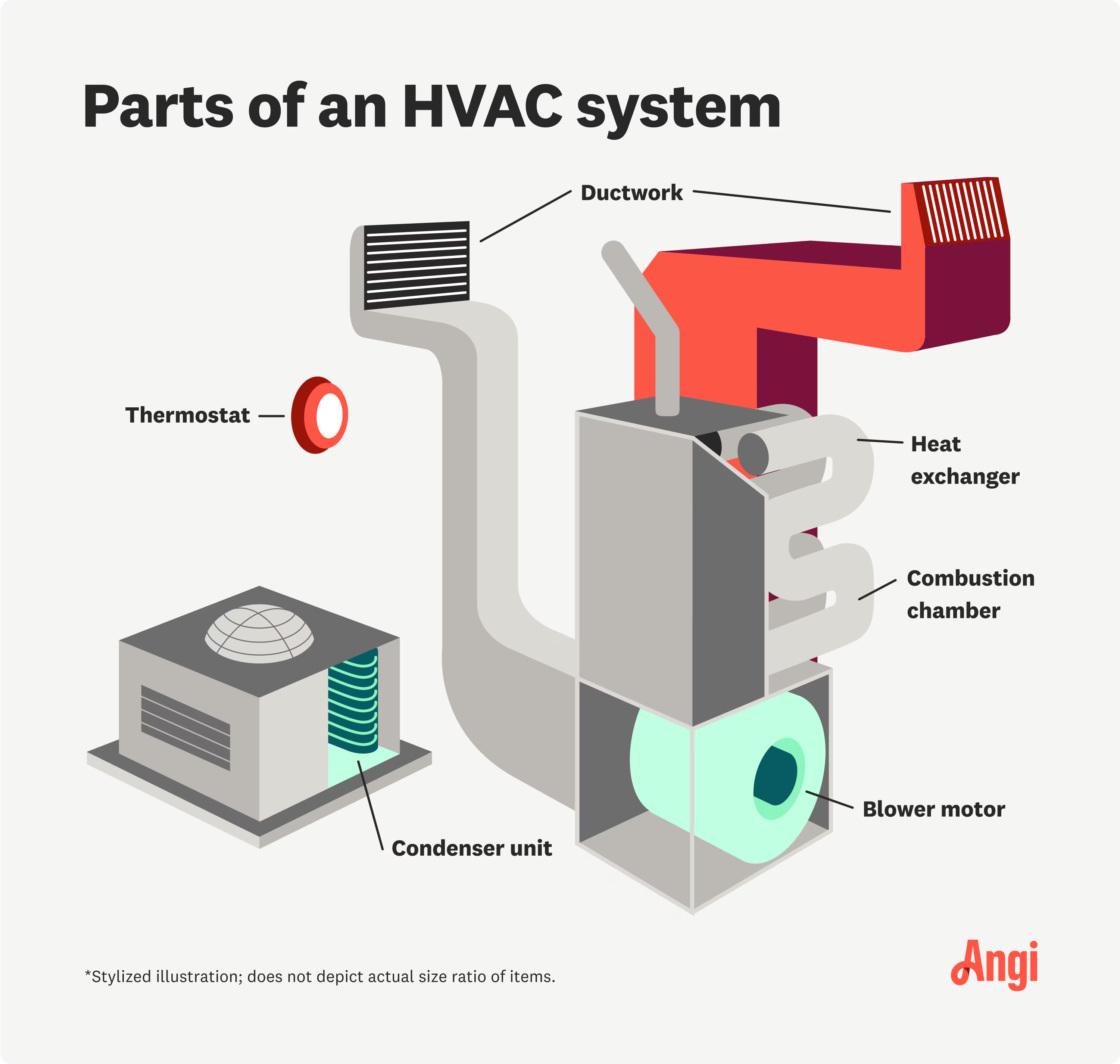
Diagram of HVAC system components
Credit: www.angi.com
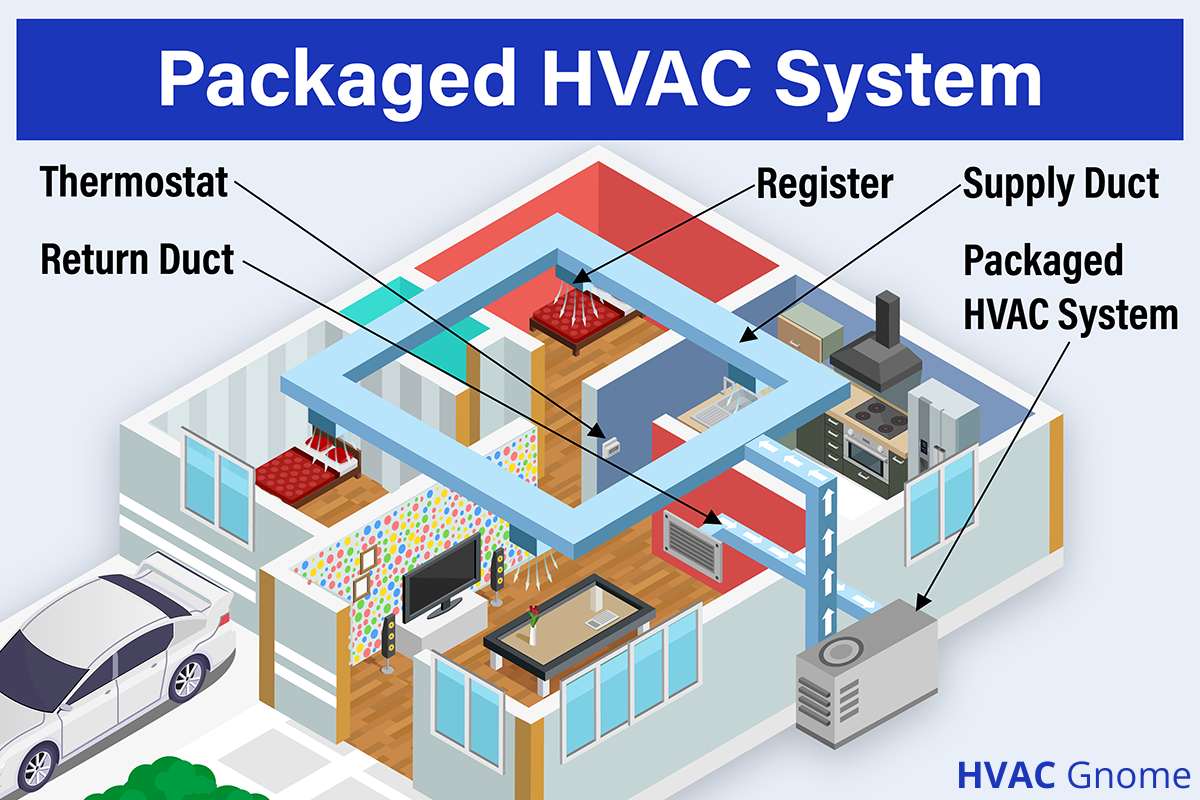
Packaged rooftop HVAC unit
Credit: hvacgnome.com
Components of an HVAC System
An HVAC system has three main parts: heating, ventilation, and air conditioning. Let's look at each part.
Heating
The heating part warms up the air. It makes sure homes stay warm in cold weather. There are different types of heaters:
Furnaces
Heat pumps
Boilers
Furnaces burn fuel to create heat. Heat pumps transfer heat from one place to another. Boilers use water to spread heat.
Ventilation
Ventilation is about moving air around. It removes stale air and brings in fresh air. This keeps the air clean and healthy. There are two types of ventilation:
Natural ventilation
Mechanical ventilation
Natural ventilation uses windows and vents. Mechanical ventilation uses fans and ducts. For detailed design guidance, see the ASHRAE standards for ventilation.
Air Conditioning
The air conditioning part cools the air. It makes sure homes stay cool in hot weather. There are different types of air conditioners:
Central air conditioners
Window air conditioners
Portable air conditioners
Central air conditioners cool the whole house. Window air conditioners cool one room. Portable air conditioners can be moved around.
Common HVAC System Types
Beyond the basic split configuration, residential and light‑commercial projects often use one of four system architectures. Understanding the trade‑offs helps you match equipment to the building layout and budget.
Split Systems
A conventional split system places the condenser outdoors and the air handler or furnace indoors. It works well for homes with existing ductwork and offers a wide range of efficiency ratings.
Packaged Systems
All major components — compressor, condenser, evaporator, and sometimes a furnace — are housed in a single outdoor cabinet. Packaged units are common in homes without interior mechanical rooms or in rooftop installations.
Ductless Mini‑Splits
Mini‑splits use an outdoor compressor linked to one or more indoor wall‑mounted heads via refrigerant lines. They excel in retrofit situations where adding ducts is impractical and provide zone‑level control.
Hybrid (Dual‑Fuel) Systems
A hybrid pairs an electric heat pump with a gas furnace. The heat pump handles mild‑weather heating efficiently, while the furnace takes over during extreme cold. This combination often yields the lowest annual operating cost in mixed climates.
Quick comparison
| System Type | Typical Install Location | Ductwork Required | Zone Control | Best For |
|---|---|---|---|---|
| Split | Indoor + outdoor | Yes | Limited (with dampers) | Standard homes with ducts |
| Packaged | Rooftop or slab | Yes | Limited | Small lots, no indoor space |
| Ductless Mini‑Split | Outdoor + multiple indoor heads | No | Excellent (per head) | Add‑ons, historic homes |
| Hybrid | Indoor + outdoor | Yes | Good (with smart thermostat) | Regions with wide temperature swings |
When comparing HVAC to a standalone air conditioner, you’ll see differences in design and installation. The way HVAC air conditioning differs from standard cooling is explained in detail elsewhere. For a curated list of top residential HVAC picks, see top residential HVAC picks.
How Does an HVAC System Work?
An HVAC system works by moving air. It takes in air, heats or cools it, and then sends it back out. This process keeps the air at a comfortable temperature.
Component Function
Heating Warms the air
Ventilation Moves and cleans the air
Air Conditioning Cools the air
Key Performance Metrics
Efficiency ratings let you compare equipment apples‑to‑apples. The most common metrics in 2026 are:
- SEER2 (Seasonal Energy Efficiency Ratio) – cooling efficiency for air conditioners and heat pumps; higher is better.
- EER2 (Energy Efficiency Ratio) – steady‑state cooling efficiency at 95 °F outdoor; useful for hot‑climate sizing.
- AFUE (Annual Fuel Utilization Efficiency) – furnace or boiler heating efficiency; expressed as a percentage.
- HSPF2 (Heating Seasonal Performance Factor) – heat‑pump heating efficiency over the season.
Modern minimum standards (U.S. DOE 2023) require SEER2 ≥ 14.3 for split systems in the North and SEER2 ≥ 15.3 in the South. Choosing equipment that exceeds the minimum by 2–3 points typically pays back in 5–7 years through lower utility bills.
Why is an HVAC System Important?
An HVAC system is important for many reasons. It keeps us comfortable, no matter the weather. It also keeps the air clean. This helps us stay healthy.
Comfort
An HVAC system keeps the temperature just right. It makes sure we are warm in winter and cool in summer. This is important for our comfort and well-being.
Air Quality
An HVAC system cleans the air. It removes dust, pollen, and other things that can make us sick. This is important for people with allergies or asthma.
Energy Efficiency & Cost Savings
Reducing energy use starts with the right equipment settings and regular upkeep. Simple actions — setting the thermostat a degree higher in summer, sealing duct leaks, and scheduling seasonal tune‑ups — can cut cooling costs by 10–15 % in typical homes. For deeper guidance on thermostat programming, review optimal thermostat settings. Selecting ENERGY STAR certified equipment ensures the unit meets strict efficiency thresholds; learn more at ENERGY STAR certified equipment.
Sizing & Load Calculation
Proper sizing prevents short‑cycling, humidity problems, and premature wear. A Manual J load calculation accounts for climate zone, insulation, window orientation, occupancy, and internal gains. Oversizing by even 20 % can increase installation cost and reduce dehumidification performance. For a step‑by‑step approach to choosing the right capacity, see proper sizing method.
Maintaining an HVAC System
Maintaining an HVAC system is very important. It helps the system work well and last longer. Here are some tips for maintaining an HVAC system:
Regular Inspections
Have a professional inspect the system regularly. They can find and fix problems before they get worse.
Change Filters
Change the air filters regularly. This keeps the air clean and the system working well.
Clean The System
Clean the different parts of the system. This includes the ducts, vents, and coils. This helps the system work better and last longer.
https://www.youtube.com/watch?v=ya1BSeBBD4U
In practice, many homeowners wait until a filter is visibly dirty before replacing it, which can noticeably reduce airflow. A common mistake is neglecting the outdoor condenser coil cleaning, which hurts efficiency. Following a seasonal tune‑up checklist helps catch these issues early.
Schedule a professional tune‑up today to keep your system running efficiently.
Common Problems & Quick Troubleshooting
Even well‑maintained systems can develop faults. Below are frequent symptoms and first‑step checks before calling a technician.
- Warm air from vents – verify thermostat mode, check that the outdoor unit is running, and inspect the air filter for blockage. For a deeper dive, see troubleshoot AC blowing warm air.
- Short cycling – ensure the filter is clean, confirm the refrigerant charge is correct, and check for oversized equipment. See AC condenser troubleshooting for condenser‑specific steps.
- Unusual noises – rattling may indicate loose panels; buzzing often points to electrical contacts; hissing can signal a refrigerant leak. Brand‑specific guides such as Delonghi AC troubleshooting, Gree AC troubleshooting, and American Standard AC troubleshooting cover model‑specific codes.
- Water leaks – clear the condensate drain line, verify the drain pan isn’t cracked, and confirm the condensate pump (if present) operates. The split AC outdoor unit installation guide includes proper drain‑line routing.
- Inadequate airflow – inspect ductwork for disconnections, crushed flex duct, or closed dampers. The split AC indoor unit installation guide shows correct duct‑to‑unit connections.
If the issue persists after these checks, a licensed HVAC contractor should perform a full diagnostic.
Frequently Asked Questions
What Is An Hvac System?
An HVAC system is a heating, ventilation, and air conditioning system that regulates indoor temperature and air quality.
How Does An Hvac System Work?
An HVAC system works by heating, cooling, and ventilating indoor spaces through a series of ducts and vents.
What Are The Main Parts Of Hvac?
The main parts of an HVAC system include the furnace, air conditioner, ducts, vents, and thermostat.
How Often Should Hvac Be Serviced?
HVAC systems should be serviced at least once a year to maintain efficiency and functionality.
What Size HVAC System Do I Need?
System size is determined by a Manual J load calculation that factors in square footage, insulation, windows, climate, and occupancy. An oversized unit short‑cycles and fails to dehumidify; an undersized unit runs continuously and cannot meet design conditions. A professional load calculation is the only reliable method.
How Can I Improve Indoor Air Quality Beyond Filters?
Add a whole‑house air purifier (HEPA or UV‑C), maintain indoor humidity between 30‑50 %, use exhaust fans in kitchens and bathrooms, and consider an energy‑recovery ventilator (ERV) to bring in fresh air without losing conditioned energy.
When Should I Consider Replacing My HVAC System?
Typical replacement triggers include: system age > 15 years, repair costs exceeding 50 % of a new unit, rising energy bills despite maintenance, frequent breakdowns, or a shift to a refrigerant that is being phased out (e.g., R‑410A). Modern equipment offers higher SEER2/AFUE ratings and compatibility with smart thermostats.
Conclusion
An HVAC system is very important. It keeps us comfortable and healthy. By understanding how it works, we can take better care of it. This ensures it works well and lasts a long time.
Ready to upgrade? Explore our guide on choosing the right air conditioner for your home.