What Does HVAC Stand For?
Have you ever heard the term HVAC? Do you wonder what it means? Let's find out!
Understanding HVAC
HVAC stands for Heating, Ventilation, and Air Conditioning. These systems help keep our homes comfortable.
Breaking Down Hvac
Let's break down each part of HVAC:
Heating: This part keeps us warm during cold days.
Ventilation: This part brings fresh air inside and removes stale air.
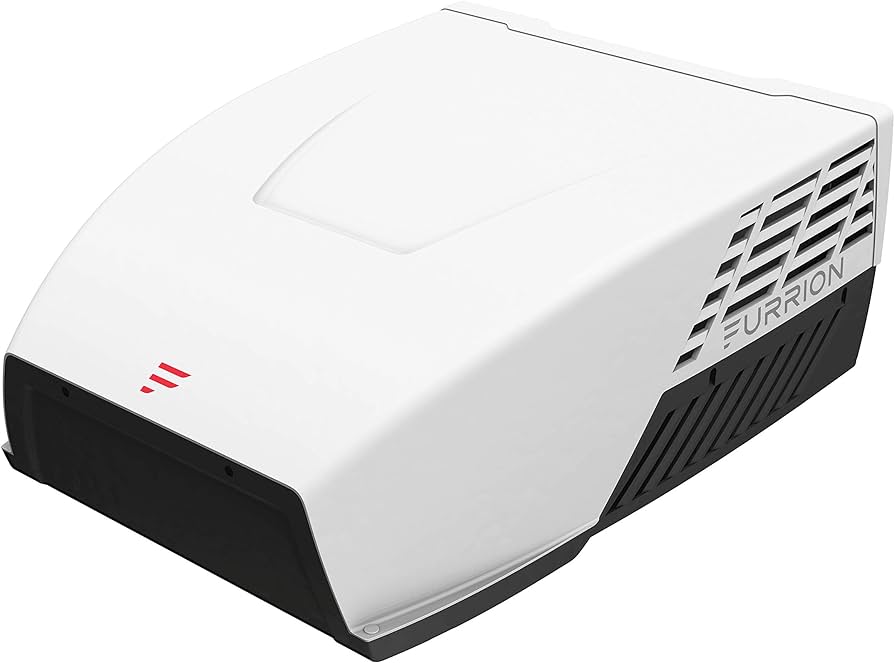
Air Conditioning: This part cools us down on hot days.

Credit: superheatandair.com Diagram of HVAC system components

Credit: searose.com.au Infographic of HVAC airflow
Why is HVAC Important?
HVAC systems are important for many reasons. Here are some key points:
Reason Explanation
Comfort HVAC systems keep indoor temperatures just right.
Air Quality They ensure the air we breathe is clean and fresh.
Energy Efficiency Modern HVAC systems save energy and reduce bills.
In practice, a well‑designed system also controls humidity and filters pollutants, which the EPA highlights as essential for indoor air quality (EPA Indoor Air Quality).
Parts of an HVAC System
An HVAC system has many parts. Here are some main components:
Furnace: Heats the air in the winter.
Air Conditioner: Cools the air in the summer.
Thermostat: Controls the temperature.
Ductwork: Carries air to different rooms.
Ventilation Fans: Help move air in and out.
How Does an HVAC System Work?
Let's understand how these parts work together:
The thermostat senses the indoor temperature.
If it’s too cold, the furnace turns on.
If it’s too hot, the air conditioner turns on.
Fans push the heated or cooled air through the ducts.
The air reaches all rooms through vents.
Ventilation fans keep the air fresh and clean.
Maintaining Your HVAC System
To keep your HVAC system working well, follow these tips:
Change the air filters regularly.
Have a professional check your system once a year.
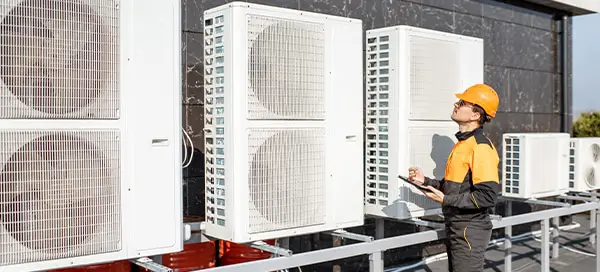
Keep the outdoor unit clean and free of debris.
Check the thermostat settings.
Seal any leaks in the ductwork.
https://www.youtube.com/watch?v=hHnVLPADBlU
Schedule a professional tune‑up using our seasonal maintenance checklist.
Choosing the Right HVAC System
When choosing an HVAC system, consider these factors:
Size: The system should fit your home size.
Efficiency: Look for energy-efficient models.
Cost: Consider both the purchase price and operating costs.
Features: Think about what features are important to you.
Reviews: Read reviews from other users.
Ready to find the perfect system? Explore our guide on selecting the right air conditioner.
Types of HVAC Systems
Beyond the basic split system, homeowners can choose from packaged units, ductless mini‑splits, heat pumps, and geothermal loops. Each type balances installation complexity, upfront cost, and long‑term efficiency differently. For a deeper comparison of the top residential options, see our roundup of top residential options. Understanding the differences between AC and HVAC helps clarify which technology fits your climate zone. You can also read about how HVAC differs from standard AC for more context.
Energy Efficiency Ratings
Modern equipment is rated by SEER2 (cooling), AFUE (heating), and HSPF (heat‑pump heating). ENERGY STAR certification indicates the unit meets strict federal thresholds. The U.S. Department of Energy provides current rating guidelines (DOE Energy Saver). Pairing a high‑SEER2 unit with optimal thermostat settings and a seasonal upkeep checklist maximizes savings.
Common HVAC Problems and Troubleshooting
Typical issues include refrigerant leaks, frozen evaporator coils, thermostat mis‑calibration, and restricted airflow from dirty filters or blocked vents. If the system blows warm air, start with our warm‑air troubleshooting steps. Condenser‑related faults are covered in the condenser troubleshooting guide. Brand‑specific tips are available for Delonghi units, Gree models, and American Standard equipment.
Frequently Asked Questions
What Does Hvac Stand For?
HVAC stands for Heating, Ventilation, and Air Conditioning. It refers to the technology of indoor environmental comfort.
Why Is Hvac Important?
HVAC systems regulate indoor temperature and air quality, ensuring comfort and safety in residential and commercial buildings.
How Does An Hvac System Work?
An HVAC system works by heating, cooling, and ventilating air to maintain desired indoor climate conditions.
What Are The Components Of Hvac?
Key components include the furnace, air conditioner, heat pump, ductwork, and thermostat.
Conclusion
Now you know what HVAC stands for. It's Heating, Ventilation, and Air Conditioning. These systems keep our homes comfortable and air clean. Remember to maintain your HVAC system for best performance. Choose the right system for your home. Stay comfy and breathe easy with a good HVAC system!