Thermal Overload Ac Compressor : Preventative Measures
Thermal Overload AC Compressor
When your air conditioner's compressor faces excessive current, the thermal overload protection comes into play to prevent damage.

Thermal overload protector module on a compressor.
Credit: www.honeywellstore.com
What is the Thermal Overload on an Air Compressor?
The thermal overload, also known as the overload relay or thermal block, safeguards the compressor from damage by monitoring electric motor current and tripping the relay if it gets too high for too long.
In practice, this device uses a bimetallic strip or solid-state sensor that responds to both current magnitude and duration, providing a time-delayed trip to accommodate normal startup surges. Modern units often integrate electronic overloads that communicate with the system controller for diagnostic logging.
Causes of Compressor Overload
Overheating due to continuous operation
Failed components like capacitors or wires
Leaking oil or burn marks indicating a malfunction
Additional root causes include low refrigerant charge causing excessive superheat, voltage imbalance or undervoltage supply, restricted airflow across the condenser coil, and bearing wear increasing mechanical drag. A common mistake is overlooking a dirty condenser coil, which raises head pressure and motor current. For deeper diagnosis, see condenser troubleshooting steps and diagnose warm air issues.
How to Test and Reset Thermal Overload
Testing the overload involves assessing components like windings, capacitors, and amp draw. If tripped, reset the overload to restore normal function.
https://www.youtube.com/watch?v=p2Z63CweNpY
As of 2026, the testing principles shown remain valid for most residential compressors. Use a true-RMS clamp meter for accurate amp draw readings, and verify capacitor microfarad values against the nameplate. Incorporate this check into your seasonal maintenance routine to catch early degradation.
Signs of AC Compressor Overheating
Inefficient cooling
Loss of cooling capacity during peak usage
Possible emergency AC repair needs
Other indicators include unusual mechanical noises (clicking, buzzing), a tripped circuit breaker that resets but trips again, and a hot-to-touch compressor shell. These symptoms often overlap with refrigerant or airflow problems; cross-reference with diagnose warm air issues for related diagnostics.
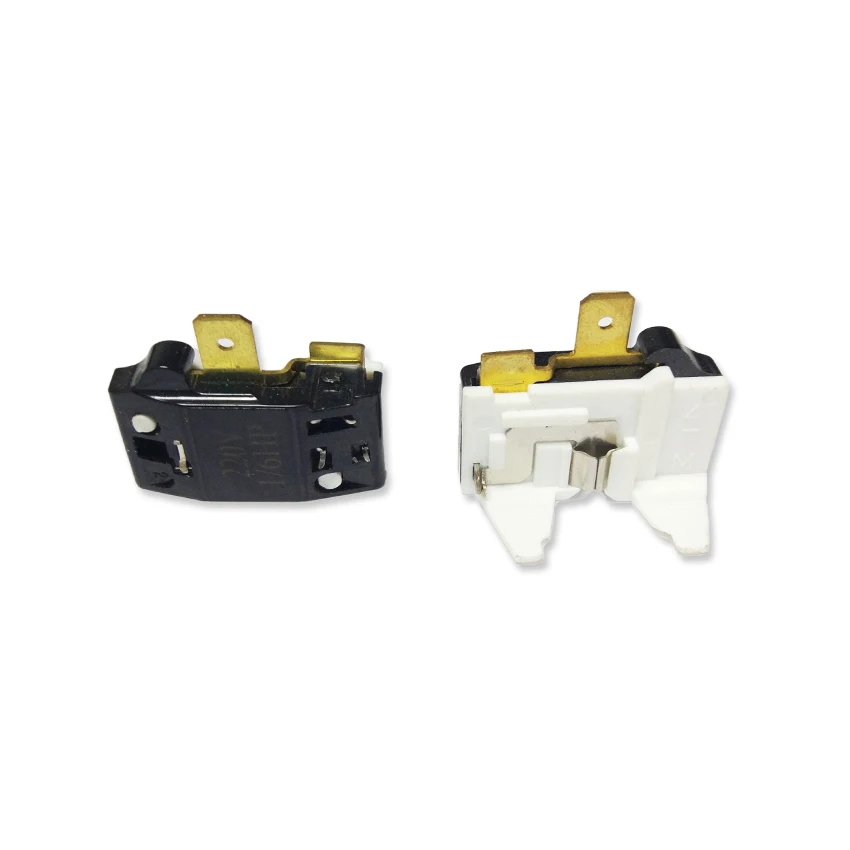
Compressor terminal box showing thermal overload connections.
Credit: www.alibaba.com
Preventing Compressor Overloads
Regular maintenance, timely repairs, and avoiding continuous usage help prevent overheating that leads to compressor shutdowns.
Schedule coil cleaning annually, verify refrigerant charge per manufacturer spec, and confirm voltage at the contactor under load. Replace start/run capacitors proactively every 5–7 years in hot climates. Ensure the outdoor unit has minimum 24″ clearance on all sides for airflow. When installing new equipment, follow proper sizing guidelines and correct installation practices to avoid Day 1 overload risk. For split systems, review the outdoor unit placement guide.
Frequently Asked Questions For Thermal Overload Ac Compressor : Preventative Measures
What Is The Thermal Overload On An Air Compressor?
The thermal overload on an air compressor, also known as the 'thermal block' or 'thermal relay', safeguards the compressor from damage by monitoring the motor's current. If the current exceeds safe levels for an extended period, the overload relay trips, preventing potential harm to the compressor.
How Long Does It Take For Compressor Overload To Reset?
The time it takes for a compressor overload to reset can vary depending on the specific model and brand of the air conditioning unit. Generally, it can take anywhere from a few minutes to several hours for the overload to reset itself.
It is important to note that if the overload continues to trip frequently, it may indicate a more serious underlying issue that requires professional attention. Regular maintenance and inspections can help prevent compressor overload and ensure optimal performance of your air conditioner.
How Do You Reset The Ac Overload?
To reset the AC overload, follow these steps:
Turn off the AC unit and unplug it from the power source. 2. Allow the unit to cool down for at least 15-20 minutes. 3. Locate the overload reset button on the compressor or control panel.
Press and hold the reset button for 3-5 seconds. 5. Plug the AC unit back in and turn it on. Remember, resetting the AC overload should only be done after troubleshooting and addressing any underlying issues. If the overload keeps tripping, it's best to consult a professional HVAC technician for further inspection and repairs.
What Happens When Ac Compressor Overheats?
When the AC compressor overheats, it can damage the system and reduce cooling efficiency, requiring emergency repair. Running the system continuously can lead to overheating and eventual shutdown. Preventive maintenance and addressing underlying issues can help avoid compressor overload.
Conclusion
Understanding and addressing thermal overload issues in your AC compressor is crucial for efficient cooling and preventing costly repairs. Regular inspections and prompt action can extend the life of your system.
For brand-specific guidance, see Mitsubishi troubleshooting, Gree diagnostics, or American Standard service notes. Need help choosing a more reliable replacement? Compare top residential systems with advanced overload protection.