Introduction to HVAC Software
Running an HVAC business is tough. You need to manage many things at once. HVAC software can help you with this. It makes your work easier and more organized. Let's learn more about it!
What is HVAC Software?
HVAC software is a tool for heating, ventilation, and air conditioning services. It helps you manage your tasks. You can track jobs, schedule appointments, and handle billing. This software saves you time and effort. For more on this, see our guide on hvac business software.
Why Use HVAC Software?
There are many reasons to use HVAC software. Here are some benefits:
Better Scheduling: You can plan your day easily.
Efficient Billing: Create invoices quickly.
Customer Management: Keep track of all your clients.
Job Tracking: Know the status of each job.
Inventory Management: Manage your stock effectively.
Top HVAC Software Options
There are many HVAC software options available. Here are the top ones:
Software Features Price
Jobber Scheduling, Invoicing, Client Management $29/month
ServiceTitan Job Tracking, Marketing, Reporting $199/month
Housecall Pro Scheduling, Payment Processing, Client Texting $49/month

Dashboard view of a typical HVAC management platform
Credit: m.youtube.com
How to Choose the Best HVAC Software
Choosing the right HVAC software is important. Here are some tips to help you:
Identify Your Needs: Know what features you need.
Read Reviews: Check what other users say.
Try Free Trials: Many software offers free trials.
Compare Prices: Look at different pricing plans.
Check Support: Make sure you get good customer support.
Features to Look for in HVAC Software
Good HVAC software should have key features. Here are some important ones:
Scheduling: Easily plan and manage your appointments.
Invoicing: Create and send invoices quickly.
Customer Management: Keep all client information organized.
Job Tracking: Monitor the progress of each job.
Inventory Management: Manage your equipment and supplies.
Benefits of Using HVAC Software
Using HVAC software brings many benefits. Here are some of them:
Save Time: Automate tasks and save time.
Improve Efficiency: Manage your business better.
Increase Revenue: Handle more jobs and earn more money.
Better Customer Service: Keep clients happy with timely services.
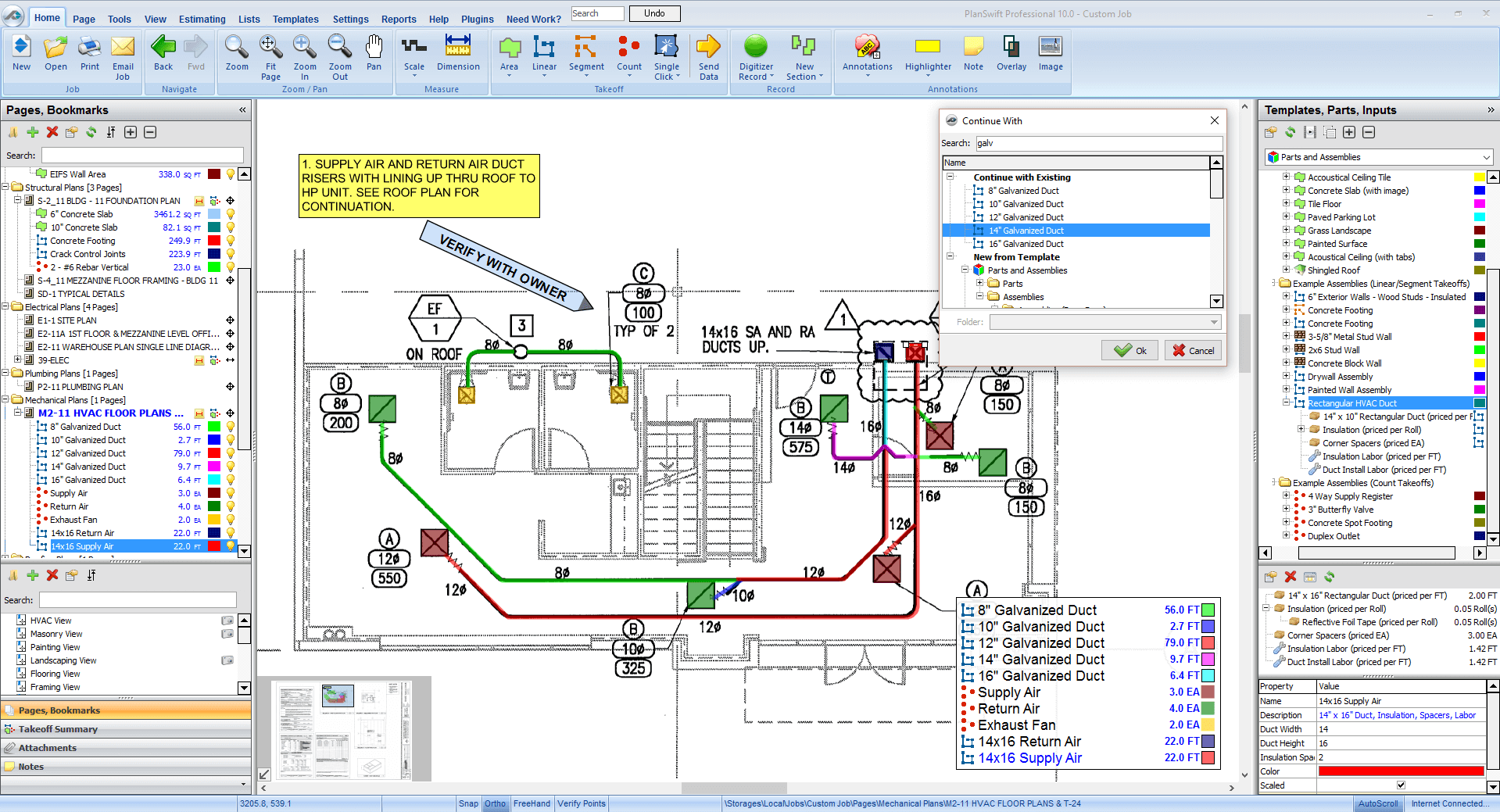
Estimating module displaying material and labor costs
Credit: www.planswift.com
Common Challenges Faced Without HVAC Software
Running an HVAC business without software can be hard. Here are some common challenges:
Poor Scheduling: Hard to keep track of appointments.
Billing Issues: Invoices can be delayed or lost.
Customer Management: Difficult to organize client information.
Job Tracking: Hard to know the status of each job.
Inventory Problems: Managing stock can be a nightmare.
https://www.youtube.com/watch?v=bY911UDxwVU
Integration with Mobile Apps
Many modern HVAC platforms include a companion mobile app that lets technicians view a seasonal maintenance checklist on the go, capture job notes, and update status in real time. This mobility reduces paperwork and keeps the office and field crews in sync. For more on this, see our guide on how does hvac air conditioning differ from standard.
Data Security and Compliance
Protecting customer data and meeting industry regulations should be a priority when evaluating software. Look for solutions that follow ASHRAE standards for data handling and comply with ENERGY STAR HVAC guidelines for energy reporting. Role‑based access controls, encrypted backups, and audit logs are practical safeguards that reputable vendors provide. For more on this, see our guide on hvac scheduling software.
Implementation Tips
A smooth rollout saves time and avoids costly rework. Consider these steps:
- Map your current workflow before configuring the software.
- Run a pilot with one crew for two weeks and gather feedback.
- Train every user on core modules — scheduling, invoicing, and inventory.
- Before rollout, review the choosing the right unit guide to align software features with your equipment.
- Set up automated reminders for preventive maintenance contracts.
Future Trends in HVAC Software
The next wave of HVAC software leans heavily on AI and IoT integration. Emerging cooling technologies like AI‑driven load forecasting are covered in our emerging cooling technologies article, while newest system advances such as predictive maintenance analytics are highlighted in the newest system advances overview. Expect tighter integration with smart thermostats, automated compliance reporting, and augmented‑reality assistance for field technicians. For installers, split system setup steps remain a valuable reference as software begins to guide on‑site commissioning. For more on this, see our guide on hvac dispatch software.
Frequently Asked Questions
What Is Hvac Software?
HVAC software helps manage heating, ventilation, and air conditioning systems efficiently.
Why Use Hvac Software?
It streamlines operations, reduces errors, and improves service quality for HVAC businesses.
How Does Hvac Software Work?
It automates scheduling, invoicing, and maintenance tasks, enhancing productivity.
Can Hvac Software Save Money?
Yes, it reduces operational costs and improves resource management.
What Should I Look for in a Mobile HVAC App?
Real‑time job updates, offline mode, and easy photo capture for documentation are key.
How Important Is Data Encryption for HVAC Platforms?
Critical — encryption protects customer details and meets privacy regulations.
Can HVAC Software Integrate With Accounting Tools?
Most leading packages sync with QuickBooks, Xero, or similar systems for seamless bookkeeping.
Conclusion
HVAC software can transform your business. It helps you manage tasks efficiently. Choose the right software for your needs. Enjoy better scheduling, billing, and customer management. Start using HVAC software today and see the difference! For more on this, see our guide on hvac business insurance.
Explore our guide on seasonal maintenance checklist to keep your system running smoothly.