If you are in Austin, Texas, and looking for Schrader valves for your AC unit, you've come to the right place. Here are some options:
Supplier Price
Grainger Industrial Supply $24.65
Amazon.com $24.99
Grainger Industrial Supply $9.06

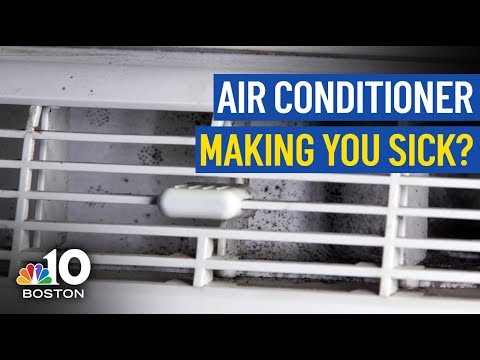
Close-up of a Schrader valve core seated in a service port — the small brass component that controls refrigerant flow during servicing.
Credit: m.youtube.com
How to Test and Fix a Leaking AC Schrader Valve Core
Maintaining your AC Schrader valve is crucial for preventing leaks and ensuring efficient operation. Here's how to keep your Schrader valve in top condition:
Keep It Clean : Regularly clean the Schrader valves, usually located on the back or inside the cover, near the AC lines. Use a towel to wipe away dirt and grime from around the area and on the valve's threads. Keeping them clean helps prevent wear and tear.
Use the Cap : Ensure the Schrader valve comes with a cap that covers the threads. Always keep the cap on and clean it frequently. This simple step can significantly reduce the risk of leaks.
Safety First: Before any work on refrigerant lines, verify the system is powered off at the disconnect and wear safety glasses. Refrigerant under pressure can cause frostbite or eye injury. If you’re not EPA 608 certified, have a licensed technician handle refrigerant recovery and recharge — it’s federal law.
Leaking refrigerant can be a common issue with AC units. If you suspect a leak, follow these steps to test and fix a leaking Schrader valve core:
Watch a Tutorial : Head to YouTube and watch a concise tutorial on Anti DIY HVAC (5:35 minutes) to understand the process visually.
Replace the Valve : For a detailed walkthrough on replacing a leaky Schrader valve, check out the video by AC Service Tech LLC (5:47 minutes).
Learn About Replacement and Testing : Get informed on the fundamentals of Schrader valve replacement and leak testing to handle leaks effectively.
Remember, regular maintenance can prevent costly repairs. While HVAC repairs typically cost around $350 , neglecting these small tasks could lead to more expensive fixes later on.
A valve core removal tool with integrated ball valve engaged on a low-side service port — the knurled handle lets you extract the core without losing the refrigerant charge.
Credit: www.reddit.com
Selecting the Right Core for Your Refrigerant
Not all Schrader cores are interchangeable. R-410A systems require HNBR (hydrogenated nitrile) seals rated for higher pressures and POE oil compatibility, while newer R-32 (A2L) equipment demands cores with updated UL 60335-2-40 markings and spark-free tool protocols. R-22 legacy units often use neoprene or standard nitrile cores that will swell and fail if exposed to POE oils. Always match the core’s refrigerant rating — printed on the core’s side or packaging — to the data plate on the outdoor unit. Using an R-22 core in an R-410A system is a common mistake that causes slow leaks within weeks.
Where to Find Schrader Valves
Various suppliers offer Schrader valves at different prices. Here are a few options:
Amazon.com – Seller: $22.99
ECS Tuning: $7.99
Walmart – USA OKEBA INDUSTRIES INC: $19.98
Note: Prices fluctuate; the figures above reflect typical 2024–2025 retail ranges. Always confirm the part number matches your unit’s service-port specification before ordering.
What is a Schrader Valve for AC?
A Schrader valve is a small, yet essential component used in air conditioning (AC) systems to facilitate the maintenance and servicing of refrigerant lines. It functions similarly to the valves found on bicycle or car tires, allowing for the controlled release, addition, or measurement of refrigerant in a closed system. For more on this, see our guide on portable air conditioner maintenance tips.
Components of a Schrader Valve
Understanding the structure of a Schrader valve can help explain its functionality. The valve consists of two main components:
Outer Cover : This is known as a threaded hollow shell. It serves as the protective casing and allows for easy attachment to various systems.
Poppet Valve : Sitting inside the hollow shell, the poppet valve is responsible for controlling the flow of refrigerant. It ensures that the lines remain sealed when not in use.
By maintaining these parts in good condition, the Schrader valve effectively prevents air from entering the system, ensuring optimal performance of your AC unit.
Key Features of a Schrader Valve in AC Systems:
Design: A Schrader valve consists of a cylindrical metal body with a spring-loaded pin inside.
When the pin is depressed, the valve opens to allow refrigerant to flow in or out.
Location: Found on the service ports of an AC system, typically on the high-pressure and low-pressure refrigerant lines.
Function: Enables technicians to connect gauges or tools for monitoring system pressure.
Allows for adding or removing refrigerant during servicing or repairs.
Sealing Mechanism: When the pin is not depressed, the valve remains sealed, preventing refrigerant leakage.
Importance of the Schrader Valve:
Servicing and Diagnostics: Essential for pressure testing, vacuuming, and recharging the AC system with refrigerant.
Leak Prevention: A properly functioning Schrader valve helps maintain the system's refrigerant levels and efficiency by preventing leaks.
System Protection: Ensures the refrigerant remains sealed within the system, preserving its performance and preventing environmental harm.
Common Issues with Schrader Valves:
Leaks: Over time, wear or damage to the valve can cause refrigerant to escape.
A faulty seal or pin misalignment may lead to leaks.
Dirt and Debris: Contamination can obstruct the valve, affecting its functionality.
Corrosion: Exposure to moisture or contaminants can cause the valve to degrade, compromising its performance.
Maintenance and Replacement:
Inspection: During routine AC maintenance, technicians check Schrader valves for leaks or damage.
Replacement: If a valve is found to be faulty, it can be replaced using specialized tools without evacuating the entire refrigerant system.
Caps: Always ensure that the protective caps are securely in place to prevent dirt and debris from entering the valve.
The Schrader valve is a critical component in AC systems, enabling efficient servicing and maintenance of refrigerant lines. Regular inspection and proper care of the valve ensure optimal system performance and prevent refrigerant loss. For more on this, see our guide on 15 air conditioner maintenance tips.
Tools You’ll Need for Schrader Valve Work
A proper job calls for the right kit. In practice, a technician’s bag includes:
Valve core removal/installation tool (dual-head for high/low side)
Adjustable wrench (6–8 in.) for the valve body
Digital manifold gauge set or analog gauge set with hoses
Electronic leak detector or bubble solution
Torque wrench (inch-pound) to avoid over-tightening
Replacement cores and valve bodies matched to the system’s refrigerant (R-410A, R-32, etc.)
Safety glasses and nitrile gloves
Using improvised tools (pliers, screwdrivers) is a common mistake that damages the soft brass threads and leads to leaks.
Schrader Core Compatibility by Refrigerant
| Refrigerant | Core Seal Material | Max Working Pressure | Typical Core Marking | Torque Spec (in-lb) |
|---|---|---|---|---|
| R-22 (legacy) | Neoprene / Nitrile | 350 psi | “R22” or unmarked | 2–3 |
| R-410A | HNBR (green/black) | 600+ psi | “R410A” / “410A” | 2–3 |
| R-32 (A2L) | HNBR + UL 60335-2-40 | 600+ psi | “R32” / “A2L” / flame icon | 2–3 |
| R-454B (A2L) | HNBR + UL 60335-2-40 | 600+ psi | “R454B” / “A2L” | 2–3 |
Never mix cores across refrigerant types — seal swell or extrusion will cause leaks within days.
Where You’ll Find Schrader Valves in HVAC Systems
Wondering where these little guys hide? Schrader valves are typically tucked away in:
The outdoor unit (near the condenser coil).
The indoor unit (near the evaporator coil).
These service ports make it easy for HVAC pros to connect tools to diagnose and optimize your system.
What Are Some Other Names for a Schrader Valve?
The Schrader valve, a familiar component in many tire systems, is known by several names. Often referred to as American valves , these valves are widely used in automotive and bicycle tires, hence the nickname car valves . For more on this, see our guide on air conditioning unit cleaning tips.
Originating in the late 19th century, they gained popularity due to their robust design and versatility, becoming a standard in various industries. The term "American valve" emphasizes its widespread adoption in the United States, distinguishing it from other valve types like Presta valves.
In summary, the Schrader valve is commonly recognized as an American or car valve, reflecting its ubiquitous presence in motor and bicycle applications. For more on this, see our guide on panasonic air conditioner maintenance tips.
Do AC Schrader Valves Need Replacement?
Yes, AC Schrader valves might need replacement if they are leaky due to debris or deteriorated rubber o-rings.
https://www.youtube.com/watch?v=zsLZE5SG0EY
How to Replace Schrader Valve on Home AC?
Watch a tutorial on YouTube on how to replace a leaking air conditioning Schrader valve.
Are Tire and HVAC Schrader Valves the Same?
Both valves keep gas inside from coming out. The HVAC valve specifically keeps refrigerant in AC units.
While they share the same fundamental mechanism, their functions slightly differ. A Schrader valve in air conditioning units is designed to prevent air from entering refrigerant lines. This ensures the system operates efficiently, maintaining the correct pressure and preventing leaks.
On the other hand, tire valves, whether for bikes or cars, use Schrader valves to keep air in, maintaining the necessary tire pressure for safe and optimal performance.
Additionally, Schrader valves for AC units are typically engineered to endure colder temperatures, adapting to the specific demands of HVAC systems. This ensures they function effectively under varying environmental conditions.
Quick Comparison: HVAC vs. Tire Schrader Valves
Aspect HVAC Schrader Valve Tire Schrader Valve
Primary fluid Refrigerant (R-410A, R-32, R-22, etc.) Compressed air / nitrogen
Operating temp range −40 °F to +300 °F (approx.) −20 °F to +150 °F (approx.)
Seal material HNBR / Viton (high-temp, oil-resistant) Standard rubber / EPDM
Thread specification 1/4″ SAE flare (7/16″-20 UNF) typical 0.305″-32 (valve stem)
Core torque spec 2–3 in-lb (0.23–0.34 N·m) 3–4 in-lb (0.34–0.45 N·m)
Regulatory marking Often EPA 608 / UL listed SAE J1205 / TR413/414
In practice, never swap cores between HVAC and tire valves — the seal compounds and torque specs differ, and cross-use causes leaks.
Are All HVAC Schrader Valves the Same Size and Type?
When it comes to HVAC systems, Schrader valves play a crucial role in maintenance and repair. These valves are generally consistent in design, featuring a similar valve core and spring mechanism. This uniformity allows HVAC professionals to utilize common tools, such as Schrader core removal tools, for servicing a wide range of systems.
However, it's important to note that Schrader valves are not exclusively used in HVAC systems. They are also found in other applications like automotive and bike tires, where variations in size can occur. So while most HVAC Schrader valves adhere to a standard size, when you venture into other applications or very specific HVAC models, some differences could emerge.
To ensure compatibility:
Use Dedicated HVAC Tools: Purchase tools specifically designed for HVAC systems to simplify maintenance tasks.
Consider the Application: Be aware that tools for automotive or bike maintenance might not fit HVAC valves, even if they appear similar.
Consult Manufacturer Guidelines: Always check the equipment specifications for any unique requirements on valve size or type.
In summary, while many HVAC Schrader valves share a common size and mechanism, always verify for specialized applications or new system models to ensure the right fit.
Are Schrader Valves Universal Across Different Devices?
When considering the universality of Schrader valves, it's crucial to understand certain details about their design. While the core components such as the valve core and spring are consistently manufactured to similar specifications, which aids in easy servicing, the actual size of Schrader valves can vary significantly among different devices.
Consider this:
Refrigeration and Air Conditioning Units: Typically, these systems use standard-sized Schrader valves, enabling technicians to utilize common removal tools efficiently.
Automobiles: The Schrader valves found on car tires may differ in size compared to those on air conditioning units.
Bicycles: Similarly, bike tire Schrader valves might not match those on larger machinery or vehicle tires.
This variance in size means that while the basic functionality of Schrader valves remains the same, you may need to purchase specific tools tailored for each device. For instance, a tool designed for air conditioners could work universally within that category, but a separate tool might be required for car or bicycle tires.
To sum up, Schrader valves aren't universally interchangeable across all devices. Knowing your specific needs will guide you in picking the right tool or valve size for the job.
When to Replace Schrader Valves?
If your vehicle's AC isn't working, a leaking or loose Schrader valve might be the culprit.
Residential note: On home split systems, plan to inspect valve cores during the spring seasonal tune-up and again in fall if the heat pump runs year-round. A core that holds 150 psi nitrogen but leaks at 400 psi operating pressure is a classic “intermittent” failure — replace proactively every 3–5 years or whenever the system is opened for major repair.
Get Your Schrader Valves Today!
Ensure your AC unit functions optimally by replacing any faulty Schrader valves. Don't let a small valve cause big issues! Order a refrigerant-matched core kit now and keep it in your maintenance bag — it’s the cheapest insurance against a mid-summer leak.
Troubleshooting and Replacing HVAC Schrader Valves
Think you’ve got a leaky or faulty schrader valve? No problem! Follow these 8 simple steps to inspect, troubleshoot, and replace them:
1. Locate the Schrader Valves
Find the service ports on the outdoor condenser unit and indoor evaporator unit.
2. Measure Pressure
Grab a pressure gauge. Measure both the high-side and low-side pressures. If readings seem off, one (or both) of your schrader valves might be leaking.
3. Inspect the Valves
Look for visible signs of damage like corrosion, debris, or wear. These can indicate that your valve has seen better days!
4. Clean the Valves
Use a dry cloth or compressed air to clean the valve area. No one wants dirt and debris messing with their seal.
5. Remove the Valve Core
Use a valve core removal tool to safely extract the core from the schrader valve. This step allows you to inspect the core for wear or damage.
6. Replace the Valve Core (If Needed)
If the core looks damaged, swap it for a new one that matches your system. Be gentle during installation— overtightening can cause new problems !
7. Replace the Valve (If Necessary)
If the entire valve is faulty, remove it with an adjustable wrench and replace it with a new schrader valve. Make sure the new valve fits your HVAC system specs.
8. Reassemble & Test
Reinstall the valve core, re-tighten everything, and use your pressure gauge to ensure there are no leaks . Check that pressures are back within manufacturer-specified ranges. Done and dusted!
Common Installation Mistakes to Avoid
In practice, the three most frequent errors are: (1) using pliers instead of a proper core tool, which crushes the brass threads; (2) over-torquing the core past 3 in-lb, which splits the HNBR seal; and (3) forgetting to reinstall the cap with its rubber gasket, leaving the port exposed to moisture and debris. A fourth pitfall — reusing an old core after cleaning — rarely works because the spring fatigues and the seal takes a permanent set. Always install a fresh core; they cost pennies.
Pressure Testing Procedure for Schrader Valves
After any core or valve-body swap, verify the seal with a two-step test: (1) Pressurize the system with dry nitrogen to 150 psi and hold for 10 minutes — pressure drop > 2 psi indicates a leak. (2) If step 1 passes, raise to the system’s design pressure (typically 400–550 psi for R-410A) and hold 15 minutes. Apply bubble solution to the port; any micro-foam means the core or flare seat is leaking. Document the reading on the service ticket — this data helps trend intermittent failures.
Pro-Tips for Schrader Valve Success
Want to keep your HVAC system running smoothly? Here are some tips:
Inspect Regularly: Check your system’s service ports during routine maintenance.
Use Compatible Parts: Replace damaged valves or cores with those that meet your HVAC system's requirements.
Invest in Quality Tools: A good valve core removal tool and pressure gauge are your best friends.
Avoid Over-Tightening: It’s tempting to crank down hard, but schrader valves have delicate components.
Schedule Professional Maintenance: If DIY isn’t your style, call in a trusted pro to handle your system.
Schrader Valve Cap Types and Selection
Caps are not decorative — they are the primary seal. Three types exist: (1) Plastic snap-on caps (OEM on many residential units) — cheap but brittle after 2–3 years of UV exposure. (2) Brass flare caps with rubber gasket (SAE J513) — the gold standard; torque to 8–10 ft-lb. (3) Chrome-plated “anti-tamper” caps with a setscrew — required by some municipalities for commercial rooftop units. In practice, upgrade every plastic cap to brass at the next service visit; the gasket stays pliable for a decade and prevents the slow seepage that plastic caps allow.
Prevent Common Issues
Corrosion: Moisture exposure is a common cause. Ensure proper sealing after every maintenance.
Debris Build-Up: Clean the valve area regularly to avoid contaminants affecting the seal.
Aging Valves: Schrader valves wear out over time—inspect and replace them as needed to prevent refrigerant leaks.
Maximize HVAC Performance by Paying Attention to the Details
A schrader valve may be small, but its impact on HVAC performance is huge! Regular inspections, timely replacements, and maintaining a clean seal can save your system from costly refrigerant leaks and pressure issues.
Want to go the extra mile? Keep a valve inspection routine in your HVAC maintenance plan. Whether you’re a pro fixing a system for a client or a homeowner taking some DIY steps, a little care goes a long way.
Keep your HVAC systems running cool (or warm!) and efficient. Got questions about your system's schrader valves? Drop us a message, and we’ll gladly guide you. Happy troubleshooting!
Additional Tips and Tricks for Optimal HVAC Maintenance
Now that you've mastered the basics of schrader valves, let's dive into some additional tips and tricks to help you maintain your HVAC system at its best.
1. Change Your Air Filters Regularly
One of the simplest ways to keep your HVAC system running smoothly is by regularly changing your air filters. Clogged or dirty filters can restrict airflow, causing strain on your system and potentially leading to breakdowns. Make sure to follow manufacturer recommendations for filter changes.
2. Keep Outdoor Units Clear
It's important to keep the area around your outdoor unit clear of debris, leaves, and other obstructions. This will allow for proper air flow and prevent any potential damage to the unit or its components.
3. Schedule Professional Maintenance Annually
While there are some maintenance tasks that you can handle on your own, it's important to schedule professional maintenance at least once a year. A trained technician can identify and address any potential issues before they become major problems, ensuring that your HVAC system runs efficiently all year round.
4. Consider Installing a Programmable Thermostat
**A programmable thermostat allows you to set different temperature settings throughout the day, helping you save energy and money on heating and cooling costs. Some models even have features that allow you to control them remotely through a smartphone app.
5. Check Ductwork for Leaks
Leaks in your ductwork can result in wasted energy and reduced system efficiency. Have a professional inspect and seal any leaks to ensure that your HVAC system is working at its best.
6. Keep Vents Open and Unblocked
It's important to keep all vents open and unblocked, as this allows for proper air flow throughout your home. Blocking vents can cause strain on your system and uneven heating or cooling.
By following these tips, you can help maintain the health of your HVAC system and prevent potential issues down the road. Remember, regular maintenance is key to keeping your HVAC system running efficiently! For a deeper dive on optimizing settings, see our guide on the best air conditioning settings for energy efficiency.
DIY vs. Professional: When to Call a Technician
Schrader valve core replacement is one of the few refrigerant-side tasks a knowledgeable homeowner can do legally without recovering the charge — if the core is the only leak point and you have the right tools. However, call a pro when:
The valve body (not just the core) is damaged or stripped
System pressure reads zero (indicating total charge loss)
You lack a torque wrench, micron gauge, or EPA 608 certification
The leak persists after core swap — this often means the port threads or flare seat are pitted
The unit uses R-32 or other mildly flammable refrigerants (A2L class) requiring spark-free tools
A typical professional valve-core service call runs $120–$220 in 2026, while a full valve-body replacement with recharge can reach $350–$550. Weigh the risk: a botched DIY attempt that vents refrigerant violates the Clean Air Act and can void the equipment warranty. If you're troubleshooting a warm-air complaint, our AC blowing warm air troubleshooting guide walks through the full diagnostic sequence.
Seasonal Maintenance Timing for Schrader Valves
Integrate valve checks into your existing calendar:
Spring (cooling start-up): Inspect caps, cores, and pressure readings before first heavy load.
Fall (heating start-up for heat pumps): Repeat the check — reversing valves change flow direction and stress seals differently.
After any major repair: Anytime the refrigerant circuit is opened (compressor swap, coil replacement), install fresh cores as cheap insurance.
Pair this with your filter changes and coil cleaning for a complete seasonal maintenance routine.
Environmental & Regulatory Context
The EPA’s Section 608 program prohibits knowingly venting refrigerant. When you remove a Schrader core, a small “puff” is unavoidable — but intentional venting of the full charge is illegal. Use a core removal tool with a built-in ball valve (sometimes called a “no-loss” tool) to minimize release. For disposal, take spent cores and valves to an HVAC wholesaler that participates in refrigerant reclaim programs. The AHRI Guideline K provides industry best practices for refrigerant handling and component recycling. For the latest federal refrigerant regulations, consult the EPA Section 608 page.
Cost Breakdown: Parts vs. Labor
Item Typical 2026 Cost (USD)
Schrader core (pack of 5) $8–$15
Full valve body (brass, 1/4″ SAE) $12–$25
Core removal tool (ball-valve type) $18–$35
DIY total (if you own gauges) $30–$60
Pro core replacement (service call) $120–$220
Pro valve-body replacement + recharge $350–$550
Labor dominates — if you’re already paying a trip charge, have the tech check both high- and low-side cores.
Conclusion
A Schrader valve is a tiny component with an outsized job: keeping refrigerant where it belongs and letting technicians measure, add, or remove it without opening the whole system. The key takeaways are simple — keep caps on, inspect cores at every seasonal tune-up, use the right tools (never pliers), and replace cores proactively every few years. If you’re comfortable with a torque wrench and a no-loss removal tool, a core swap is a legitimate DIY task; for anything beyond that, or if the system uses an A2L refrigerant, bring in a certified pro. Next step: Add a valve-core inspection to your spring maintenance checklist and order a spare core kit matched to your refrigerant type — it’s the cheapest insurance against a mid-summer leak. Ready to upgrade your toolkit? Browse our AC installation guide for tool recommendations and step-by-step procedures.
Frequently Asked Questions
What is a Schrader Valve For AC?
A Schrader valve for AC keeps air out of the refrigerant lines in AC units. If your AC is leaking refrigerant, the Schrader valve may be the issue. It uses a shell and a pin or spring to maintain air pressure.
Regular maintenance and replacement may be necessary to prevent leaks.
Do Ac Schrader Valves Need To Be Replaced?
Yes, AC Schrader valves may need to be replaced if they are broken or leaking refrigerant. Debris or a deteriorated rubber o-ring can cause the valve to become leaky. It is possible to replace the valve without removing all the existing refrigerant in the system.
Do Ac Schrader Valves Leak?
AC Schrader valves can leak due to debris or o-ring deterioration, requiring replacement to prevent refrigerant leaks.
How To Replace Schrader Valve On Home Ac?
To replace the Schrader valve on your home AC, follow these steps:
Find the leak and shut off the unit. 2. Use a valve core removal tool to remove the old valve. 3. Install the new valve and tighten it securely.
Recharge the system with refrigerant. 5. Check for leaks and reassemble the unit.
Can I replace just the Schrader core without losing refrigerant?
Yes — use a ball-valve (no-loss) core removal tool. Close the tool’s valve before unscrewing the core, swap the core, then reopen. A tiny puff escapes, but the charge stays intact.
What torque should I use on a Schrader core?
2–3 in-lb (0.23–0.34 N·m). Over-torquing crushes the HNBR seal and creates a new leak path. A small inch-pound torque wrench pays for itself after one avoided callback.
Are Schrader valves covered under equipment warranty?
Usually not — they’re considered maintenance wear items like filters or capacitors. However, if a factory-defective valve leaks within the first year, some manufacturers will honor a claim with proof of proper installation.
How do I know which refrigerant my system uses?
Check the data plate on the outdoor unit (typically R-410A for systems built 2010–2023, R-32 for newer models). Cores are labeled for compatible refrigerants; never mix.