Title: Residential HVAC Repair: Quick Fixes for Your Home Comfort
Residential HVAC Repair
Welcome to our guide on residential HVAC repair. Your HVAC system keeps your home comfortable. It provides heating and cooling throughout the year.

Tools and gloves on an outdoor AC unit
Credit: www.forbes.com
What is an HVAC System?
HVAC stands for Heating, Ventilation, and Air Conditioning. This system controls the temperature and air quality in your home.
Components Of An Hvac System
Furnace: Heats the air in the winter.
Air Conditioner: Cools the air in the summer.
Ventilation: Moves air throughout your home.
Thermostat: Controls the temperature settings.

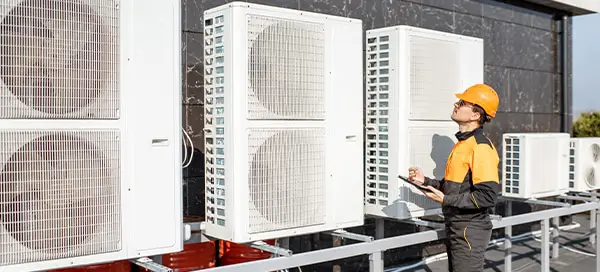
Air‑source heat pump installed outside a home
Credit: www.austingsmechanical.com
Why is HVAC Maintenance Important?
Regular maintenance keeps your HVAC system running efficiently. It also helps to prevent costly repairs.
Benefits Of Regular Hvac Maintenance
Increases the lifespan of your system
Improves air quality in your home
Reduces energy costs
Prevents unexpected breakdowns
Common HVAC Issues
Sometimes, HVAC systems can have problems. Here are some common issues and how to fix them.
1. Dirty Filters
Filters trap dust and dirt. They need to be cleaned or replaced regularly.
- How to fix: Check filters every month. Replace them if they are dirty.
2. Thermostat Issues
The thermostat controls the temperature. If it is not working, your HVAC system won't work properly.
- How to fix: Check the thermostat settings. Replace the batteries if needed.
3. Refrigerant Leaks
Refrigerant cools the air in your air conditioner. If there is a leak, your system won't cool properly.
- How to fix: Call a professional to fix the leak and refill the refrigerant.
4. Electrical Issues
Electrical problems can cause your HVAC system to stop working.
- How to fix: Check the circuit breaker. If it has tripped, reset it. If the problem continues, call a professional.
5. Strange Noises
If your HVAC system makes strange noises, there may be a problem.
- How to fix: Listen for unusual sounds. If you hear any, call a professional.
When to Call a Professional
Some HVAC issues require a professional. Here are some signs that you need expert help.
Your HVAC system is not heating or cooling properly.
You hear strange noises from the system.
Your energy bills are higher than normal.
You notice water around your HVAC unit.
The system cycles on and off frequently.
How to Choose an HVAC Professional
Choosing the right professional is important. Here are some tips to help you make the right choice.
Check Credentials
Make sure the professional is licensed and insured. This protects you and your home.
Read Reviews
Check online reviews. See what other customers have to say about their service.
Get Multiple Quotes
Get quotes from several professionals. This helps you find the best price and service.
Ask Questions
Ask about their experience and services. Make sure they can handle your specific HVAC needs.
https://www.youtube.com/watch?v=rjPhfaGznSA
DIY HVAC Maintenance Tips
Regular maintenance can help prevent problems. Here are some simple tips you can do yourself.
Change Filters Regularly
Check filters every month. Replace them if they are dirty.
Clean The Coils
Dirty coils reduce efficiency. Clean them at least once a year.
Check The Thermostat
Make sure the thermostat is set correctly. Replace the batteries if needed.
Inspect The Ductwork
Check for leaks or damage in the ducts. Seal any leaks with duct tape.
Clear The Area Around The Unit
Keep the area around your HVAC unit clear. Remove any debris or obstructions.
Seasonal HVAC Maintenance Checklist (2026)
A concise, season‑by‑season checklist helps you stay ahead of common problems and keeps efficiency high.
Spring
- Replace or clean filters.
- Inspect refrigerant lines for insulation damage.
- Test thermostat calibration.
- Schedule a professional coil cleaning.
Summer
- Verify condensate drain is clear.
- Check outdoor unit for debris and clearance.
- Monitor energy bills for unexpected spikes.
- Confirm proper airflow at supply registers.
Fall
- Clean or replace filters again.
- Inspect heat‑exchanger for cracks (furnace).
- Test heating cycle and safety controls.
- Seal any duct leaks discovered during summer.
Winter
- Keep vents and registers unobstructed.
- Verify emergency shut‑off works.
- Listen for unusual noises during heating cycles.
- Review system performance after each major storm.
Following this checklist aligns with the seasonal upkeep guide and reduces surprise breakdowns.
Smart Thermostat Integration Benefits
Upgrading to a smart thermostat can cut heating and cooling costs by 10‑15 % while giving you remote control and learning schedules.
- Adaptive scheduling learns occupancy patterns and adjusts setpoints automatically.
- Geofencing turns the system down when you leave and ramps up before you return.
- Energy‑usage reports highlight wasteful periods so you can tweak habits.
- Integration with voice assistants adds hands‑free convenience.
For deeper guidance on optimal temperature settings, see the optimal temperature settings article. The EPA also notes that proper thermostat management improves indoor air quality (EPA indoor air quality).
Energy‑Efficiency Upgrades Worth Considering
Beyond routine maintenance, targeted upgrades deliver measurable savings.
| Upgrade | Typical Savings | Payback Period | Notes |
|---|---|---|---|
| High‑efficiency (SEER ≥ 16) AC unit | 20‑30 % cooling energy | 5‑7 years | Best when replacing an aging system |
| Variable‑speed blower motor | 10‑15 % fan energy | 3‑4 years | Improves humidity control |
| Duct sealing & insulation | 15‑20 % heating/cooling loss | 2‑3 years | Use mastic or UL‑listed tape |
| ENERGY STAR‑certified heat pump | 30‑40 % vs. electric resistance | 6‑8 years | Eligible for many rebates |
The ENERGY STAR program provides up‑to‑date specifications and rebate locators (ENERGY STAR). When selecting new equipment, refer to the selecting the right unit guide for sizing and feature considerations.
Cost Considerations for Common Repairs
Understanding typical price ranges helps you budget and avoid surprise invoices.
| Repair | Average Cost (USD) | When to DIY vs. Pro |
|---|---|---|
| Filter replacement | $15‑$30 | DIY |
| Thermostat battery swap | $5‑$10 | DIY |
| Capacitor replacement | $120‑$250 | Pro (electrical safety) |
| Refrigerant leak repair & recharge | $300‑$600 | Pro (EPA certification required) |
| Blower motor replacement | $400‑$700 | Pro |
| Control board replacement | $200‑$500 | Pro |
If you’re diagnosing a warm‑air issue before calling a tech, the diagnosing warm‑air issues walkthrough can pinpoint whether it’s a simple filter or a deeper refrigerant problem.
When to Upgrade vs. Repair
Deciding between repair and replacement hinges on age, repair cost, and efficiency gains.
- Age > 15 years and repair > 50 % of replacement cost → strong case for upgrade.
- Frequent breakdowns (3+ service calls in 2 years) → replacement often cheaper long‑term.
- SEER rating < 13 → modern units deliver 30 %+ efficiency improvement.
- Home renovation adding square footage → resize system rather than patch.
For a clear breakdown of how HVAC systems differ from basic AC units, review the understanding system differences overview.
Ready to keep your home comfortable year‑round? Book a certified HVAC tune‑up now.
Frequently Asked Questions
What Is Residential Hvac Repair?
Residential HVAC repair involves fixing heating, ventilation, and air conditioning systems in homes.
How Often Should Hvac Be Serviced?
HVAC systems should be serviced annually to ensure optimal performance and efficiency.
Why Is My Hvac System Noisy?
A noisy HVAC system could indicate loose parts, debris, or mechanical issues that need professional attention.
How Can I Improve Hvac Efficiency?
Regular maintenance, changing filters, and sealing ducts can significantly improve HVAC efficiency.
Conclusion
HVAC maintenance is important for your home's comfort. Regular maintenance can prevent costly repairs. Follow our tips to keep your system running smoothly. When in doubt, call a professional for help. Your home's comfort is worth it!
Frequently Asked Questions (FAQs)
1. How Often Should I Replace My Hvac Filter?
You should check your filter every month. Replace it if it is dirty. Generally, replace it every 3 months.
2. What Should I Do If My Hvac System Is Not Working?
Check the thermostat settings. Make sure the power is on. If the problem continues, call a professional.
3. How Can I Improve My Hvac System's Efficiency?
Regular maintenance is key. Change filters, clean coils, and check the thermostat. Also, seal any leaks in the ductwork.
4. What Is The Average Lifespan Of An Hvac System?
Most HVAC systems last between 15 to 20 years. Regular maintenance can extend its lifespan.
5. How Do I Know If My Hvac System Needs Repair?
If it is not heating or cooling properly, makes strange noises, or has high energy bills, it may need repair.
6. Can I Repair My Hvac System Myself?
Some minor issues can be fixed yourself. However, for major problems, it is best to call a professional.