Replaced AC Compressor But Not Cooling: Troubleshooting Guide
Replaced AC Compressor but Not Cooling
Have you recently replaced your car or home AC compressor, but now it's not cooling as it should? It’s frustrating, and you're not alone. Many people encounter this problem after a compressor replacement. But why is it happening? Let's explore some possible reasons and solutions.
Possible Reasons Why Your AC Compressor is not Cooling
After replacing the compressor, there are a few factors that could lead to the AC not cooling as expected. It could be due to:
Improper vacuuming before recharging the refrigerant
A leak in the system
Setting errors
Incorrect installation
Issues with registers or ducts
Defective compressor
Failed thermo-coupler (engine cooling fan clutch)
Additional context: In practice, the most common culprit after a compressor swap is an incomplete vacuum pull‑down, which leaves moisture and non‑condensables that degrade cooling capacity. A thorough leak check with nitrogen and a micron gauge before charging can prevent this. For a deeper dive on leak detection methods, see the condenser diagnostics guide. For more on this, see our guide on car ac compressor replaced but still not cold.
What to Do After Replacing the AC Compressor?
If your AC is not cooling after replacing the compressor, here's what you can do:
Check for leaks in the system
Ensure the system is properly vacuumed and recharged
Inspect the condenser for blockages
Verify the correct installation of the compressor
Double-check and adjust the refrigerant levels if necessary
Test the thermo-coupler (engine cooling fan clutch)
Next‑step checklist: After confirming vacuum and charge, run a pressure‑temperature (P‑T) chart comparison for the specific refrigerant (R‑410A, R‑32, etc.) to verify superheat and subcooling are within spec. If you’re unfamiliar with the procedure, the warm air troubleshooting article walks through the gauge readings step‑by‑step.
Possible Solutions for Non-Cooling AC after Compressor Replacement
If your AC is still not cooling properly, there could be additional issues to address:
Clogged evaporator coil preventing proper cooling
Faulty AC pressure sensors/switches near the compressor or filter dryer
Insufficient refrigerant or leaks in the system
Further checks: A restricted metering device (TXV or capillary tube) can mimic low‑charge symptoms. Measure the temperature drop across the evaporator; a drop below 15 °F often signals a restriction. Also verify that the split system setup matches the manufacturer’s piping layout, as mismatched line sets cause poor oil return and capacity loss.
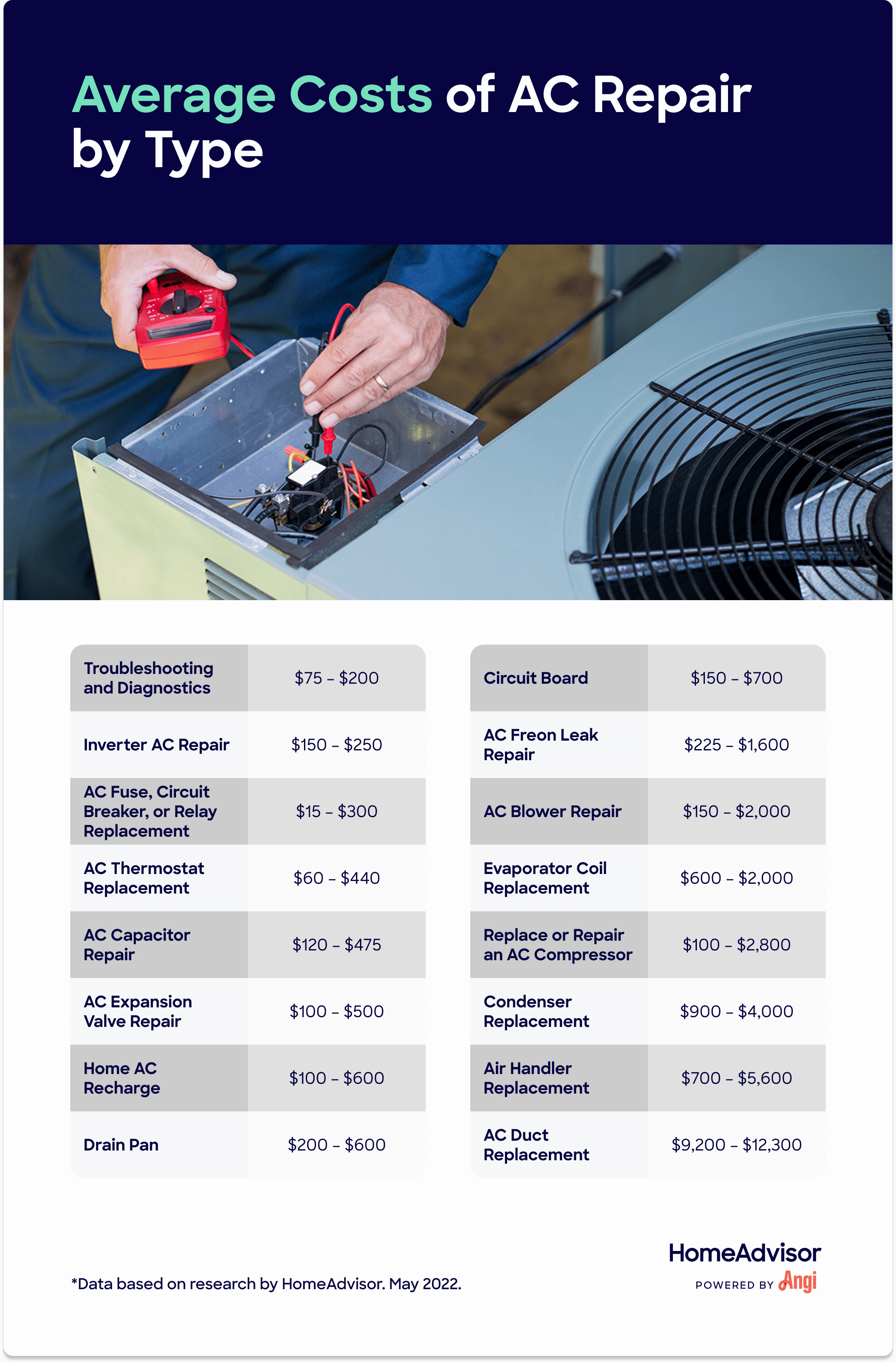
Diagram of typical AC system after compressor replacement
Credit: www.homeadvisor.com
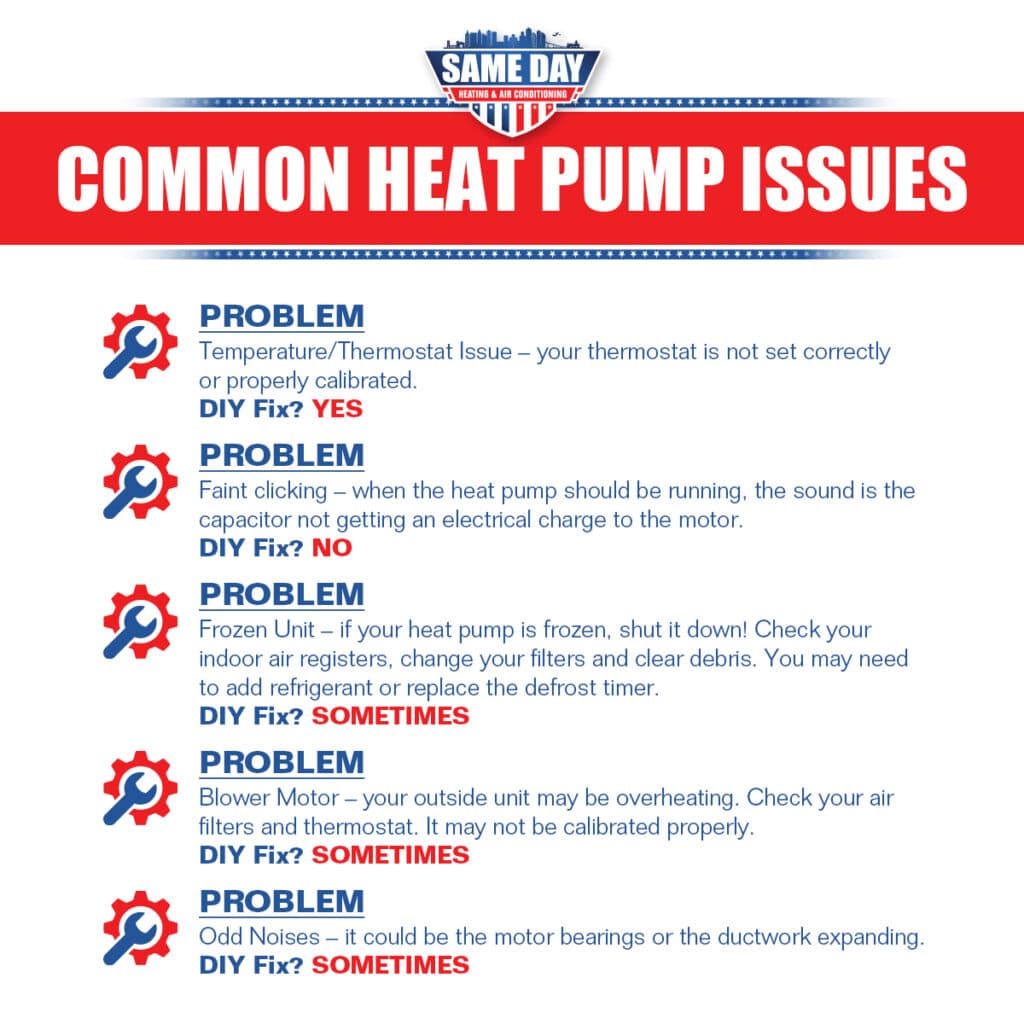
Illustration of common heat pump issues
Credit: samedaysd.com
Advanced Diagnostic Steps
When the basic checks above don’t reveal the fault, move to these advanced procedures:
- Perform a full system evacuation to 500 microns or lower, then hold for 15 minutes to confirm no leak‑back.
- Use a digital manifold gauge set to log real‑time high‑ and low‑side pressures while the system runs through a cooling cycle.
- Check compressor current draw with a clamp meter; excessive amperage can indicate internal mechanical binding.
- Inspect the variable‑speed drive (if equipped) for fault codes via the OEM diagnostic tool.
- Verify refrigerant charge against the manufacturer’s weight specification, not just pressure, especially for low‑GWP refrigerants like R‑32.
These steps align with the EPA’s refrigerant management guidelines and ASHRAE’s standard 15‑2024 for safe handling and system performance.
Seek Professional Assistance
If you've tried the above solutions and your AC is still not cooling after replacing the compressor, it's best to seek professional assistance. An experienced technician can diagnose the problem accurately and provide the necessary repairs. Remember, it's essential to address the issue promptly to ensure optimal performance of your AC system.
https://www.youtube.com/watch?v=ggELi8v0hns
Need a qualified tech? Find a certified HVAC contractor near you for a thorough system evaluation.
Frequently Asked Questions On Replaced Ac Compressor But Not Cooling: Troubleshooting Guide
Why Is My Ac Compressor On But Not Cooling?
If your AC compressor is running but not cooling, it may be due to issues with the thermostat, compressor, or evaporator coils. Clogs from dust and debris could also hinder its functionality. Consider checking these components for proper operation and cleaning if needed.
Why Is My Ac Compressor Not Engaging After Replacement?
If your AC compressor is not engaging after replacement, it could be due to a faulty sensor, switch, compressor, relay, fuse block, or wiring in the AC system. Check for any issues with these components and replace them if necessary.
Additionally, make sure the system is properly vacuumed and recharged after replacing the compressor to ensure optimum cooling.
What To Do After Replacing Ac Compressor?
After replacing the AC compressor, if the A/C is not cooling properly, there are a few steps you can take. First, check for any leaks in the system and ensure it is properly vacuumed and recharged. Additionally, make sure there are no issues with the thermostat, evaporator coils, or clogged with dust and debris.
Lastly, check the system pressures with a manifold gauge set and ensure enough refrigerant was added.
Why Is My Brand New Ac Not Cooling?
If your brand new AC is not cooling, it could be due to incorrect installation, setting errors, a frozen condenser, or duct issues. Check for proper installation and airflow. If problem persists, consult a professional for further assessment and repairs.
How Long Should I Wait Before Testing Cooling After a Compressor Swap?
Allow the system to run for at least 15–20 minutes after charging so pressures stabilize and the oil circulates. Short‑cycling the compressor during this period can mask a proper charge.
Can a Wrong Refrigerant Type Cause No‑Cooling After Replacement?
Yes. Using a refrigerant not approved for the compressor (e.g., charging R‑410A into an R‑22 system) will result in incorrect pressures, poor lubrication, and no cooling. Always verify the nameplate refrigerant before charging.
What Role Does the Filter‑Dryer Play After a Compressor Change?
A saturated filter‑dryer can restrict flow and trap moisture, leading to acid formation and compressor failure. Replace the filter‑dryer every time the system is opened.
Conclusion
Don't let a non-cooling AC after a compressor replacement leave you in discomfort. By understanding the potential reasons behind the issue and following the appropriate steps, you can resolve this frustrating situation and enjoy a cool, comfortable environment once again.