
Panasonic inverter air conditioners are known for energy efficiency, but some models can be noisy. This guide explores common causes of AC noise , from fan blades to refrigerant issues, and offers practical solutions to restore quiet operation . Whether you're dealing with rattling or humming sounds, you'll find step-by-step advice to troubleshoot and fix the problem effectively.
Key Takeaways
Common Noise Sources: Panasonic inverter air conditioners may produce noise due to loose parts, dirty filters, fan motor issues, or refrigerant problems.
Energy Efficiency vs. Noise: Inverter technology balances power and noise, but improper installation or wear can increase sound levels.
Quick Fixes Work: Cleaning filters, tightening screws, and checking fan blades often resolve most noise issues without professional help.
When to Call a Technician: Persistent humming, grinding, or loud vibrations usually indicate internal component failure requiring expert repair.
Preventive Maintenance: Regular cleaning and annual servicing can prevent noise and extend your unit’s lifespan.
Noise Reduction Tips: Use sound-dampening materials or reposition the unit to minimize noise impact in living spaces.
Model-Specific Issues: Some Panasonic models (e.g., CS/CU-XV18PKY) report higher noise levels—check user manuals for known concerns.
Quick Answers to Common Questions
Why is my Panasonic inverter AC making a loud humming noise?
Answer: A loud hum often comes from a failing capacitor, unbalanced fan blades, or a struggling compressor. Check the fan and tighten loose parts first. If the sound persists, consult a technician to test the motor and capacitor. For more on this, see our guide on panasonic air conditioner maintenance tips.
Can I fix a noisy Panasonic inverter AC myself?
Answer: Yes, many noise issues—like dirty filters or loose screws—can be fixed at home. Always power off the unit before inspecting or cleaning. Avoid handling electrical components unless you're trained.
Is it normal for inverter ACs to be louder than non-inverter models?
Answer: No. Inverter ACs are generally quieter because they run at lower speeds. If yours is louder, there’s likely an issue like poor installation, worn parts, or blockages that need attention. For more on this, see our guide on inverter air conditioner tips.
How often should I clean my Panasonic inverter AC filter?
Answer: Monthly is ideal, especially in dusty or pet-heavy homes. Dirty filters restrict airflow, causing the fan to work harder and become noisier.
What does a grinding noise from the outdoor unit indicate?
Answer: Grinding usually signals bearing failure or misaligned fan blades. This requires professional repair to prevent further damage. Do not operate the unit until fixed. For more on this, see our guide on how to choose the right air conditioner for.
📑 Table of Contents
- Introduction: Why Is Your Panasonic Inverter Air Conditioner So Noisy?
- Understanding Panasonic Inverter Technology and Noise Expectations
- Common Causes of Noise in Panasonic Inverter Air Conditioners
- Step-by-Step Troubleshooting Guide
- When to Call a Professional
- Preventing Future Noise Problems
- Conclusion: Enjoy Quiet, Efficient Cooling Again
Introduction: Why Is Your Panasonic Inverter Air Conditioner So Noisy?
If you’ve recently noticed your Panasonic inverter air conditioner making more noise than usual, you're not alone. Many homeowners love these units for their energy efficiency, smart cooling, and quiet operation—but sometimes, unexpected sounds can disrupt peace and comfort. Whether it's a high-pitched whine, a constant hum, or a rattling that kicks in during startup, understanding the source of the noise is the first step toward fixing it.
Inverter air conditioners are designed to run at variable speeds, adjusting cooling output based on room temperature. This means they should operate smoothly and quietly most of the time. However, like any appliance, they can develop issues over time. The good news? Most noise problems are fixable with basic troubleshooting. In this article, we’ll walk through the most common reasons why your Panasonic inverter air conditioner is noisy , how to diagnose the issue, and what you can do to make it whisper-quiet again. For more on this, see our guide on are air conditioner brackets required in nyc.
Understanding Panasonic Inverter Technology and Noise Expectations
Before diving into fixes, it helps to understand how inverter ACs work. Unlike traditional air conditioners that turn on and off repeatedly, inverter models adjust compressor speed to maintain consistent temperatures. This reduces energy use and minimizes cycling noise—a major selling point.
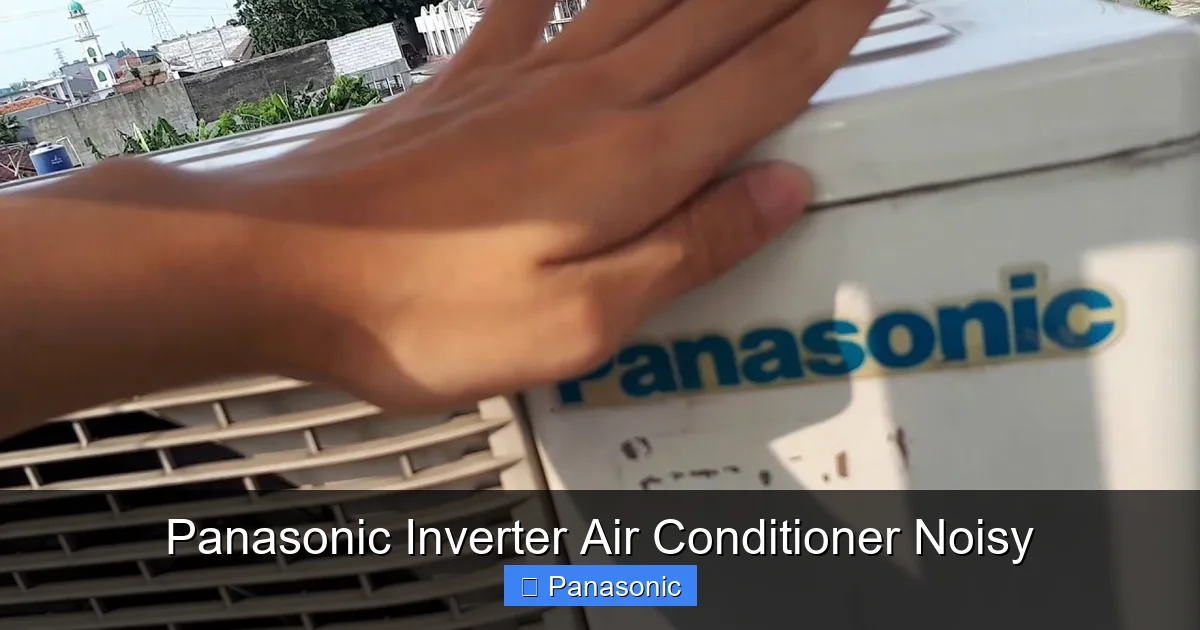
Panasonic inverter air conditioner outdoor unit with visible fan and compressor components.
Visual guide about Panasonic Inverter Air Conditioner Noisy
Image source: i.ytimg.com
The Role of the Inverter Compressor
The inverter compressor is the heart of the system. It runs continuously but at varying speeds depending on demand. When it slows down, so does the noise. However, if the compressor is struggling—due to dirt buildup, low refrigerant, or mechanical wear—it can produce loud vibrations or buzzing sounds. This is one reason why Panasonic inverter air conditioner noisy complaints often stem from internal component stress.
In practice, compressors that operate at low speeds for extended periods can accumulate oil residue on internal valves, which may cause a faint clicking sound during speed transitions. This is usually harmless but can be mistaken for a fault. A common mistake is assuming any click indicates a capacitor issue; instead, verify with a multimeter before replacing parts.
What’s “Normal” Noise?
A well-maintained inverter AC should sound like a soft hum or occasional airflow—similar to a refrigerator. If your unit is louder than that, especially when idle or cooling lightly, something needs attention. Keep in mind that newer models may have improved noise control, so comparing your model to older versions isn’t always fair. Always refer to your user manual for decibel ratings and expected performance.
Inverter vs. Non-Inverter Noise Comparison
Inverter units typically run 3–5 dB quieter than fixed-speed models at partial load because they avoid the hard start/stop cycle. However, at full capacity the sound difference narrows to 1–2 dB. If your inverter AC exceeds the non-inverter baseline by more than 3 dB at any load, treat it as a fault condition.
Common Causes of Noise in Panasonic Inverter Air Conditioners
Let’s break down the most frequent sources of noise in these units. Knowing the root cause helps you choose the right fix—and avoid unnecessary service calls.
Loose or Misaligned Parts
Over time, vibration from daily operation can loosen screws, panels, or mounting brackets. This is especially true if the unit was installed by a less experienced technician. Loose components create rattling or thumping sounds, particularly when the fan turns on or off.
How to Check:
Turn off the AC and unplug it.
Open the front panel (refer to your manual).
Gently press on screws and joints to see if anything wobbles.
Tighten any loose fasteners with a screwdriver.
Dirty or Clogged Air Filters
This is one of the simplest yet most overlooked causes of noise. A clogged filter restricts airflow, forcing the fan to work harder. The increased effort leads to louder operation and even strain on the motor.
Solution:
Remove and clean the filter monthly using warm water and mild detergent. Let it dry completely before reinserting. For heavily polluted areas, consider upgrading to washable HEPA filters.
Worn or Damaged Fan Blades
The indoor and outdoor fan blades spin constantly. If they’re bent, cracked, or unbalanced due to dust accumulation, they can cause a persistent hum or whirring noise. Outdoor fans are especially vulnerable to debris like leaves or bird nests.
Inspection Tip:
Look through the grille at the fan blades while the unit is off. Any visible damage or uneven spinning indicates replacement is needed. Only certified technicians should handle outdoor fan repairs due to electrical hazards.
Refrigerant Issues
Low refrigerant levels or leaks can cause the compressor to work overtime, leading to loud hissing or gurgling sounds. This also reduces cooling efficiency and increases energy bills.
Warning Signs:
Ice forming on the evaporator coil
Reduced cooling performance
Unusual bubbling or whistling from the unit
If you suspect a refrigerant leak, contact a licensed HVAC technician immediately—DIY refilling can damage the system.
Malfunctioning Capacitor or Motor
The capacitor helps start motors smoothly. If it fails, the motor may struggle, producing grinding or clicking noises. Similarly, a failing motor fan can vibrate excessively.
Note:
Replacing capacitors or motors requires technical knowledge. Never attempt this without proper tools and training.
Model-Specific Noise Profiles
| Model Series | Typical Noise (dB) | Common Complaint |
|---|---|---|
| CS/CU-XV18PKY | 42–48 (indoor) | High-pitched whine at low speed |
| CS/CU-Z25VKY | 38–44 (indoor) | Occasional rattling from loose grille |
| CS/CU-E18RKY | 40–46 (indoor) | Outdoor unit vibration on startup |
Data compiled from Panasonic technical bulletins and user forums; individual units may vary.
Step-by-Step Troubleshooting Guide
Follow this simple process to identify and resolve noise issues yourself.
Step 1: Listen Carefully
Pinpoint where the sound is coming from—indoor unit, outdoor unit, or both. Indoor noises are often easier to fix. Common indoor sounds include:
Rattling: Usually loose parts or foreign objects.
Humming: Could be fan imbalance or electrical issue.
Clicking: Often relay or capacitor problems.
Step 2: Power Down and Inspect
Switch off the AC at the thermostat and turn off the circuit breaker for safety. Open the front cover and check:
Are filters dirty?
Are screws tight?
Is there dust around fan blades?
Step 3: Clean Thoroughly
Vacuum the filter, wipe the evaporator coils with a damp cloth, and remove dust from fins using a soft brush. Don’t use harsh chemicals—they can corrode parts.
Step 4: Test Run
After cleaning and tightening, restart the unit and listen for changes. If noise persists, move to the next steps.
Advanced Diagnostics with Panasonic Comfort Cloud App
Newer Wi-Fi-enabled models (2022 onward) log error codes and runtime data accessible via the Comfort Cloud app. Check the “Operation History” section for recurring “H98” (outdoor fan lock) or “H99” (compressor overcurrent) codes — these often precede audible symptoms by weeks. If you see either, schedule service before the noise becomes severe.
When to Call a Professional
While many issues are DIY-friendly, some require expert intervention. Consider contacting a technician if you notice:
Loud grinding or metal-on-metal sounds
Continuous high-pitched whine
Smoke or burning smell
Water leakage (could indicate blocked drain pipe)
Panasonic recommends annual maintenance for optimal performance. Authorized service centers use specialized tools to diagnose inverter-specific faults, such as faulty sensor readings or software glitches.
Typical Repair Cost Ranges (2026 USD)
- Capacitor replacement: $120–$250
- Outdoor fan motor: $280–$450
- Compressor replacement (out of warranty): $1,200–$2,000
- Refrigerant leak repair + recharge: $350–$700
Prices vary by region and labor rates; always request a written estimate.
Preventing Future Noise Problems
Maintenance is key to keeping your Panasonic inverter air conditioner running silently. Here’s how to prevent noise from returning:
Monthly Tasks
Clean or replace air filters
Wipe exterior grilles
Quarterly Tasks
Vacuum around indoor unit
Check outdoor unit for debris
Annual Servicing
Schedule a full inspection with a certified technician. They’ll:
Clean condenser coils
Check refrigerant levels
Test inverter circuitry
Lubricate moving parts
Soundproofing and Vibration Isolation Accessories
If the unit is mounted on a resonant wall or floor, add anti-vibration pads (minimum 10 mm neoprene) under the outdoor unit feet and use flexible refrigerant line brackets. For indoor units, a 3 mm mass-loaded vinyl barrier behind the mounting plate can cut transmitted vibration by 6–8 dB. These upgrades are inexpensive and install in under an hour.
Conclusion: Enjoy Quiet, Efficient Cooling Again
A noisy Panasonic inverter air conditioner doesn’t have to mean an expensive repair. By identifying the cause—whether it’s a simple filter blockage or a deeper mechanical issue—you can restore peace to your home. Remember, prevention is cheaper than cure: regular cleaning and timely servicing go a long way.
If you’ve tried all the steps above and the noise continues, don’t hesitate to reach out to Panasonic support or a local HVAC professional. With the right care, your inverter AC will deliver years of silent, efficient comfort.
Next step: Schedule a seasonal tune-up using our maintenance checklist to catch issues before they become audible.
Frequently Asked Questions
Why is my Panasonic inverter air conditioner making a rattling sound?
Answer: Rattling is typically caused by loose screws, panels, or foreign objects inside the unit. Turn off the AC, inspect for wobbling parts, and tighten any loose components. If the noise continues, check for debris near the fan blades.
Can a dirty filter cause my Panasonic AC to be noisy?
Answer: Yes. A clogged filter forces the fan to work harder, increasing noise levels. Cleaning or replacing the filter every month usually resolves this issue and improves airflow.
What should I do if my Panasonic inverter AC is humming loudly during startup?
Answer: Loud humming at startup may indicate a failing capacitor or motor issue. First, ensure all connections are secure. If the problem persists, contact a certified technician—do not attempt internal repairs yourself.
Is it safe to ignore minor noise from my inverter AC?
Answer: Not recommended. Even small noises can signal developing problems like refrigerant leaks or motor wear. Addressing them early prevents costly repairs and extends the unit’s life.
How can I reduce noise from my outdoor Panasonic AC unit?
Answer: Trim nearby plants, clear debris, and ensure the unit sits level on a stable surface. Elevating it slightly with anti-vibration pads can also dampen transmission of vibrations to walls.
Does inverter technology affect noise levels in Panasonic ACs?
Answer: Yes. Inverter compressors adjust speed based on demand, reducing cycling noise. However, if the system is malfunctioning or poorly maintained, it can still produce loud sounds despite this feature.
Can improper installation cause excessive noise in a new Panasonic inverter AC?
Answer: Absolutely. An unlevel outdoor unit, undersized refrigerant lines, or missing vibration isolators will amplify compressor and fan noise. Always verify the installer follows the manufacturer’s mounting guidelines and uses a torque wrench for flare connections.
What’s the difference between a humming noise and a buzzing noise from the outdoor unit?
Answer: Humming is usually the compressor running normally at low frequency; buzzing often indicates an electrical issue such as a failing contactor coil or loose wiring in the control box. If the buzz coincides with the compressor trying to start, have the capacitor and contactor tested.
How do I know if my Panasonic inverter AC is still under warranty for a noise-related repair?
Answer: Panasonic typically covers parts for 5 years and the compressor for 10 years (registration required). Noise caused by manufacturing defects (e.g., unbalanced fan from factory) is covered; noise from installation errors or lack of maintenance is not. Check your warranty certificate or log into your Panasonic account for exact status.
Are there any Panasonic inverter models known for being exceptionally quiet?
Answer: The CS/CU-ZVKY and CS/CU-XZVKY series (2023+) feature a redesigned “Aero Wing” fan and double-insulated compressor chamber, rated as low as 19 dB(A) in quiet mode. They also include active vibration cancellation via the inverter firmware.
