
Panasonic Inverter Air Conditioner Nigeria
Looking for a cool, comfortable home in Nigeria’s hot climate? The Panasonic inverter air conditioner is your smart choice. Known for energy savings, durability, and whisper-quiet operation, it adapts to your room’s needs—keeping you cool without breaking the bank or the planet.
Key Takeaways
Energy Efficiency: Inverter technology adjusts compressor speed, reducing power use by up to 40% compared to non-inverter models.
Long-Term Savings: Lower electricity bills and fewer repairs make Panasonic ACs a cost-effective investment over time.
Quiet Operation: Advanced noise reduction ensures peaceful nights and undisturbed work environments.
Durable & Reliable: Built with high-quality components, Panasonic ACs withstand Nigeria’s humidity and power fluctuations.
Smart Features: Many models include Wi-Fi control, sleep modes, and eco-friendly refrigerants for modern convenience.
After-Sales Support: Panasonic offers reliable service centers and warranties across major Nigerian cities.
Perfect for Hot Climates: Optimized for Nigeria’s heat, these units maintain consistent temperatures even during peak summer.
Quick Answers to Common Questions
Is an inverter air conditioner better for Nigeria?
Yes! Inverter ACs adapt to cooling needs, saving energy and maintaining steady temperatures—ideal for Nigeria’s fluctuating power supply and high heat.
How much do Panasonic inverter ACs cost in Nigeria?
Prices range from ₦320,000 (1 ton) to ₦650,000+ (high-end 1.5 ton models), depending on features and retailer.
Can I install it myself?
No. Installation requires licensed technicians who handle refrigerant safely and ensure proper sealing and wiring.
Do they work well in humid areas?
Absolutely. Panasonic models include anti-corrosion coatings and efficient dehumidification, perfect for coastal or rainy regions.
Are spare parts easily available?
Yes. Authorized service centers in major cities stock filters, compressors, and remote controls for quick repairs.
📑 Table of Contents
- Why Choose Panasonic Inverter Air Conditioners in Nigeria?
- How Panasonic Inverter Technology Works
- Top Panasonic Inverter Models Available in Nigeria
- Energy Efficiency: How Much Can You Save?
- Installation & Maintenance Made Easy
- Pricing & Value for Money in Nigeria
- Customer Reviews & Real-World Performance
- Final Thoughts: Is It Worth It?
Why Choose Panasonic Inverter Air Conditioners in Nigeria?
Nigeria’s tropical climate means air conditioning isn’t just a luxury—it’s a necessity. With temperatures often soaring above 35°C (95°F), keeping your home or office cool and comfortable is essential for health, productivity, and peace of mind. Among the top brands available in the market, Panasonic inverter air conditioner Nigeria stands out for its blend of innovation, efficiency, and reliability. Whether you're in Lagos, Abuja, Port Harcourt, or Kano, Panasonic offers models tailored to suit different room sizes, budgets, and lifestyle needs.
Unlike traditional air conditioners that turn on and off in cycles—causing temperature swings and high energy spikes—Panasonic inverter ACs use advanced inverter technology. This means the compressor runs at variable speeds, matching the cooling demand precisely. The result? A consistently comfortable environment, lower electricity bills, and longer appliance life. In a country where power outages are common and electricity costs are rising, this smart technology makes all the difference.
In this guide, we’ll walk you through everything you need to know about Panasonic inverter air conditioners in Nigeria—from how they work and why they save money, to buying tips, installation, and maintenance. By the end, you’ll know exactly why so many Nigerians trust Panasonic for year-round comfort.
Voltage Stabilizers and Power Protection in Nigeria
Nigeria’s grid voltage often swings between 180 V and 260 V, which can stress an inverter compressor’s electronics. While Panasonic units have built‑in voltage tolerance (typically ±10 %), adding a dedicated automatic voltage regulator (AVR) or a servo‑type stabilizer rated for the AC’s starting current protects the PCB and extends compressor life. Choose a stabilizer with a capacity at least 1.5 × the AC’s rated watts (e.g., a 3 kVA unit for a 1.5 ton model). In practice, many installers in Lagos and Abuja recommend brands like Blue Gate or Mercury for reliable local support.
How Panasonic Inverter Technology Works
At the heart of every Panasonic inverter air conditioner is a revolutionary system called inverter technology. Traditional ACs operate like a light switch: on full blast or off. This causes frequent starts and stops, which not only shock your electrical system but also waste energy and wear out components faster.
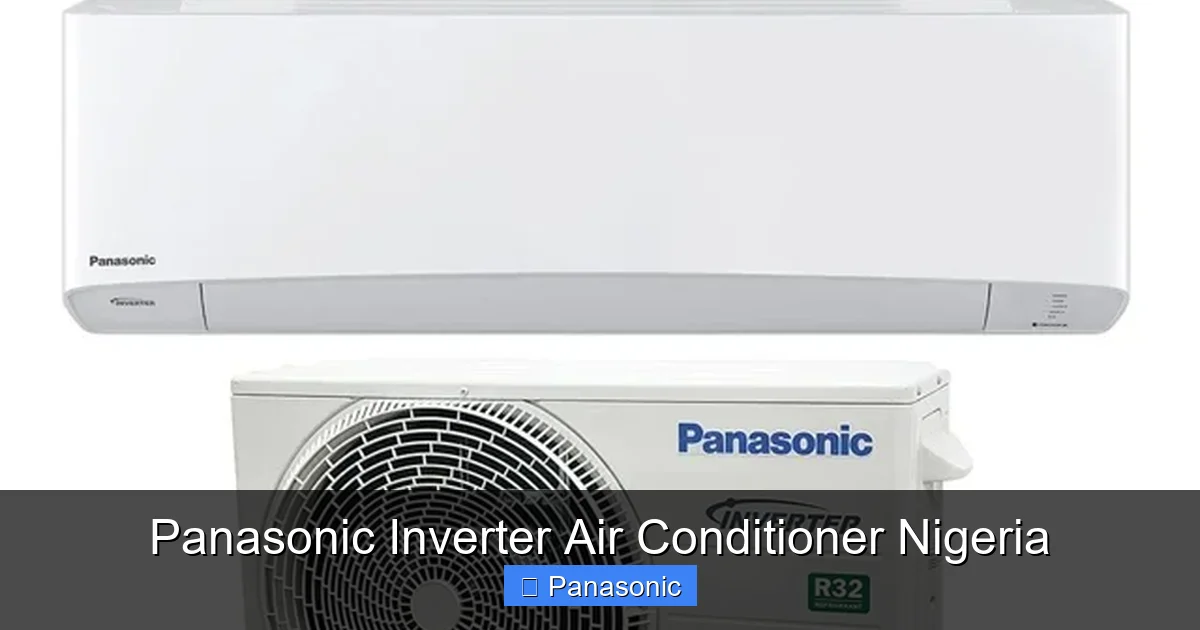
Panasonic inverter air conditioner indoor unit showing sleek design
The Science Behind Inverter Cooling
Instead of cycling the compressor on and off, inverter ACs adjust the motor speed based on real-time room conditions. When the room reaches the desired temperature, instead of shutting down, the compressor slows down to maintain that perfect chill. It’s like driving a car at constant speed instead of constantly accelerating and braking.
This intelligent control reduces power consumption significantly. According to Panasonic, inverter models can save up to 40% more energy than conventional split systems. For Nigerian households already struggling with high utility bills, this translates into real savings—sometimes hundreds of naira per day.
Benefits Beyond Energy Savings
But energy efficiency isn’t the only advantage. Because the compressor runs smoothly without abrupt stops, there’s less mechanical stress. That means fewer breakdowns and longer lifespan. You won’t need repairs as often, saving you money and downtime. Plus, the consistent airflow prevents stuffy, uneven cooling—something that plagues older, non-inverter units.
Another hidden benefit? Less noise. Since the compressor doesn’t kick in and out loudly, Panasonic inverter ACs operate almost silently. Ideal for bedrooms, study rooms, or home offices where silence matters.
Inverter vs. Non‑Inverter: Quick Comparison
| Feature | Non‑Inverter AC | Panasonic Inverter AC |
|---|---|---|
| Compressor operation | Fixed speed, on/off cycling | Variable speed, continuous modulation |
| Energy use (typical 1.5 ton) | ~2.8 kWh/day | ~1.7 kWh/day |
| Temperature stability | ±2–3 °C swings | ±0.5 °C steady |
| Noise level (indoor, low) | 35–40 dB | 22–30 dB |
| Startup current surge | High (3–5× running) | Low (soft start) |
| Lifespan (average) | 8–10 years | 12–15 years |
Data based on manufacturer specs and typical Nigerian operating conditions; actual results vary by installation quality and usage patterns.
Top Panasonic Inverter Models Available in Nigeria
Panasonic offers a wide range of inverter air conditioners designed specifically for African climates, including Nigeria’s unique humidity and voltage challenges. Here are some popular series and models currently available through authorized dealers:
CS/CU-PE18YKYWZ – Perfect for Medium Rooms
This 1.5-ton model is ideal for medium-sized living rooms or master bedrooms. With a 5-star energy rating, it uses R32 refrigerant—a safer, more eco-friendly option. Features include Wi-Fi connectivity via the Panasonic Comfort Cloud app, allowing you to control temperature, fan speed, and modes from your phone. It also has a self-cleaning function to prevent mold and bacteria buildup—great for allergy sufferers.
CS/CU-XE12PKYWZ – Compact & Efficient
A 1-ton unit great for smaller spaces like guest rooms or home offices. Lightweight and easy to install, it comes with a remote control and sleep mode that gradually raises temperature overnight for energy savings. Its anti-corrosion coating protects against Nigeria’s salty coastal air if you're near the coast.
CS/CU-FE18ZKYWZ – High-Performance for Large Spaces
For larger living areas or open-plan offices, this 1.5-ton model delivers powerful cooling with ultra-quiet operation—under 30 dB in low mode. It includes a PM2.5 filter that captures dust and allergens, making it a healthier choice in polluted urban areas like Lagos or Ibadan.
Wall-Mounted vs. Floor-Standing Options
Most Panasonic inverter ACs in Nigeria come as wall-mounted split systems. These are standard in new builds and renovations. However, if you have limited wall space, check for floor-standing models—though they’re less common and bulkier.
Comparing Panasonic with Competing Brands in Nigeria
When budget allows, many buyers also consider LG Dual Inverter, Samsung WindFree, or Daikin FTKF series. Panasonic generally edges out on dehumidification capacity (important for coastal humidity) and R32 refrigerant adoption across the lineup. LG and Samsung often offer slightly smarter app ecosystems, while Daikin leads on ultra‑low noise. In practice, Panasonic’s local parts network in Lagos, Abuja, and Port Harcourt gives it a service‑speed advantage over some imports. For a deeper dive on system types, see the differences between AC and HVAC and how HVAC differs from standard air conditioning.
Energy Efficiency: How Much Can You Save?
One of the biggest selling points of Panasonic inverter air conditioners is their ability to cut electricity costs. Let’s do a quick comparison:
Non-Inverter AC (1.5 ton): Runs at full power 60% of the time → ~2.8 kWh/day
Panasonic Inverter AC (1.5 ton): Adjusts speed → ~1.7 kWh/day
Assuming an average electricity rate of ₦1,200/kWh in Nigeria:
Non-inverter daily cost: ₦3,360
Panasonic inverter daily cost: ₦2,040
Daily saving: ₦1,320
Over a month (30 days): ₦39,600 saved —enough to pay for a new TV or go on a weekend trip!
Additional Tips to Maximize Savings
Set temperature between 24–26°C for optimal balance of comfort and efficiency.
Use sleep mode at night—it auto-adjusts temperature to avoid overcooling.
Keep doors and windows closed while running the AC to reduce load.
Clean or replace filters monthly to maintain airflow and efficiency.
Government Energy Efficiency Standards and Incentives
The Standards Organisation of Nigeria (SON) enforces Minimum Energy Performance Standards (MEPS) for air conditioners under the SONCAP regime. Panasonic’s R32 models typically meet or exceed the 3.5 EER threshold required for 5‑star labeling. While there is no federal rebate program as of 2026, some state governments (e.g., Lagos) occasionally partner with utilities for demand‑side management incentives—check the NERC portal for updates. Choosing a SON‑certified unit also avoids customs delays and ensures warranty validity.
Installation & Maintenance Made Easy
Proper installation is key to performance and longevity. While DIY isn’t recommended (due to refrigerant handling and wiring), most Panasonic models come with detailed manuals and support from certified technicians.
What to Expect During Installation
A professional will drill a small hole between indoor and outdoor units.
The refrigerant lines, drain hose, and power cables are connected securely.
The system is tested for leaks and charged with the correct amount of gas.
You’ll receive a warranty card and contact info for future service.
Maintenance Checklist
Monthly: Clean the front grille and remove dust with a soft brush.
Every 3 Months: Wash the filter with mild soap and water; let dry before reinserting.
Annually: Schedule a technician to check coils, clean vents, and inspect refrigerant levels.
After Rainy Season: Run the AC on fan-only mode for 2 hours to dry internal moisture and prevent mold.
Neglecting maintenance can reduce efficiency by up to 30% and shorten the unit’s life. So treat your Panasonic AC like a valuable asset—not just an appliance.
Common Installation Mistakes to Avoid
- Undersized piping: Using ¼″/⅜″ lines on a 1.5 ton unit restricts refrigerant flow, raising discharge pressure and cutting capacity.
- Poor outdoor unit clearance: Less than 300 mm behind the condenser coil traps heat, forcing the compressor to work harder.
- Skipping nitrogen purge: Brazing without nitrogen creates oxide flakes that clog capillary tubes and EEVs.
- Incorrect refrigerant charge: Overcharging raises head pressure; undercharging causes freeze‑up. Always weigh in per the nameplate.
- Loose flare connections: A common cause of slow leaks—torque to spec (14–18 Nm for ¼″, 33–42 Nm for ⅜″).
For step‑by‑step guidance, refer to the split AC installation guide, outdoor unit placement tips, and general installation guidelines.
Seasonal Maintenance for Harmattan and Rainy Seasons
- Harmattan (Nov–Mar): Dust loads surge. Clean filters every two weeks; wipe the outdoor coil with a soft brush and low‑pressure water to maintain heat rejection.
- Rainy season (Apr–Oct): Humidity peaks. Run the unit in dry mode 1 hour daily to suppress mold growth on the evaporator. Ensure the condensate drain has a trap and slopes away from the wall to prevent backflow.
For more detailed seasonal routines, see seasonal air conditioning maintenance tips.
Pricing & Value for Money in Nigeria
Prices for Panasonic inverter air conditioners vary depending on capacity, features, and retailer. As of 2026, here’s a rough guide:
Model (Approx.) Capacity Price Range (₦)
CS/CU-XE12 1 Ton ₦320,000 – ₦380,000
CS/CU-PE18 1.5 Ton ₦420,000 – ₦500,000
CS/CU-FE18 1.5 Ton (High-end) ₦550,000 – ₦650,000
While upfront cost may seem high compared to non-inverter units, remember: you’re paying for long-term value. Over five years, the energy savings alone can offset the initial price difference. Plus, Panasonic backs its products with 3-year warranty on compressor and 1-year full warranty in Nigeria.
Note: Prices have risen 15–20 % since 2024 due to foreign‑exchange fluctuations and import duties. Always confirm current pricing with authorized dealers before budgeting.
Where to Buy Authentic Panasonic ACs in Nigeria
Authorized Dealers: Visit Panasonic Nigeria’s official website for certified partners in Lagos, Abuja, and other cities.
Electronics Retailers: Jumia, Konga, and Slot carry genuine models with warranty support.
Showrooms: Check out stores like Homebase, Ebeano Mall electronics sections, or local HVAC specialists.
Avoid Grey Market: Unauthorized sellers may sell counterfeit or outdated units lacking support.
Financing and Installment Options
Several retailers (e.g., Slot, Homebase) partner with banks like Access, GTBank, and FirstBank to offer 6–12 month interest‑free installment plans for purchases above ₦300,000. Some Panasonic flagship stores in Lagos also run “buy now, pay later” promos during festive periods. Ask for the Panasonic Comfort Plan at checkout—it often includes a free first‑year service visit.
Customer Reviews & Real-World Performance
Across social media forums like Reddit, Facebook groups, and Google Reviews, Nigerian users praise Panasonic inverter ACs for:
“Still cool after 3 years—no issues despite daily use.” – @CoolMomInLagos
“My bill dropped from ₦25k to ₦14k monthly since switching to inverter.” – Tunde, Port Harcourt
“So quiet I forget it’s on—perfect for studying.” – Aisha, Benin City
Common complaints usually relate to installation quality or fake products sold online. Always verify serial numbers with Panasonic’s customer care before purchase.
Extended Warranty and Service Plans
Beyond the standard 1‑year full / 3‑year compressor warranty, Panasonic Nigeria offers an Extended Protection Plan (up to 5 years total) covering parts, labor, and annual preventive maintenance. Cost is roughly 8–10 % of the unit price and can be purchased within 90 days of installation. Authorized service centers in Lagos (Ikeja, Victoria Island), Abuja (Garki), and Port Harcourt (Trans Amadi) stock genuine compressors, PCBs, and R32 refrigerant—critical for avoiding downtime during peak heat. Register your product on the Panasonic Nigeria portal to activate warranty and receive firmware update notifications for Wi‑Fi models.
Final Thoughts: Is It Worth It?
If you want reliable, energy-smart cooling in Nigeria’s heat, a Panasonic inverter air conditioner is absolutely worth considering . Yes, the initial investment is higher than basic models, but when you factor in lower bills, fewer repairs, and consistent comfort, it pays for itself within 1–2 years. Add in the brand’s reputation for quality and excellent after-sales service, and there’s really no downside.
Whether you're upgrading an old unit or building a new home, choose wisely—and invest in one of the best inverter ACs on the Nigerian market today.
Ready to cut your cooling costs? Locate an authorized Panasonic dealer near you and schedule a free site survey for the right capacity match.
Frequently Asked Questions
What is the main advantage of Panasonic inverter air conditioners?
They save up to 40% more energy than non-inverter models by adjusting compressor speed, reducing bills and wear.
Which Panasonic inverter model is best for a 2-bedroom apartment?
A 1.5-ton model like the CS/CU-PE18YKYWZ works well for medium-sized spaces with balanced cooling and energy use.
How often should I clean my AC filter?
At least once a month during heavy usage seasons to maintain airflow and indoor air quality.
Does Panasonic offer warranty in Nigeria?
Yes, all models come with a 1-year full warranty and 3-year compressor warranty when purchased from authorized dealers.
Can I control my Panasonic AC with my phone?
Many newer models support Wi-Fi via the Panasonic Comfort Cloud app for remote temperature and mode control.
Will my electricity bill decrease significantly?
Yes, users typically see 25–40% lower monthly electricity costs due to improved energy efficiency.
Do I need a voltage stabilizer for my Panasonic inverter AC?
While the units tolerate ±10 % voltage variation, a dedicated AVR or servo stabilizer (1.5× rated watts) is strongly recommended in areas with frequent surges or brownouts.
What refrigerant do current Panasonic models use?
All current Nigerian‑market inverter models use R32, which has a lower global warming potential (GWP 675) than R410A and complies with the Kigali Amendment phase‑down schedule.
How do I troubleshoot if the AC blows warm air?
Check thermostat settings, clean the filter, ensure the outdoor unit isn’t obstructed, and verify the circuit breaker hasn’t tripped. If the issue persists, consult a certified technician—see troubleshooting warm air issues for a step‑by‑step guide.
Are there any government incentives for energy‑efficient ACs in Nigeria?
As of 2026, there is no nationwide rebate, but SON‑certified 5‑star units qualify for reduced import duties under the ECOWAS Common External Tariff. Monitor the NERC and SON websites for pilot demand‑side programs in major cities.
