
The Panasonic air conditioner thermistor is a crucial sensor that monitors temperature changes inside your unit, helping maintain optimal cooling performance and energy savings. Without it, your air conditioner may overwork, fail to cool properly, or even shut down unexpectedly. Understanding this small but powerful part can help you troubleshoot issues and extend your system’s lifespan.
Key Takeaways
- Function: The thermistor measures indoor and outdoor temperatures, sending data to the control board to adjust compressor speed and fan operation.
- Location: Found in both indoor and outdoor units—indoor near the evaporator coil, outdoor near the condenser coil.
- Failure Signs: Inaccurate readings, frequent cycling, or no cooling can indicate a faulty thermistor.
- Replacement Tips: Always use OEM parts for compatibility and reliability with Panasonic systems.
- Energy Savings: A working thermistor ensures efficient operation, reducing power consumption and utility bills.
- Safety Feature: Prevents overheating by shutting down the system if temperatures exceed safe limits.
- DIY vs Pro: While simple replacements are possible, complex diagnostics should be handled by certified technicians.
Key Takeaways
- Understanding panasonic air conditioner thermistor: Provides essential knowledge
Quick Answers to Common Questions
What is a Panasonic air conditioner thermistor?
A thermistor is a temperature-sensitive resistor used in Panasonic AC units to measure indoor and outdoor air temperatures. It sends data to the control board, which adjusts cooling output for optimal performance and energy efficiency.
How do I know if my thermistor is faulty?
Signs include inconsistent cooling, frequent on/off cycling, error codes on the display, or no cooling at all. A multimeter test can confirm resistance values; if they deviate significantly from expected ranges, the sensor may be defective.
Where is the thermistor located in my Panasonic AC?
The indoor thermistor is typically near the evaporator coil inside the wall-mounted or cassette unit. The outdoor thermistor sits beside the condenser coil in the exterior unit. Both are small probes connected by wires.
Can I replace the thermistor myself?
Yes, if you have basic tools and follow safety precautions. Turn off power, locate the sensor, disconnect it, install the new part, and reassemble. Always use OEM-compatible thermistors for best results.
Why is the thermistor important for inverter Panasonic ACs?
Inverter compressors rely on real-time temperature data to adjust speed dynamically. The thermistor provides this feedback, enabling smooth, efficient operation without constant starts and stops—saving energy and improving comfort.
📑 Table of Contents
- Understanding the Panasonic Air Conditioner Thermistor
- The Role of the Thermistor in Your Panasonic AC System
- Why the Panasonic Air Conditioner Thermistor Matters
- Common Symptoms of a Failing Thermistor
- Where to Find the Thermistor in Your Panasonic AC
- How to Test and Replace a Panasonic Air Conditioner Thermistor
- Preventative Maintenance for Optimal Performance
- When to Call a Professional
- Conclusion: The Small Sensor with a Big Impact
Understanding the Panasonic Air Conditioner Thermistor
Have you ever wondered what makes your Panasonic air conditioner so smart? How does it know when to turn on, how hard to run, and when to shut off without wasting energy? The answer lies in a tiny but mighty component called the thermistor. This unassuming part plays a starring role in keeping your home cool, comfortable, and energy-efficient.
In this article, we’ll dive deep into the world of the Panasonic air conditioner thermistor. You’ll learn what it is, how it works, where it lives inside your unit, and why it matters. Whether you’re a homeowner, DIY enthusiast, or just curious about HVAC tech, this guide will give you the knowledge to appreciate—and possibly troubleshoot—this essential piece of your air conditioning system.
The Role of the Thermistor in Your Panasonic AC System
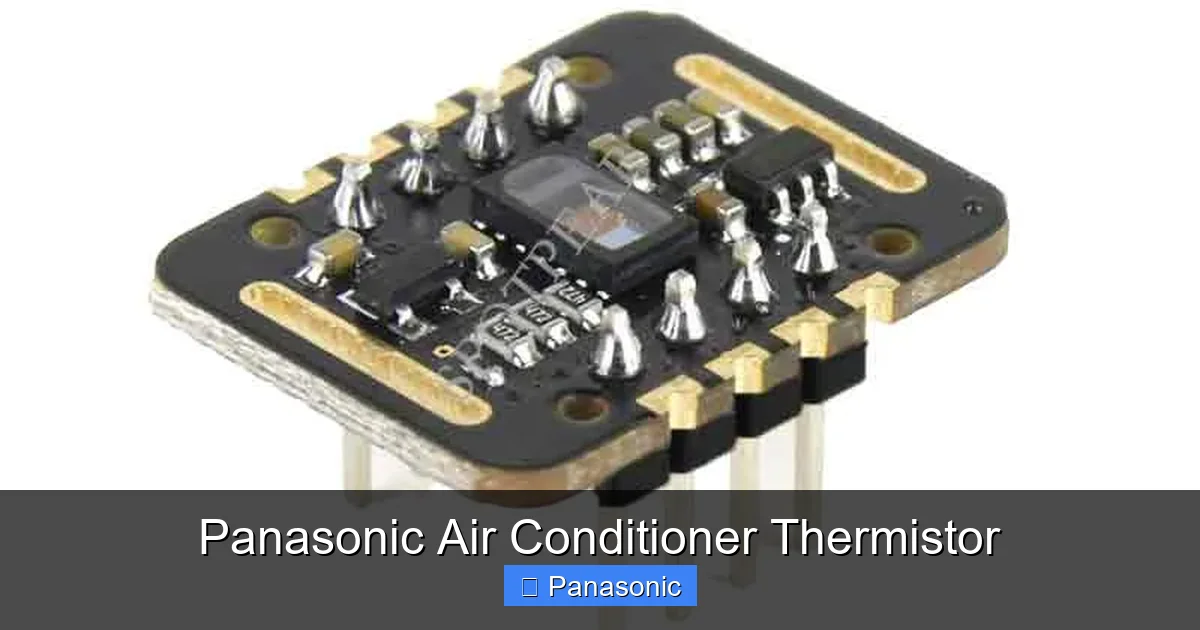
Visual guide about Panasonic Air Conditioner Thermistor
Image source: cdn.static.spotpear.cn
At its core, the thermistor is a temperature-sensing resistor. Its resistance changes as the temperature around it changes—a property known as thermosensitivity. Panasonic uses these sensors strategically throughout the air conditioning system to monitor key areas and make real-time adjustments.
How It Communicates with the Control Board
When the thermostat calls for cooling, the thermistor continuously sends temperature data to the air conditioner’s main control board. Based on this input, the board decides how fast the compressor should run, whether the fan should blow harder, or if the system needs to pause to prevent overcooling or overheating. Think of the thermistor as the nervous system of your AC—it senses what’s happening and tells the brain (the control board) how to respond.
Indoor vs. Outdoor Thermistors
Panasonic air conditioners typically have at least two thermistors: one inside (indoor) and one outside (outdoor). The indoor thermistor usually sits near the evaporator coil inside the unit—often behind the front panel or inside the air handler. It measures the temperature of the air returning from your home. The outdoor thermistor, located near the condenser coil, keeps an eye on the ambient temperature outside.
By comparing these two readings, the system determines the temperature difference (or delta-T), which helps calculate how much cooling is needed. This precision prevents short-cycling—where the AC turns on and off too frequently—and ensures steady, consistent comfort.
Why the Panasonic Air Conditioner Thermistor Matters
You might be wondering: “Can’t my AC just guess when to cool?” Not really. Without accurate temperature sensing, your air conditioner would operate blindly. It could undercool or overcool your space, waste electricity, or even damage internal components due to incorrect pressure readings.
Energy Efficiency and Comfort
A well-functioning thermistor helps Panasonic units achieve high Energy Star ratings. By responding quickly to temperature changes, the system avoids unnecessary runtime. For example, if the room temperature drops just a few degrees below the set point, the thermistor signals the compressor to slow down or stop. This reduces wear and tear and lowers your monthly bill.
Protection Against Overheating
The outdoor thermistor also acts as a safety guard. If the ambient temperature spikes—say, during a heatwave—the sensor detects rising conditions and may trigger the system to reduce compressor load or shut down temporarily to prevent overheating. This protects the compressor, a costly component to replace, and extends the life of your entire unit.
Smart Integration with Modern Features
Many Panasonic models come with inverter technology, which relies heavily on thermistor feedback. Inverter compressors adjust speed dynamically based on demand. The thermistor provides the real-time data needed for this precision control. Without it, the inverter can’t optimize performance, leading to inconsistent cooling and higher energy use.
Common Symptoms of a Failing Thermistor
Like any sensor, thermistors can degrade over time due to heat exposure, dust buildup, or electrical stress. When this happens, your air conditioner may behave strangely. Here are some signs that your Panasonic AC’s thermistor might need attention:
Inconsistent Cooling
If your home feels warm in certain rooms or the AC runs nonstop without reaching the desired temperature, the thermistor may be sending false readings. Instead of detecting the actual room temperature, it might think the air is cooler than it is, causing the system to overwork.
Frequent On/Off Cycling
Short cycling—where the AC turns on and off every few minutes—can result from a faulty thermistor misreporting temperature changes. This not only reduces comfort but also strains the compressor, potentially leading to premature failure.
Error Codes and Display Alerts
Modern Panasonic units often display error codes when sensors malfunction. For instance, “E1,” “E2,” or “P0” may appear on the remote or control panel. These codes frequently point to thermistor issues. Consulting your user manual or contacting a technician can help confirm the cause.
No Cooling at All
In rare cases, a completely failed thermistor can prevent the system from starting. Since the control board doesn’t receive valid temperature data, it may assume unsafe conditions and lock out operation for protection.
Where to Find the Thermistor in Your Panasonic AC
Knowing where to look is half the battle when diagnosing or replacing a thermistor. While exact locations vary by model, here’s a general guide:
Indoor Unit (Wall-Mounted or Cassette)
– Open the front panel gently.
– Locate the evaporator coil—usually silver and finned.
– Behind or beside the coil, you’ll see a small black or white probe connected by a wire harness.
– This is the indoor thermistor. It’s often tucked near insulation or foam for protection.
Outdoor Unit (Condenser Side)
– Remove the outer cover by unscrewing clips or bolts.
– Look near the top or side of the condenser coil.
– You’ll spot a similar probe mounted on a bracket, protected by a plastic sheath.
Always disconnect power before inspecting or handling internal components. Safety first!
How to Test and Replace a Panasonic Air Conditioner Thermistor
While professional diagnosis is recommended, understanding basic testing procedures can help you determine if a thermistor is worth replacing.
Using a Multimeter
A digital multimeter can measure resistance, which changes with temperature. Here’s a simple method:
1. Turn off the AC and remove power.
2. Disconnect the thermistor from the wiring harness.
3. Set your multimeter to ohms (Ω).
4. Touch the probes to the thermistor leads.
5. Compare the reading to the resistance chart in your service manual.
For example, a typical NTC (negative temperature coefficient) thermistor might read around 10kΩ at 25°C (77°F). If the value is wildly off or shows infinite resistance, the sensor is likely broken.
Replacing the Thermistor
Replacement is straightforward if you have the correct part. Panasonic thermistors are usually labeled with part numbers like “KNTC” followed by digits. Always verify compatibility using your model number.
Steps:
– Power off and unplug the unit.
– Remove the front panel or access cover.
– Unclip or unscrew the old thermistor.
– Install the new one in the same position.
– Reassemble and restore power.
Pro tip: Use thermal paste sparingly if resealing connections—but most modern designs don’t require it.
Preventative Maintenance for Optimal Performance
Even if your thermistor isn’t failing, regular maintenance ensures it stays accurate and reliable.
Clean Surrounding Areas
Dust and debris can insulate the thermistor, causing delayed or inaccurate readings. Gently vacuum or wipe the sensor area during seasonal tune-ups.
Check Wiring Connections
Loose or corroded wires can mimic thermistor failure. Inspect harnesses for fraying, especially in outdoor units exposed to weather.
Schedule Annual Servicing
A certified technician can calibrate sensors, check refrigerant levels, and ensure all components work together seamlessly. This prevents minor issues from becoming major repairs.
Update Firmware (if applicable)
Some newer Panasonic models support firmware updates via Wi-Fi. Check the manufacturer’s website for improvements related to sensor accuracy or energy optimization.
When to Call a Professional
While thermistor replacement is DIY-friendly, complex issues warrant expert help. If your system displays multiple error codes, has refrigerant leaks, or shows signs of electrical damage, contact a licensed HVAC technician. They can diagnose hidden problems and ensure your replacement part integrates properly with the rest of the system.
Additionally, if you’re unsure about voltage levels, wiring diagrams, or calibration procedures, it’s safer to leave it to the pros. Improper handling could void your warranty or create safety hazards.
Conclusion: The Small Sensor with a Big Impact
The Panasonic air conditioner thermistor may be small, but its role is enormous. It’s the silent guardian of your home’s comfort, efficiency, and longevity. By accurately measuring temperature, it enables precise control, prevents energy waste, and protects your investment.
Whether you’re troubleshooting a warm room, noticing strange cycles, or simply want to understand your AC better, knowing about the thermistor empowers you to make informed decisions. With proper care and occasional checks, this humble component will keep doing its job—cooling your home, saving money, and running smoothly for years to come.
Remember: when it comes to your Panasonic air conditioner, every degree counts—and so does every sensor.
Frequently Asked Questions
What does “NTC” mean on a Panasonic thermistor?
NTC stands for Negative Temperature Coefficient, meaning the resistance decreases as temperature increases. Panasonic uses NTC thermistors because they provide stable, linear readings ideal for precise HVAC control.
How often should I check my thermistor?
There’s no strict schedule, but inspect it during annual maintenance or if you notice performance issues. Routine cleaning around the sensor area helps prevent dust buildup that could skew readings.
Can a dirty thermistor cause poor cooling?
Yes. Dust or grime on the sensor can insulate it, delaying temperature detection and causing the AC to overwork or underperform. Gently wiping the probe during cleaning can restore accuracy.
Is it safe to touch the thermistor with bare hands?
Yes, but avoid touching the metal probe directly with wet hands. Moisture can affect readings or cause corrosion over time. Use dry gloves or tweezers when handling during replacement.
Will replacing the thermistor fix all AC problems?
Not necessarily. While a faulty thermistor causes specific symptoms, other issues like low refrigerant, clogged filters, or electrical faults may mimic its failure. Proper diagnosis is key.
Do all Panasonic AC models use thermistors?
Most modern Panasonic residential and light commercial units include at least one thermistor per unit (indoor and outdoor). Older models may use simpler switches instead, but today’s systems rely heavily on precise sensor feedback.
