Title: Outside Ac Compressor : Essential Maintenance Guide
Outside AC Compressor
An outside AC compressor, or air conditioning compressor, plays a vital role in keeping your home cool and comfortable during the warmer months. If you are in Austin, Texas, United States, and experiencing issues with your AC compressor, it's essential to understand how it works and when to consider replacement.
Signs Your AC Compressor Needs Attention
Hearing unusual noises like ticking, rattling, or less air flow.
Feeling warmer air coming from your vents.
Noticing refrigerant leaks or the circuit breaker tripping frequently.
Vibrations or rumbling sounds when the unit starts up.
Diagnosing AC Compressor Problems
If your AC is not working correctly, it's essential to check various components:
Checkpoints Actions
Check Voltage Ensure the unit is receiving adequate power.
Check Fuses and Breakers Inspect for any blown fuses or tripped breakers.
Inspect Wiring Verify the wiring connections are secure.
Isolate Compressor Determine if the issue lies with the compressor.
Check Terminals Test terminals for any grounding issues.
Cost of Compressor Replacement
When considering the cost of replacing an outdoor air conditioner compressor, prices can vary. Typical ranges could be:
Low-end replacements starting at $459.
Mid-range compressors may cost around $1200 to $1800.
Higher-end units can go up to $2000 and above.
Note: Market prices have risen since the early 2020s; expect the above ranges to be higher in 2026.
Longevity of AC Compressors
Generally, an AC compressor should last around twelve years with proper maintenance. Consider replacing your compressor if it's more than a decade old to avoid further costly repairs.
Preventive Maintenance Checklist
Regular upkeep can extend compressor life well beyond the average span. A concise checklist you can follow each season includes:
- Clear debris and vegetation at least 2 ft around the condenser.
- Rinse the coil fins gently with a garden hose (avoid pressure washers).
- Verify that the fan blades spin freely and are not bent.
- Check refrigerant line insulation for cracks or moisture.
- Confirm the disconnect box and breaker are tight and corrosion‑free.
- Record the date and any observations for future reference.
For a more detailed seasonal plan, see the seasonal upkeep checklist. Pairing coil cleaning with optimal cooling settings can shave 5‑10 % off summer electricity use.
Choosing a Replacement Compressor
When the compressor fails, matching the new unit to your existing system is critical. Consider the following:
- Capacity match – the replacement must have the same BTU/ton rating.
- Refrigerant type – most modern units use R‑410A; older R‑22 systems require a full retrofit.
- Warranty terms – look for at least a 5‑year parts warranty from the manufacturer.
- Compatibility with existing controls – variable‑speed or two‑stage compressors may need a matching thermostat.
Guidance on selecting the right system can be found in the article on selecting the right system. If you are installing a central system, the central system installation basics provide a useful overview of required clearances and electrical specs.
Location of Outdoor Compressor
The outdoor AC compressor, also known as the condensing unit, should typically be placed outside to reject heat. Remember to clean the unit regularly for optimal performance.

Outdoor condenser unit mounted on a level pad
Credit: www.calameo.com
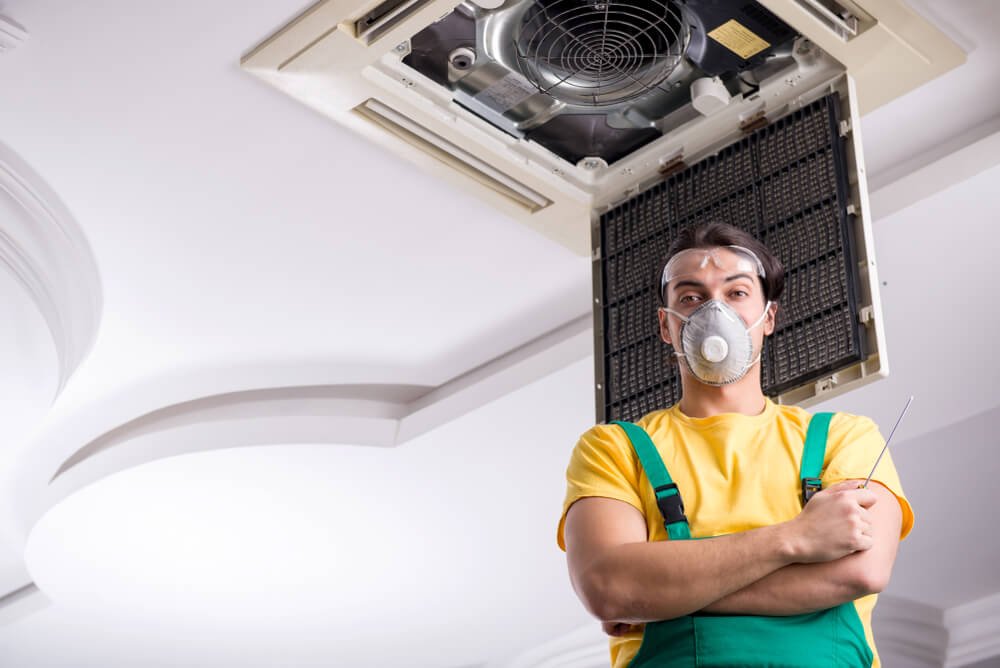
Cleaning the condenser coils improves heat rejection
Credit: www.austingsmechanical.com
Energy Efficiency and SEER2 Considerations
Modern efficiency standards (SEER2) affect both operating cost and compressor selection. Higher SEER2 ratings generally mean a variable‑speed compressor that modulates capacity, reducing short‑cycling and wear. The U.S. ENERGY STAR program publishes current minimum SEER2 requirements for each region; you can review them at ENERGY STAR. Aligning your thermostat schedule with the compressor’s modulation curve — see optimal cooling settings — maximizes the efficiency gains.
Common Mistakes to Avoid
Even well‑intentioned DIY work can shorten compressor life. Watch for these frequent errors:
- Skipping coil cleaning – dust buildup forces the compressor to run hotter and longer.
- Over‑charging refrigerant – excess pressure damages the compressor’s internal valves.
- Ignoring electrical connections – loose lugs cause voltage drops that overheat windings.
- Using the wrong capacitor – a mismatched run capacitor leads to hard starts and premature failure.
- Neglecting condensate drain – water backup can flood the electrical compartment.
If you suspect a condenser issue, the guides on condenser coil cleaning and diagnosing condenser issues walk through safe inspection steps.
https://www.youtube.com/watch?v=-dWLTZDOAzQ
Frequently Asked Questions Of Outside Ac Compressor : Essential Maintenance Guide
How Much Does It Cost To Replace An Outdoor Air Conditioner Compressor?
The cost to replace an outdoor air conditioner compressor varies, but it usually ranges from $1,000 to $2,000. It's essential to consider the age of the unit, as older systems may require additional repairs, making it more cost-effective to replace the entire unit.
Regular maintenance and proper sizing can help extend the lifespan of the compressor, which typically lasts around 12 years.
How Do I Know If My Outdoor Ac Compressor Is Bad?
If you hear ticking, rattling, or see less airflow, your outdoor AC compressor might be bad. Warmer air, refrigerant leaks, tripping breakers, and vibrations are also signs of a bad compressor. It's usually not worth replacing a compressor in an AC unit over 10 years old.
An AC compressor typically lasts about 12 years.
Is It Worth Replacing Compressor On Ac Unit?
Yes, if your AC unit is less than a decade old, it's worth replacing the compressor. But, if it's over ten years old, it's better to replace the whole unit, as other parts are likely to fail soon. Regular maintenance can extend the compressor's lifespan to about twelve years.
How Long Do Outdoor Ac Compressors Last?
An outdoor AC compressor typically lasts for about twelve years, or even longer with proper maintenance. However, its lifespan may be shortened if the air conditioner is undersized for the space it's cooling or if it's not well-maintained. Regular maintenance can help extend the life of the compressor.
What basic maintenance can I perform myself?
You can safely clear debris, rinse the coil fins, check the fan blade, and verify that the disconnect is tight. Always shut off power at the breaker before opening the unit.
When should I call a professional?
If you hear persistent hard‑start noises, see oil stains near the compressor, or the breaker trips repeatedly after a reset, a licensed HVAC technician should evaluate the system.
How does SEER2 affect my compressor choice?
SEER2 ratings reflect real‑world efficiency under new test conditions. Choosing a compressor that meets or exceeds the current regional SEER2 minimum ensures compliance and lower operating costs.
Conclusion
Understanding the significance of your outside AC compressor and knowing when to replace it can save you from discomfort and unnecessary expenses. Regular maintenance and prompt attention to any issues will keep your home cool and your AC unit functioning efficiently.
Ready to protect your investment? Contact a certified HVAC technician for a comprehensive system check.