Title: New HVAC Systems: Unveil Cutting-Edge Comfort Solutions
New HVAC Systems: Everything You Need to Know
Are you thinking about getting a new HVAC system? HVAC stands for Heating, Ventilation, and Air Conditioning. This system helps keep your home warm in the winter and cool in the summer. In this blog post, we will talk about new HVAC systems. You will learn how they work, their benefits, and tips for maintenance.
What is an HVAC System?
An HVAC system is a machine that controls the temperature and air quality in your home. It has three main parts:
Heating: This part warms up your home when it's cold outside.
Ventilation: This part brings fresh air into your home and removes stale air.
Air Conditioning: This part cools down your home when it's hot outside.
How Does an HVAC System Work?
The HVAC system uses a series of ducts to move air around your home. Here is a simple explanation of how it works:
Heating: The system burns fuel or uses electricity to create heat. This heat is then blown through the ducts into your rooms.
Ventilation: Fresh air from outside is pulled into the system. It is then filtered to remove dust and allergens before being blown into your home.
Air Conditioning: The system removes heat from the air inside your home. It then blows cool air through the ducts into your rooms.
https://www.youtube.com/watch?v=9OGIYQlIGYA
Benefits of a New HVAC System
Getting a new HVAC system has many benefits. Here are some of the most important ones:
Better Air Quality: New systems have better filters. These filters remove more dust, pollen, and allergens from the air.
Energy Efficiency: New systems use less energy. This means you will save money on your energy bills.
Comfort: New systems heat and cool your home more evenly. This means you will be more comfortable all year round.
Quiet Operation: New systems are quieter. This means you will not be disturbed by loud noises.
Environmentally Friendly: New systems use less fuel and produce fewer emissions. This means they are better for the environment.
Key Technologies in 2026 HVAC Systems
Modern equipment now ships with variable‑speed compressors, smart‑sensor airflow balancing, and low‑GWP refrigerants that meet the latest SEER2 and HSPF2 standards. In practice, a variable‑speed compressor can modulate capacity in 1 % increments, which reduces short‑cycling and improves humidity control. Many manufacturers also integrate Wi‑Fi‑enabled control boards that allow remote diagnostics via a mobile app. For a deeper look at these advances, see the latest cooling innovations and innovative system designs. The U.S. Department of Energy publishes updated performance guidelines that reflect these changes. For more on this, see our guide on what are the best hvac air conditioning systems.
Tips for Maintaining Your New HVAC System
To keep your new HVAC system running smoothly, you need to take care of it. Here are some simple tips for maintaining your system:
Change the Filters: Change the filters every three months. This will help keep the air in your home clean.
Clean the Ducts: Have the ducts cleaned once a year. This will help remove dust and allergens.
Schedule Regular Maintenance: Have a professional check your system twice a year. This will help catch any problems early.
Keep the Area Around the System Clean: Make sure there is no clutter around the system. This will help it run more efficiently.
Check the Thermostat: Make sure the thermostat is working properly. This will help keep your home at the right temperature.
Seasonal Maintenance Checklist
A practical checklist helps you stay on track throughout the year. In spring, verify refrigerant charge, clean the outdoor coil, and test the condensate drain. Summer calls for checking airflow at each register and confirming the thermostat schedule. In fall, inspect the heat exchanger for cracks, lubricate moving parts, and run a heating cycle test. Winter maintenance includes clearing snow from the outdoor unit and confirming defrost operation. Following a seasonal maintenance checklist ensures you catch issues before they become costly repairs.
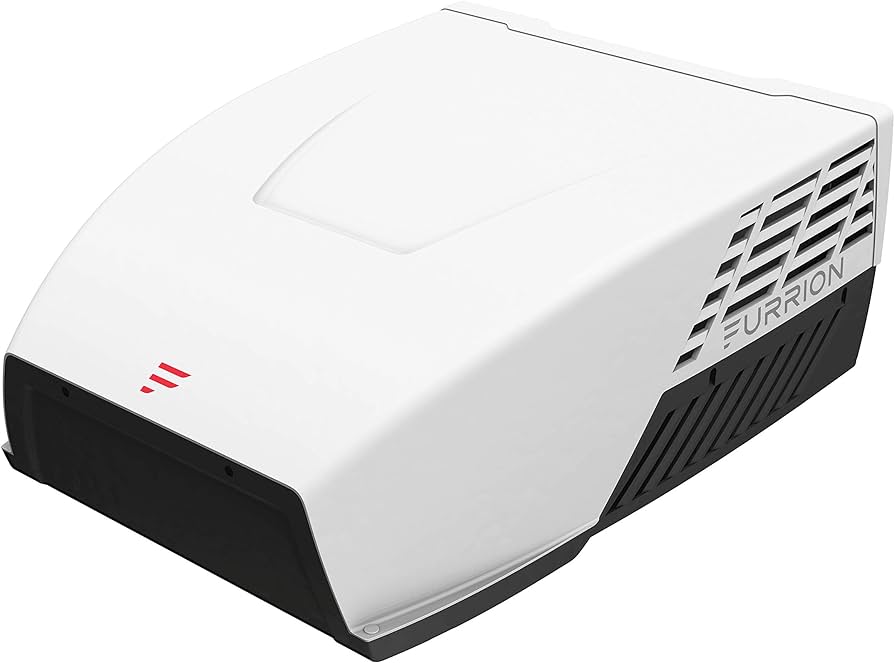
Credit: otthvac.com A high-efficiency HVAC system ready for installation
Choosing the Right HVAC System for Your Home
When choosing a new HVAC system, there are a few things to consider:
Size: Make sure the system is the right size for your home. A system that is too small will not heat or cool your home properly. A system that is too big will use more energy than necessary.
Efficiency: Look for a system with a high efficiency rating. This will help you save money on your energy bills.
Features: Some systems come with extra features, like programmable thermostats or air purifiers. Consider what features are important to you.
Cost: Consider the cost of the system and installation. Make sure it fits within your budget.
Understanding Efficiency Ratings (SEER2, HSPF2, AFUE)
SEER2 measures cooling efficiency over a full season, HSPF2 rates heating performance for heat pumps, and AFUE expresses furnace fuel utilization. Higher numbers mean lower operating costs, but the upfront price also rises. As a rule of thumb, a SEER2 of 16 or above delivers strong savings in most climates. ENERGY STAR certified equipment meets strict criteria for both SEER2 and HSPF2, making it a reliable benchmark when comparing models. For a side‑by‑side view of top residential HVAC picks, review the latest product roundups.
Rebates, Tax Credits, and Financing Options
Federal tax credits under the Inflation Reduction Act can cover up to 30 % of qualified heat‑pump installations, capped at $2,000 per year. Many states and utilities add instant rebates for high‑efficiency units, and some manufacturers offer low‑interest financing through approved contractors. Before signing a contract, ask your installer to itemize all available incentives and provide a written estimate that separates equipment, labor, and permit fees. Choosing the right air conditioner becomes easier when you factor total cost of ownership rather than sticker price alone.
System Type Comparison
| System Type | Typical Installation | Best For | Approx. SEER2 Range | Notable Pros | Notable Cons |
|---|---|---|---|---|---|
| Central Air (split) | Ductwork required | Whole‑home cooling & heating | 14‑22 | Uniform temperature, hidden equipment | Duct losses, higher install cost |
| Ductless Mini‑Split | No ducts, wall‑mounted heads | Add‑on zones, retrofits | 16‑30 | Zoned control, high efficiency | Visible indoor units |
| Air‑Source Heat Pump | Similar to central | Year‑round heating & cooling | 15‑24 | Single system for both modes | Performance drops in extreme cold |
| Geothermal (Ground‑Source) | Ground loop excavation | Maximum efficiency, long‑term ownership | 20‑30+ | Lowest operating cost, quiet | Very high upfront cost, site‑dependent |
For detailed installation steps, see central AC installation steps, split system installation guide, and general AC installation overview.
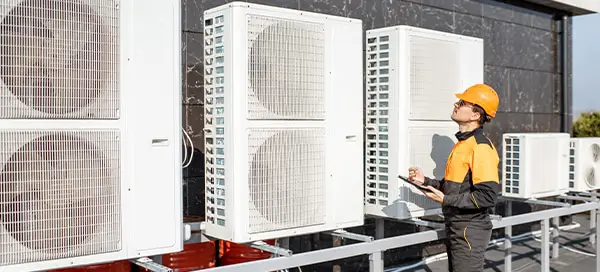
Credit: www.achrnews.com Various residential air conditioner models on display
Frequently Asked Questions
What Is Hvac?
HVAC stands for Heating, Ventilation, and Air Conditioning.
How Does Hvac Work?
HVAC systems regulate indoor temperature and air quality.
Why Is Hvac Maintenance Important?
Regular maintenance ensures efficiency and longevity.
How Often Should Hvac Be Serviced?
Service HVAC systems at least twice a year.
What Are SEER2 and HSPF2?
SEER2 and HSPF2 are the 2023‑updated efficiency metrics for cooling and heating performance, respectively. They replace the older SEER/HSPF ratings and reflect more realistic operating conditions.
Can I Install a Heat Pump in a Cold Climate?
Yes. Modern cold‑climate heat pumps maintain capacity down to -15 °F, but proper sizing and supplemental heat are essential.
Are There Financing Programs for High‑Efficiency Systems?
Many utilities and state energy offices offer low‑interest loans or on‑bill financing for ENERGY STAR qualified equipment.
Conclusion
Getting a new HVAC system is a big decision. It can make your home more comfortable and save you money on your energy bills. Remember to choose the right system for your home and take care of it with regular maintenance. If you follow these tips, you will enjoy the benefits of your new HVAC system for many years to come.
We hope this guide has helped you understand new HVAC systems better. If you have any questions, feel free to ask in the comments below. Stay comfortable!
Ready to upgrade? Explore our HVAC blog archive for deeper guides on selection, installation, and maintenance.