Mini Split HVAC Units: Ultimate Guide to Efficient Cooling
Mini Split HVAC Units: A Complete Guide
What Are Mini Split HVAC Units?
Mini split HVAC units are heating and cooling systems. They are also known as ductless systems. These units do not need ductwork to function.
They consist of two main parts: an indoor unit and an outdoor unit. The indoor unit is mounted on a wall inside your home. The outdoor unit is installed outside your house.
How Do Mini Split HVAC Units Work?
The indoor unit has a fan and evaporator coil. The outdoor unit has a compressor and condenser coil.
Refrigerant travels between the indoor and outdoor units. It absorbs heat from inside your home and releases it outside. This process cools your home in the summer.
In the winter, the system works in reverse. It absorbs heat from outside and releases it inside. This process warms your home.
Benefits of Mini Split HVAC Units
Energy Efficiency: These units are very energy efficient. They only cool or heat the rooms you use. This saves energy and money.
Easy Installation: No ductwork is needed. Installation is quick and easy.
Quiet Operation: They are quieter than traditional HVAC systems. The noisy parts are outside your home.
Flexibility: Each unit can be controlled separately. You can set different temperatures in different rooms.
Improved Air Quality: These units have filters that remove dust and allergens from the air.
Types of Mini Split HVAC Units
There are two main types of mini split systems: single-zone and multi-zone.
Type Description Best For
Single-Zone One indoor unit connected to one outdoor unit. One room or a small area.
Multi-Zone Multiple indoor units connected to one outdoor unit. Multiple rooms or a large area.
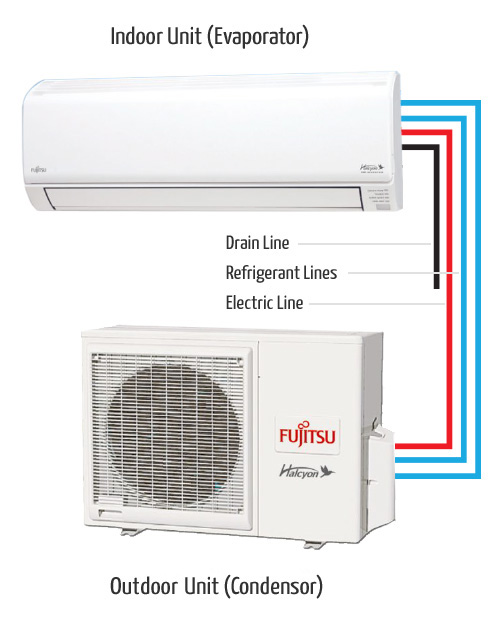
Indoor wall‑mounted unit paired with its outdoor condenser.
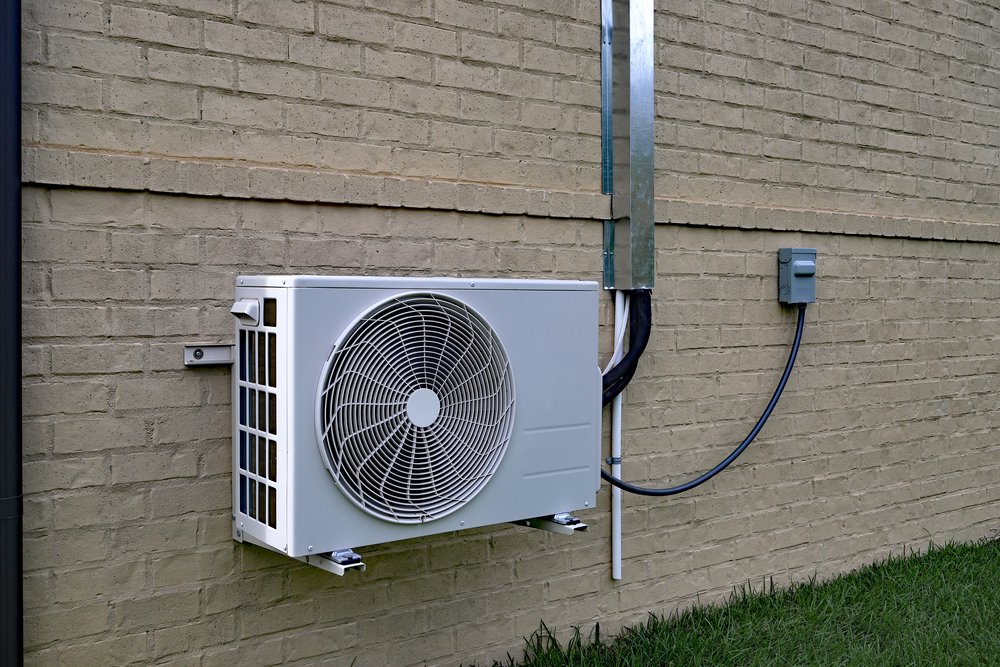
Diagram of a ductless mini‑split showing refrigerant piping and control wiring.
https://www.youtube.com/watch?v=CF-yoAeGXyE
Sizing and Load Calculation
Proper sizing prevents short‑cycling and ensures comfort. Perform a Manual J load calculation (or use an online calculator) that accounts for square footage, insulation, window orientation, and local climate. Oversized units waste energy; undersized units struggle on extreme days. For a quick reference, a 9,000 BTU unit typically covers 350–450 sq ft, while a 12,000 BTU unit handles 450–550 sq ft. Always confirm with a licensed installer.
Cost, Rebates, and Incentives
Equipment cost for a single‑zone system ranges from $1,500–$3,500 (unit only) plus $1,000–$2,500 for professional installation. Multi‑zone setups add $800–$1,500 per additional indoor head. Many utilities and state programs offer rebates of $200–$1,000 for Energy Star certified mini splits; check the Energy Star product finder. The U.S. Department of Energy also publishes regional incentive guides — see their ductless heating and cooling page for current offers.
How to Choose the Right Mini Split HVAC Unit
Consider the size of the area you need to heat or cool. Choose the right type of unit based on your needs.
Look for units with high energy efficiency ratings. Check the Seasonal Energy Efficiency Ratio (SEER) rating. A higher SEER rating means better efficiency.
Make sure the unit has the features you need. Some units have advanced features like Wi-Fi control and programmable settings.
Smart Controls and Connectivity
Modern mini splits often include built‑in Wi‑Fi or support third‑party hubs (Google Home, Alexa, HomeKit). Look for models with a dedicated app that lets you set schedules, monitor energy use, and receive filter‑change alerts remotely. Integration with a whole‑home energy manager can further optimize run‑time based on real‑time electricity rates.
Comparison Table: Mini Split vs. Central vs. Window Units
| Feature | Mini Split (Ductless) | Central Ducted | Window / Portable |
|---|---|---|---|
| Installation complexity | Low (no ducts) | High (ductwork) | Very low |
| Zoning flexibility | Per‑room control | Whole‑home or zone dampers | Single room only |
| Typical SEER (2026) | 20–30+ | 14–22 | 10–14 |
| Noise (indoor) | 19–30 dB | 30–45 dB | 45–60 dB |
| Upfront cost (single zone) | $2,500–$6,000 installed | $5,000–$12,000 installed | $150–$600 |
Installation Process
Hire a professional to install your mini split system. Proper installation is important for the system to work well. <pThe installer will mount the indoor unit on a wall. They will install the outdoor unit outside your home.
They will connect the indoor and outdoor units with refrigerant lines. They will also connect the system to your electrical supply.
After installation, the installer will test the system. They will make sure it is working properly.
Installation Best Practices and Code Considerations
- Verify that the outdoor unit has at least 12 in. clearance on all sides for airflow.
- Use a dedicated 208/230 V circuit with a disconnect within sight of the condenser (NEC 440.14).
- Insulate refrigerant lines with ½‑in. closed‑cell foam to prevent condensation and capacity loss.
- Follow manufacturer‑specific torque specs for flare connections; over‑tightening causes leaks.
- For brand‑specific steps, see the Mitsubishi installation steps or the general split‑system installation guide.
Maintenance Tips
Clean the Filters: Clean the filters every month. This will keep the air quality high and the system running efficiently.
Check the Outdoor Unit: Make sure the outdoor unit is free of debris. Clear any leaves, dirt, or snow from around the unit.
Schedule Annual Maintenance: Have a professional inspect your system once a year. They will check for any issues and perform necessary maintenance.
Seasonal Maintenance Checklist
- Spring: Clean coils, verify refrigerant charge, test heating mode.
- Summer: Inspect condensate drain, tighten electrical connections.
- Fall: Remove debris, check defrost cycle operation.
- Winter: Ensure outdoor unit is clear of snow/ice; run heating briefly each month.
For a detailed calendar, refer to the seasonal upkeep checklist.
Common Problems and Solutions
Mini split systems can have some common problems. Here are a few and their solutions:
Unit Not Cooling or Heating: Check the thermostat settings. Make sure the unit is set to the correct mode.
Strange Noises: Check for loose parts. Tighten any loose screws or bolts.
Water Leaks: Check the drain line. Make sure it is not clogged or blocked.
Advanced Troubleshooting Tips
- Error codes: Consult the service manual; many brands flash a code on the indoor display.
- Low refrigerant: Only a certified tech should recharge; look for oil residue at flare joints.
- Communication loss: Power‑cycle both units, then verify wiring continuity on the communication cable.
- Frost buildup on indoor coil: Often caused by dirty filters or low airflow — clean filters first, then check fan speed setting.
Frequently Asked Questions
What Is A Mini Split Hvac Unit?
A mini split HVAC unit is a ductless heating and cooling system.
How Does A Mini Split Work?
It uses an outdoor compressor and indoor air-handling units.
Are Mini Splits Energy-efficient?
Yes, mini splits are highly energy-efficient, saving on energy costs.
Can Mini Splits Heat And Cool?
Yes, they provide both heating and cooling.
What SEER rating should I target in 2026?
Aim for SEER ≥ 20 for cooling and HSPF ≥ 10 for heating to qualify for most rebates and achieve low operating cost.
Do mini splits work in very cold climates?
Cold‑climate models (rated down to ‑15 °F / ‑26 °C) use enhanced vapor‑injection compressors. Verify the low‑temperature performance data before purchasing.
How long does a mini split last?
With proper maintenance, 15–20 years is typical for the compressor; indoor heads often exceed 20 years.
Can I install a mini split myself?
DIY is possible for experienced electricians, but refrigerant handling requires EPA‑608 certification. Most warranties require professional installation.
Conclusion
Mini split HVAC units are a great choice for heating and cooling your home. They are energy efficient, easy to install, and quiet. They offer flexibility and improved air quality. Choose the right unit for your needs and maintain it properly. This will ensure your system works well for many years.
Ready to improve comfort? Explore our guide on selecting the right system for your home.