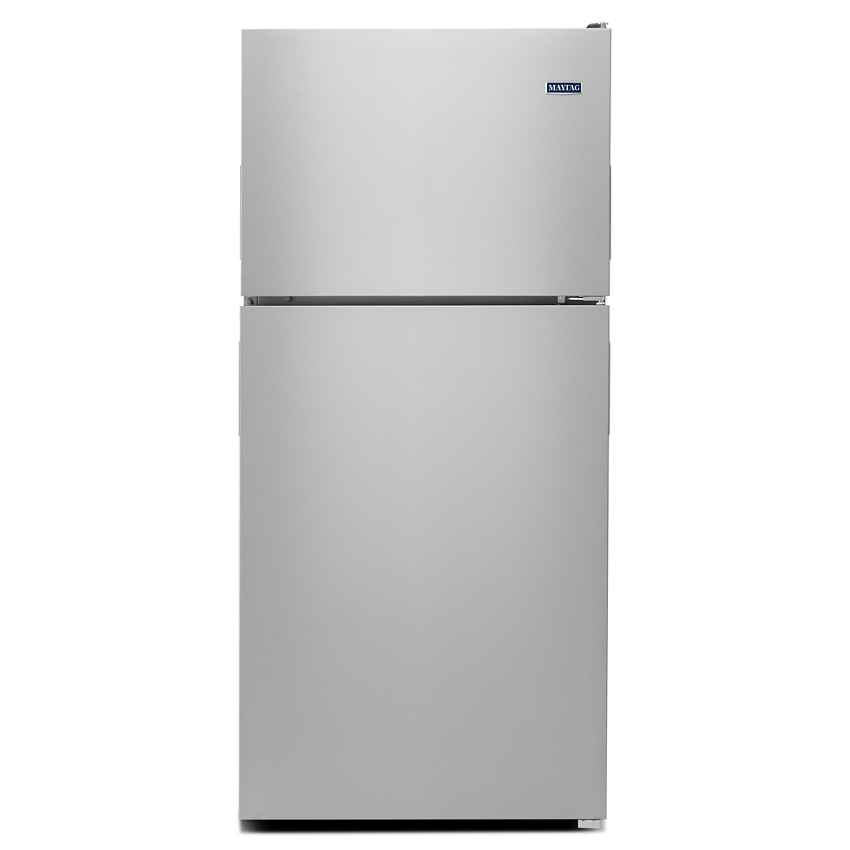
Maytag Refrigerator is Not Cooling: Troubleshooting Guide
If your Maytag refrigerator is not cooling, it can be a big problem. Food can spoil quickly. This guide will help you find the cause. We will also discuss solutions. Let’s dive in!
Common Reasons for Cooling Problems
There are many reasons why your refrigerator may not cool. Here are some of the most common:
Power Issues: The fridge might not be getting power.
Thermostat Settings: The thermostat might be set too high.
Condenser Coils: Dirty coils can cause cooling issues.
Door Seals: Worn-out seals let warm air in.
Fan Problems: The fan may not be working.
Blocked Vents: Air vents might be blocked.
Defrost System: A faulty defrost system can cause problems.
Safety First: Before You Start
Always unplug the refrigerator before cleaning coils, inspecting fans, or testing electrical components. Wear gloves when handling sharp sheet-metal edges near the condenser. If you’re uncomfortable with live-voltage checks (outlet testing, compressor relay), stop and call a licensed technician. A common mistake is skipping the unplug step — in practice, that’s how minor repairs turn into shocks or shorted control boards. For more on this, see our guide on air conditioner running but not cooling.
Checking Power Issues
First, check if your refrigerator is plugged in. Look for the power cord. Make sure it is not damaged. If it is plugged in, check the outlet. You can test it with another device. If the outlet does not work, check your home’s circuit breaker.
Tools That Make the Job Easier
Keep a flashlight, a coil brush (or long soft-bristle brush), a vacuum with a crevice tool, a multimeter for continuity checks, and a small nut-driver set nearby. Having them ready avoids multiple trips to the hardware store mid-repair. For more on this, see our guide on hvac air conditioner not cooling.
Inspecting the Thermostat Settings
Next, check the thermostat setting. The thermostat controls the temperature. Make sure it is set to the right level. A good temperature is around 37°F (3°C). If it is set too high, it will not cool properly.
https://www.youtube.com/watch?v=8mLEbAIUFEQ
Cleaning the Condenser Coils
Dirty condenser coils can cause cooling problems. The coils are usually at the back or bottom of the fridge. Dust and dirt can build up on them. Clean the coils with a vacuum or a brush. This helps the refrigerator work better. For more on this, see our guide on ac cooling upstairs but not downstairs.
How Often Should You Clean Coils?
In a typical home, every 6–12 months is sufficient. Homes with shedding pets or dusty environments (near construction, sandy areas) benefit from quarterly cleaning. A quick visual check during seasonal maintenance — similar to the routine upkeep you’d schedule for any major appliance — takes 30 seconds and prevents the compressor from overworking.
Checking Door Seals
The door seals are important. They keep cold air inside. Inspect the seals for cracks or tears. If you see any damage, replace the seals. You can test the seals with a piece of paper. Close the door on the paper. If you can pull it out easily, the seals need repair.
Examining the Fan
The fan helps circulate cool air. If the fan is not working, the fridge will not cool. Listen for the fan noise. If you don’t hear it, check the fan motor. Make sure it is clean and free of dust. If the fan is broken, it will need replacement.
Checking for Blocked Vents
Air needs to flow inside the fridge. Check for blocked vents. Items in the fridge can block airflow. Rearrange items to ensure good airflow. This helps maintain a cool temperature.
Defrost System Issues
The defrost system removes frost from the coils. If it does not work, frost builds up. This can block airflow and cause cooling problems. Look for ice buildup in the freezer. If you see frost, the defrost system may need repair.
Beyond the Basics: Control Board & Main Board Failures
On many Maytag models built after 2015, the adaptive defrost control lives on the main control board rather than a separate timer. If the board fails, the defrost heater never energizes, and you’ll see a solid ice block behind the rear freezer panel. A multimeter check of the heater and bi-metal thermostat can rule out those parts; if both test good, the board is the likely culprit. Replacing a control board is plug-and-play on most units, but verify the part number against your model tag (usually on the left refrigerator wall or ceiling) before ordering.
Steps to Take If the Fridge is Still Not Cooling
If you have checked everything and the fridge is still not cooling, here are some steps to take:
Unplug the refrigerator for a few minutes.
Plug it back in and check for cooling.
If it is still warm, call a professional.
Keep food in another fridge or cooler.
Document what you checked for the technician.
When to Call a Professional
Sometimes, you need help from a professional. Call a technician if:
You cannot find the problem.
The fridge is making strange noises.
You see leaks or water damage.
Parts need to be replaced.
Warranty & Cost Check Before You Book
Locate your model and serial number, then visit the manufacturer’s support portal to confirm warranty status — many Maytag sealed-system components carry a 5–10 year parts warranty. If the unit is out of warranty, ask the technician for a flat-rate diagnostic fee upfront; in 2026, typical sealed-system repairs (compressor, evaporator, condenser) often exceed the value of refrigerators older than 10 years, making replacement the smarter financial move.
 Condenser coil cleaning — the single most effective DIY maintenance task for restoring cooling performance.
Preventive Tips to Keep Your Fridge Running Smoothly
To avoid future problems, follow these tips:
Clean the condenser coils regularly.
Check the door seals often.
Set the thermostat correctly.
Keep the fridge organized to allow airflow.
Schedule regular maintenance with a technician.
Model-Specific Care Notes
French-door models with door-mounted ice makers (e.g., MFI2570FEZ, MFW2055FRZ) benefit from monthly ice-chute clearing to prevent frost dams that mimic cooling loss. Top-freezer units (e.g., MRT311FFFZ) have the condenser fan motor accessible from the rear — vacuum it annually. If you’re shopping for a replacement, the same principles that guide choosing the right air conditioner for your home apply: match capacity to household size, prioritize ENERGY STAR certification, and verify warranty terms before purchase.
Frequently Asked Questions
Why Is My Maytag Refrigerator Not Cooling?
Your Maytag refrigerator might not cool due to a faulty thermostat, dirty condenser coils, or a broken compressor.
How Can I Fix My Maytag Refrigerator Cooling Issue?
Start by cleaning the condenser coils. Check the temperature settings and ensure the vents are not blocked.
What Are Common Causes For Refrigerator Cooling Failure?
Common causes include a defective thermostat, malfunctioning compressor, or dirty condenser coils.
Should I Unplug My Maytag Refrigerator If It’s Not Cooling?
Unplugging your refrigerator can help reset the system. Wait a few minutes before plugging it back in.
How Do I Know If My Maytag Compressor Is Bad?
Listen for a click-hum-click cycle every 2–5 minutes — that’s the overload protector tripping on a locked rotor. No sound at all with power confirmed suggests a failed start relay or open compressor winding. Both require a multimeter and, usually, a professional.
Can a Clogged Water Filter Stop Cooling?
No. A clogged filter only reduces ice-maker and dispenser flow. It does not affect the refrigeration circuit.
What Temperature Should My Maytag Freezer Be Set At?
0°F (-18°C) is the FDA-recommended set point for safe long-term storage. Adjust in 1° increments and wait 24 hours between changes.
Conclusion
A Maytag refrigerator not cooling can be stressful. Follow this guide to find the problem. Check power, thermostat, coils, seals, fan, and vents. If you cannot fix it, call a professional. With care, your fridge will work well for years.
Remember, keeping your refrigerator clean and well-maintained is key. Regular checks can save you from future headaches. Proper care means your food stays fresh and safe. Take action today!
Next step: Bookmark this page and run through the coil-cleaning and seal-check steps this weekend — it’s the fastest way to protect your groceries and extend compressor life. For deeper dives on appliance efficiency, see our guide on the best air conditioning settings for energy efficiency, which covers similar load-reduction principles.