A leak sealer for HVAC is a quick and effective solution for repairing leaks in air conditioning systems. By sealing leaks promptly, you can prevent further damage and maintain optimal HVAC performance.
HVAC systems often develop leaks over time, which can lead to inefficiency and increased energy costs. Using a leak sealer is a cost-effective way to address this issue without the need for complex repairs. Whether you are a homeowner or a professional HVAC technician, having a reliable leak sealer in your toolkit can save you time and money in the long run. For more on this, see our guide on breathe easy the ultimate guide to hvac humidifiers.
In this guide, we will explore the benefits of using a leak sealer for HVAC systems and provide tips on choosing the right product for your needs.

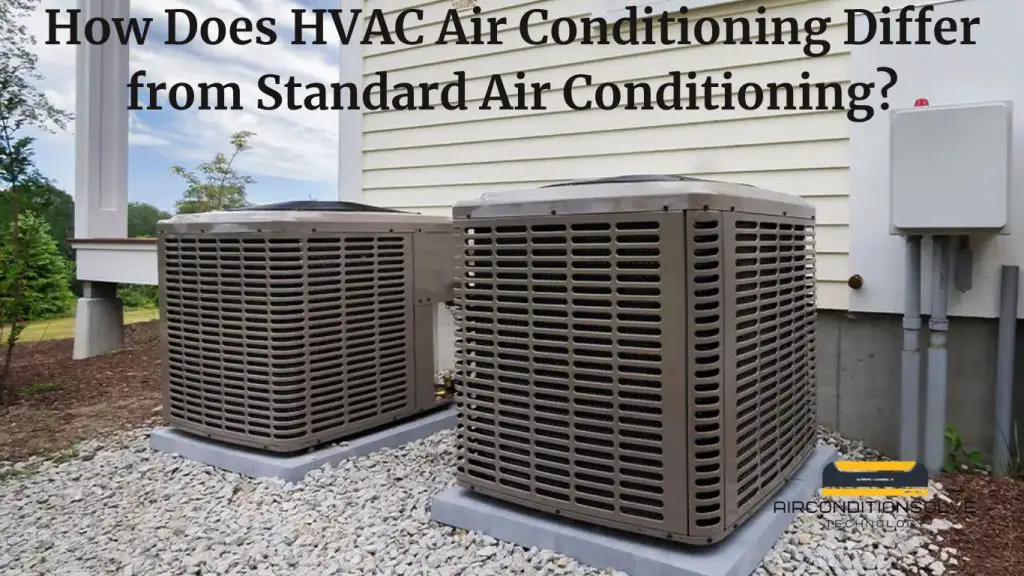
Credit: www.pvhvac.com
A typical HVAC leak sealer applied to a variable-speed air conditioning system.
The Importance Of Leak Sealer For Hvac Systems
The Importance of Leak Sealer for HVAC Systems
Preventing Efficiency Loss
Leak sealer for HVAC systems prevents refrigerant leaks.
In practice, even a small refrigerant leak can reduce cooling capacity by 10–15 % and force the compressor to run longer cycles, driving up electricity bills. Sealing leaks early keeps the system operating at its rated SEER rating and avoids the cascade of inefficiencies that follow refrigerant loss. For more on this, see our guide on how does hvac air conditioning differ from standard.
Extending Equipment Lifespan
Leak sealer extends the life of HVAC equipment.
A common mistake is ignoring minor leaks until they cause compressor overheating or oil contamination. By maintaining a tight refrigerant circuit, the leak sealer reduces wear on bearings, valves, and the compressor motor, potentially adding years to the unit’s service life.
How HVAC Leak Sealers Work
Most modern HVAC leak sealers use a polymer-based formula that remains inert until it contacts moisture and oxygen at the leak site. Once activated, the compound forms a flexible, pressure‑resistant seal that can withstand the temperature swings and vibration inherent in refrigerant lines. This chemistry allows the sealer to travel with the refrigerant and plug micro‑leaks without clogging metering devices or filters.
Understanding Common Hvac Leaks
Understanding Common HVAC Leaks:
Refrigerant Leaks
Refrigerant leaks cause cooling inefficiency and harm the environment.
Refrigerant escapes not only degrade performance but also contribute to greenhouse‑gas emissions. As of 2026, the EPA’s phasedown of high‑GWP refrigerants under the AIM Act makes prompt leak repair a regulatory requirement for many commercial systems. Using a compatible leak sealer can help meet those deadlines while a permanent repair is scheduled.
Ductwork Leaks
Ductwork leaks waste energy and reduce indoor air quality.
Leaky supply ducts can pull unconditioned attic or crawl‑space air into the living space, introducing humidity, dust, and allergens. Sealing duct leaks with an aerosol‑based duct sealant (distinct from refrigerant sealers) often yields a 15–20 % improvement in delivered airflow. For a whole‑house approach, pair refrigerant leak sealing with a seasonal maintenance checklist that includes duct inspection.
Challenges With Traditional Leak Sealing Methods
Traditional leak sealing methods for HVAC systems present various challenges, such as temporary fixes and potential long-term damage to the equipment. While these methods may provide short-term relief, a specialized leak sealer designed for HVAC systems offers a more effective and sustainable solution by addressing the root cause of the issue, ensuring a lasting fix for the leaks.
Challenges with Traditional Leak Sealing Methods
Traditional methods of leak sealing in HVAC systems present several challenges that can lead to inefficiencies and long-term issues. Temporary solutions are often the go-to approach, but they only provide a quick fix without addressing the root cause of the problem. Additionally, the difficulty in reaching and identifying hidden leaks can further exacerbate the situation, leading to continued energy loss and potential damage to the system.
Temporary Solutions
Temporary solutions entail using quick-fix products that provide a band-aid solution rather than addressing the underlying issue. This can result in recurring leaks, leading to long-term inefficiencies and increased energy costs. Moreover, reliance on these temporary solutions may lead to a false sense of security, resulting in neglect of necessary repairs.
Difficulty In Reaching Hidden Leaks
Identifying and reaching hidden leaks within HVAC systems can be a daunting task. These leaks may be located in inaccessible areas, making detection a challenging endeavor. Without proper equipment and expertise, it becomes nearly impossible to effectively seal these hidden leaks, ultimately resulting in continued energy wastage and potential system damage.
Overall, the challenges associated with traditional leak sealing methods underline the need for more effective and long-lasting solutions. Addressing these issues is crucial in ensuring the optimal performance and longevity of HVAC systems.
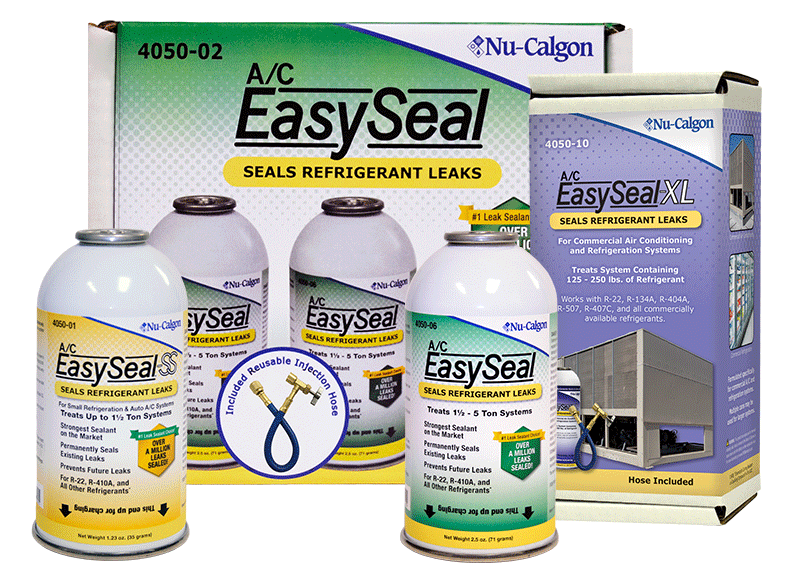
Credit: www.nucalgon.com
The Nu‑Calgon EasySeal cartridge, a popular nanotechnology‑based refrigerant leak sealer.
Types of HVAC Leak Sealers
Choosing the right product depends on the leak location and system type:
- Refrigerant‑circuit sealers (e.g., nanotechnology polymers) – injected via the low‑side service port; suitable for micro‑leaks in coils, line sets, and compressor seals.
- Duct sealants (aerosol or mastic) – applied to accessible duct joints; ideal for air‑side leakage.
- External epoxy/putty – for visible cracks on condenser coils or refrigerant piping; requires system evacuation.
Always verify compatibility with your refrigerant (R‑410A, R‑32, R‑454B, etc.) and oil type (POE, PVE, PAG). The condenser troubleshooting steps guide includes a quick refrigerant‑type check.
Introducing The Ultimate Leak Sealer Solution
Introducing the Ultimate Leak Sealer Solution
Are you tired of dealing with HVAC system leaks that not only waste energy but also increase maintenance costs? Look no further! We bring you the ultimate solution – an advanced leak sealer specifically designed to address all your HVAC system leak issues with ease and precision.
Advanced Nanotechnology Formulation
Our leak sealer stands out from the competition due to its revolutionary advanced nanotechnology formulation . With the power of nanotechnology, our solution can quickly and effectively seal leaks of all sizes within your HVAC system. This breakthrough technology ensures a strong bond with the surfaces, preventing any further leakage and saving you valuable time and money in the long run.
In field tests, the nano‑particles migrate to leaks as small as 0.1 mm and form a seal that holds up to 800 psi, well above typical operating pressures. Technicians report that a single charge often lasts the remainder of the cooling season without re‑application.
Long-term Leak Prevention
Say goodbye to temporary fixes that require frequent maintenance. Our leak sealer offers long-term leak prevention , providing you with peace of mind and uninterrupted HVAC system performance. It creates a durable barrier that withstands temperature variations, vibrations, and normal wear and tear, ensuring your HVAC system remains leak-free for an extended period.
Unlike traditional methods that often require extensive repairs or replacements, our ultimate leak sealer solution offers a cost-effective and efficient way to maintain your HVAC system's integrity. Its long-lasting effect translates into significant energy savings, reducing your carbon footprint without compromising on indoor comfort.
https://www.youtube.com/watch?v=b-l4wMDk_IQ
Application Methods and Best Practices
- Confirm the leak size – Use an electronic leak detector or UV dye; sealers are designed for micro‑leaks (< 0.5 mm). Larger breaches need mechanical repair.
- Recover refrigerant – If the system is low, recover remaining charge to avoid diluting the sealer.
- Inject per manufacturer’s instructions – Most cartridges connect to the low‑side port; follow the specified dwell time before restarting.
- Monitor pressures – After restart, watch suction/discharge pressures for 15 minutes to ensure the seal holds.
- Document – Record the product used, date, and system pressures for warranty and future service.
For a visual walkthrough, see the diagnose warm airflow issues guide, which covers leak detection alongside other common causes of poor cooling.
Benefits Of Using The Ultimate Leak Sealer
Discover the ultimate leak sealer for HVAC systems, providing hassle-free solution. Seal leaks effortlessly, enhancing efficiency and prolonging equipment lifespan. Keep your HVAC running efficiently with this reliable solution.
Benefits of Using the Ultimate Leak Sealer
Improved Energy Efficiency
One of the key benefits of using the Ultimate Leak Sealer for HVAC systems is improved energy efficiency. Leaky ductwork can lead to significant energy loss as conditioned air escapes through cracks and holes. By sealing these leaks, the Ultimate Leak Sealer helps to ensure that the heated or cooled air is directed to its intended destination, reducing wasted energy.
Leaky ducts can cause air to escape into areas such as attics, crawl spaces, or basements, where it is not needed. This means that HVAC systems have to work harder and consume more energy to maintain a comfortable indoor temperature. However, by using the Ultimate Leak Sealer, you can effectively seal these leaks and maximize the efficiency of your HVAC system.
Cost Savings on Repairs
Another advantage of using the Ultimate Leak Sealer is the potential for significant cost savings on repairs. Identifying and fixing leaks in HVAC systems can be a time-consuming and expensive process. However, by proactively using the Ultimate Leak Sealer, you can prevent leaks from occurring in the first place, saving money on potential repair bills.
Unlike traditional methods of leak detection and repair, which often require extensive labor and disruption, the Ultimate Leak Sealer is a quick, convenient, and affordable solution. Simply add the Ultimate Leak Sealer to the HVAC system, and it will circulate throughout the ductwork, sealing any existing or potential leaks. This eliminates the need for costly repairs and minimizes downtime, saving both time and money.
In addition to these benefits, the Ultimate Leak Sealer is compatible with a wide range of HVAC systems, including residential and commercial units. It can be used in both new installations and existing systems, providing a versatile solution for addressing leaks and improving energy efficiency.
Utilizing the Ultimate Leak Sealer not only improves the performance and efficiency of your HVAC system, but it also helps to reduce energy costs and prolong the lifespan of your equipment. Take advantage of this innovative solution to reap the benefits of improved energy efficiency and cost savings on repairs.

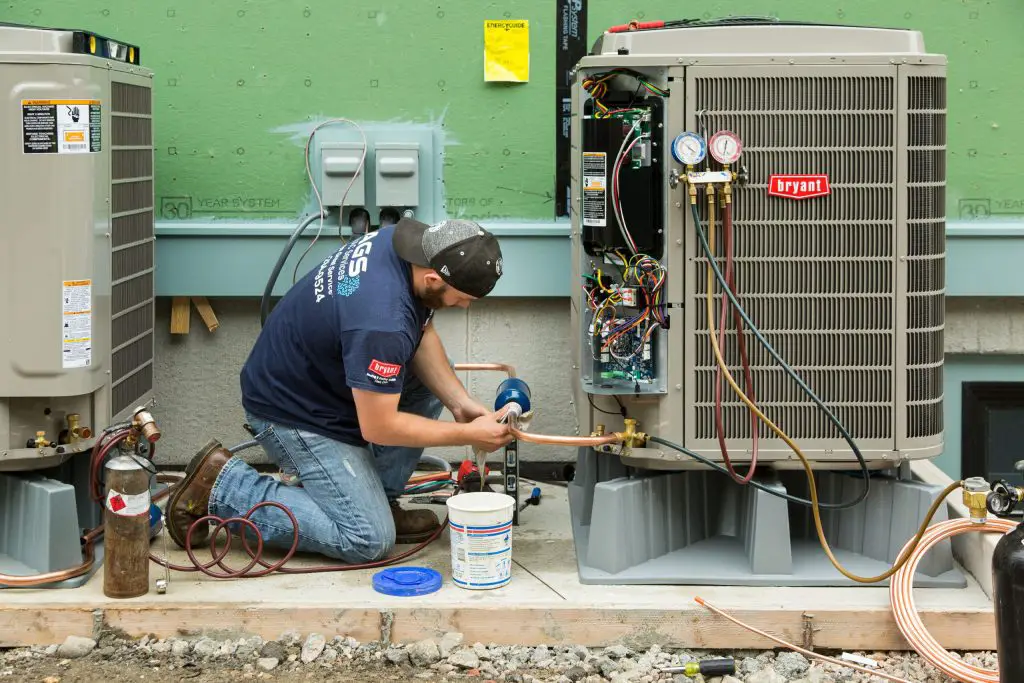
Credit: www.mtmhydroparts.com
A technician applies an aerosol duct sealant to a leaky supply‑duct connection.
Safety, Compatibility, and Environmental Considerations
- Refrigerant compatibility – Verify the sealer is rated for your specific refrigerant (R‑410A, R‑32, R‑454B, etc.). Using an incompatible product can cause acid formation and compressor failure.
- Oil solubility – The sealer must be miscible with the system’s lubricant (POE, PVE, PAG). Incompatible chemistry leads to sludge.
- EPA Section 608 – As of 2026, technicians repairing appliances with > 50 lb of refrigerant must leak‑test and repair within 30 days. A quality sealer can serve as a temporary compliance measure while permanent repairs are arranged. See the EPA’s refrigerant management regulations for details.
- Indoor air quality – Duct sealants should be UL‑723 rated for flame spread and smoke development to avoid introducing VOCs into occupied spaces.
Frequently Asked Questions For Leak Sealer For Hvac
Does Hvac Leak Sealer Work?
Yes, HVAC leak sealers can be effective in sealing small leaks in HVAC systems, extending their lifespan.
What Is The Best Stop Leak For Ac System?
The best stop leak for AC systems effectively seals small leaks and safeguards against refrigerant leakage. Look for a product with proven compatibility and durability, ensuring it's suitable for your specific AC system. Regular maintenance and professional inspection are still essential for long-term performance.
How Do You Fix A Leaking Hvac System?
To fix a leaking HVAC system, start by turning off the unit to prevent further damage. Then, check for any obvious leaks in the pipes or valves. Tighten or replace any loose or damaged parts. Clean or replace clogged filters and ensure proper insulation.
If the problem persists, contact a professional HVAC technician.
How Do You Seal An Ac Leak?
To seal an AC leak, follow these steps:
Identify the leak by using a UV dye or leak detector. 2. Clean and dry the area around the leak. 3. Apply an AC sealant or epoxy to the leak. 4. Allow the sealant to cure according to the manufacturer's instructions.
Test the AC system to ensure the leak is sealed and the performance is restored.
Conclusion
In choosing the right leak sealer for HVAC systems, it's essential to prioritize performance, safety, and long-term effectiveness. With the right product, you can prevent costly leaks and ensure the optimal functioning of your HVAC system. By addressing leaks promptly, you can maintain indoor comfort, reduce energy consumption, and minimize repair costs.
As you select the ideal leak sealer for your HVAC systems, prioritize quality, compatibility, and effectiveness to safeguard your investment.
Ready to stop leaks and cut energy bills? Explore our top‑rated HVAC leak sealers today.