Insurance for HVAC Contractors: Secure Your Future Now!
Insurance for HVAC Contractors – Comprehensive Guide
Are you an HVAC contractor? If yes, you need insurance. Insurance protects your business. It helps you manage risks and stay safe.
Why is Insurance Important for HVAC Contractors?
HVAC work involves risks. You deal with heavy machinery. You work with electrical systems. Accidents can happen. Insurance covers these risks. It protects you and your clients.
Protect Your Business
Accidents can ruin your business. A simple mistake can lead to big costs. Insurance can help cover these costs. It ensures your business survives.
Build Trust With Clients
Clients trust insured contractors more. They feel safe knowing you have coverage. It shows you are professional and prepared.

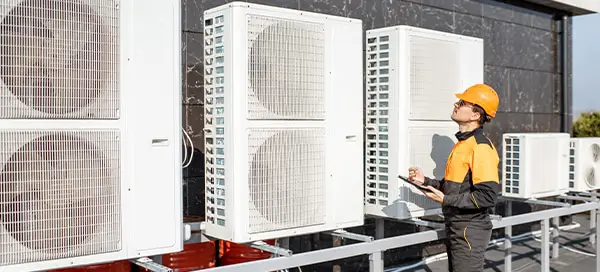
An HVAC contractor reviewing policy documents to verify coverage details.
Credit: www.otterstedt.com
Types of Insurance for HVAC Contractors
There are different types of insurance. Each type covers different risks. Let's look at the main types you need.
General Liability Insurance
This is a must-have. It covers bodily injuries. It also covers property damage. For example, if you damage a client's property, this insurance helps.
In practice, most policies start at $1 million per occurrence and $2 million aggregate, but higher limits are common for larger jobs.
Workers' Compensation Insurance
This is for your employees. It covers medical costs if they get hurt. It also covers lost wages. In many places, it is a legal requirement.
State laws vary; some jurisdictions require coverage even for sole proprietors who hire subcontractors.
Commercial Auto Insurance
You use vehicles for your work. This insurance covers those vehicles. It covers accidents, theft, and damage. It is crucial for contractors.
Don’t forget hired‑and‑non‑owned auto coverage if you occasionally rent trucks or use personal vehicles for business.
Professional Liability Insurance
This covers mistakes in your work. It is also called Errors and Omissions insurance. If a client sues you for poor work, this helps cover the costs.
Design errors, system sizing miscalculations, and code‑compliance oversights are typical triggers for a claim.
Tools And Equipment Insurance
Your tools are valuable. This insurance covers them. It covers theft, loss, and damage. It ensures you can keep working.
Often written as an inland‑marine policy, it can also cover equipment while in transit or stored at a job site.
Coverage Limits, Endorsements & State‑Specific Requirements
Choosing the right limits protects your assets without over‑paying. Consider adding endorsements such as pollution liability (refrigerant leaks), equipment breakdown, or cyber liability for client data. Many states mandate minimum general‑liability limits for licensed HVAC contractors — check your local licensing board for the current thresholds (as of 2026).
Internal resources that can help you size coverage:
- Review seasonal maintenance tips to anticipate peak‑season risk.
- Use the central AC installation guide when estimating project‑specific exposures.
- Consult the split AC installation guide for equipment‑value benchmarks.
How to Get the Best Insurance Coverage
Getting the right insurance is key. Here are some steps to help you.
Assess Your Needs
Look at your business. What risks do you face? Make a list. This will help you choose the right coverage.
Compare Quotes
Don't just pick the first insurance you find. Get quotes from different companies. Compare the coverage and costs. This way, you get the best deal.
Read The Fine Print
Always read the policy details. Understand what is covered. Look for any exclusions. This will prevent surprises later.
Work With An Agent
An insurance agent can help. They know the industry. They can guide you to the best policies. They make the process easier.

Visual summary of the primary insurance lines most HVAC contractors carry.
Credit: www.hiscox.com
https://www.youtube.com/watch?v=WhQBb3Xqev4
Cost Factors & Budgeting (2026)
Premiums depend on revenue, payroll, vehicle fleet size, claims history, and the coverage limits you select. A typical small‑to‑mid‑size HVAC firm pays $400–$2,000 annually for a basic package, but adding professional liability or higher auto limits can push the total higher. Bundling policies with one carrier often yields a 10‑15 % discount.
Helpful internal reads for cost context:
- How to choose the right air conditioner – understanding equipment value aids equipment‑insurance estimates.
- Air conditioning innovations – newer tech may affect replacement‑cost calculations.
Claims Process Overview
- Report promptly – Notify your carrier within 24 hours of an incident.
- Document everything – Photos, written statements, invoices, and police reports (if applicable).
- Cooperate with the adjuster – Provide access to the job site and equipment.
- Track expenses – Keep receipts for temporary repairs, rental equipment, and lost‑time labor.
- Follow up – Confirm claim number, expected timeline, and any required supplemental information.
For regulatory guidance on workplace safety that can reduce claim frequency, see the OSHA HVAC safety guidelines.
Common Questions About HVAC Insurance
You might have questions. Here are some common ones and their answers.
Do I Really Need Insurance?
Yes, you do. Insurance protects your business. It helps you handle risks. It is essential for any HVAC contractor.
How Much Does It Cost?
Costs vary. It depends on your coverage. It also depends on your business size. Get quotes to find out the cost for you.
Can I Bundle Insurance Policies?
Yes, you can. Many companies offer bundles. This can save you money. It also makes managing insurance easier.
What Happens If I Don't Have Insurance?
You risk a lot. You could face huge costs. You might lose clients. In some places, you could face legal issues.
Frequently Asked Questions
What Insurance Do Hvac Contractors Need?
HVAC contractors need general liability, workers' compensation, and commercial auto insurance for comprehensive coverage.
Why Is Liability Insurance Important For Hvac Contractors?
Liability insurance protects HVAC contractors from claims of property damage or bodily injury during work.
How Much Does Hvac Contractor Insurance Cost?
HVAC contractor insurance typically costs between $400 and $2,000 annually, depending on coverage needs.
Does Hvac Insurance Cover Equipment Damage?
Yes, HVAC insurance can cover equipment damage if included in the policy.
What Are Common Endorsements for HVAC Policies?
Typical endorsements include pollution liability for refrigerant releases, equipment breakdown, and cyber liability for client data breaches.
How Often Should I Review My Coverage?
Review your policies at least annually or whenever you add new services, vehicles, or employees.
Can Subcontractors Be Covered Under My Policy?
Most general‑liability policies extend to subcontractors only if they are named as additional insureds; verify with your agent.
What Documentation Do I Need for a Claim?
Photos of damage, written incident reports, invoices for repairs, and any police or fire department reports.
Conclusion
Insurance for HVAC contractors is crucial. It protects your business. It builds trust with clients. It covers various risks. Make sure you get the right coverage. Assess your needs. Compare quotes. Work with an agent. Stay safe and secure with the right insurance.
Ready to protect your business? Contact a licensed insurance agent today.
Types of Insurance for HVAC Contractors
Type of Insurance What It Covers
General Liability Insurance Bodily injuries and property damage
Workers' Compensation Insurance Employee medical costs and lost wages
Commercial Auto Insurance Vehicle accidents, theft, and damage
Professional Liability Insurance Mistakes in your work
Tools and Equipment Insurance Theft, loss, and damage of tools
Key Takeaways
Insurance protects your HVAC business.
General liability is a must-have insurance.
Workers' compensation is often legally required.
Commercial auto insurance covers your work vehicles.
Professional liability covers work mistakes.
Tools and equipment insurance covers your valuable tools.
Assess your needs and compare quotes for the best coverage.
Work with an insurance agent to find the best policies.
Build trust with clients by having proper insurance.
Stay safe and secure with the right insurance coverage.