Everything You Need to Know About HVAC Units
HVAC stands for Heating, Ventilation, and Air Conditioning. It is a system that keeps indoor environments comfortable.
What is an HVAC Unit?
An HVAC unit is a machine that helps control the temperature and air quality in your home. It can heat, cool, and ventilate the air.
Parts Of An Hvac Unit
An HVAC unit has several important parts:
Thermostat: The control panel for setting the temperature.
Furnace: Heats the air during cold months.
Air Conditioner: Cools the air during hot months.
Ventilation: Brings in fresh air and removes stale air.
Ducts: Carry air to different rooms in your home.
Filters: Clean the air by removing dust and particles.
Types of HVAC Units
There are several types of HVAC units. Each type has its own benefits.
Split System
A split system has two main parts. One part is inside your home, and the other part is outside.
Indoor Unit: Contains the air handler and evaporator coil.
Outdoor Unit: Contains the compressor and condenser coil.
This type is very common in homes. It is good for both heating and cooling.
Packaged System
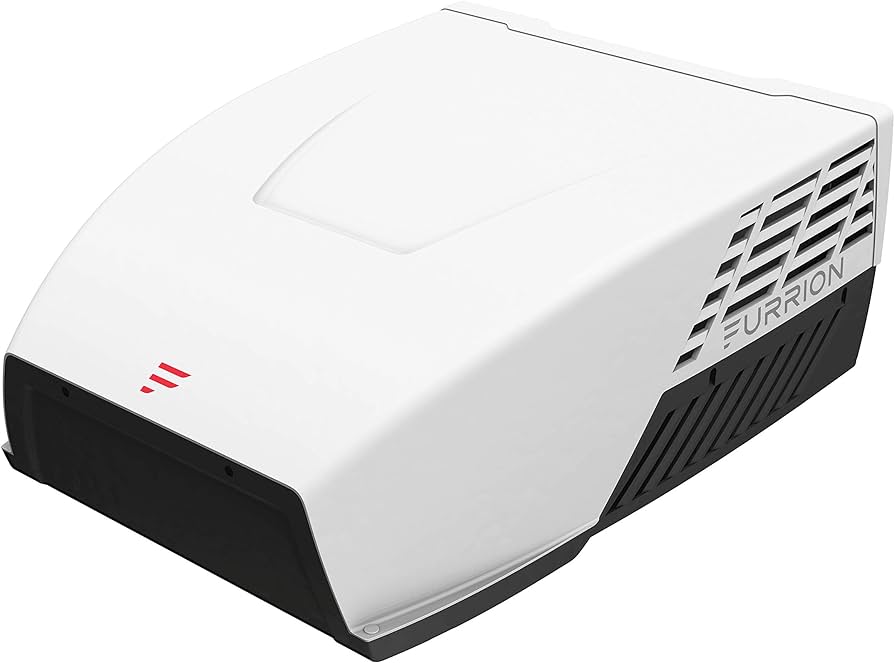
A packaged system has all its parts in one unit. This unit is usually placed outside the home.
This type is good for homes with limited indoor space. It is also easier to install.
Ductless Mini-split
A ductless mini-split does not use ducts to move air. Instead, it has an outdoor unit and one or more indoor units.
Indoor Units: Mounted on the walls or ceilings.
Remote Control: Each indoor unit can be controlled separately.
This type is perfect for homes without existing ductwork. It is also very energy efficient.
Geothermal System
A geothermal system uses the earth's natural heat. It has a ground loop that exchanges heat with the ground.
Ground Loop: Pipes buried underground.
Heat Pump: Transfers heat between the ground and your home.
This type is very eco-friendly. It can also save you money on energy bills.
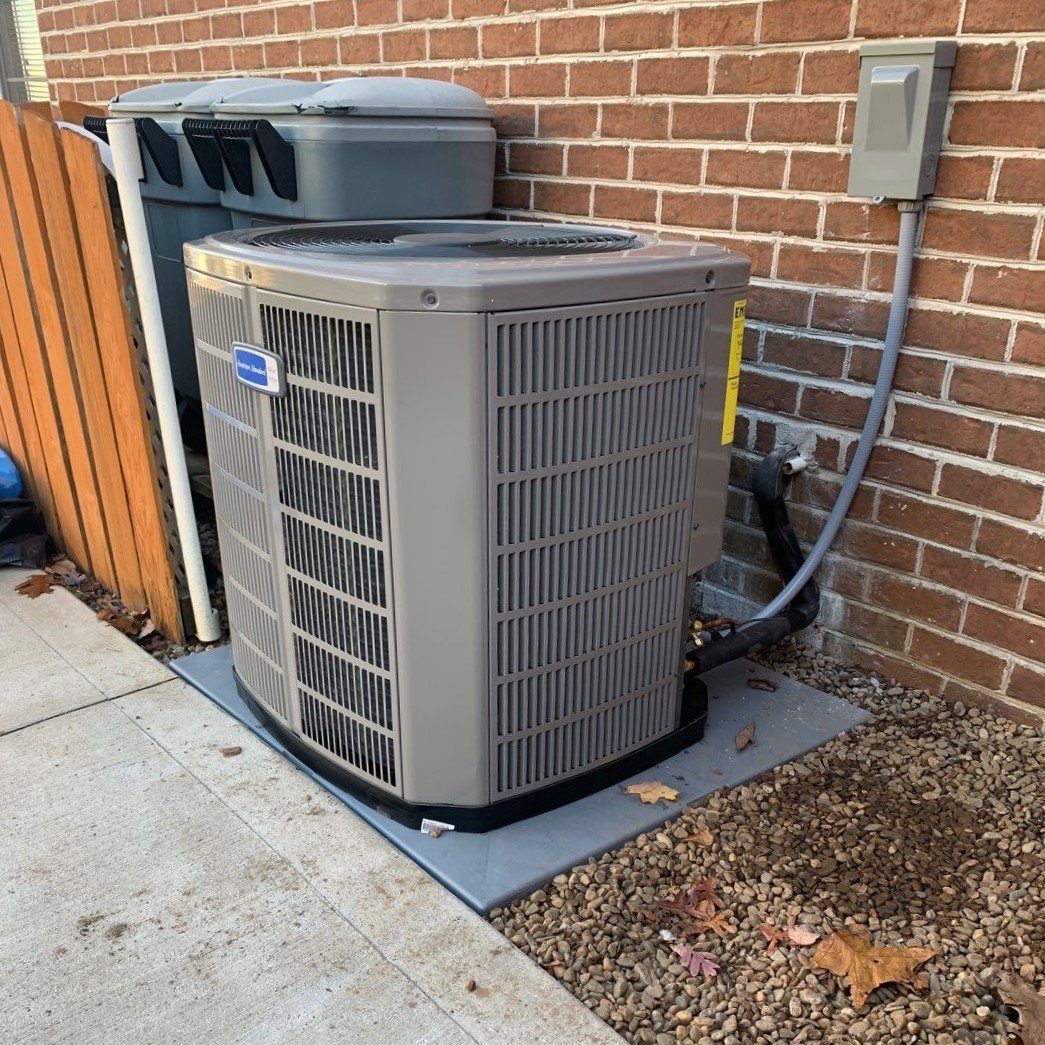
Split‑system HVAC with separate indoor air handler and outdoor condenser.
Credit: www.bluewaterclimatecontrol.com
Benefits of Using an HVAC Unit
Using an HVAC unit has many advantages. Here are some of the main benefits:
Comfort
An HVAC unit keeps your home at a comfortable temperature. It can also improve the air quality by removing dust and allergens.
Energy Efficiency
Modern HVAC units are very energy efficient. They use less energy to heat and cool your home. This can help you save money on your energy bills.
Convenience
Many HVAC units come with smart thermostats. You can control the temperature from your phone. This makes it easy to keep your home comfortable.
Health
Good air quality is important for your health. An HVAC unit can remove harmful particles from the air. This can help reduce allergies and respiratory problems.
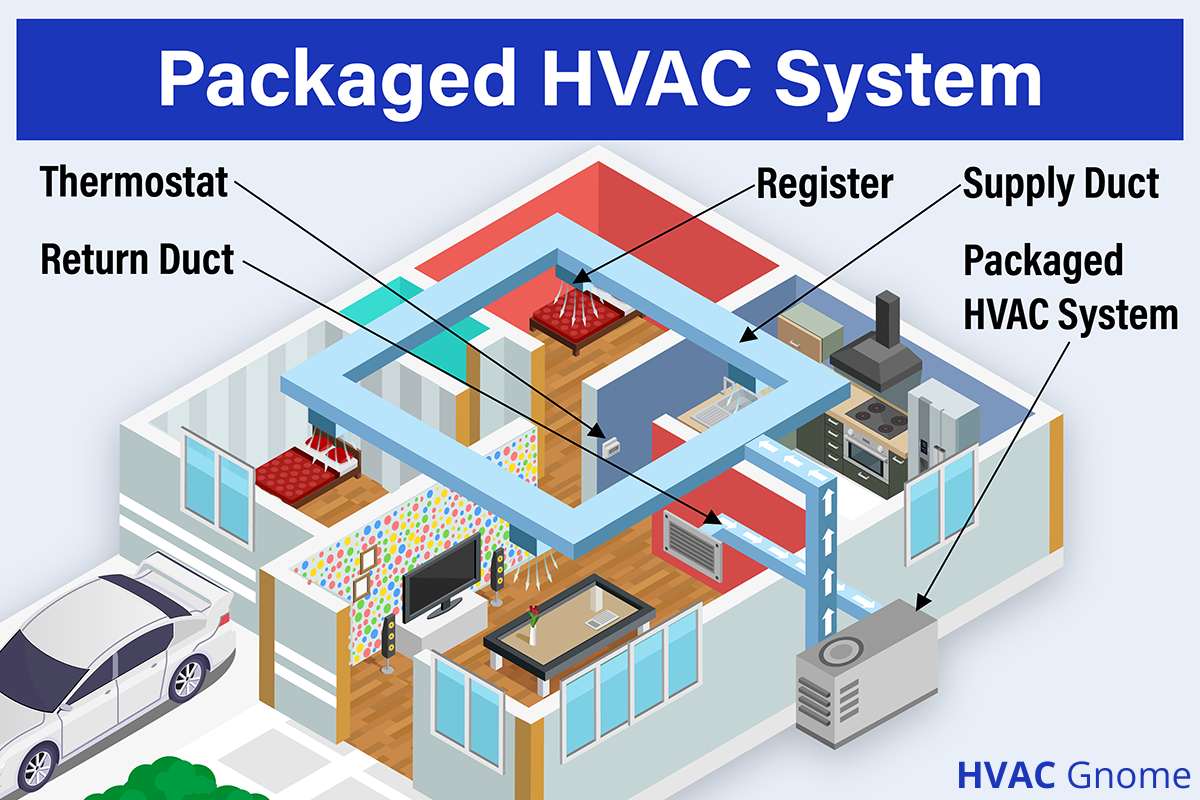
Packaged HVAC system mounted on an exterior pad.
Credit: hvacgnome.com
How to Maintain Your HVAC Unit
Maintaining your HVAC unit is very important. It helps the unit last longer and work better. Here are some tips for maintaining your HVAC unit:
Regular Inspections
Have a professional inspect your HVAC unit at least once a year. They can check for any problems and make sure everything is working properly.
Change Filters
Change the air filters regularly. Dirty filters can reduce the efficiency of your unit. They can also lower the air quality in your home.
Clean The Unit
Keep the outdoor unit clean. Remove any leaves, dirt, or debris that may have accumulated. This helps the unit run more efficiently.
Check The Thermostat
Make sure the thermostat is working correctly. If it is not, your unit may not heat or cool your home properly.
Seal Ducts
Check the ducts for any leaks. Sealing leaks can improve the efficiency of your unit. It also helps keep the air quality high.
Monitor Energy Bills
Keep an eye on your energy bills. If they suddenly increase, it could be a sign that your unit is not working properly. Contact a professional to check it out.
Seasonal Maintenance Checklist
- Spring: Clean outdoor coil, check refrigerant level, test thermostat calibration.
- Summer: Verify airflow, inspect condensate drain, replace filters monthly.
- Fall: Inspect heat exchanger, lubricate moving parts, seal duct leaks.
- Winter: Check furnace ignition, test safety controls, ensure proper venting.
A printable checklist can be kept near the equipment for quick reference each season.
DIY vs. Professional Maintenance
Homeowners can safely replace filters, clear debris from the outdoor unit, and verify thermostat settings. Tasks such as refrigerant handling, electrical component testing, and combustion analysis require licensed technicians. In practice, a common mistake is attempting to recharge refrigerant without proper certification, which can void warranties and violate EPA regulations (EPA Section 608).
Energy‑Efficiency Upgrades
- Install a programmable or smart thermostat to match occupancy patterns.
- Upgrade to a high‑SEER (≥16) condenser when replacing the outdoor unit.
- Add insulation to exposed ductwork in unconditioned spaces.
- Consider a variable‑speed blower for smoother airflow and lower electricity draw.
These measures align with ENERGY STAR® recommendations for residential HVAC (ENERGY STAR HVAC).
When to Replace Your HVAC Unit
Even with good maintenance, HVAC units do not last forever. Here are some signs that it may be time to replace your unit:
Age
Most HVAC units last about 15-20 years. If your unit is older than this, it may be time for a new one.
Frequent Repairs
If your unit needs frequent repairs, it may be more cost-effective to replace it. A new unit will also be more energy efficient.
High Energy Bills
If your energy bills are getting higher, it could be a sign that your unit is not working efficiently. A new unit can help lower your bills.
Poor Performance
If your home is not staying comfortable, it may be time for a new unit. A new unit can heat and cool your home more effectively.
https://www.youtube.com/watch?v=ya1BSeBBD4U
Frequently Asked Questions
What Is An Hvac Unit?
An HVAC unit controls heating, ventilation, and air conditioning in a building.
How Does An Hvac Unit Work?
It regulates air temperature, humidity, and quality through heating, cooling, and ventilation systems.
Why Is Hvac Maintenance Important?
Regular maintenance ensures efficiency, prolongs lifespan, and prevents breakdowns.
What Are Hvac Unit Types?
Common types include split systems, hybrid systems, ductless mini-split systems, and packaged heating and air units.
How Often Should I Change My Air Filter?
For most homes, replace the filter every 1‑3 months; homes with pets or allergies may need monthly changes.
Can I Install a Smart Thermostat Myself?
Many models are DIY‑friendly, but wiring compatibility should be verified first; otherwise, hire a professional.
What Refrigerant Is Used in New Systems?
As of 2026, most new residential units use R‑32 or R‑454B, which have lower global‑warming potential than the older R‑410A.
When Should I Schedule a Professional Tune‑Up?
Aim for a pre‑season visit in early spring for cooling and early fall for heating to catch issues before peak demand.
Conclusion
An HVAC unit is essential for keeping your home comfortable. There are many types of units to choose from, each with its own benefits. Regular maintenance is important to keep your unit running smoothly. If your unit is old or not working well, it may be time to replace it. Investing in a good HVAC unit can improve your comfort, health, and energy efficiency.
Ready to optimize your system? Explore our seasonal air‑conditioning maintenance tips for a step‑by‑step guide.
Related Guides
For a deeper dive on upkeep timing, see our seasonal upkeep schedule. When sizing a replacement, picking the right system avoids costly mismatches. Homeowners comparing equipment tiers can review top-rated residential systems. If you're curious about emerging tech, latest cooling technology covers what's new. For installation scope, central system setup and split system setup outline key steps. When the system misbehaves, diagnosing warm airflow and outdoor unit diagnostics walk through common fault-finding.