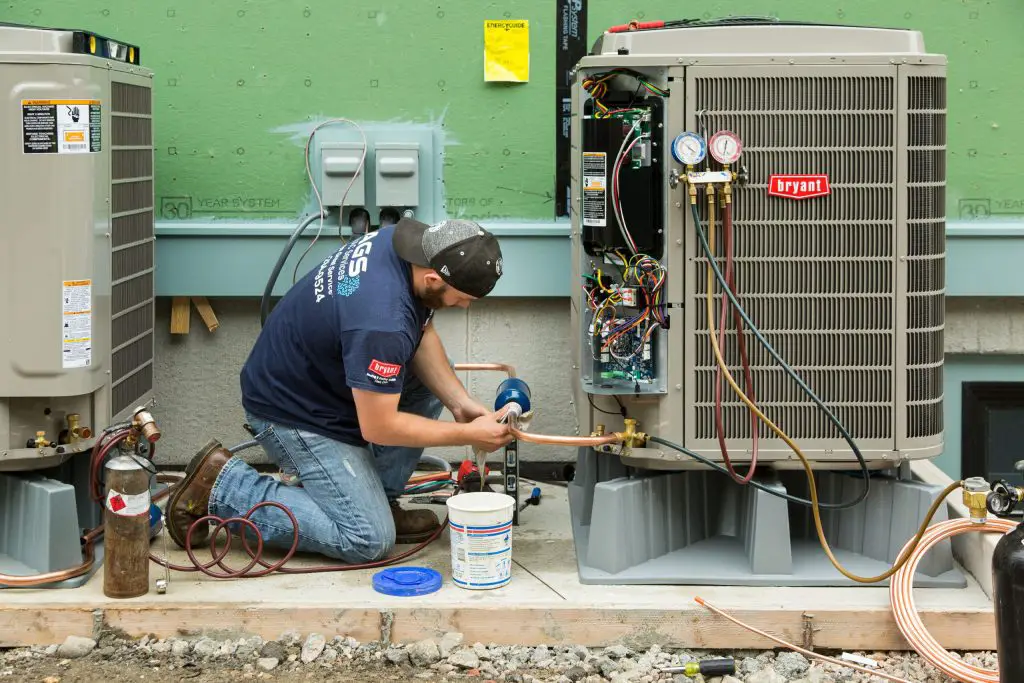
To prepare your HVAC for summer, first, turn off the circuit breaker for safety. Next, clean or replace filters, condenser coils, clear debris, check coolant lines, and test the unit.
Summer HVAC maintenance is crucial for optimal performance during the hot months. Proper maintenance includes cleaning the system, testing components, and checking for any blockages. By taking these steps, you can ensure that your HVAC system operates efficiently and keeps your home cool and comfortable all summer long.
Regular maintenance also helps extend the lifespan of your HVAC system and prevents unexpected breakdowns. Beat the heat with these essential HVAC tips for summer.

Technician cleaning condenser coils on a residential outdoor unit
Credit: cielowigle.com
Tips For Preparing Your Hvac For Summer
As the summer approaches, it's crucial to prepare your HVAC system. Firstly, turn off the circuit breaker to work safely. Clean or replace the filters and condenser coils, remove any debris, and check the coolant lines. Lastly, test the unit to ensure it's functioning effectively for the hot days ahead.
Safety First: Turn Off The Circuit Breaker Before Working On Your Air Conditioning System
Before performing any maintenance on your HVAC system, always remember to turn off the circuit breaker to avoid any electrical accidents.
Clean Or Replace The Filters
Regularly cleaning or replacing the filters in your HVAC system can improve airflow and efficiency, keeping your home cool throughout the summer.
In practice, most homeowners underestimate how quickly filters load up during peak pollen season. A clogged filter can raise static pressure enough to freeze the evaporator coil, so check every 30 days when the system runs daily. For a deeper dive into filter schedules and MERV ratings, see our seasonal maintenance checklist.
Clean The Air Conditioner's Condenser Coils
Keeping the condenser coils clean helps the air conditioner run smoothly and efficiently. Make sure to remove any debris or dirt buildup.
Check The Coolant Lines
Inspect the coolant lines for any leaks or damage. Proper coolant levels are essential for optimal cooling performance during hot summer days.
While you're at the lines, verify the suction-line insulation is intact and not water-logged — missing foam wrap lets heat bleed back into the refrigerant, cutting capacity by 5–10 %. If you spot oily residue at a flare fitting, that's a slow leak; call a pro before the charge drops low enough to damage the compressor. For help diagnosing condenser-side problems, review our guide on condenser issues.
Test The Unit
After completing maintenance tasks, test your HVAC unit to ensure it is functioning correctly and efficiently to keep your home comfortable in the summer heat.
Optimizing Your Hvac For Summer
As the summer heat approaches, it's crucial to ensure your HVAC system is ready to keep your home cool and comfortable. By following some simple tips and tricks, you can optimize your HVAC system for the hot months ahead.
Set The Right Temperature On Your Thermostat
Program your thermostat to higher temperatures when you are away to save energy .
Keep it around 78°F when you're at home to maintain comfort .
The U.S. Department of Energy confirms that each degree above 72 °F saves roughly 3 % on cooling costs. If 78 °F feels warm at first, use ceiling fans to create a wind-chill effect — moving air makes the room feel up to 4 °F cooler without lowering the setpoint. For more on balancing comfort and savings, explore our breakdown of optimal temperature settings.
Utilize Hvac Fan Effectively
Turn on the fan only when needed to circulate cool air efficiently.
Use the fan's auto setting to prevent unnecessary energy consumption .
Smart Thermostat Upgrades
If you're still using a manual or basic programmable thermostat, upgrading to a Wi-Fi-enabled smart model can shave another 8–12 % off cooling bills by learning your schedule, geo-fencing when you leave, and integrating with utility demand-response programs. Many utilities offer rebates that cover half the device cost. When shopping, confirm the thermostat supports your system's wiring (C-wire, heat-pump O/B terminals, multi-stage) — our article on selecting the right system includes a compatibility checklist.
Improve Ac Efficiency With Free Tricks
Clean around the outdoor condenser unit to ensure proper airflow .
Vacuum indoor vents to remove dust and debris that may block airflow.
Keep lamps and heat-producing items away from the thermostat to avoid false readings .
Close blinds and curtains during the day to block out heat from the sun.
Perform Summer Air Conditioning Maintenance
Check and clean the filters regularly to maintain optimal performance .
Schedule a professional tune-up to identify and address any issues before they become major problems.
By following these tips, you can help your HVAC system run efficiently and effectively throughout the summer, keeping your home cool and your energy bills low.
https://www.youtube.com/watch?v=XdYjue-BmqI
Summer Hvac Maintenance Tips
Summer HVAC Maintenance Tips
As the summer heat approaches, it's essential to ensure that your HVAC system is well-maintained to keep your home cool and comfortable. Here are some crucial summer HVAC maintenance tips to help you prepare for the upcoming season.
Ensure Vents Are Open And Unblocked
Walk through your home and check every vent, register, and return air grille. All vent and register louvers should be open and unblocked to allow for proper airflow.
Assess Your Home's Insulation
Assessing your home's insulation is important to maintain energy efficiency. Ensure your home is properly insulated to retain cool air and prevent heat infiltration .
Start with the attic: the EPA recommends R-38 to R-60 for most U.S. climates. If joists are visible, you're under-insulated. Also check rim joists in the basement and knee walls in finished attics — these are common thermal bypasses that let hot air infiltrate. An energy audit (many utilities offer them free) will pinpoint the exact gaps with a blower-door test and infrared camera.
Check And Clean Vents Throughout Your Home
Regularly check and clean the vents throughout your home to eliminate any dust or debris accumulation, which can obstruct airflow and hinder cooling efficiency.
Ductwork Inspection and Sealing
Leaky supply ducts in unconditioned attics or crawlspaces can waste 20–30 % of cooled air. Visually inspect accessible runs for disconnected joints, crushed flex duct, or gaps at boot connections. Seal seams with UL 181-rated mastic or foil-backed tape (not cloth "duct tape," which fails in heat). If ducts are buried under insulation, hire a pro to pressure-test and aerosol-seal from the inside — a typical payback is 2–4 years.
Clean Exterior And Interior Surfaces
Regularly clean and maintain the exterior and interior surfaces of your HVAC system to ensure optimal functioning during the summer months.
Wipe down the blower wheel and evaporator coil (if accessible) with a no-rinse coil cleaner; even a thin biofilm cuts heat transfer. Flush the condensate drain with a 50/50 vinegar-water mix to prevent algae clogs that trip the float switch and shut the system down on the hottest day.

Technician checking airflow at supply registers and inspecting duct insulation
Credit: m.facebook.com
Other Tricks To Keep Your Home Cool In Summer
While preparing your HVAC system for the summer is crucial, there are several other tricks you can implement to keep your home cool and comfortable during the scorching months. By taking these additional steps, you can optimize your indoor environment and enjoy a refreshing escape from the heat. Here are some simple yet effective strategies to consider:
Change Your Bed Sheets
Believe it or not, your choice of bed sheets can significantly impact your sleep quality and overall comfort during the summer. Opt for breathable materials like cotton or bamboo, which promote better airflow and moisture absorption. These fabrics help prevent excessive sweating and keep you feeling cool throughout the night. Additionally, consider lighter shades for your bed sheets as they reflect sunlight and heat, rather than absorbing them.
Close Blinds And Shades
One of the simplest and most effective ways to keep your home cool is by closing blinds and shades during the hottest parts of the day. Direct sunlight can quickly heat up a room, causing your air conditioning system to work harder. By blocking out the sun's rays, you can significantly reduce indoor temperatures and minimize the strain on your cooling system. Plus, closing blinds also provides privacy and shields your furniture from fading due to sun exposure.
Consider Investing In Additional Cooling Solutions
If you live in an area with sweltering summers, you may want to consider investing in additional cooling solutions to supplement your HVAC system. Here are a few options worth exploring:
Ceiling Fans: Install ceiling fans in key rooms to enhance air circulation and create a breeze-like effect. This helps create a more comfortable environment and can even allow you to raise your thermostat temperature without sacrificing comfort. Make sure to set your ceiling fans to rotate counterclockwise in summer for maximum cooling.
Portable Air Conditioners: Portable air conditioners provide a flexible cooling solution, allowing you to focus on cooling specific areas of your home. They are especially useful in rooms that are not well-served by central air conditioning or in homes without ductwork.
Window Coverings: Consider using reflective window films or blackout curtains to further minimize heat gain from sunlight. These can be particularly effective for west-facing windows or rooms that receive direct sunlight throughout the day.
Quick comparison to help you decide:
| Solution | Upfront Cost | Best For | Energy Use | Installation |
|---|---|---|---|---|
| Ceiling fan | $100–$300 per room | Whole-room air movement | 30–60 W | DIY or electrician |
| Portable AC | $300–$700 | Single room, renters | 1,000–1,500 W | Window kit (DIY) |
| Reflective film | $8–$15 / sq ft | West/south windows | Passive | DIY or pro |
| Mini-split add-on | $3,000–$5,000 | Zone without ducts | 600–1,200 W | Pro required |
By incorporating these additional cooling solutions into your home, you can optimize your indoor comfort and ensure a pleasant escape from the summer heat.
Dealing With Extreme Heat
Stay cool during summer with these HVAC tips: Safety first, always turn off the circuit breaker before maintenance. Clean or replace filters and condenser coils, clear debris, check coolant lines, and test the unit to ensure smooth operation in extreme heat.
Keep your system running efficiently by following these simple steps.
Tips From Hvac Contractors
When it comes to dealing with extreme heat during the summer, it's important to take the necessary steps to keep your HVAC system running efficiently. By following these tips from HVAC contractors, you can ensure that your home stays cool and comfortable all summer long.
Clean or Replace the Filters
One of the simplest yet most effective ways to maintain the efficiency of your HVAC system is by regularly cleaning or replacing the air filters. Dirty filters can restrict airflow and cause your system to work harder, leading to higher energy consumption and potential breakdowns. Make it a habit to check and clean your filters every month or as recommended by the manufacturer.
Clean the Air Conditioner's Condenser Coils
The condenser coils of your air conditioning unit can accumulate dirt and debris over time, hindering its ability to transfer heat. By using a soft brush or a vacuum cleaner with a brush attachment, you can gently remove any dirt or leaves that are stuck to the coils. This simple maintenance task can significantly improve the cooling efficiency of your system.
Check and Clear Debris
To ensure optimal performance, it's essential to regularly check and clear any debris around the outdoor unit of your HVAC system. Trim any overgrown vegetation or bushes that may be blocking the airflow. Additionally, keep the area around the unit free from leaves, grass clippings, and other debris that could potentially clog the system.
Handling Ice On Heat Pump In Summer
If you notice ice buildup on your heat pump during the summer months, it's crucial to address the issue promptly to avoid further damage to your system. Here's what you can do to handle ice on your heat pump:
Check Airflow
Restricted airflow can cause the heat pump to freeze up. Make sure that there are no obstructions blocking the outdoor unit, such as furniture, shrubs, or debris. Additionally, check if the air filters are clean and clear from any buildup. Improving the airflow can help prevent ice formation.
Defrost the System
If ice has already formed on the heat pump, you'll need to defrost it. Turn off the system's cooling mode and switch it to the defrost mode. This will remove the ice buildup by allowing warm air to circulate through the unit. Allow sufficient time for the ice to melt completely before switching back to the cooling mode.
Contact a Professional
If you're experiencing recurring ice buildup on your heat pump, it's best to contact a professional HVAC technician. They can inspect your system and determine if there are any underlying issues causing the problem. Professional intervention will ensure that your heat pump operates efficiently and prevents any further damage.
Remember, regular maintenance and proper care are essential for the longevity and efficiency of your HVAC system. By following these tips from HVAC contractors and addressing ice buildup on heat pumps during the summer, you can stay cool and comfortable throughout the scorching heat.
Light frost on a heat pump coil — normal during defrost, but heavy ice signals airflow or charge trouble
Credit: leisurecw.com
When to Consider System Replacement
If your equipment is 12–15 years old, requires frequent repairs, or has a SEER rating below 14, replacement often pays for itself in lower utility bills and fewer emergency calls. Modern variable-speed units with SEER2 ratings of 16+ can cut cooling costs 30–40 % versus a 10 SEER baseline. When sizing, insist on a Manual J load calculation — oversized systems short-cycle, degrade humidity control, and wear out faster. For a side-by-side look at current residential platforms, see our roundup of latest cooling technology.
Frequently Asked Questions Of Hvac Tips For Summer
How Do I Prepare My Hvac For Summer?
Prepare your HVAC for summer by turning off the circuit breaker, cleaning filters and condenser coils, clearing debris, and checking coolant lines. Test the unit for optimal performance. Remember to schedule an annual AC tune-up for efficiency.
What Should Hvac Be Set At In Summer?
During summer, set your HVAC thermostat to around 78°F for energy efficiency and comfort. Regular maintenance and cleaning also help optimize its performance.
Should I Leave Hvac Fan On In Summer?
It is not necessary to leave the HVAC fan on in summer. Turning it off can save energy and reduce costs. However, if you prefer the constant airflow, set the fan to "auto" mode instead of "on" so it only runs when the system is actively cooling.
How Can I Make My Ac Work Better In Summer?
To make your AC work better in summer, follow these tips:
Turn off the circuit breaker before working on your AC. 2. Clean or replace the filters regularly. 3. Clean the condenser coils and remove debris. 4. Check the coolant lines.
Increase the thermostat temperature slightly. 6. Keep heat-producing items away from the thermostat. 7. Close blinds and curtains during the day. 8. Clear the drain line.
Why Is My AC Blowing Warm Air?
A common cause is a clogged filter or blocked condenser, but low refrigerant, a failed capacitor, or a thermostat wiring issue can also be culprits. Start with the basics — filter, breaker, outdoor disconnect — then move to warm air problems if the issue persists.
How Often Should I Have My Ducts Cleaned?
The EPA advises cleaning only when there's visible mold, vermin, or excessive dust/debris — typically every 5–7 years for average homes. Homes with pets, recent renovation, or allergy sufferers may benefit from 3–5 year intervals. Always verify the contractor uses negative-pressure HEPA equipment and follows NADCA standards.
Conclusion
Summertime calls for effective HVAC maintenance to keep your home cool and comfortable. From regularly cleaning or replacing filters, checking coolant lines, to ensuring proper ventilation, these simple tips can make a significant difference in your air conditioner's performance. By taking these proactive steps, you can enjoy a cool and relaxing summer without any HVAC-related worries.
Ready to schedule that pre-season tune-up or explore a high-efficiency upgrade? Book a certified technician today and lock in comfort before the next heat wave hits.