HVAC Systems: Everything You Need to Know
Welcome to our comprehensive guide on HVAC systems. In this article, we will explore the basics of HVAC, how these systems work, and why they are essential for your home comfort.
What is an HVAC System?
An HVAC system stands for Heating, Ventilation, and Air Conditioning. It is a technology used to provide indoor comfort. HVAC systems are designed to regulate temperature, humidity, and air quality in your home.
Components Of An Hvac System
HVAC systems are made up of several key components. Let's take a look at each one:
Heating: This part of the system keeps your home warm during cold weather. It includes a furnace or a heat pump.
Ventilation: This ensures that fresh air circulates in your home. It includes vents and ducts.
Air Conditioning: This part cools your home during hot weather. It includes an air conditioner or a heat pump.
In practice, the heating and cooling subsystems often share a single heat‑pump unit, which can reverse its refrigerant cycle to provide both functions. This dual‑role design is a common reason homeowners see lower equipment counts in modern installations.
Learn how heat‑pump operation differs from a traditional furnace for a deeper dive.
How Does an HVAC System Work?
HVAC systems work through a series of processes. Here is a simple explanation of how each part functions:
Heating
The heating component warms the air inside your home. It does this by burning fuel or using electricity. The warm air is then distributed through ducts to different rooms.
Ventilation
Ventilation helps remove stale air and brings in fresh air. It uses fans, vents, and ducts to circulate air. This is crucial for maintaining good indoor air quality.
Air Conditioning
The air conditioning component cools the air inside your home. It uses a refrigerant to absorb heat from the indoor air. The cooled air is then circulated through ducts.
A common mistake is assuming the refrigerant “creates” cold; it actually moves heat from inside to outside. Understanding this heat‑transfer principle helps when diagnosing performance issues.
See typical troubleshooting steps for warm‑air complaints if your system isn’t cooling as expected.
Benefits of HVAC Systems
HVAC systems offer numerous benefits. Here are some of the key advantages:
Comfort: HVAC systems help maintain a comfortable indoor temperature, regardless of the weather outside.
Air Quality: They improve indoor air quality by filtering out pollutants and allergens.
Energy Efficiency: Modern HVAC systems are energy-efficient, which can help reduce your utility bills.
Humidity Control: They help control indoor humidity levels, preventing mold growth and other issues.
https://www.youtube.com/watch?v=ya1BSeBBD4U
According to the U.S. Department of Energy, properly sized and maintained equipment can cut heating and cooling costs by up to 30 %. Energy.gov – HVAC efficiency
Types of HVAC Systems
There are different types of HVAC systems available. Each type has its own features and benefits. Let's explore the most common types:
Split System
A split system has two main components: an indoor unit and an outdoor unit. The indoor unit contains the evaporator coil and the air handler. The outdoor unit contains the compressor and condenser coil. This type is common in homes.
Hybrid System
A hybrid system combines a gas furnace and an electric heat pump. This allows it to switch between the two energy sources. It offers greater energy efficiency and flexibility.
Ductless Mini-split System
This system does not use ducts. It has an outdoor unit and one or more indoor units. Each indoor unit can be controlled separately. This is ideal for homes without ductwork.
Packaged System
A packaged system has all components in one unit. This unit is usually installed outside the home. It is suitable for homes with limited indoor space.
When selecting a system, a proper Manual J load calculation is essential; oversizing leads to short‑cycling and higher humidity, while undersizing leaves rooms uncomfortable. Explore top‑rated residential HVAC options to match your load results.
Choosing the Right HVAC System
Choosing the right HVAC system for your home is important. Here are some factors to consider:
Size: Make sure the system is the right size for your home. An oversized or undersized system will not work efficiently.
Energy Efficiency: Look for systems with high energy efficiency ratings. This will help save on utility bills.
Climate: Consider the climate in your area. Some systems work better in certain climates.
Budget: Determine your budget. HVAC systems can vary in price, so choose one that fits your budget.
A quick rule of thumb: aim for a SEER rating of at least 16 in hot climates and an AFUE of 90 %+ for gas furnaces in cold regions. Guidance on efficient settings can fine‑tune performance after installation.
Maintaining Your HVAC System
Proper maintenance is essential for the longevity and efficiency of your HVAC system. Here are some tips to keep your system in good condition:
Regular Inspections: Have your system inspected by a professional at least once a year.
Change Filters: Change the air filters regularly. This helps improve air quality and system efficiency.
Clean Ducts: Clean the ducts to remove dust and debris. This ensures proper airflow.
Check Thermostat: Make sure the thermostat is working correctly. This helps maintain the desired temperature.
Seasonal checklist: before cooling season, clear debris from the outdoor coil, verify refrigerant charge, and test the condensate drain; before heating season, inspect the heat‑exchanger for cracks, lubricate blower motor bearings, and confirm gas‑valve operation. Seasonal maintenance tips provide a printable calendar.
Split‑system DX unit showing indoor air handler and outdoor condenser.
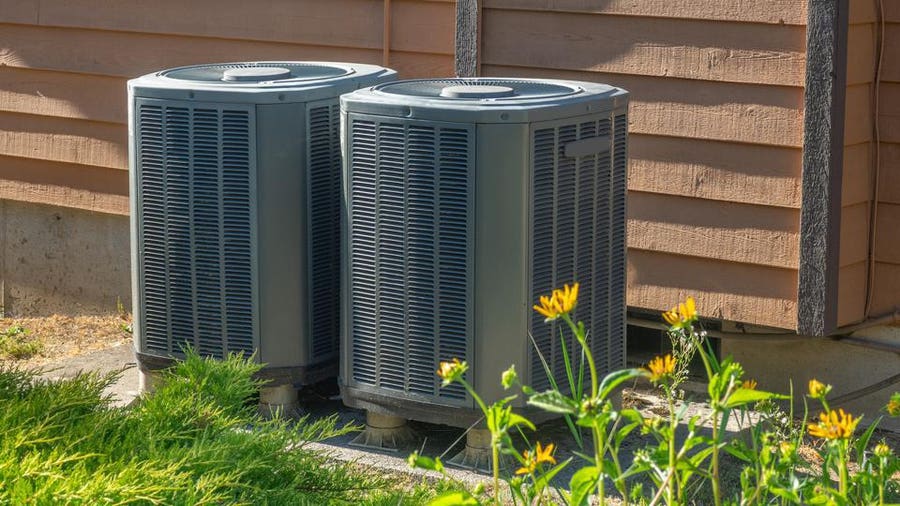
Visual comparison of split, hybrid, ductless mini‑split, and packaged configurations.
Common HVAC Problems and Solutions
HVAC systems can sometimes experience problems. Here are some common issues and their solutions:
Problem Solution
System Not Turning On Check the thermostat and circuit breaker. If the problem persists, call a professional.
Insufficient Heating or Cooling Check the air filters and ducts. Make sure they are clean and unobstructed.
Strange Noises Strange noises can indicate a problem with the system. Call a professional to inspect it.
High Energy Bills High energy bills can result from an inefficient system. Regular maintenance can help improve efficiency.
If you notice refrigerant leaks, ice buildup on the evaporator, or persistent short‑cycling, schedule a service call immediately — these symptoms often signal a failing compressor or restricted airflow. Condenser troubleshooting guide walks through diagnostic steps.
When to Call a Professional
While many maintenance tasks are DIY‑friendly, certain situations demand licensed expertise: refrigerant handling, electrical panel work, gas‑line connections, and any warranty‑related repairs. Attempting these without certification can void warranties and create safety hazards.
Find a certified installer for split‑system setups if you’re planning a new installation.
Frequently Asked Questions
What Is An Hvac System?
An HVAC system provides heating, ventilation, and air conditioning to maintain indoor comfort.
How Does Hvac Improve Air Quality?
HVAC systems filter and circulate air, removing contaminants and ensuring fresh air supply.
Why Is Hvac Maintenance Important?
Regular HVAC maintenance ensures efficiency, reduces breakdowns, and extends the system's lifespan.
What Are The Types Of Hvac Systems?
Common types include split systems, packaged systems, and ductless mini-split systems.
How Often Should I Replace My Air Filter?
Most homes benefit from a filter change every 1–3 months; homes with pets or allergies may need monthly replacement.
Can I Install a Ductless Mini‑Split Myself?
Electrical and refrigerant work requires a licensed technician; improper installation can reduce efficiency by 20 % or more.
What SEER Rating Should I Target in 2026?
Aim for SEER ≥ 16 for cooling‑dominant climates; higher ratings (18‑22) deliver better long‑term savings.
Conclusion
HVAC systems are essential for maintaining comfort and air quality in your home. Understanding how they work and how to maintain them can help ensure they operate efficiently. Whether you are considering a new system or maintaining an existing one, this guide provides valuable information to help you make informed decisions.
Ready to upgrade? Compare the latest high‑efficiency models and schedule a free load‑calculation visit today.
Thank you for reading our comprehensive guide on HVAC systems. We hope you found it helpful and informative.