HVAC scams often involve unnecessary refrigerant recharges, leading to repeat services without addressing the actual issue. Protect yourself by ensuring the HVAC company is licensed, bonded, and insured to avoid getting ripped off by unscrupulous contractors operating without proper credentials.
HVAC repairs can be expensive due to intricate and costly parts, but regular maintenance can help prolong their efficiency. Keeping an eye out for common scam tactics such as overcharging and unnecessary replacements can safeguard you from falling victim to deceptive practices in the HVAC industry. For more on this, see our guide on how does hvac air conditioning differ from standard.
It's essential to stay informed and cautious to prevent being misled by false promises and illegitimate businesses looking to exploit unsuspecting customers.

Credit: www.mid-day.com — visual summary of scam tactics covered below
The Scope Of Hvac Scams
HVAC scams are rampant, and consumers should be cautious when dealing with HVAC service providers. These scams often involve unnecessary services or overcharging for parts and labor. To avoid falling victim to these scams, consumers should ensure that the HVAC company is licensed, bonded, and insured while being wary of "too good to be true" deals and unnecessary inspections. For more on this, see our guide on where does hvac air come from.
Introduction
HVAC scams are prevalent in many areas and can leave unsuspecting homeowners vulnerable to fraud. Understanding the common tactics used in these scams can help you protect yourself from falling victim.
Common Scam Tactics
Overcharging for Parts and Labor: Some dishonest HVAC technicians may inflate prices for parts and services.
“Too Good to Be True” Deals: Be wary of offers that seem too cheap or promise unrealistic savings.
Inappropriately Replacing Components: Unscrupulous technicians may suggest unnecessary replacements to drive up costs.
Urgent System Replacement: Pushing for immediate system replacements without valid reasons is a red flag.
Falsely Representing a Reputable Business: Scammers may pose as reputable companies to gain your trust.
Unnecessary Inspections: Charging for unnecessary inspections or services is a common tactic used in HVAC scams.
Constantly Pushing for a Larger System Size: Overselling the capacity of your HVAC system can lead to unnecessary expenses.
Providing AC Refrigerant Recharging: Claiming that your AC needs frequent recharging when it does not can indicate a scam.
Red Flags Checklist for Quick Reference
When a technician is on-site, keep this mental checklist handy. If you hear or see any of the following, pause and get a second opinion before authorizing work:
- Pressure to decide “today or the price doubles”
- No written estimate or a vague “we’ll figure it out” quote
- Refusal to show a state license number or proof of insurance
- Claim that refrigerant “just gets used up” and needs topping off annually
- Recommendation to replace a system younger than 10–12 years without a load calculation
- Demand for cash-only payment or a large upfront deposit (>10 %)
- Unmarked vehicle, no company shirt, or inability to produce a business card
How To Spot Hvac Scams
Spotting HVAC scams is essential to avoid unnecessary repairs. Be wary of sudden refrigerant recharge recommendations and high-pressure sales tactics. Ensure HVAC companies are licensed, bonded, and insured to safeguard against fraudulent practices. For more on this, see our guide on where does hvac pull air from.
Unnecessary Services
Avoid falling victim to HVAC scams by recognizing red flags like false promises of big savings and unwarranted charges for services like AC refrigerant recharge.
Lack Of Proper Licensing And Insurance
Ensure the HVAC company you hire is licensed , bonded , and insured to protect yourself against potential scams and subpar service.
Verifying Credentials in 2026
Most states now maintain searchable online databases where you can confirm a contractor’s license status in seconds. In practice, a common mistake is assuming a “certified” badge on a website is current — always cross-reference the license number on your state’s licensing board site. Ask for the company’s general liability and workers’ compensation certificates of insurance; legitimate firms will email them without hesitation. If the technician is an employee, confirm the business carries workers’ comp so you’re not liable for on-site injuries.
Protecting Yourself From Hvac Scams
When it comes to repairing or installing HVAC systems, it's crucial to be aware of potential scams. Unscrupulous individuals and companies may try to take advantage of homeowners who are unfamiliar with the industry, leading to unnecessary repairs, overcharging, and subpar work. Protect yourself by being informed and proactive. This article will cover essential steps to safeguard yourself from HVAC scams.
Research And Verification
Before hiring an HVAC contractor, it's vital to conduct thorough research and verification. Verify the legitimacy of the company by checking their certifications, licenses, and insurance. Ensure that the contractor is recognized by reputable industry organizations and has a proven track record of delivering quality work. Always request references and review online customer feedback to gauge their reputation. Take the time to compare multiple quotes to identify any significant discrepancies that may signal potential scams.
Understanding Industry Standards
It's essential to familiarize yourself with industry standards and best practices to detect any deviations from the norm. Educate yourself about common HVAC repairs, installation procedures, and the typical cost of parts and labor. This knowledge will allow you to ask informed questions and identify any irregularities in the contractor's proposed solutions or pricing. Remain vigilant and skeptical of overly aggressive sales tactics, unreasonably low or high quotes, and unrealistic promises.
Typical Cost Benchmarks (2026 Guidance)
While prices vary by region, having rough benchmarks helps you spot outliers. As of 2026, a standard capacitor replacement typically runs $150–$350; a contactor swap $180–$400; a blower motor $400–$900; and a full refrigerant leak search with repair and recharge $500–$1,500 depending on leak location. A complete system replacement for a 2,000 sq ft home generally falls between $7,000 and $14,000 installed. If a quote exceeds these ranges by more than 30 % without a clear explanation (e.g., difficult access, code upgrades), ask for an itemized breakdown.
Legal Recourse For Hvac Scams
When it comes to HVAC scams, it's important to know that you have legal recourse to protect yourself and seek justice. Consumer protection laws are in place to safeguard consumers from fraudulent practices and ensure that they are not taken advantage of. If you have fallen victim to an HVAC scam, it's crucial to understand your rights and options for seeking legal assistance.
Consumer Protection Laws
Consumer protection laws are designed to protect individuals from deceptive and unfair practices by businesses. These laws vary from state to state but generally aim to ensure that consumers are treated fairly and have the right to accurate information, transparent pricing, and quality services. In the case of HVAC scams, consumer protection laws can provide a legal framework to hold the responsible parties accountable for their actions.
Some common consumer protection laws that may apply to HVAC scams include:
Lemon Law: This law protects consumers who purchase defective products, including HVAC systems, and allows them to seek a refund or replacement.
Unfair and Deceptive Trade Practices Act (UDTPA): This act prohibits businesses from engaging in deceptive practices that mislead or harm consumers.
Breach of Contract: If an HVAC company fails to fulfill the terms of a written contract, consumers may have legal grounds to take action and seek compensation.
Seeking Legal Assistance
If you have been a victim of an HVAC scam, it is recommended to seek legal assistance. An experienced attorney who specializes in consumer protection or contract law can help you understand your rights, evaluate your case, and guide you through the legal process.
When seeking legal assistance for HVAC scams, consider the following:
Research and find an attorney who has experience in handling consumer protection cases or is familiar with HVAC scams.
Gather all relevant documents and evidence related to the scam, such as contracts, invoices, and any communication with the HVAC company or technician.
Consult with the attorney to discuss the details of your case and determine the best course of action.
Follow the attorney's advice and guidance throughout the legal process, including filing a complaint, negotiating a settlement, or pursuing a lawsuit.
Remember that taking legal action against HVAC scams not only seeks justice for yourself but also helps protect others from falling victim to these fraudulent practices. By holding scammers accountable, you contribute to creating a safer and more transparent HVAC industry.
Immediate Steps If You Suspect a Scam
If something feels off before you pay, take these actions right away:
- Do not sign any “authorization” form until you’ve read every line.
- Photograph the equipment, the technician’s badge/license, and any parts they claim are “bad.”
- Request a detailed written estimate; if they refuse, end the visit.
- File a complaint with your state attorney general’s consumer protection division and the Better Business Bureau — both accept online submissions.
- Contact your credit-card issuer to dispute the charge if you’ve already paid for work that wasn’t performed or was misrepresented.
https://www.youtube.com/watch?v=tDkrffZKryQ
Community Response To Hvac Scams
Community response has seen a rise in awareness and vigilance against HVAC scams. Residents are urged to verify licensing and credentials of HVAC companies to prevent falling prey to fraud. Consumer protection measures are on the rise to safeguard homeowners from deceptive practices.
Sharing Experiences
Community response to HVAC scams has been strong, with many individuals coming forward to share their experiences and educate others on how to avoid falling victim to such scams. People have taken to online forums and social media platforms to share their stories, warn others, and provide support to those who have been scammed.
By sharing their experiences, individuals help create awareness about the tactics and methods used by scammers, enabling others to recognize red flags and make informed decisions when it comes to hiring HVAC services. These shared experiences serve as a cautionary tale and help protect the community from falling prey to scams.
Online Forums And Support
Online forums and support groups have emerged as important platforms for the community to come together, share information, and seek advice regarding HVAC scams. These forums provide a safe space where victims can discuss their experiences, ask questions, and receive guidance from others who have been through similar situations.
Members of these forums often share tips, recommendations, and resources to help others avoid HVAC scams. They discuss warning signs to look out for, reputable HVAC companies in their area, and even provide referrals based on their personal experiences. The sense of community and support that these forums offer plays a crucial role in empowering individuals and helping them make informed choices when it comes to their HVAC needs.
Credit: www.alarmengineering.com — example of impersonation tactics scammers use
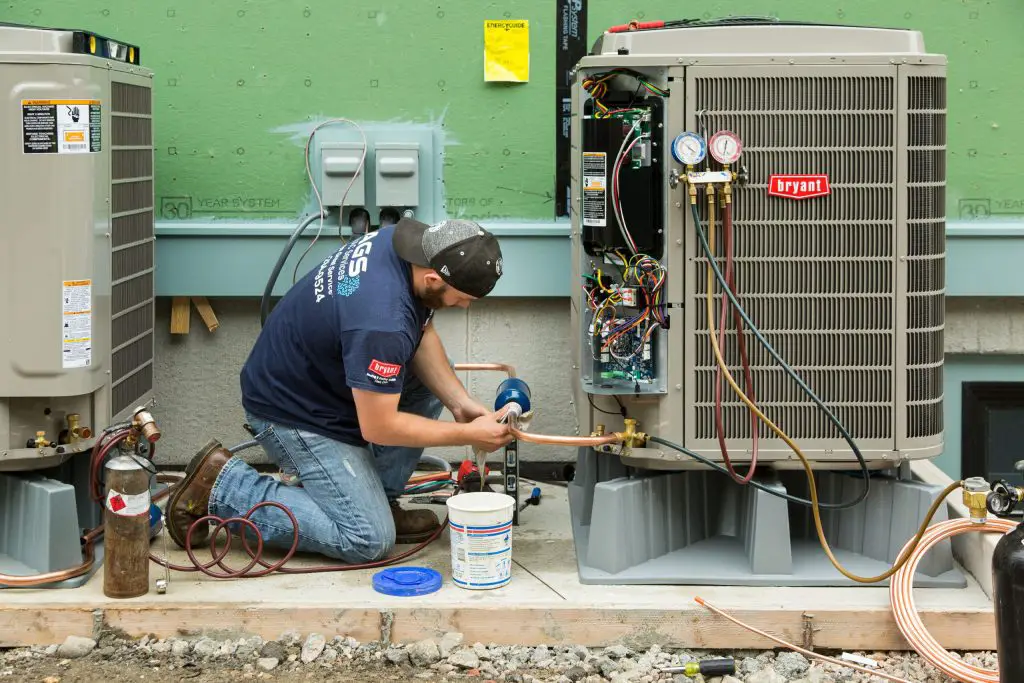
Credit: todayshomeowner.com — legitimate repair work looks like this; ask to see the failed part
Preventive Maintenance to Reduce Scam Exposure
A well-maintained system is the single best defense against opportunistic upsells. When components are clean and calibrated, technicians have fewer “emergencies” to invent. Schedule a professional tune-up each spring for cooling and each fall for heating; expect the visit to include coil cleaning, refrigerant pressure check, electrical connection tightening, and a written report with photos of any marginal parts. Homeowners can also handle monthly filter changes, keeping outdoor units clear of debris, and verifying thermostat batteries — tasks that cost pennies but prevent the “your system is dirty, you need a $2,000 cleaning” pitch. For a deeper dive on seasonal upkeep, see our seasonal air conditioning maintenance tips.
Frequently Asked Questions On Hvac Scams
How Do Ac Scams Work?
AC scams work by claiming an unnecessary refrigerant recharge to sell unneeded services and set up future calls. To avoid falling victim, ensure the HVAC company is licensed, bonded, and insured. HVAC systems are complex, and scams can involve overcharging for parts and labor and providing unnecessary services.
How To Avoid Getting Ripped Off By An Air Conditioning Heating Technician?
To avoid getting ripped off by an air conditioning heating technician, follow these steps:
Ensure the HVAC company is licensed, bonded, and insured to protect yourself. 2. Be cautious of technicians recommending unnecessary services like refrigerant recharges. 3. Research and compare prices for HVAC repairs to avoid overcharging.
Beware of deals that seem too good to be true or pressure to upgrade to a larger system. 5. Trust your instincts and verify the credentials and reputation of the technician before hiring them.
Why Are Hvac Repairs So Expensive?
HVAC repairs are expensive due to the complexity and cost of the parts involved. Regular maintenance can prevent further damage and ensure the system runs efficiently for longer. It is important to hire a licensed and insured HVAC company to avoid scams and unnecessary costs.
Are Hvac Bids Negotiable?
Yes, HVAC bids are negotiable. It's common practice to negotiate with contractors to ensure you're getting the best price.
What Should I Do If a Technician Says My Refrigerant Is Low Every Year?
Refrigerant circulates in a sealed loop — it does not get “used up.” Annual top-offs mean there’s a leak that should be located and repaired, not repeatedly charged. Ask for a leak-search report and a repair plan; if they refuse, get a second opinion.
How Can I Verify a Contractor’s License Instantly?
Most state licensing boards offer a free online lookup by license number or business name. Bookmark your state’s page (e.g., California CSLB, Texas TDLR, Florida DBPR) and check before the appointment. A valid license should be active, not expired, revoked, or suspended.
Conclusion
In this day and age, protecting yourself from HVAC scams is crucial. By remaining vigilant and conducting research, you can avoid falling prey to unscrupulous practices in the industry. Always verify the credentials of HVAC companies, and be cautious of deals that seem too good to be true.
Remember, knowledge is your best defense against potential scams.
Next step: Before your next service call, download our one-page HVAC scam red-flags checklist and keep it near your thermostat.
External Resources for Verification
For official licensing lookup and consumer-protection guidance, consult your state contractor-licensing board (e.g., CSLB in California, TDLR in Texas) and the FTC’s guide on home repair scams.