HVAC Heating Services: Stay Cozy with Expert Solutions
All You Need to Know About HVAC Heating Services
Welcome to our comprehensive guide on HVAC heating services. In this article, we will explore everything you need to know about heating systems. We will cover why they are important, how they work, and tips for maintaining your heating system.
What is HVAC Heating?
HVAC stands for Heating, Ventilation, and Air Conditioning. HVAC heating is a system that keeps your home warm. It includes furnaces, boilers, and heat pumps.
In practice, the term “HVAC” covers both heating and cooling, but many homeowners use it interchangeably with “furnace” or “boiler.” Understanding the distinction helps when comparing equipment or discussing service needs with a technician. For a deeper look at how HVAC differs from standalone air conditioning, see our breakdown of how HVAC systems integrate heating and cooling.
Types Of Heating Systems
There are different types of heating systems. Each has its benefits. Here are the most common ones:
Furnaces: These are very popular in homes. They use gas, oil, or electricity.
Boilers: These heat water to provide warmth. They are efficient and reliable.
Heat Pumps: These can heat and cool your home. They are energy-efficient.
Ductless mini‑split heat pumps are a fast‑growing category — they deliver zoned comfort without ductwork and are ideal for additions or homes without existing ducts. If you’re exploring that route, our split AC installation guide covers the indoor/outdoor unit placement and refrigerant line basics that apply to heating‑capable models as well.
Why HVAC Heating Services Are Important
HVAC heating services are essential for several reasons. Here are the key points:
Comfort: A good heating system keeps your home warm. This is especially important during winter.
Energy Efficiency: Proper maintenance saves energy. This reduces your utility bills.
Longevity: Regular service extends the life of your system. This means fewer replacements.
Safety: Well-maintained systems are safer. They reduce the risk of carbon monoxide leaks.
Beyond safety and savings, a well‑tuned system also improves indoor air quality by keeping humidity in check and filtering particulates — especially important for households with allergies or respiratory conditions. The EPA notes that proper ventilation and filtration are key components of healthy indoor environments (EPA Indoor Air Quality).

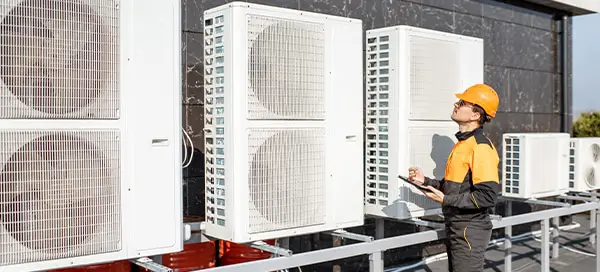
An HVAC technician prepares for a seasonal heating tune‑up.
Credit: www.logan-inc.com
Comparing Heating Fuel Types: Gas, Electric, Oil, and Heat Pumps
Choosing a fuel source shapes upfront cost, operating expense, and environmental impact. Natural‑gas furnaces dominate where pipeline infrastructure exists — they offer low per‑therm cost and instant heat. Propane serves rural areas without gas mains but requires on‑site storage and price tracking. Oil furnaces and boilers remain common in the Northeast; they deliver high BTU output but need annual tank inspections and produce more particulates. Electric resistance (furnaces, baseboard) is 100% efficient at point of use but often the costliest to run unless paired with solar or time‑of‑use rates. Heat pumps move heat rather than create it, delivering 2–4× the energy input as heat; modern cold‑climate models keep capacity down to -15°F. In practice, a dual‑fuel (hybrid) system — heat pump above 30°F, gas furnace below — often yields the lowest annual cost in mixed climates. For a side‑by‑side comparison of top‑rated residential equipment, see our roundup of the best HVAC systems for homes.
How HVAC Heating Systems Work
It's useful to understand how these systems work. Let's break it down:
Efficiency ratings are the quickest way to compare equipment. Furnaces carry an AFUE (Annual Fuel Utilization Efficiency) percentage — modern condensing units reach 90–98%. Boilers also use AFUE, while heat pumps are rated by HSPF (Heating Seasonal Performance Factor) and COP (Coefficient of Performance). Higher numbers mean less waste and lower operating costs.
Furnaces
Furnaces burn fuel to create heat. This heat is then distributed through ducts. The warm air flows into your rooms.
A common mistake is overlooking the combustion air supply — sealed‑combustion furnaces draw air from outside, which improves safety and efficiency. If you have an older atmospheric unit, ensure the mechanical room has adequate ventilation.
Boilers
Boilers heat water. The hot water or steam travels through pipes. Radiators or floor systems then release this heat.
Condensing boilers recover heat from flue gases that would otherwise escape, pushing AFUE above 90%. They require a drain for the acidic condensate, so factor that into retrofit planning.
Heat Pumps
Heat pumps transfer heat from one place to another. They can move heat into your home during winter. In summer, they move heat out.
Cold‑climate heat pumps now maintain rated capacity down to -15°F (-26°C) thanks to variable‑speed compressors and enhanced vapor injection. In practice, they can be the sole heat source in many northern regions, especially when paired with a backup electric resistance strip for the coldest nights.
Heat Pump Defrost Cycles and Cold‑Weather Performance
During heating mode, the outdoor coil becomes colder than ambient air, causing frost buildup. Every 30–90 minutes (demand‑defrost boards optimize this), the system temporarily reverses to cooling mode, sending hot refrigerant to melt the ice. You may notice cool air from registers for 2–10 minutes — this is normal. Excessive defrosting or ice that doesn’t clear signals low refrigerant, a faulty defrost sensor, or restricted airflow. Keep the outdoor unit clear of snow drifts and leaves; a 12‑inch clearance on all sides is a good rule. If you suspect a refrigerant issue, our AC condenser troubleshooting guide walks through pressure checks that apply to heat pumps in heating mode as well.
Maintaining Your HVAC Heating System
Maintaining your system is very important. Here are some tips:
Seasonal maintenance goes beyond the basics below. A thorough professional visit includes checking gas pressure, testing safety controls (limit switches, flame sensors), inspecting the heat exchanger for cracks, verifying venting integrity, and measuring combustion analysis on fuel‑burning equipment. For a printable checklist tailored to each season, see our seasonal air conditioning maintenance tips — many tasks overlap with heating prep.
Regular Inspections
Have a professional inspect your system yearly. This helps find problems early.
Change Filters
Replace filters every 1-3 months. Clean filters make your system work better.
Clean Ducts
Dirty ducts reduce efficiency. Get them cleaned every few years.
Check Thermostat
Make sure your thermostat works well. It should be accurate and easy to use.
Additional tasks that pay off:
Lubricate blower motors and inducer fans where applicable (many newer motors are sealed).
Test carbon monoxide detectors monthly and replace per manufacturer timeline (typically 5–7 years).
Inspect vent pipes for corrosion, blockage, or disconnected joints.
Verify that the condensate drain on condensing furnaces/boilers flows freely.
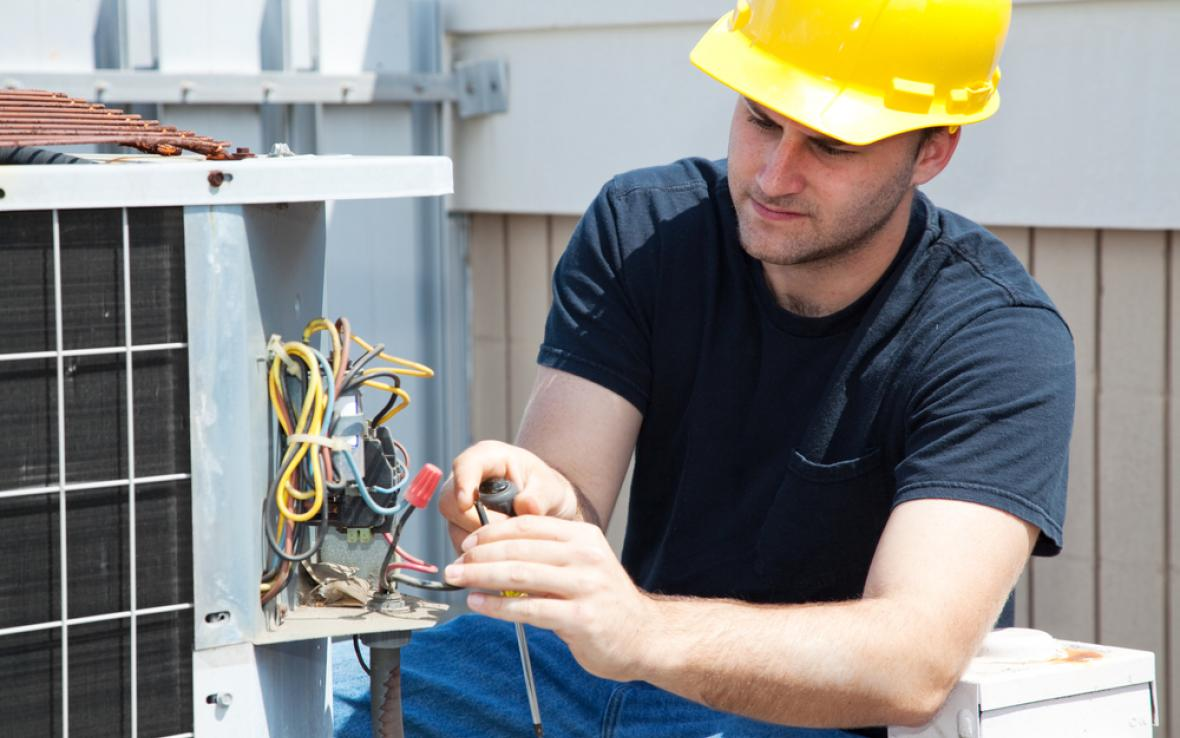
Typical forced‑air furnace layout showing return, filter, blower, heat exchanger, and supply plenum.
Credit: www.gopreferred.com
Advanced Maintenance: Combustion Analysis, Airflow Balancing, and Smart Thermostat Calibration
A professional combustion analyzer measures O₂, CO, CO₂, flue temperature, and steady‑state efficiency — data that reveals heat‑exchanger integrity long before a crack becomes dangerous. Target CO readings under 100 ppm air‑free; anything higher warrants immediate investigation. Airflow balancing (static pressure drop across the coil, temperature rise across the heat exchanger) ensures the system moves the CFM the manufacturer designed for; low flow causes short‑cycling and heat‑exchanger stress, high flow reduces dehumidification and comfort. If you’ve upgraded to a communicating smart thermostat, verify it’s correctly staged for multi‑speed equipment — mismatched staging is a leading cause of comfort complaints. For optimal temperature schedules that balance savings and comfort, review our guide on the best air conditioning settings for energy efficiency — the same principles apply to heating setbacks.
Common HVAC Heating Problems
Sometimes, problems happen. Here are some common issues:
No Heat: This could be a thermostat issue. It might also be a problem with the fuel supply.
Strange Noises: These could mean a mechanical problem. It's best to call a professional.
High Energy Bills: This could mean your system is not efficient. Regular maintenance can help.
Short‑cycling (frequent on/off) often traces to an oversized furnace, a dirty flame sensor, or a restricted airflow issue — all of which a technician can diagnose quickly with the right tools.
Troubleshooting Deep Dive: Short Cycling, Ignition Failure, and Airflow Restrictions
Short cycling — burner runs <3 minutes — wastes fuel and stresses the heat exchanger. Check: filter (replace if dirty), supply/return registers (all open?), blower speed tap (set per manufacturer rise range), flame sensor (clean with fine steel wool), and gas pressure (manifold pressure must match nameplate). Hot‑surface ignitor failure shows as glow‑then‑no‑flame; ignitors are consumable (3–7 year life). Keep a spare matched to your model. High‑limit trips indicate airflow restriction: dirty secondary heat‑exchanger (condensing furnaces), collapsed flex duct, or zone dampers stuck closed. If the inducer runs but pressure switch doesn’t close, inspect the vent termination for ice, bird nests, or sagging pipe. For brand‑specific fault codes, our Gree AC troubleshooting and American Standard AC troubleshooting pages include heating‑mode diagnostics that share control‑board logic with many furnace lines.
When to Call a Professional
Sometimes, you need expert help. Here are times to call a professional:
No Heat: If your system stops working, call for help.
Odd Smells: Strange smells can mean trouble. Get a professional to check it out.
Frequent Cycling: If your system turns on and off often, it might need service.
Any scent of rotten eggs (mercaptan) indicates a gas leak — evacuate and call the utility from a safe distance. A musty smell when the heat first runs may just be dust burning off, but if it persists, it could signal mold in the coil or ductwork.
Choosing the Right HVAC Heating Service
Picking the right service provider is important. Here are some tips:
Check Reviews
Look at online reviews. This helps you find a reliable company.
Ask For References
Ask friends and family for recommendations. They can share their experiences.
Get Multiple Quotes
Compare quotes from different companies. This helps you find the best price.
Ask each contractor for a Manual J load calculation — it’s the industry standard for sizing equipment. Skipping this step often leads to oversized systems that short‑cycle, degrade comfort, and wear out faster. Also verify NATE certification and EPA 608 credentials for refrigerant handling.
Understanding Warranties, Financing Options, and Long‑Term Ownership Costs
Manufacturer warranties typically cover parts for 10 years (registration required) and heat exchangers for 20 years to life. Labor is rarely included — ask about the contractor’s labor warranty (1–10 years) and whether it’s transferable. Extended service agreements can cover annual maintenance, priority scheduling, and parts/labor beyond the base term; evaluate cost vs. likelihood of major repairs (heat exchanger, blower motor, control board). Financing: many utilities offer on‑bill repayment for high‑efficiency upgrades at 0–3.99% APR; manufacturer‑backed programs (e.g., Carrier, Trane, Lennox) often run 60–120 month terms with deferred interest promos. Always calculate total cost of ownership: (install price – rebates/tax credits) + (annual energy cost × 15 years) + (estimated maintenance). A 96% AFUE furnace may cost $1,500 more than an 80% unit but save $300–$500/year in fuel — payback in 3–5 years. For help narrowing equipment choices, start with our guide on how to choose the right air conditioner for your home — the sizing and feature logic applies equally to heating.
Frequently Asked Questions
What Are Hvac Heating Services?
HVAC heating services include installation, maintenance, and repair of heating systems like furnaces, boilers, and heat pumps.
Why Is Hvac Maintenance Important?
Regular HVAC maintenance ensures efficient system performance, reduces energy costs, and extends the lifespan of your heating equipment.
How Often Should Hvac Systems Be Serviced?
HVAC systems should be serviced at least once a year to maintain optimal performance and efficiency.
What Are Common Hvac Heating Problems?
Common issues include thermostat malfunctions, clogged filters, pilot light problems, and uneven heating.
Additional common questions:
What Is the Difference Between AFUE and HSPF?
AFUE measures furnace/boiler fuel efficiency over a heating season; HSPF measures a heat pump’s total heating output divided by electricity consumed over the same period. Both are expressed as ratios — higher is better.
Can I Replace My Furnace With a Heat Pump?
Yes, in many climates a cold‑climate heat pump can fully replace a furnace. A professional load calculation and duct assessment will confirm feasibility.
Are There Tax Credits for High‑Efficiency Heating Equipment?
As of 2026, federal tax credits under the Inflation Reduction Act cover up to 30% of cost (capped at $2,000) for qualifying heat pumps, and up to $600 for qualifying furnaces/boilers. Many utilities offer additional rebates — ask your installer or check the Database of State Incentives for Renewables & Efficiency.
How Do I Know If My Heat Exchanger Is Cracked?
A cracked heat exchanger can leak carbon monoxide. Symptoms include soot buildup, unusual flame pattern, or CO detector alerts. Only a combustion analyzer test by a certified tech can confirm.
What Size Heating System Do I Need?
Sizing must be based on a Manual J load calculation — square‑foot rules of thumb routinely oversize equipment by 30–50%. An oversized system short‑cycles, wastes energy, and fails prematurely. Insist on a room‑by‑room load report before signing a contract.
Should I Repair or Replace My 15‑Year‑Old Furnace?
Use the “$5,000 rule”: if repair cost × system age > $5,000, replacement is usually smarter. Also factor AFUE gain (e.g., 80% → 96% cuts fuel use ~17%), rebate eligibility, and warranty peace of mind.
How Can I Reduce Heating Costs Without Replacing Equipment?
Seal duct leaks (mastic or UL‑181 tape), add attic insulation to R‑49 (climate zone 4–5), install a programmable/setback thermostat, ensure all supply/return registers are unobstructed, and schedule a combustion‑analysis tune‑up — these steps often cut bills 10–20%.
Conclusion
HVAC heating services are important for comfort and safety. Understanding how systems work helps you maintain them. Regular service extends the life of your system. If you have problems, call a professional. Choose a reliable service provider to keep your home warm and cozy.
Ready to schedule your annual heating tune‑up or explore a high‑efficiency upgrade? Contact a certified local HVAC professional today for a personalized assessment.
https://www.youtube.com/watch?v=R1NJzA-GPqE
Frequently Asked Questions
Question Answer
How often should I service my HVAC heating system? Service your system once a year.
What type of heating system is best for my home? It depends on your needs. Consult a professional for advice.
Why is my heating bill so high? Your system might be inefficient. Regular maintenance helps.