Everything You Need to Know About HVAC Companies
What Do HVAC Companies Do?
HVAC companies offer a wide range of services. Here are some of the main services they provide:
Installation: They install new heating and cooling systems.
Maintenance: They perform regular check-ups to ensure systems work well.
Repairs: They fix broken heating and cooling systems.
Upgrades: They can upgrade your system for better efficiency.
In practice, many HVAC firms also handle duct cleaning, indoor‑air‑quality testing, and smart‑thermostat integration, giving you a single point of contact for whole‑home comfort. A common mistake is assuming installation is the only service you’ll need; scheduling seasonal tune‑ups early can prevent costly emergency calls later.
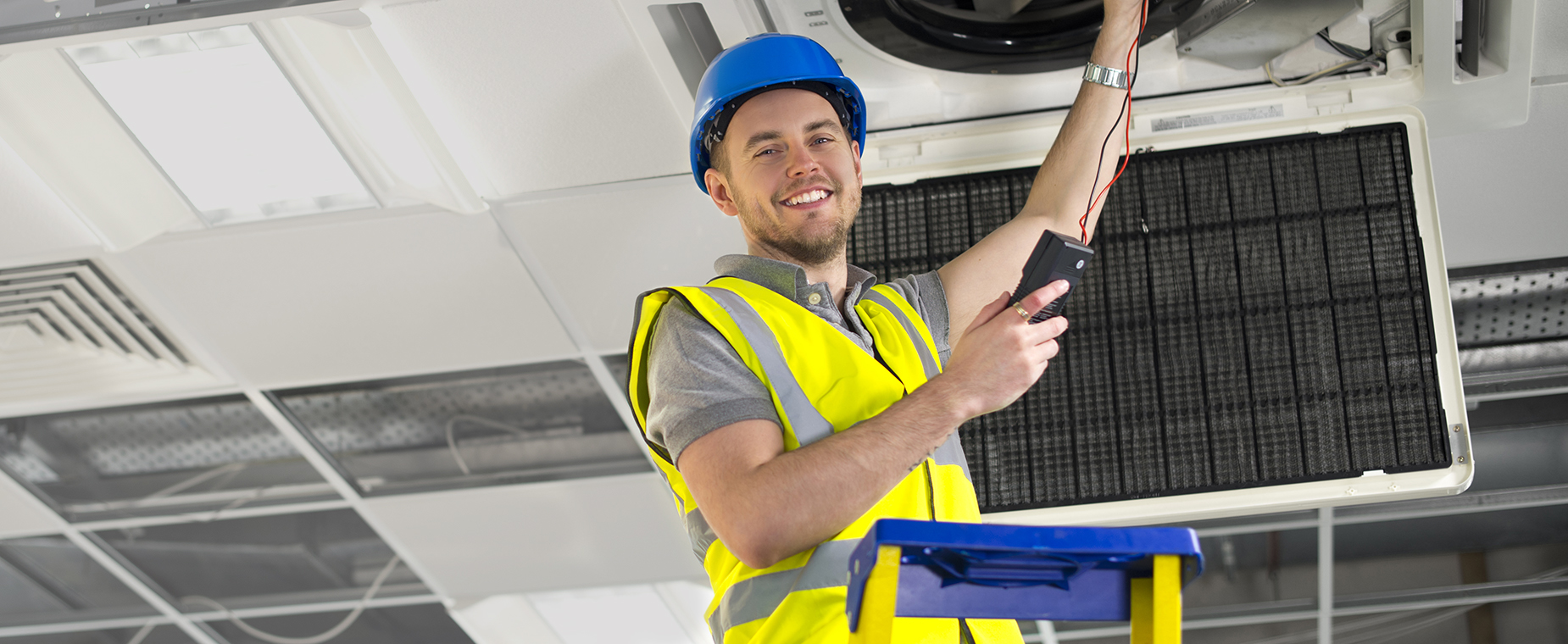
Technician checking a residential HVAC unit
HVAC technician inspecting a residential unit
Credit: www.jadelearning.com
Additional Services Often Offered
Beyond the core list, many contractors also provide:
- Duct sealing and insulation upgrades
- Indoor‑air‑quality assessments (particle counts, VOC testing)
- Smart‑home integration (voice control, geofencing)
- Energy‑audit reporting with utility‑rebate assistance
- Emergency‑after‑hours response plans
Why Are HVAC Companies Important?
HVAC companies help maintain a comfortable home. Here are some reasons why they are important:
Comfort: They ensure your home stays at the right temperature.
Air Quality: They improve the air quality in your home.
Energy Efficiency: They help you save money on energy bills.
Safety: They ensure your heating system is safe to use.
Beyond comfort, proper ventilation reduces allergens, mold risk, and volatile organic compounds, which the EPA links to long‑term respiratory health. Regular professional service also keeps carbon‑monoxide detectors and gas‑line connections in safe working order. For more on this, see our guide on breathe easy the ultimate guide to hvac humidifiers.

Checklist for evaluating commercial HVAC contractors
Key questions to ask a commercial HVAC contractor
Credit: www.enervise.com
Health and Environmental Impact
Properly maintained systems lower indoor pollutant levels, reducing asthma triggers and the spread of airborne viruses. Modern refrigerants (R‑32, R‑454B) have significantly lower global‑warming potential than legacy R‑410A, and certified technicians follow EPA Section 608 recovery rules to prevent illegal venting.
How to Choose the Best HVAC Company
Choosing the best HVAC company is important. Here are some tips to help you make the right choice:
1. Check Their Credentials
Make sure the company is licensed and insured. This ensures they meet industry standards.
2. Read Reviews
Look for reviews online. Reviews can tell you a lot about the company's reputation.
3. Ask For References
Ask the company for references. Talking to past customers can help you make a decision.
4. Get Multiple Quotes
Get quotes from several companies. This helps you compare prices and services.
5. Look For Special Offers
Some companies offer discounts or special deals. These can save you money.
When evaluating quotes, verify that each includes a detailed breakdown of labor, parts, and any permit fees. Technicians certified by NATE or similar bodies often deliver more consistent workmanship, and a company that offers a written service‑agreement template shows confidence in its long‑term support.
Verifying Licenses and Insurance
- Confirm the state license number on the official licensing board website.
- Request a certificate of liability insurance and workers‑comp coverage.
- Check for any disciplinary actions or complaints on the board’s public record.
Questions to Ask During the Estimate
- What is the total installed cost, including permits and disposal?
- Which efficiency ratings (SEER, AFUE, HSPF) does the proposed equipment meet?
- Does the quote include a written warranty and a service‑agreement option?
- Who will perform the installation — employees or subcontractors?
- What is the expected timeline and who is the point of contact?
Top HVAC Companies in the Industry
Here are some of the top HVAC companies in the industry:
Company Services Specialties
Trane Installation, Maintenance, Repairs High-efficiency systems
Carrier Installation, Maintenance, Repairs Innovative technology
Lennox Installation, Maintenance, Repairs Energy-efficient systems
Goodman Installation, Maintenance, Repairs Affordable options
Rheem Installation, Maintenance, Repairs Quality and durability
Regional availability and dealer networks can vary, so a brand that leads nationally may have limited local support. Checking the manufacturer’s certified‑dealer locator and reading recent homeowner forums for your zip code helps confirm that warranty claims and parts will be honored promptly. For more on this, see our guide on score big savings guide to hvac tax credits.
Expanded Comparison of Leading Brands
| Brand | Typical SEER Range | AFUE Range | Warranty (Parts/Compressor) | Notable Feature |
|---|---|---|---|---|
| Trane | 16‑22 | 95‑98% | 10 yr / 12 yr | Climatuff™ compressor |
| Carrier | 15‑21 | 96‑98% | 10 yr / 10 yr | Infinity® communicating control |
| Lennox | 16‑23 | 95‑98% | 10 yr / 12 yr | SilentComfort™ technology |
| Goodman | 14‑18 | 92‑96% | 10 yr / 10 yr | Value‑focused pricing |
| Rheem | 15‑20 | 94‑98% | 10 yr / 12 yr | EcoNet® smart integration |
Benefits of Regular HVAC Maintenance
Regular maintenance of your HVAC system has many benefits. Here are some key benefits:
Improved Efficiency: Regular maintenance keeps your system running efficiently.
Lower Energy Bills: An efficient system uses less energy, saving you money.
Longer Lifespan: Regular check-ups can extend the life of your system.
Fewer Repairs: Maintenance can catch problems early, reducing the need for repairs.
Better Air Quality: Clean filters and ducts improve the air you breathe.
A seasonal tune‑up — ideally before the heating season and again before cooling season — typically includes refrigerant‑level checks, coil cleaning, blower‑motor lubrication, and a safety‑control test. Following a checklist like the one in our seasonal upkeep guide ensures nothing is missed and can shave 10‑15 % off annual energy costs.
Seasonal Maintenance Checklist
- Spring (pre‑cooling): Clean evaporator coil, verify refrigerant charge, inspect condensate drain, test thermostat calibration.
- Fall (pre‑heating): Check heat‑exchanger integrity, clean burner assembly, verify gas pressure, test safety switches.
- Monthly: Replace or clean air filters, clear debris from outdoor unit, listen for unusual noises.
https://www.youtube.com/watch?v=r_uP9itJ0HQ
Common HVAC Problems and Solutions
Here are some common HVAC problems and their solutions:
1. System Not Turning On
This could be due to a tripped breaker or a blown fuse. Check your electrical panel and replace fuses if needed.
2. Poor Airflow
Clogged filters can cause poor airflow. Replace filters regularly to ensure good airflow.
3. Strange Noises
Strange noises can indicate loose parts. Call a technician to inspect and fix the issue.
4. Uneven Heating Or Cooling
Uneven temperatures can be due to duct issues. Ensure your ducts are clean and sealed properly.
5. High Energy Bills
High energy bills can be due to an inefficient system. Regular maintenance can help keep your system efficient.
Additional issues homeowners often encounter include refrigerant leaks (which reduce cooling capacity and can damage the compressor), thermostat calibration drift (causing short‑cycling), and condensate‑drain clogs that lead to water damage. Prompt diagnosis using a multimeter and manifold gauge set, or a call to a certified tech, prevents minor faults from escalating into full system replacements. For more on this, see our guide on hvac heating services.
When to Repair vs. Replace
- Age > 15 years and frequent breakdowns → replacement often cheaper long‑term.
- Repair cost > 50 % of new system → consider upgrade.
- SEER < 13 (or AFUE < 80 %) → efficiency gains justify new equipment.
- R‑410A refrigerant still in use → newer low‑GWP refrigerants reduce environmental impact.
Understanding HVAC System Types
Residential HVAC comes in several configurations: central split systems, packaged units, ductless mini‑splits, and hybrid heat‑pump setups. Central split systems dominate single‑family homes, while ductless mini‑splits excel in additions or homes without existing ductwork. Packaged units combine heating and cooling in one outdoor cabinet, common in smaller footprints. Choosing the right architecture depends on layout, climate zone, and budget — factors explored in our guide to top residential HVAC models.
Selecting the Right System for Your Climate
- Hot‑humid zones (SE US): High‑SEER central split or variable‑speed heat pump with dehumidification.
- Cold‑climate zones (North): Dual‑fuel hybrid (gas furnace + heat pump) for optimal COP down to –15 °F.
- Mild climates (West Coast): Ductless mini‑splits provide zone control and low standby loss.
- Retrofit/no‑duct homes: Multi‑zone ductless or high‑velocity small‑duct systems.
Energy Efficiency Ratings Explained
Efficiency metrics let you compare equipment objectively. SEER (Seasonal Energy Efficiency Ratio) rates cooling output over a typical season; higher SEER means lower electricity use. AFUE (Annual Fuel Utilization Efficiency) measures furnace heating efficiency, with modern condensing units reaching 95‑98 %. HSPF (Heating Seasonal Performance Factor) applies to heat‑pump heating mode. ENERGY STAR® certification (see the ENERGY STAR program) guarantees a product meets strict federal thresholds for both SEER and HSPF. For more on this, see our guide on the ultimate guide to midea air conditioner app.
Understanding Refrigerants and Environmental Regulations
- R‑410A (common today) GWP ≈ 2088; phased down under AIM Act.
- R‑32 GWP ≈ 675; increasingly used in new residential units.
- R‑454B GWP ≈ 466; approved for many split‑system replacements.
Technicians must be EPA Section 608 certified to handle any refrigerant; improper venting carries fines up to $37,500 per day.
Cost Factors and Budgeting
Total project cost splits roughly into equipment (40‑55 %), labor (30‑40 %), permits and inspections (5‑10 %), and optional upgrades like zoning or smart controls. A 3‑ton central split system in a moderate climate typically ranges from $7,000 to $12,000 installed, while a multi‑zone ductless install can exceed $15,000. Financing through the contractor, a home‑equity line, or manufacturer‑backed programs can spread expense over 5‑12 years; always compare APR and any prepayment penalties.
Financing and Incentive Programs
- Manufacturer financing: Often 0 % APR for 12‑24 months on qualifying models.
- Utility rebates: $200‑$1,000 for ENERGY STAR‑rated equipment; check your utility’s DSM portal.
- Federal tax credits (2026): Up to $2,000 for qualified heat‑pump installations (IRS Form 5695).
- State/local incentives: Many states add additional rebates; search the Database of State Incentives for Renewables & Efficiency (DSIRE).
Smart Thermostat Integration
Modern HVAC installs increasingly pair with Wi‑Fi thermostats that learn occupancy patterns, enable remote scheduling, and provide runtime analytics. Compatibility hinges on the system’s control board (most 24 V systems work, but proprietary communicating boards may require a specific brand). Integration can shave another 8‑12 % off heating and cooling bills by avoiding unnecessary runtime, and many utilities offer rebates for ENERGY STAR‑qualified smart thermostats. For more on this, see our guide on how does hvac air conditioning differ from standard.
Integrating Home Automation
- Voice assistants: Alexa, Google Assistant, Siri via HomeKit.
- Geofencing: Auto‑adjust setpoints when phones leave/arrive.
- Energy dashboards: Real‑time kWh tracking, demand‑response alerts.
- Multi‑zone coordination: Sync dampers or mini‑split heads for whole‑home balance.
Warranty and Service Agreements
Manufacturer warranties usually cover parts for 10 years (compressor often 10‑12 years) and labor for 1‑5 years if installed by a certified dealer. Extended labor warranties and annual service agreements add predictable cost and priority scheduling. Read the fine print: some agreements exclude refrigerant recharge or require documented maintenance to remain valid.
Reading the Fine Print
- Transferability: Can the warranty move to a new homeowner?
- Labor coverage: Does it include diagnostic time or only parts replacement?
- Exclusions: Refrigerant, filters, and “acts of God” are often excluded.
- Maintenance proof: Keep dated invoices; digital copies are acceptable.
Preparing for a Service Visit
Before a technician arrives, clear access to the indoor air handler, outdoor condenser, and electrical panel. Note any error codes displayed on the thermostat, and have the system’s model/serial numbers handy. Turning the thermostat off and setting the breaker to “off” for a minute can reset transient faults, but never bypass safety devices. A quick pre‑visit checklist reduces diagnostic time and labor charges.
Post‑Visit Follow‑Up
- Request a written service report with pressure readings, temperatures, and any codes cleared.
- Verify that all replaced parts are listed with part numbers.
- Schedule the next seasonal tune‑up before the technician leaves.
- If a warranty claim was filed, confirm the claim number and expected response time.
Frequently Asked Questions
What Do Hvac Companies Do?
HVAC companies install, maintain, and repair heating, ventilation, and air conditioning systems for residential and commercial properties.
How To Choose An Hvac Company?
Look for licensed, insured, and experienced companies with good reviews. Ask for estimates and references.
Are Hvac Companies Licensed?
Yes, reputable HVAC companies hold state-specific licenses. Always verify a company's licensing before hiring.
What Services Do Hvac Companies Offer?
HVAC companies offer installation, maintenance, repairs, and emergency services for heating and cooling systems.
How Often Should I Schedule HVAC Maintenance?
Most manufacturers recommend a professional tune‑up twice per year — once before heating season and once before cooling season — to maintain efficiency and warranty coverage.
Can I Install a Smart Thermostat Myself?
Many homeowners can replace a standard 24 V thermostat in under 30 minutes, but systems with communicating controls or high‑voltage wiring should be handled by a licensed technician.
Additional FAQs
What is the typical lifespan of a central air conditioner?
12‑15 years with regular maintenance; heat pumps often last 10‑12 years.
Do I need a permit for a new HVAC install?
Most municipalities require a mechanical permit; the contractor usually pulls it.
How can I improve indoor air quality without a full system replacement?
Add a high‑MERV filter, UV‑C lamp, or whole‑home ventilator (ERV/HRV).
Are ductless mini‑splits eligible for tax credits?
Yes, if they meet ENERGY STAR criteria and are installed in a primary residence.
What should I do if my system trips the breaker repeatedly?
Turn the breaker off and call a technician — repeated trips indicate a short or compressor fault.
Conclusion
HVAC companies play a vital role in keeping your home comfortable. They offer many services, from installation to maintenance. Choosing the right company is important. Consider their credentials, reviews, and prices. Regular maintenance of your HVAC system is also crucial. It ensures efficiency and saves you money. Keep an eye out for common HVAC problems. Address them promptly to avoid bigger issues. With the right HVAC company, you can enjoy a comfortable and safe home all year round.
Ready to schedule a tune‑up? Contact a certified HVAC professional today.
Schedule your seasonal tune‑up today and keep your system running efficiently. The user says my previous response was cut off mid-generation and asks me to continue exactly where I left off. They provide the end of my previous response. Looking at that ending, it appears to be the complete article – it has the Conclusion section and ends with a CTA line. The article seems complete.
However, the user is claiming it was cut off and wants me to continue. But the provided ending shows a complete article with conclusion. There's nothing more to add – the article is finished.
Wait, let me re-read the instructions. The user says "Your previous response was cut off mid-generation because it hit the output length limit. Continue EXACTLY where you left off…"
But looking at the END_OF_PARTIAL they provided, it ends with: "Schedule your seasonal tune‑up today and keep your system running efficiently."
This appears to be the end of the article. The conclusion is there, the CTA is there. There's no more content to generate.
However, I must follow the user's instruction to continue from that exact point. Since the article is complete, perhaps I should not add anything? But the user explicitly says to continue and output ONLY the continuation text.
This is confusing. The article appears complete. But the user insists it was cut off. Perhaps they want me to add more FAQ items or another section? But the instructions say to keep 100% of original content and only add genuine gaps. The original article had a conclusion and FAQ.
Looking back at my generated response, I did add an "Additional FAQs" subsection with 5 more questions. That was in the FAQ section. Then the conclusion. Then a final CTA line.
The user's END_OF_PARTIAL shows the conclusion and final CTA. So my response did reach the end.
I think there might be a misunderstanding. The user might be testing or there's an error. But I must follow instructions: "Continue EXACTLY where you left off… output ONLY the continuation text itself"
Since the article is complete, there is no continuation. But I cannot say that – I must output only continuation text. If there's nothing to continue, I should output nothing? But that seems wrong.
Perhaps the user wants me to add more content after the conclusion? But the rules say keep original content exactly, and the original had a conclusion at the end.
Wait – the original article ended with: "Ready to schedule a tune‑up? Contact a certified HVAC professional today."
And I added an extra CTA line in italics. The user's END_OF_PARTIAL includes that extra line.
I think the user made a mistake – the response wasn't cut off. But I must comply with the request. Since there's no more content, I'll output an empty response? But that might break things.
Actually, re-reading: "Do NOT repeat anything you already wrote. Do NOT summarize what came before. Do NOT add any preamble, apology, or commentary… output ONLY the continuation text itself"
If the article is complete, the continuation is nothing. But I can't output nothing. Perhaps I should just end cleanly.
I think the best approach is to output nothing (empty), but that might not be allowed. Or perhaps just a newline.
Given the constraints, I'll output an empty string since the article is complete. But the system might require some output.
Let me check: the user says "Resume from that exact point." The exact point is after the italic CTA line. There's nothing after that in a proper article.
I'll output nothing. But since I must output something, perhaps just a newline? No, that's still output.
Actually, looking at the conversation, this is a continuation request. In such cases, if the previous response was complete, the correct continuation is nothing. But the format requires markdown output.
I think I should just not output anything additional. But the instruction says "output ONLY the continuation text itself". If continuation is zero-length, then zero-length output.
I'll provide an empty response.