HVAC Company Essentials: Boost Your Comfort & Savings Now!
Everything You Need to Know About HVAC Companies
HVAC stands for Heating, Ventilation, and Air Conditioning. An HVAC company provides services that keep your home or business comfortable. Let's explore what an HVAC company does and why it's important.
Understanding the different system types helps you ask better questions during a consultation. Central forced‑air, ductless mini‑splits, heat pumps, and packaged units each have distinct installation requirements and efficiency profiles. For a deeper comparison of how these technologies differ, see the breakdown of differences between HVAC and standard AC and the guide to top residential HVAC systems.
What is an HVAC Company?
An HVAC company specializes in heating, ventilation, and air conditioning systems. These systems control the temperature and air quality in your home or office. HVAC companies install, repair, and maintain these systems.
Services Offered By Hvac Companies
HVAC companies offer a range of services. These services ensure your heating and cooling systems work efficiently.
Installation : Installing new HVAC systems in homes or businesses.
Repair : Fixing any issues with existing HVAC systems.
Maintenance : Regular check-ups to keep HVAC systems running smoothly.
Consultation : Advising on the best HVAC solutions for specific needs.
Why is HVAC Important?
HVAC systems are crucial for comfort and health. They regulate temperature and improve air quality. Let's see why HVAC systems are so important.
Comfort
HVAC systems keep your home warm in winter and cool in summer. This makes your home comfortable all year round.
Air Quality
Good ventilation removes pollutants from the air. This leads to better air quality and a healthier living environment.
Beyond temperature and particles, proper HVAC design controls humidity levels, which inhibits mold growth and reduces allergens. Balanced humidity also protects wood furnishings and improves sleep quality. According to the U.S. Environmental Protection Agency, maintaining indoor relative humidity between 30 % and 50 % is a key strategy for healthier indoor air. Energy‑efficient equipment — rated by SEER2 for cooling and AFUE for heating — further lowers utility costs while shrinking your carbon footprint.
HVAC professionals from Barron Heating and Air Conditioning
Credit: www.achrnews.com
How to Choose the Right HVAC Company
Choosing the right HVAC company is crucial. Here are some tips to help you make the best choice.
Check Reviews
Read online reviews to learn about the company's reputation. Look for companies with positive feedback from customers.
Ask For Recommendations
Ask friends and family for recommendations. They can share their experiences with different HVAC companies.
Get Multiple Quotes
Contact several HVAC companies and get quotes. Compare prices and services before making a decision.
Check Certifications
Ensure the HVAC company is certified and licensed. This guarantees they meet industry standards.
Verify Insurance and Warranties
Confirm the contractor carries liability insurance and workers’ compensation coverage. Ask for written warranties on both labor and equipment — reputable firms typically offer at least a one‑year labor guarantee alongside the manufacturer’s parts warranty.
Ask About Emergency Services
Find out whether the company provides 24/7 emergency response and what the after‑hours rates are. A clear emergency policy prevents surprise charges during a breakdown.
For a step‑by‑step approach to selecting equipment that matches your home’s load, review selecting the right air conditioner and the comparison of air conditioners and HVAC systems.
https://www.youtube.com/watch?v=HFinv6wyaZg
Video: HVAC basics for homeowners
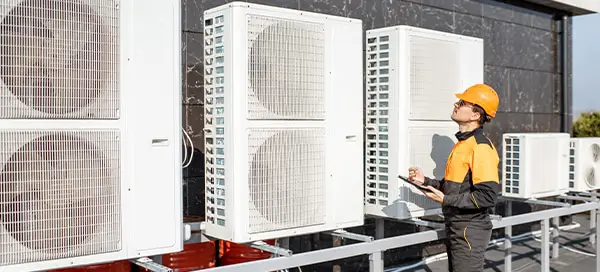
Technician performing maintenance on a condenser unit
Credit: www.jadelearning.com
Benefits of Regular HVAC Maintenance
Regular maintenance is key to keeping your HVAC system in top shape. Here are some benefits of regular HVAC maintenance.
Improved Efficiency
Regular maintenance ensures your system runs efficiently. This can lower your energy bills.
Longer Lifespan
Well-maintained HVAC systems last longer. This means you won't need to replace them as often.
Fewer Breakdowns
Regular check-ups can catch problems early. This reduces the chance of unexpected breakdowns.
Better Air Quality
Clean filters and ducts improve air quality. This creates a healthier environment in your home.
In practice, a seasonal tune‑up pays for itself: cleaning coils restores heat‑transfer efficiency, lubricating motors reduces amp draw, and verifying refrigerant charge prevents compressor strain. Many utilities offer rebates for documented maintenance — check your provider’s website. For a printable checklist tailored to each season, see the seasonal maintenance checklist.
Common HVAC Problems and Solutions
HVAC systems can have issues from time to time. Here are some common problems and their solutions.
Problem: No Heating Or Cooling
Solution: Check the thermostat settings. Ensure the system is set to the correct mode.
Problem: Poor Airflow
Solution: Clean or replace air filters. Ensure vents are not blocked.
Problem: Unusual Noises
Solution: Call an HVAC technician. Strange noises can indicate a mechanical problem.
Problem: High Energy Bills
Solution: Schedule a maintenance check. An inefficient system can use more energy.
Additional frequent issues include refrigerant leaks (indicated by hissing sounds and reduced cooling), frozen evaporator coils (often caused by restricted airflow), short‑cycling (system turns on/off rapidly due to oversized equipment or faulty thermostat), and thermostat calibration drift. Prompt diagnosis by a certified technician prevents minor faults from escalating into major repairs.
HVAC Energy Efficiency Ratings Explained
Modern equipment carries standardized metrics that let you compare operating costs. SEER2 (Seasonal Energy Efficiency Ratio) measures cooling efficiency over a typical season; higher numbers mean lower electricity use. AFUE (Annual Fuel Utilization Efficiency) rates gas‑furnace heating efficiency — 90 % AFUE means 90 % of fuel becomes heat. HSPF2 (Heating Seasonal Performance Factor) applies to heat‑pump heating mode. As of 2026, the U.S. Department of Energy requires minimum SEER2 of 14.3 in the North and 15.2 in the South for split systems. Choosing ENERGY STAR‑certified models ensures you exceed these baselines and may qualify for federal tax credits.
Smart Thermostats and HVAC Integration
Wi‑Fi‑enabled thermostats learn occupancy patterns, adjust setpoints automatically, and provide energy‑use reports. Many models integrate with utility demand‑response programs, earning bill credits for allowing brief temperature adjustments during peak hours. Compatibility varies — verify that your HVAC system’s control board supports the thermostat’s wiring (C‑wire, multi‑stage, heat‑pump auxiliary). Professional installation avoids miswiring that can damage the control board.
Indoor Air Quality Enhancements
Beyond basic filtration, whole‑home air purifiers (UV‑C, photocatalytic oxidation, or media filters with MERV 13+), humidifiers, dehumidifiers, and energy‑recovery ventilators (ERVs) can be added to the ductwork. These accessories address viruses, VOCs, excess dryness or moisture, and stale air without opening windows. Proper sizing and airflow balancing are critical; an oversized purifier can restrict airflow and raise static pressure, harming the blower motor.
Cost Factors and Financing Options for HVAC Services
Project cost depends on system type, capacity (tons), efficiency tier, ductwork modifications, electrical upgrades, and local labor rates. A typical 3‑ton central AC replacement ranges from $5,000 to $12,000 installed; high‑efficiency heat pumps and ductless multi‑zone systems sit at the higher end. Many contractors partner with lenders for 0 % APR promotional financing (12–60 months) or offer in‑house payment plans. Always request an itemized quote separating equipment, labor, permits, and disposal fees.
Emergency HVAC Services: What to Expect
When a system fails during extreme weather, emergency dispatch prioritizes safety hazards (gas leaks, electrical shorts) first. Expect a diagnostic fee ($80–$150) plus hourly labor and parts markup. Reputable firms provide a written estimate before proceeding. Keep your manufacturer’s warranty paperwork and maintenance records handy — they can reduce out‑of‑pocket costs if a covered component fails.
Frequently Asked Questions
What Does An Hvac Company Do?
An HVAC company installs, maintains, and repairs heating, ventilation, and air conditioning systems for residential and commercial properties.
How Often Should Hvac Be Serviced?
HVAC systems should be serviced at least once a year to ensure efficient operation and longevity.
Why Is Hvac Maintenance Important?
Regular HVAC maintenance improves system efficiency, prevents costly repairs, and ensures a comfortable indoor environment year-round.
What Is Included In Hvac Maintenance?
HVAC maintenance includes cleaning filters, checking refrigerant levels, inspecting electrical connections, and testing system performance.
Next Steps: Schedule Your HVAC Service
Ready to improve comfort and lower energy bills? Contact a certified HVAC professional for a free, no‑obligation estimate today.
Conclusion
HVAC companies play a vital role in maintaining comfortable and healthy living spaces. They offer essential services like installation, repair, and maintenance. Regular maintenance can improve efficiency, extend the lifespan of your system, and ensure better air quality. By choosing the right HVAC company, you can enjoy a comfortable and healthy environment year-round.
Make sure to check reviews, get recommendations, and verify certifications when choosing an HVAC company. Regular maintenance and prompt attention to issues can keep your HVAC system running smoothly. Keep these tips in mind, and you'll be well on your way to a comfortable and efficient home or office.