HVAC Capacitor 101: Essential Guide to Boost Your System's Efficiency
HVAC Capacitor: Everything You Need to Know
Welcome to our detailed guide on HVAC capacitors. These small but mighty components are crucial for your HVAC system. Let's dive in and learn all about them.
What is an HVAC Capacitor?
An HVAC capacitor is a small device that stores and releases electrical energy. It helps your HVAC system start and run smoothly. For more on this, see our guide on air conditioner hvac system.
Functions Of An Hvac Capacitor
The HVAC capacitor has two main functions:
Starting the motor
Keeping the motor running
Without a capacitor, your HVAC system cannot work efficiently.
In practice, the capacitor also smooths voltage spikes that can damage the compressor windings, so a healthy unit protects the entire refrigeration circuit.
https://www.youtube.com/watch?v=9OloCzaSPWE

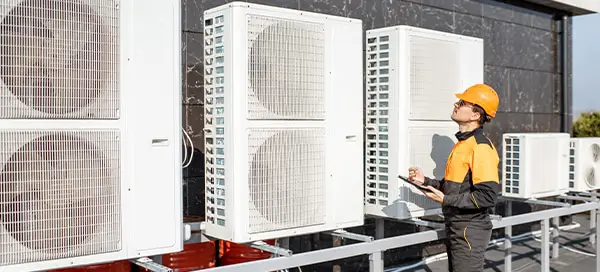
Credit: homeguide.com Technician replacing an AC capacitor on an outdoor condensing unit.
Types of HVAC Capacitors
There are different types of capacitors. Each type has a specific role in the HVAC system.
Run Capacitor
The run capacitor stays in the circuit all the time. It provides a steady supply of power to keep the motor running.
Start Capacitor
The start capacitor helps the motor start up. It provides a burst of energy and then disconnects from the circuit.
Dual Run Capacitor
This type of capacitor serves two motors. It combines the functions of a run capacitor and a start capacitor.
Types of HVAC Capacitors
Type Function Usage
Run Capacitor Keeps motor running In circuit all the time
Start Capacitor Helps motor start Disconnects after start
Dual Run Capacitor Serves two motors Combines run and start functions
Capacitor Ratings: Voltage and Microfarads
Every capacitor carries a voltage rating (typically 370 V or 440 V for residential units) and a capacitance value in microfarads (µF). Matching both numbers exactly to the nameplate on the old part is critical; a higher voltage rating is acceptable, but a lower one will fail quickly, and an incorrect µF value will cause the motor to run hot or not start at all.
For a deeper look at how system design influences component selection, see our overview of top residential HVAC picks.
Signs of a Bad HVAC Capacitor
It's important to know when your HVAC capacitor is failing. Here are some signs:
The HVAC system won't start
The system makes a clicking sound
The system runs but doesn't blow cold air
The system turns off by itself
If you notice any of these symptoms, the capacitor is a prime suspect, but similar behavior can also stem from a faulty contactor or a refrigerant charge issue. A quick multimeter check (see next section) helps isolate the cause.
For a systematic approach to diagnosing warm‑air complaints, refer to our guide on how to diagnose warm‑air issues.
How to Test an HVAC Capacitor
Testing an HVAC capacitor is simple. You just need a multimeter. Here are the steps:
Turn off the power to the HVAC system.
Locate the capacitor.
Discharge the capacitor by shorting its terminals with an insulated screwdriver.
Set your multimeter to capacitance mode.
Connect the multimeter probes to the capacitor terminals.
Check the reading against the capacitor's rating.
If the reading is far from the rating, you need to replace the capacitor.
A common mistake is forgetting to discharge the capacitor first; the stored charge can deliver a painful shock and damage the meter. Always verify zero volts with a non‑contact tester before touching the terminals.
When the capacitor tests good but the system still misbehaves, the next step is often condenser fault finding.
How to Replace an HVAC Capacitor
Replacing an HVAC capacitor is not very hard. Here are the steps:
Turn off the power to the HVAC system.
Locate the capacitor.
Discharge the capacitor by shorting its terminals with an insulated screwdriver.
Note the wiring connections or take a picture.
Remove the old capacitor.
Install the new capacitor.
Reconnect the wires as noted or in the picture.
Turn on the power to the HVAC system.
Always follow safety precautions when working with electrical components.
Common Mistakes to Avoid When Replacing a Capacitor
- Using the wrong µF rating – even a 10 % mismatch can overheat the motor.
- Reversing the leads on a dual run capacitor – the “C”, “FAN”, and “HERM” terminals are not interchangeable.
- Skipping the discharge step – residual charge can arc and weld the screwdriver to the terminals.
- Omitting a new mounting strap – vibration will loosen an old strap and cause premature failure.
If you’re unsure about any step, the safest route is to call a licensed technician.
Maintaining Your HVAC Capacitor
Regular maintenance can extend the life of your HVAC capacitor. Here are some tips:
Check the capacitor visually for signs of damage.
Test the capacitor periodically with a multimeter.
Keep the HVAC system clean to reduce strain on the capacitor.
Proper maintenance can prevent unexpected failures and costly repairs.
The U.S. Department of Energy notes that regular HVAC maintenance can improve efficiency by up to 15% U.S. Department of Energy.
A seasonal upkeep routine that includes coil cleaning, filter changes, and capacitor checks keeps the whole system running smoother. See our seasonal upkeep routine for a printable checklist.
When to Call a Professional
- The capacitor tests within spec but the compressor still won’t start.
- You see oil residue or a bulging case on the capacitor.
- The system trips the breaker repeatedly after a capacitor swap.
- You lack a properly rated multimeter or insulated tools.
Cost Considerations
A typical run capacitor costs $10‑$30, while a dual run unit runs $20‑$45. Labor for a professional replacement averages $120‑$200 depending on region. DIY saves the labor charge but adds risk; weigh the cost of a potential service call against the price of a new part.
Credit: dolphincooling.com Close-up view of a dual run capacitor showing terminal connections.
Frequently Asked Questions
What Is An Hvac Capacitor?
An HVAC capacitor stores and releases electrical energy to help start and run your HVAC system efficiently.
How Do Hvac Capacitors Work?
HVAC capacitors provide the initial boost of energy to start the motor and stabilize voltage during operation.
What Are The Types Of Hvac Capacitors?
There are two main types: start capacitors and run capacitors, each serving different functions within the system.
How Long Do Hvac Capacitors Last?
Typically, HVAC capacitors last around 10-20 years, depending on usage and environmental conditions.
Can I Use a Higher Voltage Rated Capacitor?
Yes, a capacitor with a higher voltage rating than the original is safe and often more durable, provided the µF value matches exactly.
What Happens If I Install the Wrong µF Value?
The motor will draw excess current, run hot, and may fail prematurely; the system may also short‑cycle or refuse to start.
Should I Replace Both Capacitors at Once?
On systems with separate start and run capacitors, replace the failed one first. On a dual run capacitor, the single part serves both motors, so only one replacement is needed.
Conclusion
The HVAC capacitor is a small but vital part of your HVAC system. Understanding its function, types, and maintenance can help you keep your system running smoothly. Always pay attention to signs of a failing capacitor and replace it if necessary. Regular maintenance will ensure your HVAC system works efficiently for years to come.
Ready to keep your system at peak performance? Schedule a professional tune‑up or grab the exact replacement capacitor for your model today.