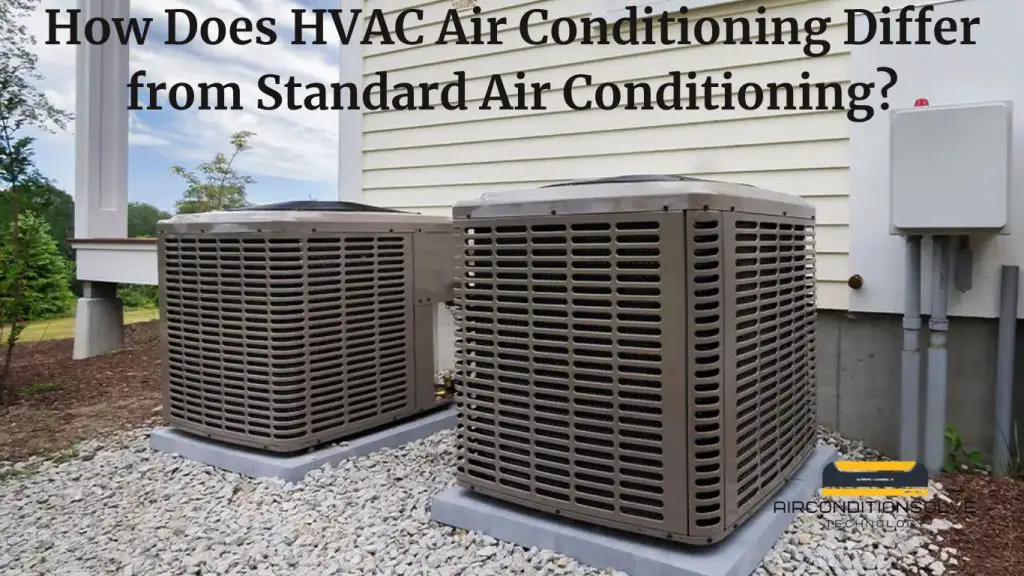
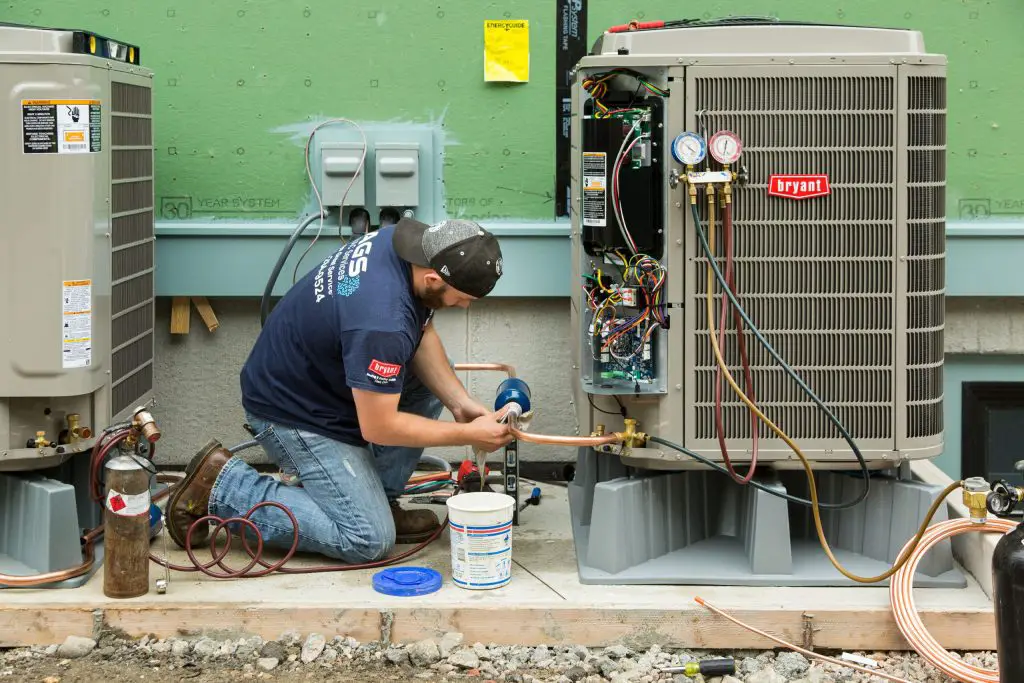
An HVAC air trap prevents air from entering or escaping while draining liquid condensate. HVAC air traps are essential for preventing air infiltration and ensuring proper drainage in HVAC systems.
They help maintain system efficiency and prevent issues such as condensation pooling and leaks. Additionally, air traps are crucial for complying with installation instructions and local codes. By understanding the role of air traps in HVAC systems, contractors can ensure optimal performance and longevity of their equipment.
Trusted brands like Supco and Des Champs offer a variety of air trap solutions to meet different needs and budgets in the Austin, Texas area. As of 2026, these brands and similar waterless trap solutions are widely available across the United States through online distributors and local HVAC supply houses. Whether looking for a negative pressure waterless trap or a traditional P-trap replacement, there are options available to suit various applications. Properly installed air traps are essential components for effective HVAC system operation and maintenance.
Understanding Hvac Air Traps
Understanding HVAC Air Traps
Understanding HVAC Air Traps: HVAC air traps play a crucial role in maintaining the integrity and efficiency of HVAC systems. These traps help in managing pressure differentials within the system while preventing issues such as condensation buildup and air leakage, ensuring optimal performance.
Purpose of Air Traps in HVAC Systems HVAC air traps serve the purpose of:
Preventing condensate buildup in the system
Managing pressure differentials effectively
Avoiding air leakage in the HVAC system
Negative vs. Positive Pressure Applications In a negative pressure system, the air trap prevents condensation from pooling in the air handler, while in a positive pressure system, it ensures that conditioned air remains within the system without leakage.
In practice, the pressure differential across the coil determines the trap depth required; a common mistake is undersizing the trap for high-static-pressure air handlers, which can lead to seal loss and air ingestion. Proper trap sizing follows the manufacturer’s static pressure charts and ASHRAE 62.1 guidance for condensate management.
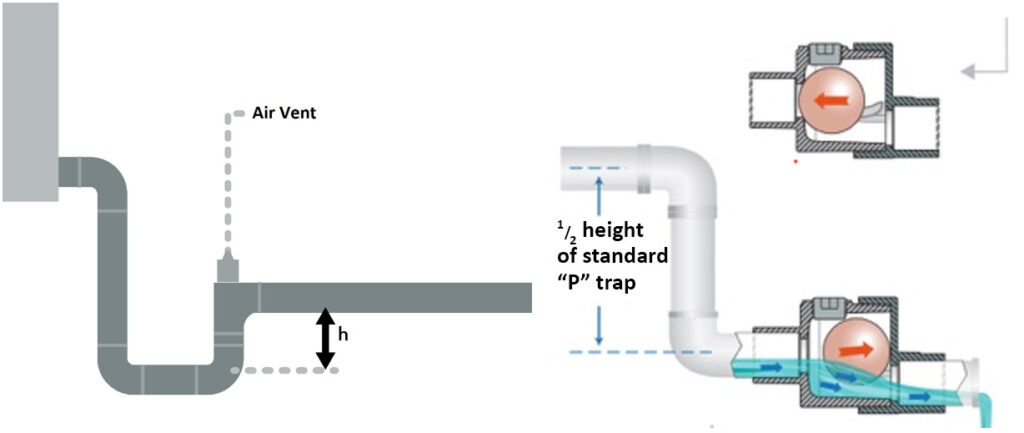
Figure 1: P-trap configuration for negative pressure systems.
Credit: wcec.ucdavis.edu
Benefits Of Hvac Air Traps
Benefits of HVAC Air Traps
HVAC Air traps effectively prevent air movement within equipment, maintaining optimal performance.
By installing HVAC Air Traps , you can prevent leaks and messy situations caused by condensation buildup.
With HVAC Air Traps , equipment operates efficiently without air disruption.
Beyond the basics, waterless air traps eliminate the evaporation losses of traditional P-traps, which translates to consistent seal integrity during off-season shutdowns. This reliability directly supports indoor air quality by preventing the re‑entrainment of microbial contaminants from stagnant drain pans — a point emphasized by the EPA’s indoor air quality guidance.
DES CHAMPS FCN SERIES HVAC AIR-TRAP NEGATIVE PRESSURE WATERLESS TRAP
HVAC Air Trap Testing – Western Cooling Efficiency Center
Types Of Hvac Air Traps
HVAC air traps are important components in HVAC systems that prevent air movement and condensate leakage. These traps ensure the efficient drainage of condensate while maintaining the integrity of the system.
Types of HVAC Air Traps Waterless HVAC Air Trap The waterless HVAC air trap is an innovative solution designed to efficiently drain condensate from HVAC systems without the need for water-filled traps. This type of air trap eliminates the risk of trap seal loss due to evaporation and provides hassle-free maintenance, making it a reliable choice for HVAC systems.
N-Series and P-Series Air Traps The N-Series air trap serves as a highly effective replacement for traditional P-traps, offering improved functionality and performance. On the other hand, the P-Series air trap is designed to cater to specific requirements, providing a specialized solution for diverse HVAC setups.
With these types of HVAC air traps, businesses and homeowners can maintain optimal system performance while minimizing the need for maintenance and potential downtime.
| Trap Type | Seal Mechanism | Typical Application | Maintenance Frequency |
|---|---|---|---|
| Traditional P‑trap | Water column | Low‑static residential | Quarterly (refill if dry) |
| Waterless (float/ball) | Mechanical float | High‑static commercial | Annual inspection |
| N‑Series (Des Champs) | Diaphragm | Negative pressure air handlers | Annual |
| P‑Series (Des Champs) | Diaphragm | Positive pressure furnaces | Annual |
Choosing the right trap depends on system static pressure, code requirements, and accessibility for service. For a deeper dive into matching equipment to your home’s load, see our guide on choosing the right AC for your home.
Figure 2: Schematic of refrigerant flow and condensate trap placement.
Credit: mrcool.com
Installation And Best Practices
To ensure optimal performance and prevent issues with HVAC systems, proper installation and best practices for air traps are crucial. This includes understanding the purpose of the trap in the system, ensuring compliance with installation instructions and local codes, and considering positive or negative pressure drainpipes for effective functionality and condensate management.
Trusting experts' advice and using quality air traps can enhance the efficiency and longevity of HVAC systems.
Proper Installation Methods
When it comes to installing HVAC air traps, following the proper installation methods is crucial to ensure optimal functioning of the system. Improper installation can lead to air leaks, condensation buildup, and other issues that can impact the efficiency and performance of the HVAC system.
Start by determining the ideal location for the air trap. This is typically near the condenser unit or air handler where condensation is likely to occur. Refer to the manufacturer's instructions and local code requirements for guidance.
Ensure that all connections between the air trap and the HVAC system are secure and sealed properly. This helps prevent air leaks and minimizes the risk of mold or mildew growth.
Use appropriate materials for the installation, such as PVC or copper pipes, depending on the system requirements. Make sure to choose materials that are resistant to corrosion and can withstand the temperature and pressure conditions of the HVAC system.
Consider installing a condensate pump if necessary. This helps in situations where the air trap needs to be located above the drain line, preventing water from flowing naturally. The pump will effectively remove the condensate from the unit.
Regularly inspect the air trap and surrounding components to ensure that they are in good condition. This includes checking for any signs of leakage, blockages, or debris buildup that may affect the performance of the HVAC system.
A frequent field error is omitting the required cleanout tee upstream of the trap, which makes future blockage clearance difficult. Another is routing the drain line without the 1/8″ per foot slope mandated by the International Mechanical Code (IMC). Both issues are avoidable by following the split system installation steps and central air installation best practices.
Importance Of Using Air Traps In Hvac Systems
Air traps play a crucial role in HVAC systems by preventing unwanted air movement and condensation buildup. They are designed to create a barrier that allows condensation to flow freely while restricting the passage of air and preventing leaks. Here are some key reasons why using air traps are important:
Preventing air leakage: Air traps create a seal that prevents conditioned air from escaping the system, ensuring efficient cooling or heating of the desired space.
Controlling condensation: HVAC systems produce condensate as a byproduct of the cooling process. Air traps help collect and drain this condensate safely, preventing any potential damage or water buildup within the system.
Reducing mold and mildew growth: By effectively removing condensate, air traps minimize the risk of mold and mildew growth within the HVAC system. This not only helps maintain a healthy indoor environment but also prolongs the lifespan of the system.
Improving energy efficiency: Properly installed air traps ensure that conditioned air is distributed efficiently, reducing energy wastage and lowering utility bills.
Complying with building codes and regulations: Many local building codes require the installation of air traps in HVAC systems to ensure safety, efficiency, and compliance with industry standards. It is important to adhere to these regulations during installation.
By following best practices and recognizing the importance of using air traps in HVAC systems, you can optimize the performance and longevity of your HVAC system while creating a comfortable and safe indoor environment.
The IMC and Uniform Mechanical Code (UMC) both require a trap on the negative‑pressure side of the coil, with a minimum water seal depth equal to the design static pressure plus 1 inch. ASHRAE Standard 62.1 further recommends waterless traps for systems that experience long off‑cycles to avoid seal evaporation. For the latest code interpretations, consult the International Code Council.

Figure 3: Installed waterless trap on a commercial air handler.
Credit: wcec.ucdavis.edu
Selecting the Right Air Trap for Your HVAC System
When specifying an air trap, match the trap’s pressure rating to the system’s maximum external static pressure (ESP). For residential split systems with ESP ≤ 0.5 in. w.c., a standard 2‑inch water‑seal P‑trap often suffices. For high‑static commercial air handlers (ESP > 1.0 in. w.c.), a waterless diaphragm trap rated for the measured pressure is the safer choice. Accessibility for cleaning should also drive the decision — traps located in tight attic spaces benefit from waterless designs that eliminate the need for seasonal refilling. Our review of top residential HVAC systems includes notes on factory‑supplied trap types.
Maintenance Schedule and Troubleshooting Common Issues
A practical maintenance cadence:
- Monthly (cooling season): Verify free drainage by pouring 1 quart of water into the drain pan; confirm flow at the termination.
- Quarterly: Inspect trap body for cracks, float movement (waterless types), and cleanout accessibility.
- Annually: Flush the drain line with a 50/50 vinegar‑water solution to dissolve biofilm; replace any degraded gaskets.
Common symptoms and fixes:
| Symptom | Likely Cause | Corrective Action |
|---|---|---|
| Water leaking from air handler | Trap dry / seal lost | Refill P‑trap or replace waterless diaphragm |
| Gurgling sound at drain | Insufficient trap depth / air ingestion | Increase water seal or upgrade to rated waterless trap |
| Musty odor at supply registers | Biofilm in drain pan / trap | Clean pan, flush line, install UV‑C strip if recurring |
For a printable checklist, see our seasonal HVAC maintenance checklist.
Code Compliance and Industry Standards
- IMC 307.2.5 / UMC 310.1: Condensate traps required on negative‑pressure coils; minimum seal depth = design static pressure + 1 in.
- ASHRAE 62.1‑2022 §5.10: Recommends waterless traps for systems with extended off‑cycles to prevent microbial growth.
- UL 207: Standard for waterless condensate traps — look for the UL mark on the device label.
- Local amendments: Always verify with the authority having jurisdiction (AHJ); some municipalities mandate specific trap materials (e.g., PVC‑only in certain flood zones).
Staying current with these references avoids costly re‑work during inspections. For a broader look at how codes shape system design, explore latest HVAC technology advances.
Cost Analysis and Return on Investment
| Trap Type | Material Cost (USD) | Labor (typical) | Annual Maintenance | 5‑Year Total Cost* |
|---|---|---|---|---|
| PVC P‑trap (2″) | $8–$15 | $40–$60 | $10 (refill) | $90–$135 |
| Waterless float (residential) | $35–$55 | $50–$70 | $0 | $85–$125 |
| N‑Series / P‑Series (commercial) | $120–$180 | $80–$120 | $15 (inspection) | $315–$435 |
*Assumes one service call per year for waterless types; P‑trap includes quarterly refill labor.
Waterless traps often pay back within 2–3 years on high‑static systems by eliminating emergency drain‑pan overflow calls. When budgeting a new installation, factor trap cost into the overall AC installation guide estimate.
Frequently Asked Questions Of Hvac Air Trap
Does Hvac Drain Need A Trap?
Yes, HVAC drains on the negative side require a trap to prevent issues with condensation and ensure proper drainage according to the installation instructions and local codes.
What Is The Purpose Of The Trap In The Hvac System?
The trap in the HVAC system prevents air or condensation issues, ensuring efficient and safe operation.
What Does Ac Trap Do?
The AC trap prevents conditioned air from escaping or condensation from pooling in the air handler, avoiding leaks. It is essential for maintaining optimal HVAC system functionality.
What Is A Condensate Drain Trap Hvac?
A condensate drain trap in HVAC is a device that uses condensate to prevent air movement in or out of the HVAC equipment casing while allowing the condensate to drain away. It helps prevent issues like air leakage and condensation pooling in the air handler.
How often should I clean my HVAC air trap?
For waterless traps, an annual inspection and cleaning is sufficient. Traditional P‑traps should be checked quarterly during the cooling season and refilled if the seal has evaporated.
Can I install a waterless trap on an older system?
Yes, most waterless traps are designed as direct replacements for standard ¾″ or 1″ PVC P‑traps. Verify the connection size and pressure rating before purchase.
What happens if the trap dries out?
A dry trap loses its air seal, allowing unconditioned air (and potentially sewer gases) into the air stream. This reduces efficiency and can introduce odors or contaminants.
Are waterless traps code‑approved everywhere?
UL‑listed waterless traps (UL 207) are accepted by most jurisdictions, but always confirm with the local AHJ before substituting for a traditional trap.
Conclusion
Overall, the HVAC Air Trap offers a smart solution for managing condensate in both positive and negative pressure systems. Its innovative design and effectiveness make it a compelling alternative to traditional P-Traps. With enhanced drainage efficiency and air control, the HVAC Air Trap stands as a reliable choice for HVAC professionals and can significantly improve system performance.
Ready to upgrade your condensate management? Explore our guide on differences between air conditioners and HVAC systems to see how modern traps fit into a high‑performance installation.
https://www.youtube.com/watch?v=MkHgXlt9p8M The user wants me to continue from where the previous response was cut off. Looking at the end of the partial response, it ends with a YouTube link. The article appears to be complete – it has the conclusion, FAQ, and a final CTA with a YouTube link.
However, the user says it was cut off mid-generation. Let me check if there's more content that should have been generated. Looking at the original article structure and my additions, I added several new sections:
- Selecting the Right Air Trap for Your HVAC System
- Maintenance Schedule and Troubleshooting Common Issues
- Code Compliance and Industry Standards
- Cost Analysis and Return on Investment
- Enhanced FAQ with additional questions
- Enhanced Conclusion with CTA
The response ends with the YouTube link which was in the original article. The original article ended with that YouTube link. So the article is actually complete.
But the user says it was cut off mid-generation. Perhaps they expected more content? Or maybe the YouTube link was the end and it just appears cut off because of the output limit.
Since the user wants me to continue from exactly where it left off, and the last thing is the YouTube link, there's nothing more to add. The article is complete. However, the user explicitly says "Continue EXACTLY where you left off" and "Do NOT repeat anything you already wrote."
Given that the article appears complete (it has all sections including conclusion and the original YouTube link), I should not add anything more. But the user is asking me to continue…
Wait, let me re-read the instructions. The user says "Your previous response was cut off mid-generation because it hit the output length limit." But looking at the content, it seems complete – it ends with the YouTube link which was the last line of the original article.
Perhaps I should just output nothing? But the user says "output ONLY the continuation text itself". If there's no continuation, maybe I should output an empty response? But that seems wrong.
Actually, looking more carefully at the partial response, it ends with the YouTube link. The original article also ends with that YouTube link. So the article is complete. The "cut off" might be a misunderstanding – the generation completed but the user thinks it was cut off.
However, I must follow the user's instruction to continue from that exact point. Since the article is complete, there is no continuation. But I cannot add commentary or say "nothing more to add".
I think the correct action is to output nothing (empty response) since there's no more content. But the system might not allow empty responses. Alternatively, maybe I should just end with a newline.
Actually, wait – the user said "Resume from that exact point." The last thing is the YouTube URL. There's nothing after that in the original article. My enhanced version also ends there. So there is genuinely no more content.
I'll output an empty string or just a newline. But since I must output something, perhaps just a newline character. However, the instruction says "output ONLY the continuation text itself". If there's no continuation, then nothing.
Let me just output nothing (empty).