Turning on your LG air conditioner is simple once you know the right steps. This guide covers everything from using the remote to voice commands and troubleshooting common issues in 2026.
Key Takeaways
- Locate the power source: Ensure your LG air conditioner is properly plugged in or connected to a power supply before attempting to turn it on.
- Use the remote control: Most LG AC units come with a remote—press the power button to activate the system.
- Try the manual button: If the remote isn’t working, use the physical power button on the unit itself.
- Check the mode settings: Make sure the AC is set to Cool, Fan, or Auto mode—not Heat or Off—for proper operation.
- Enable smart features: In 2026, many LG ACs support voice commands via Google Assistant or Alexa for hands-free control.
- Reset if needed: If the unit won’t turn on, try resetting the circuit breaker or performing a power cycle.
- Maintain regularly: Clean filters and check for obstructions to ensure smooth startup and efficient cooling.
How to Turn on an LG Air Conditioner: A Complete 2026 Guide
Welcome to your ultimate guide on how to turn on an LG air conditioner in 2026! Whether you’ve just moved into a new home, installed a brand-new LG unit, or simply forgot how to operate your existing system, this step-by-step walkthrough will have you cooling down in no time.
LG air conditioners are known for their energy efficiency, smart features, and user-friendly design. From window units to split systems and smart inverter models, LG offers a wide range of options to suit every home and budget. But no matter which model you own, the process of turning it on is straightforward—once you know what to look for.
In this guide, we’ll cover everything you need to know: from basic power-up steps to advanced smart controls, troubleshooting tips, and maintenance advice to keep your AC running smoothly all summer long. By the end, you’ll feel confident operating your LG air conditioner like a pro.
So grab your remote, find a cool spot, and let’s get started!
Step 1: Confirm Power Supply and Connections
Before you press any buttons, make sure your LG air conditioner is properly connected to a power source. This might sound obvious, but it’s one of the most common reasons an AC won’t turn on.
Check the Power Cord and Outlet
Start by inspecting the power cord. Look for any visible damage like fraying, cuts, or burns. If the cord is damaged, do not plug it in—contact LG support or a certified technician for a replacement.
Next, ensure the unit is plugged into a working electrical outlet. Try plugging in another device (like a lamp or phone charger) to confirm the outlet is active. If the outlet isn’t working, check your home’s circuit breaker panel. A tripped breaker could be preventing power from reaching your AC.
Verify Voltage Compatibility
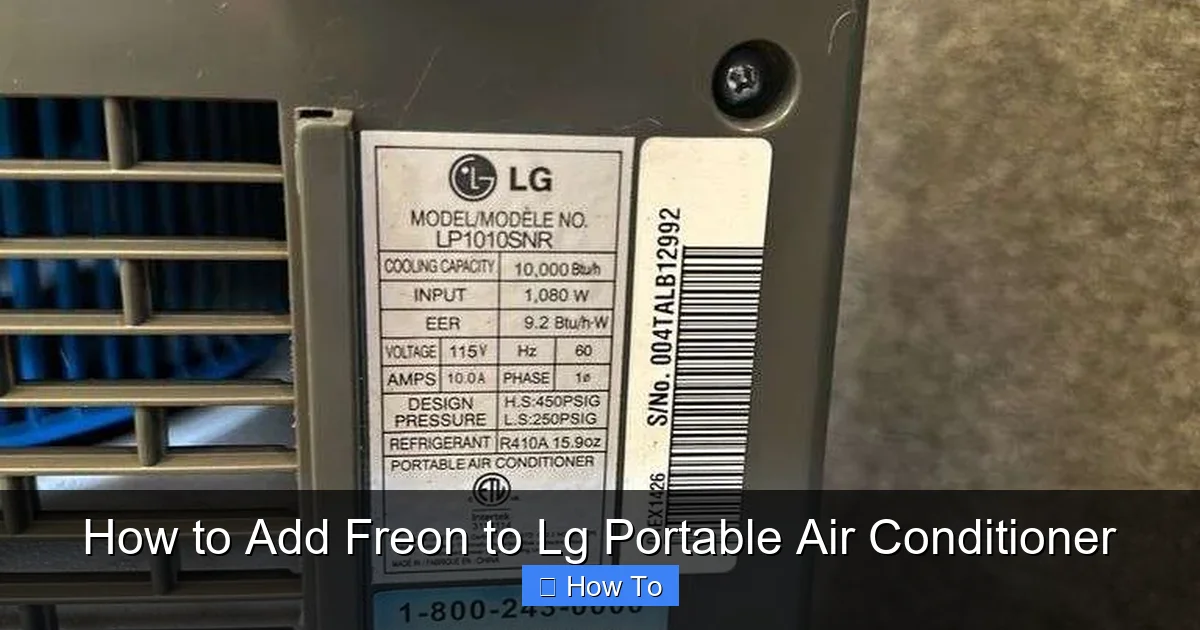
Most LG window and portable air conditioners are designed for standard 120-volt outlets, while larger split systems may require a 240-volt connection. Check your model’s specifications (usually found on a label on the unit or in the user manual) to ensure it matches your home’s electrical setup.
If you’re using a portable AC, make sure the exhaust hose is properly vented through a window or wall. A blocked exhaust can cause the unit to overheat and shut down automatically—even if it appears to be “on.”
Inspect the Circuit Breaker
Air conditioners draw a lot of power when starting up. If your LG AC keeps tripping the breaker, it could be due to an overloaded circuit or a faulty unit. Try plugging the AC into a dedicated outlet on its own circuit. If the problem persists, consult an electrician.
Step 2: Use the Remote Control to Turn On the AC
The remote control is the most common way to operate your LG air conditioner. It’s convenient, intuitive, and packed with features.
Insert or Replace the Batteries
If your remote isn’t responding, the first thing to check is the batteries. Open the battery compartment on the back of the remote and replace the old batteries with fresh ones. LG remotes typically use two AAA batteries.
Make sure the batteries are inserted with the correct polarity (+ and –). Even a small mistake here can prevent the remote from working.
Press the Power Button
Once the batteries are in, point the remote at the air conditioner and press the Power button. This button is usually labeled with a circle or a power symbol (⏻) and is often the largest button on the remote.
When you press it, you should hear a beep from the unit and see the display light up. The AC will begin to run, and you may hear the fan or compressor start up.
Set Your Desired Mode and Temperature
After turning on the AC, use the remote to select your preferred mode:
- Cool: Cools the room to your set temperature.
- Fan: Circulates air without cooling—great for mild days.
- Auto: Automatically switches between cooling and fan based on room temperature.
- Dry: Reduces humidity without significant cooling—ideal for humid climates.
Use the up and down arrow buttons to set your desired temperature. Most LG models allow you to set temperatures between 60°F and 86°F (15°C to 30°C).
Adjust Fan Speed and Swing
For better comfort, you can adjust the fan speed (Low, Medium, High, or Auto) and enable the swing function to distribute air evenly across the room. The swing feature moves the louvers up and down or side to side, preventing hot or cold spots.
Step 3: Use the Manual Power Button (If Remote Isn’t Working)
Sometimes the remote control fails—batteries die, signals get blocked, or the remote gets lost. Don’t worry! Most LG air conditioners have a manual power button right on the unit.
Locate the Control Panel
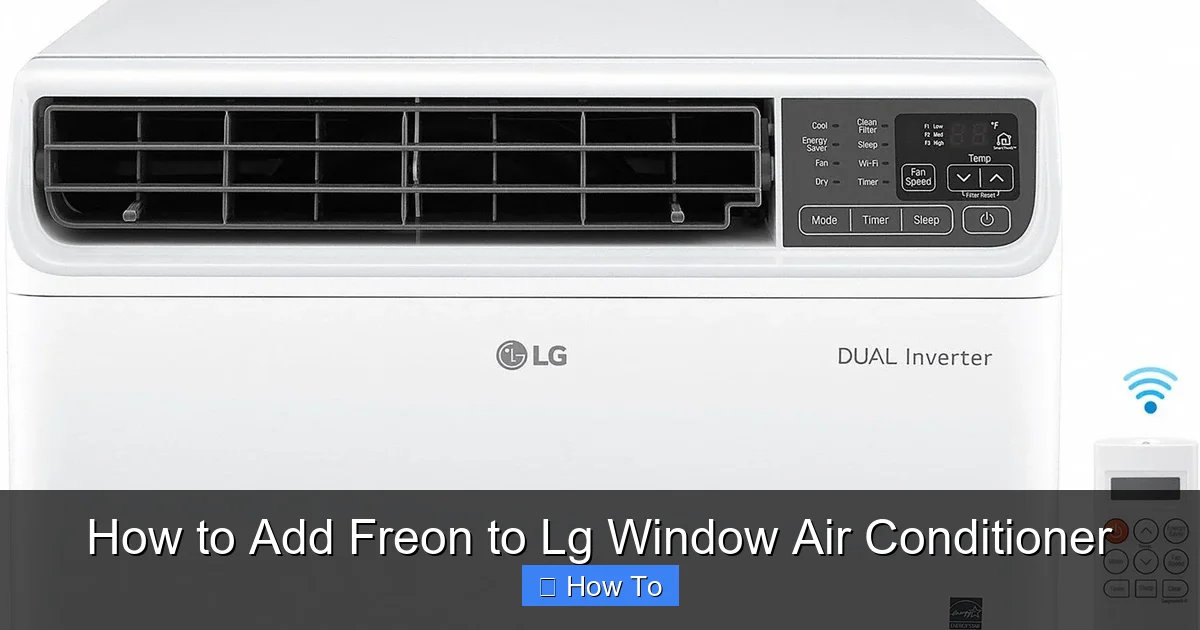
On window units, the control panel is usually on the front or top of the unit. On split systems, it’s on the indoor air handler. Look for a small button labeled “Power,” “On/Off,” or with a power symbol.
Press and Hold the Power Button
Press the button firmly. On some models, you may need to hold it for 2–3 seconds to activate the unit. You should hear a beep or see the display light up.
Once the unit is on, you can use the buttons on the panel to adjust temperature, mode, and fan speed. However, the manual controls are often more limited than the remote, so it’s best to use the remote when possible.
Reset the Remote Signal
If your remote suddenly stops working, try resetting the connection. Turn off the AC, unplug it for 30 seconds, then plug it back in. This can reset the internal electronics and restore remote functionality.
Step 4: Use Smart Features and Voice Commands (2026 Models)
In 2026, many LG air conditioners come with advanced smart technology, allowing you to control your AC with your voice or smartphone—even when you’re not home.
Connect to Wi-Fi via the LG ThinQ App
Download the LG ThinQ app (available on iOS and Android) and create an account. Follow the in-app instructions to connect your AC to your home Wi-Fi network.
Once connected, you can:
- Turn the AC on or off remotely
- Adjust temperature and mode
- Set schedules (e.g., cool the room before you get home)
- Monitor energy usage
- Receive maintenance alerts
Enable Voice Control
Link your LG ThinQ account to Google Assistant or Amazon Alexa. Then, simply say:
- “Hey Google, turn on the living room AC.”
- “Alexa, set the bedroom AC to 72 degrees.”
Voice control is perfect for when your hands are full or you’re relaxing on the couch. It’s also great for accessibility, helping users with mobility challenges operate their AC easily.
Use Geofencing for Automatic Control
The LG ThinQ app supports geofencing—a feature that detects when you’re approaching or leaving home. You can set it to automatically turn on the AC when you’re 10 minutes away or turn it off when you leave.
This saves energy and ensures your home is always comfortable when you arrive.
Step 5: Troubleshooting Common Startup Issues
Even with the best setup, sometimes your LG air conditioner won’t turn on. Here’s how to fix the most common problems.
The Remote Isn’t Working
- Replace the batteries.
- Make sure nothing is blocking the signal (e.g., curtains, furniture).
- Clean the remote’s infrared sensor with a soft cloth.
- Try using the manual button to rule out a remote issue.
The Unit Beeps But Doesn’t Cool
This could mean the AC is in Fan mode instead of Cool mode. Use the remote to switch to Cool and set a lower temperature.
Also, check if the air filter is clogged. A dirty filter restricts airflow and can prevent the unit from cooling properly. Clean or replace the filter every 1–2 months during heavy use.
The AC Turns On But Shuts Off Quickly
This is often due to a dirty air filter, blocked vents, or a frozen evaporator coil. Turn off the AC, unplug it, and inspect the filter and vents. If the coil is frozen, let it thaw completely before restarting.
If the problem continues, the refrigerant level may be low—this requires professional service.
The Display Shows an Error Code
LG air conditioners display error codes to help diagnose issues. Common codes include:
- CH 01: Dirty air filter
- CH 02: Dirty outdoor unit (split systems)
- CH 03: Refrigerant leak
- CH 05: Communication error between indoor and outdoor units
Refer to your user manual or the LG support website for a full list of error codes and solutions.
The Circuit Breaker Keeps Tripping
This could indicate an electrical issue or an overloaded circuit. Try plugging the AC into a different outlet on a separate circuit. If the breaker still trips, unplug the unit and contact a technician.
Step 6: Maintain Your LG Air Conditioner for Reliable Performance
Regular maintenance ensures your AC starts up smoothly every time and runs efficiently all season.
Clean the Air Filter Monthly
A clean filter improves airflow, reduces energy use, and prevents breakdowns. To clean:
- Turn off and unplug the AC.
- Remove the front panel and take out the filter.
- Rinse it under warm water or use a vacuum to remove dust.
- Let it dry completely before reinserting.
Clear Vents and Coils
Make sure nothing is blocking the air intake or discharge vents. For window units, clean the outdoor coil with a soft brush or hose (when the unit is off).
Check the Drainage System
Portable and window units have drainage systems to remove condensation. If the drain is clogged, water can back up and cause the unit to shut off. Clean the drain hose and pan regularly.
Schedule Professional Maintenance
Once a year, have a certified technician inspect your LG air conditioner. They’ll check refrigerant levels, electrical connections, and overall performance.
Conclusion
Turning on your LG air conditioner in 2026 is easier than ever—thanks to intuitive remotes, smart controls, and user-friendly designs. Whether you’re using the remote, the manual button, or your voice, getting cool air flowing is just a few steps away.
Remember to always check the power supply first, keep your remote batteries fresh, and take advantage of smart features like the LG ThinQ app and voice commands. And don’t forget regular maintenance—it’s the key to reliable performance and energy savings.
With this guide, you’re now equipped to operate your LG air conditioner confidently, efficiently, and comfortably. Stay cool, stay smart, and enjoy the refreshing breeze all summer long!