Turning off the Energy Saver mode on your LG air conditioner can help restore full cooling power and improve comfort during hot weather. This guide walks you through easy steps using the remote, control panel, or smart app—plus troubleshooting tips for common issues.
Key Takeaways
- Energy Saver mode reduces power usage by limiting fan speed and compressor operation, which may affect cooling performance.
- You can disable Energy Saver via the remote control by pressing the “Energy Saver” or “Eco” button until the indicator turns off.
- Some LG models allow toggling the mode through the display panel on the unit itself—check for an “Eco” or “Energy Saver” icon.
- Smart LG air conditioners can be controlled remotely using the LG ThinQ app, where you can turn off energy-saving features from your phone.
- If the mode won’t turn off, try resetting the unit by unplugging it for 5 minutes or performing a factory reset via the remote.
- Disabling Energy Saver increases energy consumption, so use it only when needed for maximum cooling during peak heat.
- Regular maintenance improves efficiency—clean filters and ensure proper ventilation even when Energy Saver is off.
How to Turn Off Energy Saver on LG Air Conditioner
If you’ve noticed your LG air conditioner isn’t cooling as effectively as it used to—especially during scorching summer afternoons in 2026—you might be dealing with the Energy Saver mode. This eco-friendly feature is designed to reduce electricity consumption by adjusting fan speed and compressor activity. While great for lowering your utility bill, it can sometimes leave you feeling too warm, especially in high-heat conditions.
The good news? Turning off Energy Saver mode on your LG air conditioner is quick and easy. Whether you’re using a window unit, split system, or a smart inverter model, this comprehensive guide will walk you through every method—from the remote control to the LG ThinQ app. You’ll also learn troubleshooting tips, energy-saving alternatives, and best practices to keep your AC running smoothly all year long.
By the end of this guide, you’ll know exactly how to disable Energy Saver mode, understand when it’s best to keep it on, and ensure your LG air conditioner delivers maximum comfort when you need it most.
What Is Energy Saver Mode on LG Air Conditioners?
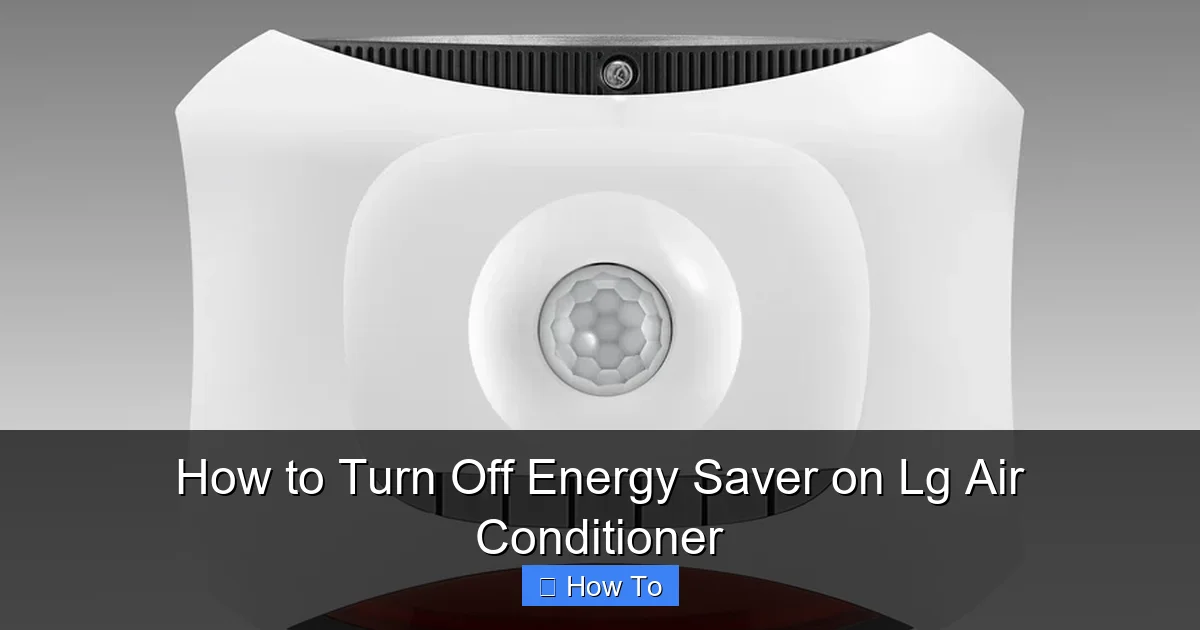
Visual guide about How to Turn Off Energy Saver on Lg Air Conditioner
Image source: airconoff.com.au
Before we dive into the steps, let’s clarify what Energy Saver mode actually does. Introduced as part of LG’s commitment to energy efficiency and sustainability, this feature is built into most modern LG air conditioning units—especially those manufactured from 2020 onward, including 2026 models.
When Energy Saver (sometimes labeled “Eco Mode”) is activated, the air conditioner operates in a reduced-power state. Here’s how it works:
– The compressor cycles on and off more frequently instead of running continuously.
– The fan speed is lowered to reduce electrical draw.
– The unit may delay reaching the set temperature to conserve energy.
– Some models use smart sensors to detect room occupancy and adjust cooling accordingly.
While this mode can reduce energy usage by up to 20–30%, it often results in slower cooling and less consistent temperature control. That’s why many users prefer to turn it off during heatwaves or when quick cooling is needed—like after returning home from work on a 95°F day.
It’s important to note that not all LG models label the feature the same way. You might see “Energy Saver,” “Eco,” “Power Save,” or even a leaf icon on the display. But the function remains similar across models.
Why You Might Want to Turn Off Energy Saver Mode
So, why would you want to disable this helpful feature? Here are the most common reasons:
– Insufficient Cooling: If your room isn’t reaching the desired temperature, Energy Saver mode could be the culprit. The reduced compressor activity means slower heat removal.
– High Humidity Levels: Lower fan speeds can reduce dehumidification, leaving your space feeling sticky and uncomfortable.
– Hot Weather Conditions: During extreme heat, your AC needs full power to maintain comfort. Energy Saver mode may not keep up.
– Large or Poorly Insulated Rooms: Bigger spaces or rooms with poor insulation require maximum cooling output, which Energy Saver mode restricts.
– Immediate Cooling Needs: After a long day, you want instant relief—not a slow ramp-up in cooling.
That said, turning off Energy Saver mode will increase your energy consumption. According to 2026 energy reports, disabling eco modes can raise AC electricity use by 15–25%. So, it’s best to use this setting strategically—only when necessary.
Method 1: Turn Off Energy Saver Using the Remote Control
The most common and straightforward way to disable Energy Saver mode is through the remote control. Most LG air conditioners come with a dedicated button for this feature. Here’s how to do it step by step.
Step 1: Locate the Energy Saver or Eco Button
Look at your LG remote control. You’ll typically find one of the following buttons:
– “Energy Saver”
– “Eco”
– A green leaf icon
– “Power Save”
This button is usually located near the temperature controls or in the bottom-right section of the remote. On newer 2026 models, it may be labeled with a small leaf or energy symbol.
Step 2: Press the Button to Toggle the Mode
Press the Energy Saver or Eco button once. You should see a corresponding icon on the air conditioner’s display panel light up or turn off.
– If the icon is lit, Energy Saver is ON.
– If the icon is off or disappears, Energy Saver is OFF.
Some remotes require you to press and hold the button for 2–3 seconds to activate or deactivate the mode. Check your user manual if a single press doesn’t work.
Step 3: Confirm the Change on the Unit Display
Walk over to your air conditioner and check the display screen. Look for any of the following indicators:
– “ECO” or “Energy Saver” text
– A leaf or power-saving symbol
– A light that turns off when the mode is disabled
If the icon disappears, you’ve successfully turned off Energy Saver mode.
Step 4: Test the Cooling Performance
Set your desired temperature and wait 10–15 minutes. You should notice:
– Faster cooling
– Stronger airflow from the vents
– More consistent temperature control
If the room cools more quickly, the mode has been successfully disabled.
Pro Tip: Use the “Turbo” or “Max Cool” Mode
After turning off Energy Saver, consider switching to “Turbo” or “Max Cool” mode (if available). This setting runs the compressor and fan at full speed for rapid cooling—perfect for hot summer days.
Method 2: Turn Off Energy Saver Using the Control Panel
Not all LG air conditioners come with a remote, or you might have misplaced yours. Don’t worry—you can still disable Energy Saver mode directly from the unit’s control panel.
Step 1: Locate the Control Panel
Find the control panel on your LG air conditioner. It’s usually on the front or side of the unit and includes buttons for power, mode, temperature, and fan speed.
Step 2: Press the “Mode” or “Function” Button
Press the “Mode” button repeatedly until you see “Cool” or “Air Conditioner” mode selected. Then, look for a “Function” or “Option” button.
On some models, you’ll need to press and hold the “Mode” and “Fan” buttons simultaneously for 3 seconds to access advanced settings.
Step 3: Navigate to Energy Saver Settings
Use the arrow or function buttons to scroll through options. Look for:
– “Eco Mode”
– “Energy Saver”
– “Power Save”
When you find it, press the “Set” or “OK” button to toggle it off.
Step 4: Confirm the Change
Check the display for any energy-saving icons. If they’re gone, the mode is off. The unit should now operate at full capacity.
Note for Window Units
Some older LG window air conditioners don’t have digital displays. In these cases, Energy Saver mode may be controlled via a physical switch or dial. Look for a labeled switch on the side or bottom of the unit.
Method 3: Turn Off Energy Saver Using the LG ThinQ App (2026 Smart Models)
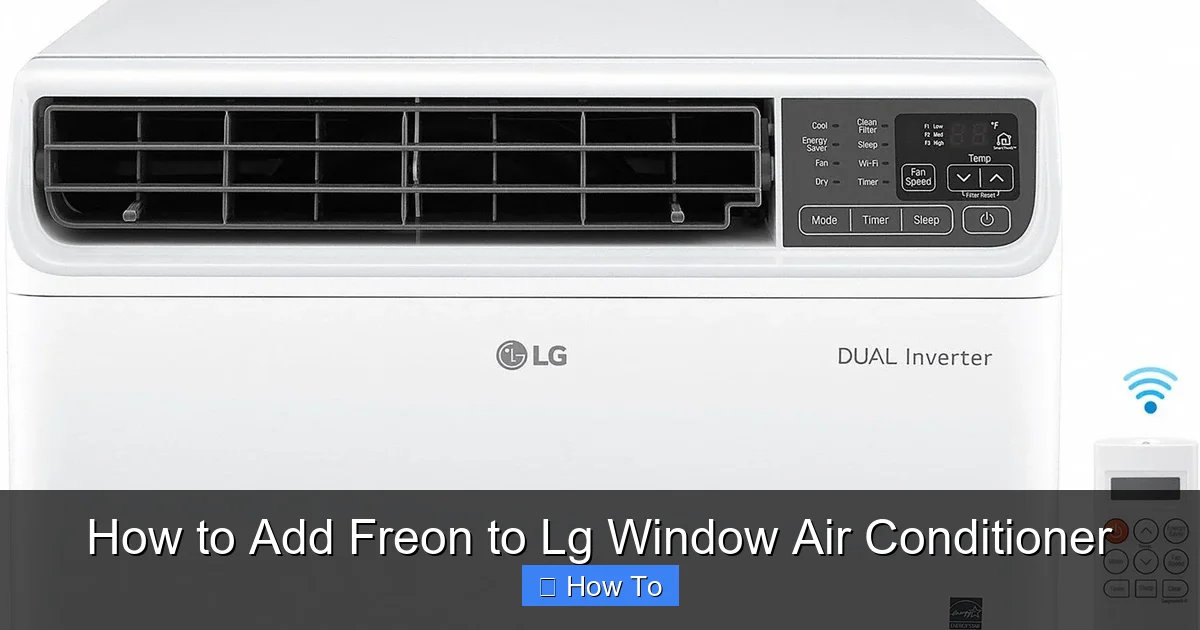
If you own a smart LG air conditioner from 2026—such as the LG Dual Inverter Smart Window AC or the LG ArtCool Mirror Split System—you can control Energy Saver mode remotely using the LG ThinQ app.
This is especially convenient if you want to cool your home before arriving or adjust settings while lying in bed.
Step 1: Download and Open the LG ThinQ App
Make sure you have the latest version of the LG ThinQ app installed on your smartphone (iOS or Android). The app is regularly updated in 2026 with improved AI features and energy monitoring.
Step 2: Connect Your Air Conditioner
If you haven’t already, add your air conditioner to the app:
– Open the app and tap “+” to add a device.
– Select “Air Conditioner” and follow the on-screen instructions.
– Ensure your AC is connected to Wi-Fi (most 2026 models support Wi-Fi 6 for faster connectivity).
Step 3: Access the Energy Saver Setting
Once connected:
– Tap on your air conditioner from the home screen.
– Go to “Settings” or “Advanced Settings.”
– Look for “Energy Saver,” “Eco Mode,” or “Power Saving.”
Step 4: Toggle the Mode Off
Switch the toggle to “Off.” You’ll see a confirmation message, and the icon on your AC’s display should disappear.
Bonus: Use Smart Scheduling
The LG ThinQ app allows you to create custom schedules. For example, you can set Energy Saver mode to turn on automatically at night when cooling demands are lower, and disable it during the day for maximum comfort.
Method 4: Perform a Factory Reset (If Mode Won’t Turn Off)
Sometimes, the Energy Saver mode gets stuck due to software glitches or incorrect settings. If you’ve tried the above methods and the mode won’t disable, a factory reset may help.
Step 1: Turn Off the Air Conditioner
Press the power button on the remote or unit to turn off the AC.
Step 2: Unplug the Unit
Unplug the air conditioner from the wall outlet. For split systems, turn off the circuit breaker that powers the unit.
Step 3: Wait 5 Minutes
Leave the unit unplugged for at least 5 minutes. This allows the internal capacitors to discharge and resets the control board.
Step 4: Plug It Back In and Test
Reconnect the power and turn the AC back on. Try disabling Energy Saver mode again using the remote or app.
Alternative: Remote Control Reset
On some LG models, you can reset the remote by:
– Removing the batteries
– Pressing and holding the “Power” button for 10 seconds
– Reinserting the batteries
This clears any stored settings and may resolve communication issues.
Troubleshooting Common Issues
Even with clear instructions, you might run into problems. Here are solutions to the most common issues when trying to turn off Energy Saver mode.
Issue 1: Energy Saver Icon Won’t Turn Off
If the icon remains on despite pressing the button:
– Check if the remote batteries are low—replace them.
– Ensure you’re pressing the correct button (some remotes have multiple eco-related buttons).
– Try the control panel method instead of the remote.
– Perform a factory reset as described above.
Issue 2: No Energy Saver Button on Remote
Not all LG models have a dedicated button. In this case:
– Look for a “Function” or “Option” menu on the remote.
– Use the “Mode” button to cycle through settings—some models hide Energy Saver under “Cool” mode.
– Consult your user manual (available online at LG’s 2026 support portal).
Issue 3: App Says “Device Offline”
If the LG ThinQ app can’t connect:
– Ensure your Wi-Fi is working and the AC is within range.
– Restart your router and the air conditioner.
– Reconnect the device in the app by removing and re-adding it.
Issue 4: AC Still Not Cooling Well After Disabling Energy Saver
If turning off the mode doesn’t improve cooling:
– Check and clean the air filter—clogged filters restrict airflow.
– Ensure vents are not blocked by furniture or curtains.
– Verify the thermostat is set correctly (e.g., 72°F, not 82°F).
– Consider if the unit is undersized for the room.
When Should You Keep Energy Saver Mode On?
While disabling Energy Saver mode improves performance, there are times when it’s beneficial to keep it on:
– Nighttime Use: When temperatures drop, your AC doesn’t need full power. Energy Saver can maintain comfort while saving energy.
– Moderate Weather: On mild days (75–80°F), the mode can keep you comfortable without overworking the unit.
– Eco-Conscious Households: If you’re aiming to reduce your carbon footprint, keeping Energy Saver on helps lower emissions.
– Peak Electricity Hours: Some utility companies charge more during peak hours (2–8 PM). Using Energy Saver can reduce costs.
In 2026, many smart LG models use AI to automatically adjust Energy Saver based on weather forecasts, occupancy, and energy pricing—making it easier to balance comfort and efficiency.
Tips for Maximizing Cooling Efficiency (Even Without Energy Saver)
Once you’ve turned off Energy Saver mode, follow these tips to keep your LG air conditioner running efficiently:
– Clean the Filter Monthly: A dirty filter reduces airflow and forces the compressor to work harder. Wash or replace it every 4–6 weeks.
– Seal Windows and Doors: Prevent cool air from escaping by using weatherstripping and closing blinds during the day.
– Use Ceiling Fans: Fans create a wind-chill effect, making you feel cooler without lowering the thermostat.
– Schedule Regular Maintenance: Have a technician inspect your unit annually to check refrigerant levels, coils, and electrical connections.
– Upgrade Insulation: Proper attic and wall insulation keeps heat out, reducing the load on your AC.
Conclusion
Turning off Energy Saver mode on your LG air conditioner is a simple yet powerful way to boost cooling performance, especially during hot 2026 summers. Whether you use the remote, control panel, or LG ThinQ app, the process takes just seconds—and the comfort payoff is immediate.
Remember, while disabling this mode increases energy use, it’s often necessary for optimal comfort. Use it wisely: turn it off when you need fast, powerful cooling, and switch it back on during milder conditions to save energy and reduce costs.
With the tips and troubleshooting advice in this guide, you’ll be able to manage your LG air conditioner like a pro—keeping your home cool, comfortable, and efficient all year long.