This guide walks you through how to hook up LG portable air conditioner safely and efficiently. From unboxing to first use, you’ll get clear instructions, expert tips, and troubleshooting help to keep your space cool and comfortable.
Key Takeaways
- Choose the right location: Place your LG portable AC near a window for proper venting and away from heat sources for optimal performance.
- Install the window kit correctly: Use the included window bracket and adjustable panel to seal the exhaust hose and prevent hot air from re-entering.
- Connect the exhaust hose securely: Attach both ends tightly to the unit and window adapter to avoid leaks and maintain cooling efficiency.
- Plug into a dedicated outlet: Avoid power strips and extension cords to prevent overheating and ensure stable power supply.
- Set up the control panel or remote: Familiarize yourself with modes (cool, fan, dry) and use the remote for convenience.
- Maintain regularly: Clean filters monthly and check for blockages to extend the unit’s lifespan and improve air quality.
- Troubleshoot common issues: If the unit isn’t cooling, check for clogs, proper venting, or error codes on the display.
How to Hook Up LG Portable Air Conditioner: A Complete Step-by-Step Guide
Summer heat can be relentless, and if you’re relying on an LG portable air conditioner to keep your home cool, getting it set up correctly is essential. Whether you’re a first-time user or upgrading from an older model, knowing how to hook up LG portable air conditioner the right way ensures maximum cooling, energy efficiency, and long-term reliability.
This comprehensive guide will walk you through every step—from unboxing to first use—so you can enjoy a comfortable, cool environment without frustration. We’ll cover location selection, window venting, hose installation, power setup, control configuration, and even troubleshooting tips. By the end, you’ll be confident in operating your LG portable AC like a pro.
Let’s get started!
Step 1: Unbox and Inspect Your LG Portable Air Conditioner
Before you begin setup, take a few minutes to carefully unbox your unit and inspect all components. LG portable air conditioners typically come with several key parts, and verifying everything is present prevents delays later.
What’s in the Box?
Most LG portable AC units include:
- The main air conditioning unit
- Exhaust hose (usually 5–7 feet long)
- Window installation kit (adjustable panel, bracket, screws)
- Remote control with batteries
- User manual and quick start guide
- Drain hose (for models with auto-evaporation or manual drainage)
Inspect for Damage
Gently remove the unit from the packaging and check for any visible damage—dents, cracks, or loose parts. If you notice anything unusual, contact LG customer support before proceeding.
Read the Manual
Even if you’re familiar with portable ACs, take a moment to skim the user manual. LG often includes model-specific instructions, safety warnings, and tips that can save you time and prevent mistakes.
Prepare Your Space
Clear the area where you plan to place the unit. Remove any clutter, furniture, or obstacles that could block airflow. You’ll need at least 12–18 inches of clearance on all sides for proper ventilation.
Step 2: Choose the Best Location for Your Unit
Where you place your LG portable air conditioner has a big impact on its performance. The goal is to maximize cooling efficiency while minimizing strain on the unit.
Near a Window (Essential for Venting)
Portable ACs work by pulling in warm air, cooling it, and expelling hot air outside through an exhaust hose. That means you must place the unit near a window—preferably one that opens horizontally (sliding or double-hung).
Avoid placing the unit in a corner or behind furniture, as this restricts airflow and reduces cooling power.
Avoid Heat Sources
Keep the unit away from:
- Direct sunlight
- Ovens, stoves, or heaters
- Incandescent lights
- Electronics that generate heat (like gaming consoles or TVs)
These sources can trick the thermostat into thinking the room is hotter than it is, causing the AC to run longer and use more energy.
Level and Stable Surface
Place the unit on a flat, level floor. Avoid carpets with thick padding, as they can trap heat. If you must place it on carpet, use a hardboard or plywood base to improve stability and airflow underneath.
Consider Drainage Needs
Most LG portable ACs use auto-evaporation, meaning condensation is expelled through the exhaust hose. However, in very humid conditions, some models may require manual drainage. Check your model’s specs and have a shallow tray or bucket ready if needed.
Step 3: Install the Window Venting Kit
The window kit is crucial for proper operation. It seals the gap created by the exhaust hose, preventing hot air from sneaking back into the room.
Measure Your Window
Most LG window kits are adjustable and fit windows from 12 to 48 inches wide. Measure the width of your window opening to ensure the kit will fit.
Assemble the Window Panel
1. Slide the adjustable panel into the window bracket.
2. Extend it to match your window width.
3. Secure it with the provided screws or locking mechanism.
Install the Panel in the Window
1. Open your window slightly.
2. Place the bracket into the window track.
3. Lower the window onto the bracket to hold it in place.
4. Tighten any screws or clamps to secure the panel and prevent drafts.
Seal Gaps with Weather Stripping (Optional)
For extra efficiency, use foam weather stripping around the edges of the window panel to block air leaks. This is especially helpful in older windows with poor seals.
Step 4: Connect the Exhaust Hose
The exhaust hose carries hot air from the unit to the outside. A secure, tight connection is vital for performance.
Attach One End to the Unit
1. Locate the exhaust port on the back of your LG portable AC.
2. Insert the hose connector into the port.
3. Twist or push until it clicks or feels snug.
4. Secure with the included clamp if provided.
Attach the Other End to the Window Adapter
1. Insert the hose into the window adapter (the part that fits into the window kit).
2. Push it in firmly and twist if needed.
3. Use a clamp to tighten the connection and prevent leaks.
Minimize Hose Bends and Kinks
Keep the hose as straight as possible. Sharp bends or kinks restrict airflow and reduce cooling efficiency. If the hose is too long, coil the excess loosely—don’t fold or pinch it.
Check for Air Leaks
Once connected, feel around the hose connections for air escaping. If you detect leaks, tighten the clamps or reposition the hose. Even small leaks can significantly reduce cooling power.
Step 5: Plug In and Power On
Now it’s time to power up your LG portable air conditioner—but safety comes first.
Use a Dedicated Outlet
Plug the unit directly into a grounded wall outlet. Avoid using extension cords or power strips, as they can overheat and pose a fire risk. If you must use an extension cord, choose a heavy-duty, 14-gauge or thicker cord rated for at least 15 amps.
Check Voltage Requirements
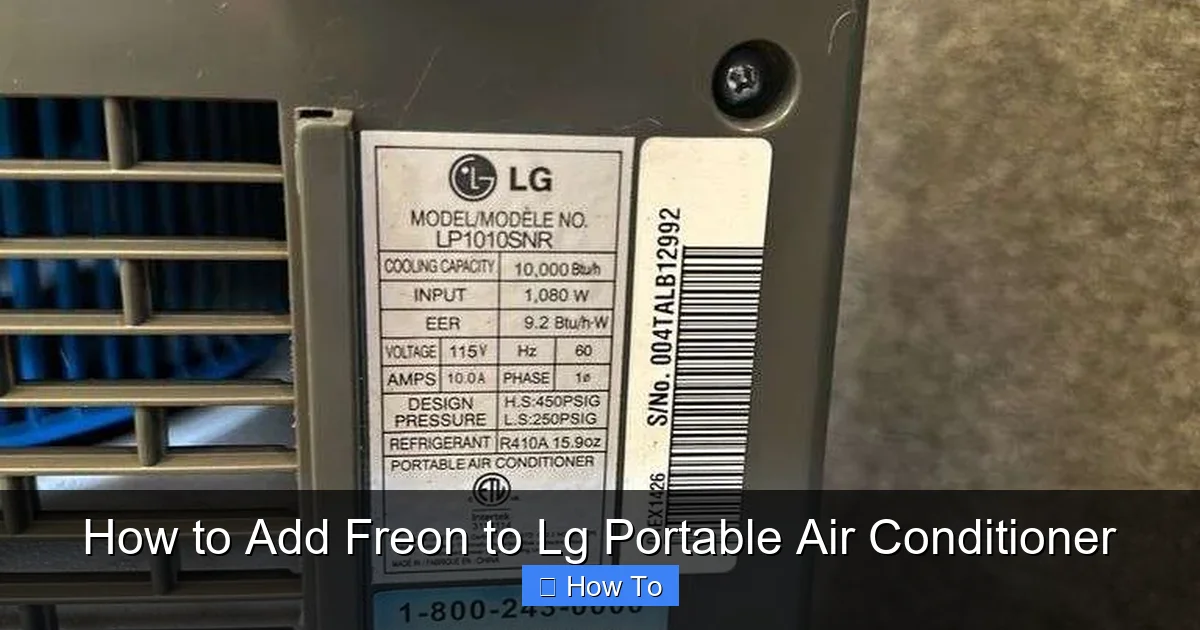
Most LG portable ACs run on standard 115V household current. Verify your outlet matches the unit’s requirements (listed on the label or manual).
Turn On the Unit
Press the power button on the unit or use the remote. The display should light up, and you’ll hear the fan start. If nothing happens, double-check the power connection and ensure the outlet is working.
Step 6: Configure Settings and Controls
Once powered on, it’s time to customize your cooling experience.
Use the Control Panel or Remote
LG portable ACs come with intuitive controls. The remote is especially convenient for adjusting settings from across the room.
Select Your Mode
Common modes include:
- Cool: Lowers room temperature (most commonly used).
- Fan: Circulates air without cooling (great for mild days).
- Dry: Reduces humidity (ideal for damp climates).
- Auto: Automatically adjusts fan speed based on room temperature.
Set the Temperature
Use the up/down arrows to set your desired temperature. Most units cool between 60°F and 86°F. Start with a moderate setting (like 72°F) and adjust as needed.
Adjust Fan Speed
Choose from low, medium, or high fan speeds. Higher speeds cool faster but are noisier. Use low or medium for quiet operation at night.
Use the Timer
Set the timer to turn the unit on or off automatically. For example, program it to start cooling 30 minutes before you get home, or shut off after 8 hours to save energy.
Enable Sleep Mode (Optional)
Sleep mode gradually increases the temperature over time to match your body’s natural cooling during sleep. It’s energy-efficient and comfortable for nighttime use.
Step 7: Monitor and Maintain Your Unit
Proper maintenance keeps your LG portable AC running smoothly and extends its lifespan.
Clean the Air Filter Monthly
A dirty filter restricts airflow and reduces efficiency.
1. Turn off and unplug the unit.
2. Remove the front panel or filter cover.
3. Take out the filter and rinse it under warm water.
4. Let it air dry completely before reinserting.
Check for Condensation Buildup
If your model doesn’t fully evaporate condensation, you may need to drain the internal tank. Check the manual for your model’s drainage method. Some units have a drain plug or auto-shutoff when the tank is full.
Inspect the Exhaust Hose Regularly
Every few months, check the hose for cracks, kinks, or blockages. Replace it if damaged.
Keep the Area Clean
Dust and debris around the unit can clog vents. Wipe the exterior with a damp cloth and vacuum around the intake and exhaust areas.
Troubleshooting Common Issues
Even with proper setup, you might encounter problems. Here’s how to fix the most common ones.
Unit Isn’t Cooling
- Check if the exhaust hose is properly connected and not blocked.
- Ensure the window kit is sealed and no hot air is leaking back in.
- Verify the air filter is clean.
- Make sure the room isn’t too large for the unit’s BTU rating.
Water Leaking from the Unit
- This could mean the drain tank is full. Empty it if your model has one.
- Check if the unit is level—tilting can cause water to spill.
- In high humidity, consider using a drain hose to direct water outside.
Unit Won’t Turn On
- Confirm it’s plugged into a working outlet.
- Check the circuit breaker—portable ACs can trip breakers if overloaded.
- Look for error codes on the display and refer to the manual.
Loud or Unusual Noises
- Rattling may mean loose parts—tighten screws or clamps.
- Hissing could indicate a refrigerant leak—contact LG support immediately.
- Fan noise is normal, but grinding sounds suggest motor issues.
Remote Not Working
- Replace the batteries.
- Ensure nothing is blocking the sensor on the unit.
- Reset the remote by removing batteries for 10 seconds.
Tips for Maximum Efficiency
Get the most out of your LG portable air conditioner with these expert tips.
Close Doors and Windows
Keep the room sealed while the AC is running. Open windows let in hot air, forcing the unit to work harder.
Use Curtains or Blinds
Block sunlight during the day to reduce heat gain. Reflective window film can also help.
Run Ceiling Fans
Ceiling fans circulate cool air, making the room feel cooler without lowering the thermostat.
Upgrade Insulation
If your room is poorly insulated, consider sealing gaps around doors and windows with weather stripping.
Schedule Regular Maintenance
Set a calendar reminder to clean the filter every 30 days and inspect the unit every 3 months.
Conclusion
Hooking up your LG portable air conditioner doesn’t have to be complicated. By following this step-by-step guide, you’ve learned how to hook up LG portable air conditioner safely and effectively—from choosing the right location to installing the venting kit, connecting the hose, and configuring settings.
Remember, proper setup and regular maintenance are key to enjoying cool, comfortable air all season long. Keep the unit clean, check for leaks, and troubleshoot issues early to avoid bigger problems down the road.
With your LG portable AC running smoothly, you can relax, sleep better, and stay cool—even on the hottest days. Stay comfortable, stay efficient, and enjoy the breeze!