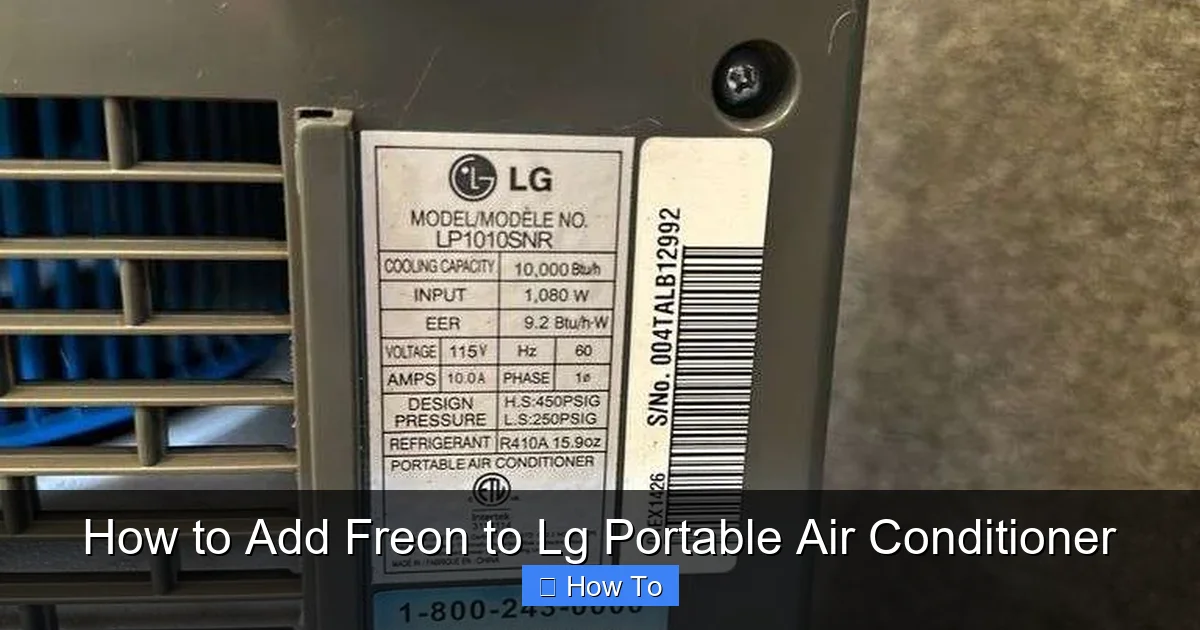
This guide walks you through common problems with LG portable air conditioners and provides practical fixes to restore performance. From cleaning filters to resetting error codes, you’ll learn how to troubleshoot and repair your unit safely and effectively.
Key Takeaways
- Clean or replace air filters regularly: Dirty filters restrict airflow and reduce cooling efficiency. Check and clean them every two weeks during heavy use.
- Ensure proper ventilation and exhaust setup: A blocked or improperly installed exhaust hose can cause overheating and shutdowns. Always vent the unit to the outside.
- Check for water leaks and drainage issues: Clogged drain lines or a full internal tank can cause leaks. Empty the water tank and clear blockages promptly.
- Reset the unit after power outages or errors: A simple power cycle can clear temporary glitches and restore normal operation.
- Use the correct mode and settings: Running the unit in the wrong mode (e.g., fan instead of cool) may seem like a malfunction. Always verify settings on the remote or control panel.
- Inspect for error codes and consult the manual: LG units display specific error codes (like CH 24 or CH 29). Refer to your user manual or LG’s support site for targeted solutions.
- Schedule professional maintenance annually: While many issues are DIY-fixable, internal components like compressors and refrigerant levels require expert service.
How to Fix LG Portable Air Conditioner: A Complete Step-by-Step Guide
If your LG portable air conditioner isn’t cooling properly, making strange noises, or showing error codes, don’t panic—most issues are fixable with a little troubleshooting. Whether you’re dealing with weak airflow, water leaks, or a unit that won’t turn on, this comprehensive guide will walk you through the most common problems and how to resolve them safely and effectively.
LG portable air conditioners are popular for their compact design, ease of use, and smart features. But like any appliance, they can develop issues over time due to dust buildup, improper installation, or normal wear and tear. The good news? Many of these problems don’t require a technician or expensive repairs. With the right tools and a bit of patience, you can restore your unit to peak performance.
In this guide, you’ll learn how to diagnose and fix the most frequent LG portable AC issues, from cleaning filters and clearing drain lines to interpreting error codes and resetting the system. We’ll also cover essential maintenance tips to prevent future problems and extend the life of your unit. By the end, you’ll have the confidence to handle common repairs and know when it’s time to call in a professional.
Let’s get started!
Common Problems with LG Portable Air Conditioners
Before diving into fixes, it’s helpful to understand the most frequent issues users face. Knowing what to look for can save you time and frustration.
One of the top complaints is poor cooling performance. Your room might feel warm even though the AC is running. This could be due to dirty filters, blocked vents, or incorrect settings.
Another common issue is water leakage. If you notice puddles around the unit, it’s likely related to a clogged drain line or a full internal water tank.
Strange noises—like rattling, buzzing, or gurgling—can indicate loose parts, debris in the fan, or refrigerant issues.
Some users report that the unit won’t turn on or shuts off unexpectedly. This might be due to power supply problems, overheating, or internal safety triggers.
Finally, error codes like CH 24, CH 29, or CH 32 can appear on the display, signaling specific malfunctions that need attention.
Understanding these symptoms will help you pinpoint the root cause and apply the right fix.
How to Fix Poor Cooling Performance
If your LG portable air conditioner is running but not cooling effectively, start with these steps.
Step 1: Check and Clean the Air Filters
Dirty air filters are the #1 cause of reduced cooling. Over time, dust and debris accumulate on the filters, blocking airflow and forcing the unit to work harder.
To clean the filters:
- Turn off and unplug the unit.
- Locate the filter compartment—usually on the back or side of the unit.
- Remove the filter panel and gently pull out the filters.
- Rinse them under lukewarm water. Avoid using hot water, as it can warp the filter material.
- Let the filters air dry completely before reinserting them.
Pro Tip: Clean your filters every two weeks during heavy use. If the filters are damaged or extremely dirty, replace them with LG-approved replacements.
Step 2: Inspect the Exhaust Hose and Ventilation
Portable ACs remove hot air through an exhaust hose that must vent to the outside. If the hose is kinked, blocked, or improperly installed, hot air can’t escape, reducing cooling efficiency.
Check the following:
- Ensure the exhaust hose is fully extended and not bent or crushed.
- Verify the window kit is securely installed and sealed to prevent air leaks.
- Make sure the hose isn’t longer than recommended—typically no more than 5 feet for optimal performance.
If the hose is damaged, replace it with a compatible LG exhaust hose. You can find these online or at appliance stores.
Step 3: Verify Thermostat Settings
Sometimes the issue isn’t mechanical—it’s a simple setting error.
Check the control panel or remote:
- Ensure the mode is set to “Cool” and not “Fan” or “Dry.”
- Set the temperature lower than the current room temperature.
- Use the “Auto” fan setting for balanced airflow and efficiency.
If the unit still doesn’t cool, try lowering the temperature by 5–10 degrees to see if it responds.
Step 4: Clear Obstructions Around the Unit
Your portable AC needs space to breathe. Place it at least 18–24 inches away from walls, furniture, or curtains.
Blocked intake or discharge vents restrict airflow, making the unit less effective. Move any objects that might be blocking the front or back of the unit.
How to Fix Water Leaks and Drainage Issues
Water leaks are not only messy—they can damage floors and indicate a deeper problem.
Step 1: Empty the Internal Water Tank
Most LG portable ACs have a built-in water collection tank that fills as the unit dehumidifies the air. When the tank is full, the unit may shut off or leak.
To check and empty the tank:
- Turn off and unplug the unit.
- Locate the drain cap or water tank—usually at the bottom rear of the unit.
- Place a shallow pan or towel underneath to catch water.
- Remove the drain cap or pull out the tank and pour out the water.
- Reinstall the tank or cap securely.
Note: Some models have an auto-evaporation system that reduces the need to empty the tank. However, in humid climates, manual draining may still be necessary.
Step 2: Clear the Drain Line
If water is leaking from the back or bottom, the drain line may be clogged with mold, algae, or debris.
To clean it:
- Locate the drain port—often near the water tank.
- Use a small brush, pipe cleaner, or compressed air to gently clear any blockages.
- Flush the line with a mixture of water and white vinegar to kill mold and prevent future clogs.
For stubborn clogs, you may need to remove the back panel (if accessible) and access the internal drain tube.
Step 3: Check the Condensate Pump (If Applicable)
Some LG models include a condensate pump to remove water automatically. If the pump fails, water can back up and leak.
Test the pump by:
- Ensuring it’s plugged in and receiving power.
- Listening for a humming sound when the unit runs—this indicates the pump is active.
- If silent or not working, consult the manual or contact LG support for replacement options.
How to Fix a Unit That Won’t Turn On
If your LG portable AC won’t power up, follow these troubleshooting steps.
Step 1: Check the Power Source
Start with the basics:
- Make sure the unit is plugged into a working outlet.
- Test the outlet with another device (like a lamp) to confirm it’s receiving power.
- Check the circuit breaker—tripped breakers can cut power to the outlet.
If the outlet works but the AC doesn’t, try plugging the unit into a different outlet on a separate circuit.
Step 2: Inspect the Power Cord and Plug
Look for visible damage:
- Frayed wires, bent prongs, or burn marks can prevent the unit from receiving power.
- If damaged, do not use the unit. Contact LG or a qualified technician for repair or replacement.
Step 3: Reset the Unit
Sometimes a simple reset can fix power issues:
- Unplug the unit for at least 5 minutes.
- Press and hold the power button for 10 seconds to discharge any residual electricity.
- Plug it back in and try turning it on.
This process resets the internal electronics and can clear temporary glitches.
Step 4: Check the Remote Control and Batteries
If the unit won’t respond to the remote:
- Replace the remote batteries with fresh ones.
- Ensure the remote is pointed at the unit’s sensor.
- Try using the control panel on the unit itself to rule out remote issues.
How to Fix Error Codes on LG Portable ACs
LG portable air conditioners display error codes to help diagnose problems. Here’s how to interpret and fix the most common ones.
CH 24 – Water Tank Full
This code means the internal water tank is full and needs to be emptied.
Solution: Turn off the unit, unplug it, and empty the water tank. Reinstall the tank and restart the unit.
CH 29 – Communication Error
This indicates a problem between the indoor and outdoor units (in dual-hose models) or internal sensors.
Solution: Power cycle the unit by unplugging it for 10 minutes. If the error persists, contact LG support—this may require professional diagnosis.
CH 32 – High Pressure Error
This code suggests the refrigerant pressure is too high, possibly due to a blocked condenser or fan issue.
Solution: Turn off the unit and let it cool down. Check for blocked vents or a dirty condenser coil. Clean the area around the unit and ensure proper airflow. If the error returns, seek professional help.
CH 01 – Room Temperature Sensor Error
The unit can’t read the room temperature accurately.
Solution: Power cycle the unit. If the error continues, the sensor may be faulty and need replacement by a technician.
CH 05 – Evaporator Temperature Sensor Error
This sensor monitors the internal coil temperature. A fault can cause freezing or overheating.
Solution: Turn off the unit and let it thaw if frozen. Clean the filters and check airflow. If the error persists, contact LG support.
Always refer to your user manual for model-specific error codes and solutions.
How to Fix Strange Noises
Unusual sounds can be alarming, but they often point to simple fixes.
Rattling or Vibrating
This is usually caused by loose parts or the unit sitting on an uneven surface.
Solution: Turn off the unit and check for loose panels, screws, or the exhaust hose. Tighten any loose components and place the unit on a flat, stable surface.
Buzzing or Humming
This could indicate an electrical issue or a failing fan motor.
Solution: Power cycle the unit. If the noise continues, inspect the fan blades for debris or damage. Avoid running the unit if the motor sounds strained—this could lead to a breakdown.
Gurgling or Bubbling
This is normal during startup or shutdown as refrigerant moves through the system. However, if it’s constant, it may signal a refrigerant leak.
Solution: If gurgling persists, turn off the unit and contact LG support. Refrigerant leaks require professional repair.
Essential Maintenance Tips to Prevent Future Problems
Regular maintenance keeps your LG portable AC running smoothly and extends its lifespan.
Clean Filters Monthly
Even if you don’t use the unit heavily, dust accumulates over time. Clean or replace filters every 1–2 months.
Inspect the Exhaust Hose Seasonally
Check for cracks, kinks, or wear. Replace the hose every 1–2 years or as needed.
Wipe Down the Exterior
Use a damp cloth to clean the unit’s surface. Avoid harsh chemicals that could damage the plastic.
Store Properly in Off-Season
If you don’t use the AC year-round:
- Clean all components thoroughly.
- Empty the water tank and drain line.
- Cover the unit and store it in a dry, cool place.
Schedule Annual Professional Service
While DIY maintenance is important, internal components like the compressor and refrigerant system should be checked by a certified technician once a year.
When to Call a Professional
While many issues are DIY-friendly, some problems require expert attention.
Call a professional if:
- The unit leaks refrigerant (you’ll notice oily residue or a sweet smell).
- The compressor won’t start or makes loud grinding noises.
- You suspect an electrical fault or wiring issue.
- Error codes persist after troubleshooting.
- The unit trips the circuit breaker repeatedly.
Attempting to repair internal electrical or refrigerant components can be dangerous and may void your warranty.
Conclusion
Fixing your LG portable air conditioner doesn’t have to be overwhelming. With the right approach, you can resolve most common issues—like poor cooling, water leaks, and error codes—using simple tools and a bit of patience.
Start with the basics: clean your filters, check the exhaust hose, and empty the water tank. These small steps make a big difference in performance and efficiency. If you encounter error codes or unusual noises, use this guide to diagnose and address the problem safely.
Remember, regular maintenance is key to preventing breakdowns and extending the life of your unit. And when in doubt, don’t hesitate to contact LG customer support or a qualified technician.
By following this guide, you’ll keep your LG portable air conditioner running smoothly, ensuring cool, comfortable air all season long.