Keeping your LG air conditioner clean improves efficiency, extends lifespan, and ensures healthier indoor air. This guide walks you through a complete cleaning process—from filters to coils—with simple tools and safety tips.
Key Takeaways
- Turn off power before cleaning: Always disconnect your LG air conditioner from the power source to prevent electrical hazards.
- Clean or replace filters monthly: Dirty filters reduce airflow and efficiency; wash reusable ones or replace disposable filters regularly.
- Clean the evaporator and condenser coils: Dust buildup on coils forces the unit to work harder, increasing energy use and wear.
- Clear the drain line to prevent clogs: A clogged drain can cause water leaks and mold growth inside the unit.
- Wipe down the exterior and vents: Dust and grime on the outer casing and air vents affect airflow and appearance.
- Schedule professional maintenance annually: Even with regular cleaning, a technician should inspect refrigerant levels and internal components yearly.
- Use gentle cleaning tools and solutions: Avoid harsh chemicals; opt for mild soap, water, and soft brushes to protect sensitive parts.
How to Clean My LG Air Conditioner: A Complete Step-by-Step Guide
If you own an LG air conditioner, you already know how reliable and efficient these units can be. But like any appliance, they need regular maintenance to keep running smoothly. One of the most important tasks? Cleaning. Over time, dust, dirt, and debris build up inside and outside your AC, reducing efficiency, increasing energy bills, and even affecting indoor air quality. The good news? Cleaning your LG air conditioner is easier than you think—and you don’t need to be a technician to do it.
In this guide, you’ll learn exactly how to clean your LG air conditioner safely and effectively. Whether you have a window unit, a portable AC, or a ductless mini-split system, these steps will help you maintain peak performance. We’ll cover everything from removing and washing filters to cleaning coils and clearing drain lines. Plus, we’ll share practical tips to make the process faster and safer. By the end, you’ll not only have a cleaner AC but also a healthier, more comfortable home.
Why Cleaning Your LG Air Conditioner Matters
You might be wondering, “Do I really need to clean my air conditioner that often?” The short answer is yes—especially if you use it regularly. A dirty AC doesn’t just look bad; it can cause real problems. When filters and coils are clogged with dust, the unit has to work harder to cool your space. This leads to higher energy consumption, increased wear and tear, and potentially costly repairs down the line.
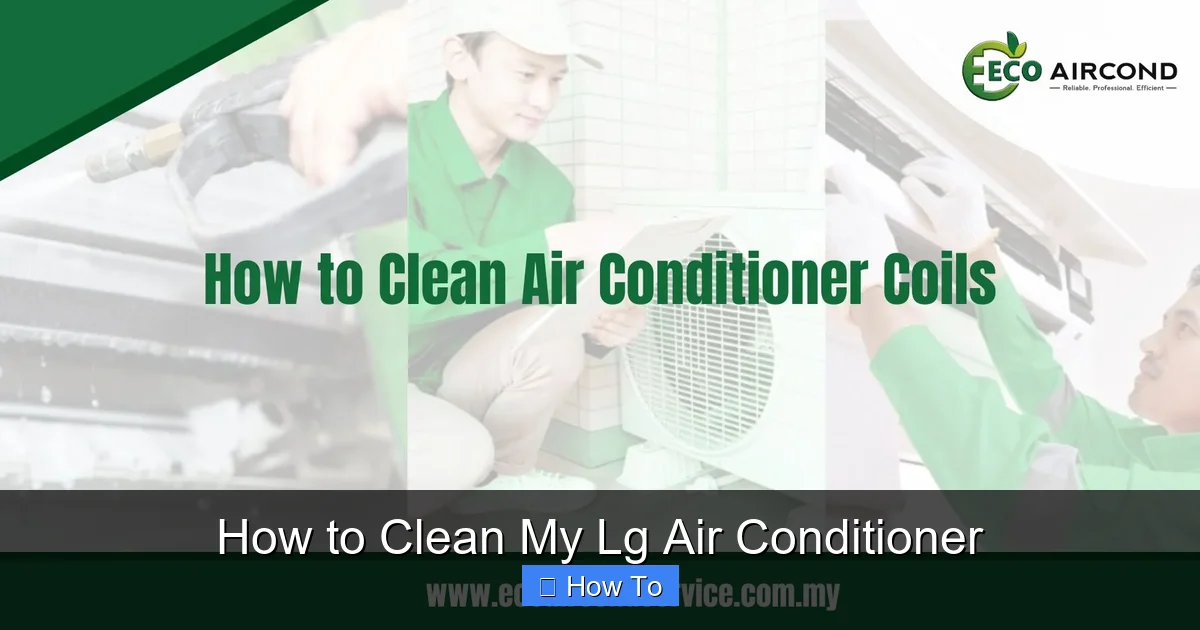
Visual guide about How to Clean My Lg Air Conditioner
Image source: ecoaircondservice.com.my
But the benefits go beyond efficiency. A clean air conditioner also improves indoor air quality. Dust, pollen, mold spores, and pet dander can accumulate inside the unit and get blown back into your home. For people with allergies or respiratory issues, this can be a major concern. Regular cleaning helps remove these contaminants, giving you fresher, cleaner air to breathe.
Additionally, cleaning your LG air conditioner can extend its lifespan. LG designs their units to last, but neglecting maintenance shortens that lifespan. Think of cleaning like changing the oil in your car—it’s a small effort that pays big dividends. Plus, many LG models come with smart features like auto-clean modes or filter alerts, which make maintenance even easier.
Finally, a clean AC simply works better. You’ll notice faster cooling, quieter operation, and more consistent temperatures. So whether you’re preparing for summer heat or just want to keep your home comfortable year-round, cleaning your LG air conditioner is a smart move.
What You’ll Need to Clean Your LG Air Conditioner
Before you start, gather the right tools and supplies. You don’t need anything fancy—most items are probably already in your home. Here’s a quick checklist:
- Soft cloths or microfiber towels – For wiping down surfaces without scratching.
- Mild dish soap or all-purpose cleaner – Avoid harsh chemicals that can damage plastic or metal parts.
- Soft-bristle brush or old toothbrush – Great for scrubbing tight spaces like fins and vents.
- Garden hose (for outdoor units) – Use low pressure to rinse coils and fins.
- Vacuum cleaner with brush attachment – Helps remove loose dust from filters and coils.
- Screwdriver (if needed) – Some LG models require removing panels to access internal parts.
- Bucket of warm water – For soaking and rinsing filters.
- Spray bottle with water – Useful for misting coils before cleaning.
- Gloves and safety goggles – Protect your hands and eyes from dust and cleaning solutions.
For mini-split or ductless systems, you may also need a coil cleaner spray (available at hardware stores) and a fin comb (to straighten bent aluminum fins). If your unit has a removable front panel, check your user manual for specific instructions on how to detach it safely.
Pro tip: Always check your LG air conditioner’s user manual before cleaning. Different models have unique designs, and some parts may require special care. The manual will also tell you whether your filters are washable or disposable.
Step 1: Turn Off the Power
Safety first! Before you touch any part of your air conditioner, make sure it’s completely powered off. This is the most important step—and one that’s often overlooked.
How to Safely Power Down Your Unit
Start by turning off the air conditioner using the remote control or control panel. Then, locate the circuit breaker that controls the AC unit and switch it off. For window units, you can also unplug the power cord from the wall outlet. If you have a central or ductless system, the breaker is usually labeled “AC” or “Air Conditioner” in your electrical panel.
Why is this so important? Even when the unit appears off, electrical components can still carry a charge. Turning off the power eliminates the risk of electric shock, especially when handling water near electrical parts. It also prevents the unit from accidentally turning on while you’re cleaning.
Give the unit at least 10–15 minutes to fully power down before starting. This ensures all capacitors are discharged and the system is safe to work on.
Extra Safety Tips
- Never spray water directly into electrical components.
- Wear rubber-soled shoes to reduce the risk of slipping or electrical contact.
- If you’re unsure about the power source, consult an electrician before proceeding.
Step 2: Remove and Clean the Air Filters
The air filters are the first line of defense against dust and allergens. In most LG air conditioners, they’re easy to access and clean. Dirty filters restrict airflow, making your AC work harder and reducing cooling efficiency.
Locating the Filters
In window and portable units, the filters are usually behind the front grille. Simply pull the grille forward or lift it up to reveal the filter. For ductless mini-splits, the filter is often behind a front panel that snaps off or slides out. Check your model’s manual if you’re unsure.
Cleaning Washable Filters
If your LG air conditioner has reusable filters (most do), follow these steps:
- Remove the filter gently by pulling it out of its slot.
- Use a vacuum with a brush attachment to remove loose dust from both sides.
- Rinse the filter under lukewarm water. Avoid hot water, as it can warp the material.
- If the filter is greasy or heavily soiled, soak it in a mixture of warm water and mild dish soap for 10–15 minutes.
- Scrub gently with a soft brush or cloth to remove stubborn dirt.
- Rinse thoroughly to remove all soap residue.
- Let the filter air-dry completely—this may take a few hours. Never reinstall a wet filter, as it can promote mold growth.
- Once dry, slide the filter back into place, making sure it’s properly seated.
Replacing Disposable Filters
Some LG models use disposable filters. If yours is dirty or damaged, replace it with a new one. Check the filter size (usually printed on the frame) and buy a compatible replacement. LG offers genuine filters, but third-party options can work too—just make sure they’re the right size and MERV rating.
Pro tip: Mark your calendar to clean or replace filters every 30 days during peak usage. If you have pets or live in a dusty area, you may need to clean them more often.
Step 3: Clean the Evaporator and Condenser Coils
The coils are where heat exchange happens—cooling the air inside your home. Over time, they collect dust and grime, which insulates the coils and reduces efficiency. Cleaning them can improve cooling performance by up to 15%.
Accessing the Coils
In window and portable units, the evaporator coil is usually behind the front panel, near the filters. The condenser coil is on the back or side of the unit. For mini-splits, the indoor unit’s coil is behind the front panel, while the outdoor unit’s coil is exposed.
Cleaning the Indoor (Evaporator) Coil
- Remove the front panel to expose the coil.
- Use a soft brush or vacuum to remove loose dust.
- Spray a coil cleaner (or a mix of mild soap and water) onto the coil fins. Let it sit for 5–10 minutes to break down grime.
- Gently scrub with a soft brush, working from top to bottom.
- Rinse with a spray bottle or low-pressure hose. Avoid high pressure, which can bend the delicate fins.
- Wipe away excess water with a dry cloth.
Cleaning the Outdoor (Condenser) Coil
- Turn off the power to the outdoor unit.
- Remove any debris (leaves, twigs) from around the unit.
- Use a garden hose on low pressure to rinse the coil from the inside out. This prevents dirt from being pushed deeper into the fins.
- If the coil is very dirty, apply a coil cleaner and let it foam before rinsing.
- Straighten any bent fins with a fin comb (available at hardware stores).
Pro tip: Clean the outdoor unit at least twice a year—once before summer and once after. Keep plants and debris at least 2 feet away to ensure proper airflow.
Step 4: Clear the Drain Line and Pan
Your LG air conditioner removes moisture from the air, which drains out through a tube or pan. If this system gets clogged, water can back up and cause leaks or mold.
Locating the Drain
In window units, the drain is usually a small hole at the back or bottom. Portable units often have a drain plug or hose. Mini-splits have a drain line that runs from the indoor unit to the outside.
Clearing the Drain Line
- Locate the drain outlet or hose.
- Use a wet/dry vacuum to suck out any clogs. Attach the hose and turn it on for 30–60 seconds.
- Alternatively, flush the line with a mixture of water and vinegar (1:1 ratio) to dissolve algae and mold.
- For portable units, check the water collection tray and empty it if full.
Cleaning the Drain Pan
If your unit has a drain pan (common in window and portable models), remove it and wash it with soap and water. Scrub away any mold or slime, then rinse and dry before reinstalling.
Pro tip: Pour a cup of vinegar down the drain line monthly during peak season to prevent clogs.
Step 5: Wipe Down the Exterior and Vents
The outside of your air conditioner collects dust, fingerprints, and grime. A quick wipe-down keeps it looking clean and helps maintain airflow.
Cleaning the Casing
- Use a damp cloth with mild soap to wipe the front, sides, and top of the unit.
- For stubborn stains, use a non-abrasive cleaner and a soft sponge.
- Avoid spraying water directly on the control panel or vents.
- Dry with a clean towel to prevent water spots.
Cleaning the Air Vents
Use a soft brush or vacuum to remove dust from the louvers and slats. For mini-splits, gently wipe the vents with a microfiber cloth. Avoid bending the fins—they’re delicate.
Pro tip: Clean the exterior every time you clean the filters to keep your AC looking and working its best.
Step 6: Reassemble and Test the Unit
Once everything is clean and dry, it’s time to put your LG air conditioner back together.
Reassembly Steps
- Replace the air filter in the correct orientation.
- Snap the front panel or grille back into place.
- Ensure all screws or clips are secure.
- Plug in the unit or turn the breaker back on.
Testing the System
Turn on the air conditioner and listen for unusual noises. Check that cool air is flowing evenly and that there are no leaks. Let it run for 15–20 minutes to ensure everything is working properly.
If the unit doesn’t turn on, double-check the power source and breaker. If you notice reduced airflow or strange smells, there may be a deeper issue—consider calling a technician.
Troubleshooting Common Cleaning Issues
Even with careful cleaning, you might run into problems. Here’s how to handle common issues:
Unit Won’t Turn On After Cleaning
This is usually a power issue. Make sure the breaker is on and the unit is plugged in. If it still doesn’t work, check for loose connections or damaged components.
Water Leaking Inside the House
A clogged drain line is the most likely cause. Clear the drain as described above. Also, check that the unit is level—tilting can cause water to pool and leak.
Reduced Cooling Performance
If your AC isn’t cooling well after cleaning, the coils may still be dirty, or the refrigerant level could be low. Coils should be cleaned thoroughly, and refrigerant issues require a professional.
Strange Odors
Musty smells often indicate mold in the drain pan or coils. Clean these areas with vinegar or a mold-killing cleaner. Replace filters if they’re old or damp.
Bent or Damaged Fins
Use a fin comb to gently straighten bent aluminum fins. Avoid using metal tools, which can cause further damage.
How Often Should You Clean Your LG Air Conditioner?
Cleaning frequency depends on usage and environment. Here’s a general guide:
- Filters: Clean or replace every 30 days during peak season.
- Coils: Clean every 3–6 months, or more often in dusty areas.
- Drain line: Flush monthly during summer.
- Exterior: Wipe down monthly.
- Professional service: Schedule once a year for a full inspection.
If you have pets, allergies, or live near construction, increase cleaning frequency. LG’s smart models may also send filter alerts via the LG ThinQ app.
Conclusion
Cleaning your LG air conditioner doesn’t have to be a chore. With the right tools and a little time, you can keep your unit running efficiently, save on energy bills, and breathe cleaner air. By following this guide, you’ve learned how to safely clean filters, coils, drain lines, and the exterior—plus how to troubleshoot common issues.
Remember, regular maintenance is the key to a long-lasting, high-performing air conditioner. Make cleaning part of your seasonal routine, and your LG AC will thank you with years of reliable service. Stay cool, stay clean, and enjoy the comfort of a well-maintained home.