This guide walks you through the complete process of cleaning your LG ducted air conditioner filter to maintain optimal performance and indoor air quality. You’ll learn essential safety steps, tools needed, and tips to avoid common mistakes.
Key Takeaways
- Turn off power first: Always disconnect the power supply before cleaning to prevent electrical hazards or damage to the unit.
- Locate the filter access panel: Most LG ducted systems have a filter behind a ceiling or wall-mounted return air grille.
- Use gentle cleaning methods: Avoid harsh chemicals or high-pressure water; mild soap and lukewarm water work best.
- Allow filters to dry completely: Never reinstall a damp filter—this can lead to mold growth and reduced airflow.
- Clean every 1–3 months: Regular maintenance improves efficiency, reduces energy bills, and extends the life of your AC unit.
- Inspect for damage: Check filters for tears or wear during cleaning—replace if necessary to maintain performance.
- Schedule professional servicing annually: While DIY cleaning helps, a technician should inspect internal components yearly.
How to Clean LG Ducted Air Conditioner Filter: A Complete Step-by-Step Guide
Keeping your LG ducted air conditioner running efficiently isn’t just about comfort—it’s about health, energy savings, and longevity. One of the simplest yet most impactful maintenance tasks you can do is cleaning the air filter. Over time, dust, pet dander, pollen, and other airborne particles accumulate on the filter, restricting airflow and forcing your system to work harder. This not only increases your energy bills but can also lead to poor indoor air quality and even system breakdowns.
In this comprehensive guide, you’ll learn exactly how to clean your LG ducted air conditioner filter safely and effectively. Whether you’re a first-time homeowner or a seasoned DIYer, we’ll walk you through every step—from locating the filter to reinstalling it properly. We’ll also share practical tips, troubleshooting advice, and answers to common questions so you can keep your LG ducted AC in top shape year-round.
By the end of this guide, you’ll know how often to clean your filter, what tools you need, and how to spot signs that your filter needs replacing. Let’s get started!
Why Cleaning Your LG Ducted Air Conditioner Filter Matters
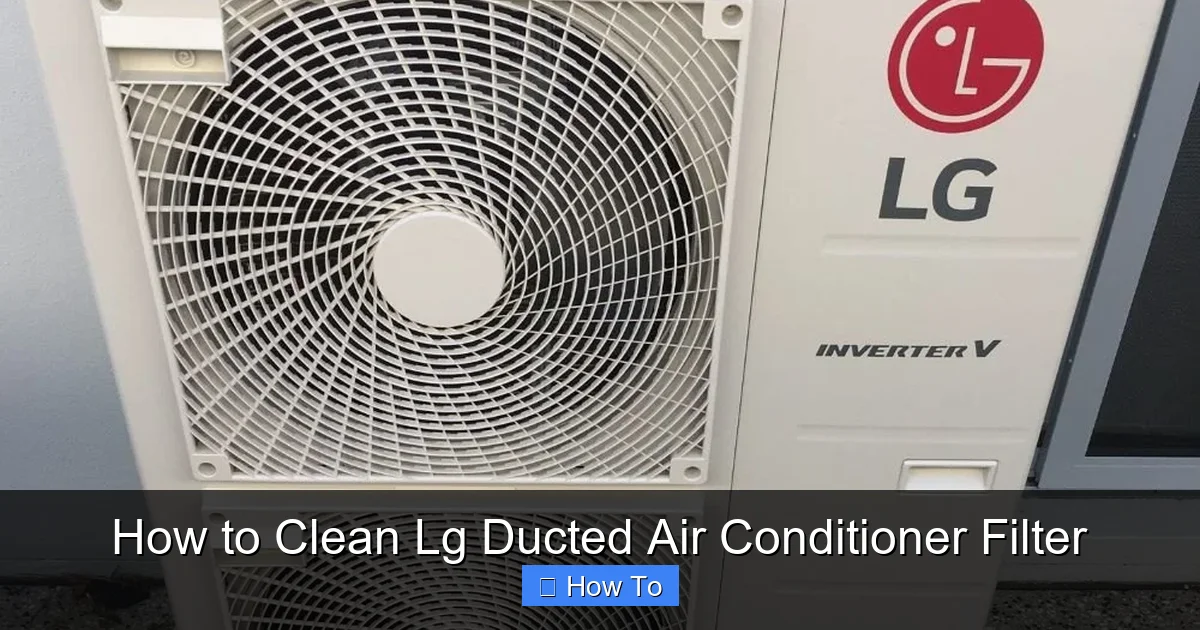
Visual guide about How to Clean Lg Ducted Air Conditioner Filter
Image source: 5.imimg.com
Before diving into the cleaning process, it’s important to understand why this task is so crucial. The air filter in your LG ducted air conditioner plays a vital role in protecting both your system and your indoor environment.
When the filter becomes clogged with dirt and debris, it restricts airflow. This means your AC has to run longer and harder to cool or heat your home, which increases energy consumption and wear on internal components. According to the U.S. Department of Energy, a dirty filter can increase energy use by up to 15%. Over time, this can lead to higher utility bills and premature system failure.
Additionally, a dirty filter fails to trap allergens and pollutants effectively. This can worsen allergies, asthma, and other respiratory conditions—especially in homes with pets or smokers. Clean filters help maintain better indoor air quality, creating a healthier living space for you and your family.
Finally, regular filter cleaning extends the lifespan of your LG ducted air conditioner. By reducing strain on the fan motor and evaporator coil, you minimize the risk of costly repairs or replacements down the line.
Tools and Materials You’ll Need
Before you begin, gather the following tools and materials to make the cleaning process smooth and efficient:
- Screwdriver (Phillips or flathead): Needed to remove the return air grille or access panel.
- Vacuum cleaner with brush attachment: Helps remove loose dust before washing.
- Mild dish soap or gentle detergent: Avoid harsh chemicals that can damage the filter material.
- Lukewarm water: Hot water can warp or melt certain filter types.
- Soft sponge or cloth: For gently scrubbing the filter.
- Clean towel or drying rack: To air-dry the filter completely.
- Gloves (optional): Protect your hands from dust and grime.
- Safety goggles (optional): Prevent dust from getting into your eyes during removal.
Having everything ready beforehand saves time and ensures you don’t have to pause mid-process to find a missing tool.
Step 1: Turn Off the Power
Safety always comes first when working with any electrical appliance—and your LG ducted air conditioner is no exception.
Why Powering Off Is Essential
Even though the filter itself isn’t electrical, the air handler unit contains motors, fans, and wiring that can pose a shock hazard if accidentally activated. Turning off the power eliminates this risk and protects both you and the system.
How to Safely Disconnect Power
There are two main ways to cut power to your ducted AC system:
- Turn off the circuit breaker: Locate your home’s main electrical panel and find the breaker labeled “HVAC,” “Air Conditioner,” or “AC Unit.” Flip it to the OFF position. If you’re unsure which breaker controls your AC, turn off the main breaker to be safe.
- Use the disconnect switch: Many LG ducted systems have a dedicated disconnect switch near the indoor air handler unit (usually in a closet, attic, or utility room). This is a small metal box with a lever or pull-out fuse. Turn it off or remove the fuse.
Once power is off, wait at least 5–10 minutes before proceeding. This ensures any residual charge dissipates and gives you peace of mind.
Step 2: Locate the Return Air Grille
Unlike window or portable AC units, ducted systems hide their filters behind return air grilles—typically installed in ceilings or high on walls.
Identifying the Right Grille
Most homes with ducted AC have one or more return air grilles. These are larger than supply vents (which blow cool air into rooms) and often have slatted covers. Look for a grille that’s centrally located—commonly in hallways, living rooms, or near the thermostat.
If you have multiple grilles, check your LG user manual or look for labels near the grille indicating it’s the “return” or “filter access” point. Some systems have filters behind every return grille, while others use a single centralized filter.
Removing the Grille
Once you’ve found the correct grille:
- Use a screwdriver to remove any visible screws holding the grille in place.
- If there are no screws, the grille may be held by spring clips or magnets. Gently pull it downward or outward—most LG grilles pop out easily with light pressure.
- Set the grille aside on a soft surface to avoid scratching.
Be careful not to force the grille. If it doesn’t come out easily, double-check for hidden screws or clips.
Step 3: Remove the Air Filter
With the grille removed, you should now see the air filter inside the duct opening.
Understanding Filter Types
LG ducted air conditioners typically use one of two filter types:
- Disposable fiberglass filters: Thin, cardboard-framed filters designed for single use. These should be replaced, not cleaned.
- Pleated or reusable filters: Made of polyester or synthetic materials, these can be washed and reused multiple times.
Check your filter to determine which type you have. If it’s a disposable filter and looks dirty, replace it with a new one of the same size. If it’s reusable, proceed with cleaning.
Safely Extracting the Filter
To remove the filter:
- Gently slide it out of the slot or frame. Most filters fit snugly but shouldn’t require force.
- If the filter is stuck, check for tabs, latches, or retaining clips that may be holding it in place.
- Hold the filter by the edges to avoid tearing the material.
Place the removed filter on a clean towel or in a bin to prevent spreading dust around your home.
Step 4: Vacuum Loose Debris
Before washing, use your vacuum cleaner with a brush attachment to remove surface dust and large particles.
How to Vacuum Effectively
- Run the vacuum over both sides of the filter, focusing on the side that faces the return air duct (this is usually the dirtier side).
- Use gentle suction—too much pressure can damage pleats or fibers.
- Pay extra attention to corners and edges where dust tends to accumulate.
This step removes up to 70% of the debris, making the washing process more effective and preventing clogged drains or sinks.
Step 5: Wash the Filter
Now it’s time to give your filter a thorough clean.
Preparing the Cleaning Solution
Fill a bathtub, large sink, or bucket with lukewarm water. Add a few drops of mild dish soap—avoid bleach, ammonia, or strong detergents, as they can degrade the filter material.
Washing Technique
- Submerge the filter completely and let it soak for 10–15 minutes. This loosens embedded dirt.
- Use a soft sponge or cloth to gently scrub both sides. Focus on heavily soiled areas, but avoid aggressive rubbing.
- Rinse thoroughly with clean lukewarm water until all soap residue is gone. Soap left on the filter can attract more dust over time.
Never use a pressure washer or hose with high-pressure spray—this can tear the filter or force water into the fibers, making drying difficult.
Step 6: Dry the Filter Completely
Drying is just as important as cleaning. A damp filter can promote mold and mildew growth, which defeats the purpose of cleaning.
Air-Drying Best Practices
- Place the filter on a clean, dry towel or set it upright in a drying rack.
- Ensure it’s in a well-ventilated area away from direct sunlight or heat sources (which can warp the material).
- Allow it to dry for at least 4–6 hours, or overnight if possible.
- Do not reinstall the filter until it’s 100% dry—even a slightly damp filter can cause problems.
You can speed up drying by placing the filter near a fan, but avoid using a hair dryer or heater, as excessive heat can damage the filter.
Step 7: Reinstall the Filter and Grille
Once the filter is completely dry, it’s time to put everything back.
Reinserting the Filter
- Check the filter for any tears, warping, or damage. If it’s damaged, replace it with a new one.
- Slide the filter back into the slot, making sure it fits snugly and faces the correct direction (look for airflow arrows on the frame).
- Ensure there are no gaps around the edges—air should only pass through the filter, not around it.
Reattaching the Grille
- Align the grille with the opening and press it into place. If it uses clips, you should hear a soft click.
- If screws were removed, reinsert and tighten them securely—but don’t overtighten, as this can crack the plastic.
Double-check that the grille is flush and secure before restoring power.
Step 8: Restore Power and Test the System
Now that everything is back in place, it’s safe to turn the power back on.
Restoring Power Safely
- Flip the circuit breaker back to ON or reinsert the fuse in the disconnect switch.
- Wait a minute or two for the system to initialize.
- Turn on your thermostat and set it to “Cool” or “Heat” to test operation.
Listen for normal fan sounds and check that air is flowing properly through the vents. If you notice unusual noises, reduced airflow, or error codes, turn the system off and recheck your installation.
How Often Should You Clean Your LG Ducted Air Conditioner Filter?
The frequency of cleaning depends on several factors:
- Every 1 month: Homes with pets, smokers, or allergy sufferers.
- Every 2 months: Average households with moderate usage.
- Every 3 months: Low-occupancy homes or seasonal use (e.g., vacation homes).
Also, clean the filter immediately if you notice reduced airflow, increased dust in your home, or a musty smell when the AC runs.
Troubleshooting Common Issues
Even with careful cleaning, you might encounter problems. Here’s how to handle them:
Filter Won’t Fit After Cleaning
If the filter seems warped or doesn’t slide in smoothly, it may have been damaged during washing or drying. Check for bent frames or compressed pleats. If it’s misshapen, replace it—forcing it in can cause air leaks.
Reduced Airflow After Reinstallation
This could mean the filter wasn’t fully dry, was installed backward, or there’s a blockage elsewhere in the ductwork. Double-check the filter orientation and ensure the grille is fully seated. If airflow remains low, consider having your ducts inspected.
Unusual Noises or Odors
A musty smell may indicate mold growth due to a damp filter. Turn off the system, remove the filter, and inspect for mold. Clean or replace it, and consider using an antimicrobial filter. Rattling noises could mean the grille isn’t secure—recheck the installation.
Error Codes on Thermostat
Some LG ducted systems display error codes if airflow is restricted. Common codes like “E1” or “P6” may indicate a dirty or missing filter. After cleaning and reinstalling, reset the system by turning the power off for 10 minutes, then back on.
Tips for Maintaining Your LG Ducted Air Conditioner
Beyond filter cleaning, here are a few extra tips to keep your system running smoothly:
- Schedule annual professional maintenance: A technician can clean coils, check refrigerant levels, and inspect electrical connections.
- Keep vents and registers unobstructed: Furniture, curtains, or rugs blocking airflow reduce efficiency.
- Use a programmable thermostat: This helps maintain consistent temperatures and reduces strain on the system.
- Consider upgrading to a high-efficiency filter: MERV 8–11 filters offer better filtration without restricting airflow.
- Monitor indoor humidity: High humidity can make your AC work harder. Use a dehumidifier if needed.
Conclusion
Cleaning your LG ducted air conditioner filter is a simple yet powerful way to protect your investment, save energy, and breathe cleaner air. By following the steps in this guide—turning off power, locating the filter, washing gently, drying thoroughly, and reinstalling correctly—you’ll keep your system running efficiently for years to come.
Remember, consistency is key. Mark your calendar for regular cleanings, and don’t wait until the filter looks dirty. A little maintenance goes a long way in preventing costly repairs and ensuring your home stays comfortable no matter the season.
With the right tools, a bit of patience, and this guide by your side, you’re fully equipped to handle filter cleaning like a pro. Your LG ducted air conditioner—and your family—will thank you.