How to Bypass AC Compressor – A Comprehensive Guide
Are you facing issues with your AC compressor and wondering if there's a way to bypass it? In this guide, we'll explore the possibility of bypassing the AC compressor and various methods to do so.
Can AC Compressor be Bypassed?
Many people wonder whether it's possible to bypass the AC compressor, and the answer is yes, it can be done using different techniques. Let's delve into some of the ways to bypass the AC compressor.
Unplugging The Wires
One way to bypass the AC compressor is by simply unplugging the wires which energize the clutch. By disconnecting the power and ground wires, the clutch is no longer engaged, effectively bypassing the compressor. It's important to note that this method shouldn't cause any issues, but it's advisable to seek professional guidance if you're unsure.
In practice, unplugging the clutch connector will often trigger a check-engine light or store a fault code in the vehicle’s ECM because the system detects an open circuit. A common mistake is assuming the ECU will ignore the missing compressor; many modern vehicles will set a P0645 or similar code and may disable other functions such as the defroster. If you choose this route, be prepared to clear the code or use a bypass resistor to simulate the clutch load.
Using A Smaller Belt
Another method involves using a smaller belt to bypass the AC compressor. By installing a bypass pulley in place of the factory compressor, you can effectively remove the compressor from the system. This eliminates the need for the compressor and allows the rest of the system to function without it.
When selecting a bypass pulley, measure the belt path carefully — use a string around the remaining pulleys to determine the exact length needed. A belt that is too short will over-tension the alternator and water pump bearings, while one that is too long will slip. In practice, a dedicated bypass pulley kit (often sold as an “AC delete” kit) includes a idler pulley that bolts to the original compressor mounting points, preserving belt alignment and tension.
Is it Safe to Bypass the AC Compressor?
While bypassing the AC compressor is feasible, it's important to consider the safety implications. If you're looking to disconnect or remove the compressor, it's crucial to seek the assistance of a licensed and certified professional. Recovering the refrigerant before removing the condensing unit is a necessary step to ensure safety and compliance with regulations.
Legal and Environmental Considerations
Refrigerant handling is governed by EPA Section 608 regulations, which require certified recovery equipment and proper documentation. Venting refrigerant into the atmosphere is illegal and harmful to the environment. As of 2026, most new vehicles use R-1234yf, which has a lower global warming potential but still must be recovered by a certified technician. For current guidelines, refer to the EPA’s Section 608 program. Additionally, some states (e.g., California) have stricter rules on mobile AC service — check local requirements before proceeding.
https://www.youtube.com/watch?v=PqxYgNxjakQ
Methods to Bypass AC Compressor
Here are some of the methods you can use to bypass the AC compressor:
Unplugging the wires which energize the clutch
Installing a bypass pulley in place of the factory compressor
Using a smaller belt to bypass the compressor
Tools and Materials Needed
Before starting, gather the following:
- Socket set and ratchet (typically 10 mm, 12 mm, 14 mm)
- Serpentine belt tool or long-handled breaker bar for tensioner
- New bypass pulley or idler pulley (vehicle-specific)
- Replacement serpentine belt (correct length for bypass routing)
- Safety glasses and gloves
- Refrigerant recovery machine (if removing compressor entirely) — must be operated by a certified professional
Step-by-Step Bypass Procedure (Bypass Pulley Method)
- Disconnect the battery negative terminal to prevent electrical shorts.
- Recover refrigerant using certified equipment (skip only if compressor remains in place and clutch is simply unplugged).
- Remove the serpentine belt by rotating the tensioner and sliding the belt off.
- Unbolt the AC compressor from the engine block, keeping the mounting brackets if they will be reused for the idler pulley.
- Install the bypass/idler pulley onto the compressor mounting points, torquing to the manufacturer’s specification.
- Route the new serpentine belt according to the bypass diagram (often included with the kit). Double‑check alignment on all pulleys.
- Reconnect the battery, start the engine, and verify belt tension and noise. Use a scan tool to clear any stored AC‑related codes.
- Test drive and monitor for overheating, charging voltage, and any warning lights.
Note: This procedure varies by vehicle. Always consult the factory service manual for torque specs and belt routing.

AC compressor bypass pulley kit available on Amazon
Credit: www.amazon.com
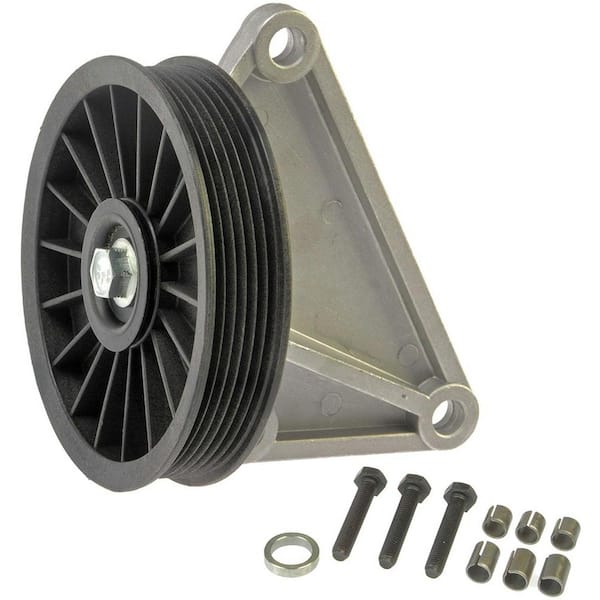
Car cooling system bypass pulley from Home Depot
Credit: www.homedepot.com
Video Demonstrations
If you prefer visual demonstrations, there are several tutorials available on platforms like YouTube that showcase how to bypass the AC compressor using various methods. These videos provide step-by-step guidance and additional tips for a successful bypass.
Potential Risks and Drawbacks
Bypassing the compressor removes the ability to cool the cabin and defog the windshield efficiently. In humid climates, this can impair visibility and safety. The defroster relies on the AC to dehumidify air; without it, you may experience persistent fogging. Additionally, the compressor often shares a belt with the water pump and alternator — altering belt geometry can reduce the lifespan of those components. Some vehicles also use the compressor clutch as a load sensor for the ECU; removing it may cause idle instability or increased fuel consumption.
When to Consider Replacement Instead
If the compressor has failed catastrophically (metal debris in the system), a bypass is only a temporary fix. Contaminants will circulate and damage the condenser, evaporator, and expansion valve. In such cases, a full system flush and component replacement is more cost‑effective long‑term. For guidance on diagnosing warm‑air issues, see our article on diagnosing warm air issues. If you suspect condenser problems, review checking the condenser and condenser fault finding.
Seek Professional Guidance
It's important to highlight the significance of seeking professional guidance when dealing with AC compressor bypass. While some methods may seem straightforward, the complexity of AC systems necessitates the expertise of professionals. A trained technician can ensure that the bypass is conducted safely and effectively.
For routine upkeep that can extend compressor life, consult our routine AC upkeep tips. If you’re evaluating whether to repair or replace the entire system, our guide on selecting a suitable system offers useful criteria (though focused on residential, the principles of sizing and efficiency apply).
Frequently Asked Questions Of How To Bypass Ac Compressor: Easy Techniques For Car Owners
Can You Bypass The Ac Compressor With The Serpentine Belt?
Yes, you can bypass the AC compressor with the serpentine belt by unplugging the wires that energize the clutch. This can be done without causing any issues.
Can Ac Work Without Compressor?
Without a compressor, your AC won't cool as it needs the compressor to pull heat from the air.
Can I Run My Ac With A Bad Compressor?
No, do not run your AC with a bad compressor. Contact an HVAC professional for immediate assistance as it may lead to further issues.
Can The Ac Compressor Be Disconnected?
Yes, the AC compressor can be disconnected. You can simply unplug the wires that energize the clutch. However, it is important to note that disconnecting the AC compressor may cause your AC system to not function properly. It is recommended to consult a licensed professional before attempting to disconnect the compressor.
Will bypassing the AC compressor affect my vehicle’s emissions test?
In most regions, the AC system is not part of the emissions inspection. However, a check-engine light triggered by an open clutch circuit will cause an automatic failure in OBD‑II readiness tests. Clear the code only after verifying the ECU accepts the bypass (some require a resistor).
Can I reinstall the compressor later if I change my mind?
Yes, provided you kept the original compressor, brackets, and belt. You’ll need to recharge the system with the correct refrigerant and oil, and have a professional evacuate and charge it.
Does bypassing the compressor improve fuel economy?
Marginally. The compressor draws about 3–5 hp when engaged. Removing the parasitic load can yield a small MPG gain, but the loss of defogging capability often outweighs the benefit.
Conclusion
When it comes to bypassing the AC compressor, there are multiple methods available, ranging from unplugging the wires to using a smaller belt or installing a bypass pulley. However, the safety and compliance aspects associated with these processes emphasize the need for professional assistance. By consulting qualified professionals and abiding by the necessary protocols, you can effectively bypass the AC compressor without compromising safety or system integrity.
Ready to get your AC fixed? Contact a certified technician today for a thorough inspection.