
How Much to Replace an AC Compressor in a Car: Cost-effective Solutions.
How Much to Replace an AC Compressor in a Car
Are you facing issues with your car's air conditioning system? Wondering about the costs involved in replacing the AC compressor? Let's delve into the details and understand the process.
Signs of a Faulty AC Compressor
If you suspect that your AC compressor is failing, watch out for these common signs:
Strange noises when turning on the AC
Receiving hot air instead of cool air
Noticing fluid leaks around the compressor
Experiencing a stuck clutch
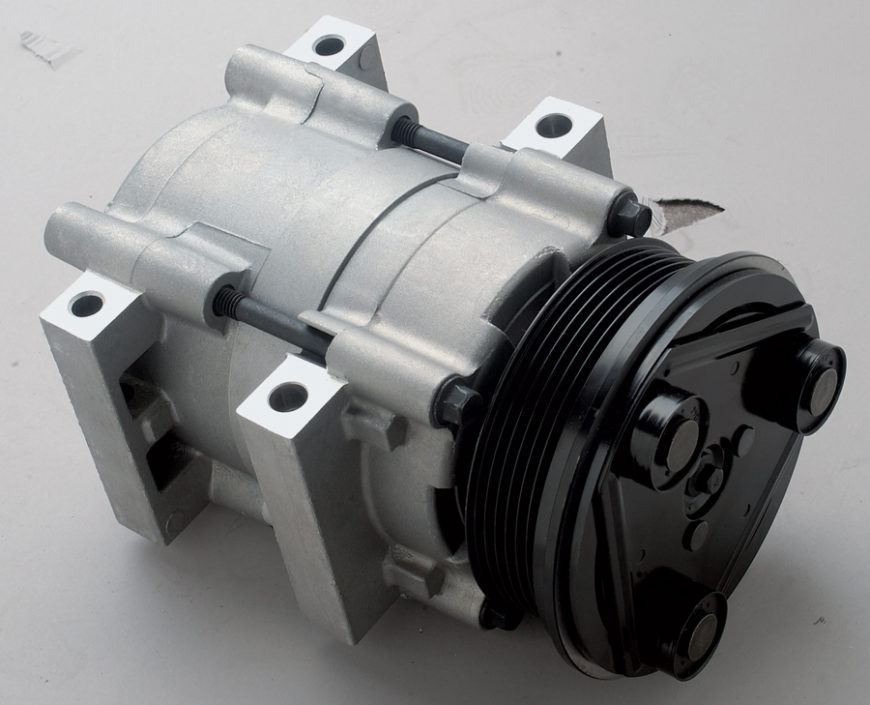
Illustration showing the steps to replace a car AC compressor
Credit: www.autozone.com
https://www.youtube.com/watch?v=Q1Ip4oJBWOo
Importance of Timely Replacement
Driving with a faulty AC compressor can lead to further damage and costly repairs. It's crucial to address the issue promptly to avoid additional complications. For more on this, see our guide on how much to replace ac compressor in car.
In practice, a failing compressor can shed metal debris into the entire refrigerant circuit, contaminating the condenser, expansion valve, and evaporator. A common mistake is ignoring early noise or reduced cooling, which often turns a single-component replacement into a full-system flush and multiple part replacements — significantly raising the final bill.
Cost of Replacing an AC Compressor
The cost of replacing an AC compressor in a car can vary based on several factors, including:
Factors Cost Range
Vehicle Model $200 – $1000
Labor Charges $100 – $300
Replacement Parts $150 – $600
Keep in mind that these are estimated costs, and actual expenses may vary based on your location and the specific requirements of your vehicle. For more on this, see our guide on replace ac compressor cost car.
Cost estimates are based on 2026 national averages.
Factors That Influence the Final Cost
Beyond the basic table, several variables shift the price up or down. OEM compressors typically cost 30–50 % more than quality aftermarket units but often carry longer warranties. Labor rates differ widely between dealerships, independent shops, and mobile technicians. Additional parts — receiver/drier, expansion valve, orifice tube, and a system flush — are frequently recommended (sometimes required) to honor the new compressor’s warranty. Refrigerant type matters too: R‑1234yf systems require more expensive refrigerant and specialized recovery equipment. Finally, geographic cost-of-living differences can swing the total by several hundred dollars. Following a preventive maintenance schedule helps catch small leaks before they ruin the compressor.
What’s Included in a Professional Compressor Replacement?
A thorough shop job usually covers:
- Recovery and proper recycling of old refrigerant (mandatory under EPA refrigerant handling requirements)
- Removal of the failed compressor and inspection for debris
- Flushing the condenser, lines, and evaporator with approved solvent
- Installing a new receiver/drier or accumulator and expansion device
- Mounting the new compressor with fresh O‑rings and torque‑spec’d fasteners
- Deep vacuum (≤ 500 microns) to remove moisture and air
- Recharging with the correct refrigerant weight and oil type
- Performance test: vent temperatures, pressures, and clutch cycling
Skipping any of these steps risks repeat failure and voids most parts warranties.
How Long Does the Replacement Take?
Most professional replacements take 3–5 hours of labor, plus 30–60 minutes for diagnosis and refrigerant recovery. Complex engine bays or rusted fasteners can add time. Mobile technicians may need extra setup time but save you a tow. For more on this, see our guide on replace car ac compressor cost.
Warranty Considerations
OEM compressors often come with a 12‑month/unlimited‑mile parts warranty; many aftermarket brands offer 2–3 years. Labor warranty varies — typically 12 months/12,000 miles at reputable shops. Using a certified technician (ASE 609 or equivalent) is usually required to keep the parts warranty valid. Always get the warranty terms in writing before authorizing the repair.
Environmental Regulations and Refrigerant Handling
Federal law (Clean Air Act Section 608) prohibits venting any refrigerant. Technicians must be EPA Section 608 certified, and shops must use certified recovery/recycling equipment. DIYers who purchase refrigerant in small cans are still legally required to avoid venting; many auto parts stores offer free recovery drop‑off. Improper handling can result in fines and environmental harm.
Money-Saving Tips
- Get at least three itemized quotes (parts, labor, refrigerant, shop supplies).
- Ask about remanufactured compressors from reputable suppliers — they can save 20–40 % with comparable warranty.
- Inquire whether the shop will reuse your existing refrigerant after recovery (if it’s clean) to reduce material cost.
- Keep up with condenser diagnostic steps and seasonal checks to extend compressor life.
Is it Worth Replacing the AC Compressor?
While the upfront costs of replacing an AC compressor may seem high, it is essential for your comfort and safety while driving. Avoiding compressor replacement can lead to more significant issues down the line.
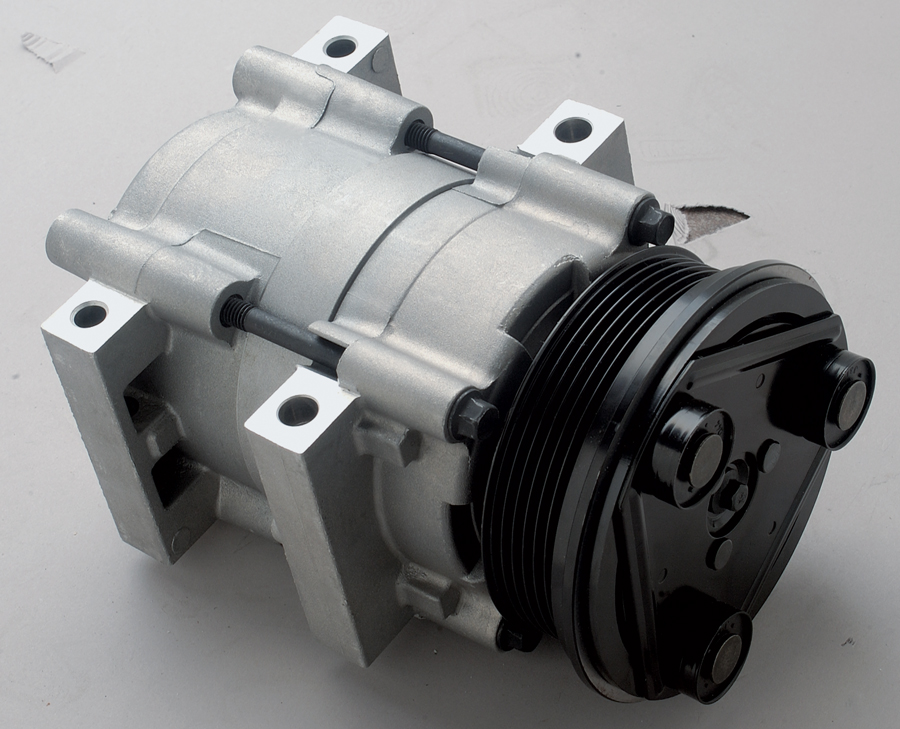
Diagram of AC compressor removal and installation
Credit: www.autozone.com
DIY vs. Professional Replacement
While some car enthusiasts may opt for a DIY approach to replace the AC compressor, it is recommended to seek the expertise of a professional mechanic. This ensures the job is done correctly and minimizes the risk of further damage.
A DIY attempt requires specialized tools: manifold gauge set, vacuum pump, refrigerant recovery machine (or access to one), torque wrench, and often a clutch holding tool. Mistakes like under‑torquing the shaft bolt, skipping the flush, or incorrect oil charge are common and can destroy the new compressor within miles. Professional shops also carry liability insurance — if something goes wrong, you’re not on the hook for collateral damage.
DIY vs. Professional: Cost Comparison Table
| Item | DIY Estimate | Professional Estimate |
|---|---|---|
| Compressor (aftermarket) | $150‑$400 | $200‑$600 (marked up) |
| Receiver/drier, expansion valve, O‑rings | $50‑$120 | $80‑$180 |
| Refrigerant (R‑134a, 2 lb) | $40‑$80 | $60‑$120 |
| Flush solvent & shop supplies | $30‑$60 | Included in labor |
| Tool rental/purchase (gauges, pump, recovery) | $150‑$400+ | N/A |
| Labor (your time vs. shop rate) | $0 | $150‑$400 |
| Total | $420‑$1,060 | $490‑$1,300 |
| Risk of repeat failure | High without experience | Low with warranty |
Numbers are 2026 approximations; actual prices vary by region and vehicle.
Ready to get your AC blowing cold again? Compare quotes from AAA certified repair shops for a reliable, warranted fix.
Final Thoughts
Driving with a malfunctioning AC compressor can be uncomfortable and potentially hazardous. If you notice any signs of compressor failure, it's best to consult a professional and get it replaced promptly.
Remember, investing in the maintenance of your car's AC system can save you from more substantial repair costs in the future.
Frequently Asked Questions Of How Much To Replace A Ac Compressor In A Car: Cost-effective Solutions.
Is It Worth Replacing Car Ac Compressor?
Replacing a car AC compressor is worth it to avoid expensive repairs. If you notice issues with your compressor, it's best to get it replaced as soon as possible. Driving with a broken compressor can lead to further damage and costly repairs.
Ensure a comfortable and safe driving experience by replacing a faulty AC compressor.
How Much Does It Cost To Replace An Ac Compressor On A Car?
The cost to replace an AC compressor on a car ranges from $500 to $1500.
How Do I Know If My Car Ac Compressor Is Bad?
Signs of a bad car AC compressor include odd sounds, hot air coming from the vents, fluid leaks, and a stuck clutch. It is not recommended to drive with a bad AC compressor as it can lead to expensive repairs.
Get your compressor replaced as soon as you notice any issues.
Is It Ok To Drive With A Bad Ac Compressor?
Driving with a bad AC compressor can lead to more expensive repairs later. Get it replaced as soon as possible to avoid further damage and discomfort while driving.

