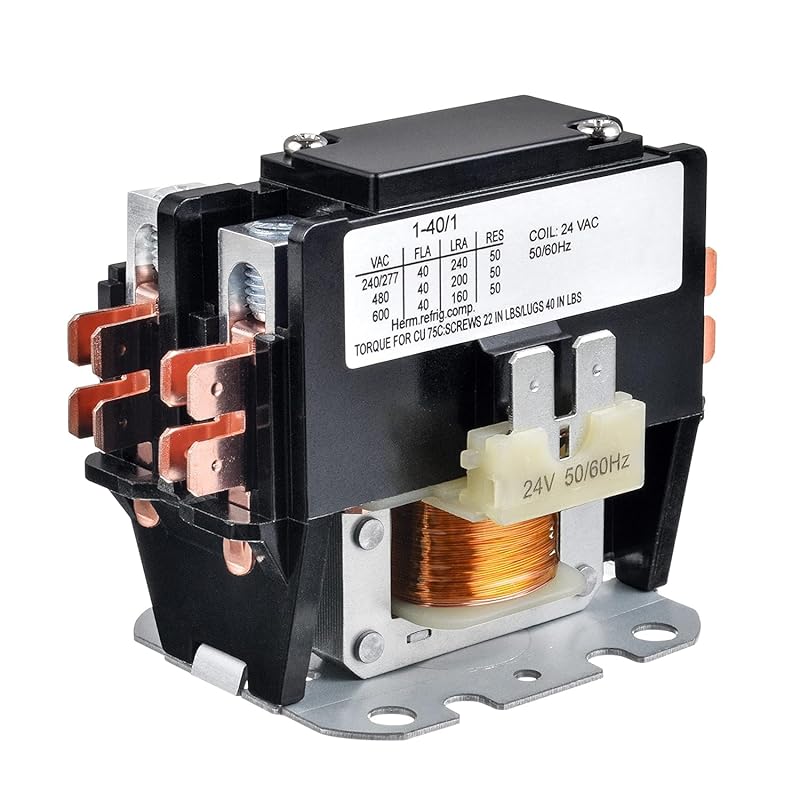
Thinking about upgrading your cooling system? A 4-ton Carrier air conditioner typically costs between $3,500 and $6,000 installed, depending on model, efficiency rating, and regional labor rates. Carrier’s high-efficiency units offer long-term savings and reliable performance, making them a smart choice for homes needing strong cooling power.
# How Much Does a 4 Ton Carrier Air Conditioner Cost?
When it comes to keeping your home cool during scorching summer months, choosing the right air conditioning system is more than just comfort—it’s about smart investment. If you’re considering upgrading or replacing your current unit, you’ve likely come across terms like “4 ton,” “SEER rating,” and brand names like Carrier. But what does all that really mean? And how much should you expect to pay?
In this detailed guide, we’ll walk you through everything you need to know about the cost of a 4 ton Carrier air conditioner—from base prices and installation fees to long-term savings and available incentives. Whether you’re a first-time buyer or looking to upgrade an aging system, this article will help you make an informed decision without getting overwhelmed by technical jargon.
## Understanding What a 4-Ton AC Unit Means
Before diving into pricing, let’s clarify what “4 ton” actually refers to in the world of HVAC systems. In North America, air conditioners are measured in “tons,” which isn’t about weight but cooling capacity. One ton equals 12,000 British Thermal Units (BTUs) per hour—essentially, the amount of heat required to melt one ton of ice in 24 hours.
So, a 4-ton air conditioner can remove 48,000 BTUs per hour from your home. This size is generally recommended for homes between 2,400 and 3,000 square feet, especially in hot climates where consistent airflow and rapid cooling are essential. Choosing the correct size prevents common issues like short cycling, excessive humidity, and higher utility bills due to inefficient operation.
Carrier has built a reputation for manufacturing reliable, efficient, and durable HVAC equipment. Their 4-ton models are no exception, offering advanced features such as variable-speed compressors, smart thermostats compatibility, and enhanced filtration systems. However, these benefits come at a price—literally.
## Breaking Down the Total Cost of a 4-Ton Carrier Air Conditioner
The total cost of installing a 4-ton Carrier air conditioner includes several components: the unit itself, ductwork modifications (if needed), electrical upgrades, permits, and professional labor. Let’s break each down:
### Base Unit Price
The price of the actual Carrier air conditioning unit varies widely based on its efficiency level, technology type, and included features. Here’s a general range:
– **Entry-Level Models (Single-Stage, SEER 14–16):** $2,500 – $3,200
These are solid, dependable units suitable for moderate climates and average usage. They turn on at full power and cycle off when the desired temperature is reached—simple and effective.
– **Mid-Range Models (Two-Stage, SEER 16–17):** $3,200 – $4,500
Two-stage systems run at lower speeds most of the time, improving indoor air quality and reducing noise. They also consume less energy during mild weather conditions.
– **High-Efficiency Models (Variable-Speed, SEER 18+):** $4,500 – $6,000+
Top-tier Carrier units feature variable-speed compressors and fans that adjust output based on demand. These deliver superior comfort, whisper-quiet operation, and significant energy savings—ideal if you live in extreme heat or prioritize long-term ROI.
It’s important to note that Carrier doesn’t sell directly to consumers. You’ll purchase through certified dealers who carry their full product line. Prices may fluctuate slightly depending on location and dealer markup.
### Installation Costs
Installation accounts for roughly 40–60% of the total project cost. Hiring a licensed HVAC contractor is non-negotiable—not only for safety reasons but also because Carrier warranties require professional setup.
Average installation fees for a 4-ton unit:
| Service | Estimated Cost |
|——–|—————-|
| Standard Installation (ducted system) | $1,200 – $2,200 |
| Ductwork Modifications | $500 – $1,500 |
| Electrical Upgrades (if needed) | $300 – $800 |
| Permits & Inspections | $100 – $300 |
Factors influencing labor costs include:
– Age and condition of existing ductwork
– Accessibility of the outdoor condenser unit
– Need for new refrigerant lines or controls
– Local building codes and permit requirements
Always get multiple quotes from NATE-certified technicians. Be wary of extremely low bids—they might cut corners or use subpar materials.
### Additional Considerations
Beyond the core cost, ask yourself these questions before finalizing your purchase:
– Do you need zoning controls or smart thermostats?
– Will you install a whole-house humidifier or UV air purifier?
– Are there any structural changes needed (e.g., removing old unit, relocating condensate drain)?
Each addition bumps up the final bill, but many provide noticeable improvements in comfort and health.
## Comparing Carrier 4-Ton Models and Features
Not all 4-ton Carrier air conditioners are created equal. Let’s explore some popular series and what sets them apart:
### Carrier Infinity Series
The crown jewel of Carrier’s lineup, the Infinity series boasts SEER ratings up to 24. These units feature:
– ComfortCore™ compressor with two-stage operation
– Enhanced filtration (up to MERV 15)
– Whisper-quiet fan motors
– Wi-Fi connectivity via Côr app
Ideal for homeowners seeking luxury performance and maximum energy savings.
### Carrier Performance Series
A step below Infinity, the Performance series offers excellent value with SEER 18 efficiency. Highlights include:
– ComfortHeat™ technology for balanced heating/cooling
– QuietComfort™ acoustics
– Compatible with ComfortLink II thermostat
Great balance between cost and capability for families wanting reliability without breaking the bank.
### Carrier Comfort Series
Entry-level yet robust, Comfort series units start around SEER 14–16. Designed for straightforward installation and dependable operation. Best suited for regions with mild summers or homes where occasional peak loads suffice.
When comparing models, consider not just sticker price but also lifecycle cost. For instance, paying $800 more upfront for a SEER 20 unit could save you $300–$500 annually on electricity—especially if you run the AC frequently.
## Energy Efficiency and Long-Term Savings
One of the biggest advantages of modern Carrier systems is their energy efficiency. The U.S. Department of Energy mandates minimum SEER 13 for new residential units, but Carrier leads with much higher standards.
Here’s how SEER impacts your wallet:
| SEER Rating | Annual Electricity Use (kWh) | Estimated Yearly Cost* |
|————|——————————-|————————|
| 14 | ~3,400 | $480 |
| 16 | ~3,000 | $420 |
| 18 | ~2,700 | $380 |
| 20 | ~2,500 | $350 |
| 24 | ~2,100 | $295 |
*Assuming $0.14/kWh and 1,500 annual runtime hours.
Over 15 years, switching from SEER 14 to SEER 24 saves approximately $2,100 in energy costs—more than offsetting the initial investment difference.
Moreover, high-efficiency models often qualify for federal tax credits and utility rebates. The Inflation Reduction Act (IRA) offers up to $600 back for qualifying heat pump installations, though traditional central ACs may still be eligible under state-specific programs.
## Tips for Saving Money on Your Carrier AC Purchase
Even with competitive pricing, there are ways to reduce out-of-pocket expenses:
1. **Time Your Purchase:** Late spring or early fall often sees lower demand, prompting contractors to offer discounts or flexible scheduling.
2. **Bundle Services:** Ask about package deals covering both indoor and outdoor units, plus maintenance plans.
3. **Check Rebate Programs:** Visit your local utility company’s website—many offer instant rebates at checkout.
4. **Negotiate Labor Only:** Sometimes contractors charge less for labor if you buy the unit elsewhere.
5. **Consider Financing:** Carrier partners with third-party lenders offering 0% APR for qualified buyers over 18–24 months.
Also, don’t forget regular maintenance! Annual tune-ups extend lifespan by 10–15% and maintain SEER performance.
## Common Mistakes to Avoid When Buying a 4-Ton Carrier Unit
Purchasing a major appliance like an air conditioner is a big decision. Steer clear of these pitfalls:
– **Oversizing or Undersizing:** An improperly sized unit wastes money and wears out faster. Always consult an HVAC pro for load calculations.
– **Skipping the Manual J Load Calculation:** This engineering standard determines exact cooling needs based on insulation, window orientation, and climate zone.
– **Ignoring Indoor Air Quality:** Don’t overlook filters, UV lights, or dehumidification—they impact comfort and system efficiency.
– **Choosing Lowest Bidder Without Vetting:** Confirm contractor licensing, insurance, and customer reviews before signing anything.
– **Forgetting About Future Needs:** If you plan to add rooms or solar panels, choose a scalable system now.
## Real-World Examples: Case Studies
Let’s look at two hypothetical homeowners:
**Case Study 1: Sarah, Houston, TX**
Homesize: 2,800 sq ft
Climate: Hot, humid summers
Chose: Carrier Performance Series, SEER 18
Total Cost: $5,100 ($3,600 unit + $1,500 install)
Result: Reduced monthly bill by $45; paid off extra cost in 3 years.
**Case Study 2: Mike, Phoenix, AZ**
Homesize: 2,600 sq ft
Climate: Extreme heat, low humidity
Chose: Carrier Infinity Series, SEER 22
Total Cost: $6,800
Result: Qualified for $400 utility rebate; saved $1,200 over 4 years vs. old SEER 12 unit.
Both invested wisely—tailoring choice to lifestyle and climate.
## Conclusion: Is a 4-Ton Carrier Worth It?
Absolutely. Carrier’s 4-ton air conditioners represent a blend of innovation, durability, and efficiency that few brands match. While the upfront cost ranges from $3,500 to $6,000 installed, the peace of mind, energy savings, and improved home value justify the expense—especially when paired with professional installation and proactive maintenance.
Remember: this isn’t just another household appliance. It’s a central component of your home’s climate control ecosystem. Investing in quality today means fewer headaches tomorrow.
Ready to move forward? Schedule consultations with 3–4 Carrier-certified dealers near you, compare quotes, and ask about current promotions. With the right guidance, you’ll find a system that fits both your cooling needs and your budget.
—
Key Takeaways
- Cost Range: A 4-ton Carrier air conditioner usually costs $3,500 to $6,000 fully installed, with base units starting around $2,500–$3,000.
- Efficiency Matters: High SEER (Seasonal Energy Efficiency Ratio) ratings like 18 or higher can save hundreds in electricity bills over time.
- Installation Adds Value: Professional installation adds $1,000–$2,500 to the total, but ensures safety, warranty validity, and optimal performance.
- Model Variants: From affordable single-stage to premium variable-speed systems, Carrier offers options for every budget and need.
- Rebates & Incentives: Many utility companies and government programs offer rebates for high-efficiency Carrier units, reducing net cost significantly.
- Sizing Is Critical: Properly sizing your AC prevents overspending—a 4-ton unit is ideal for homes between 2,400–3,000 sq ft.
- Long-Term Savings: While pricier upfront, efficient Carrier models reduce energy use by up to 30% compared to older units.
Frequently Asked Questions
What exactly is a 4-ton air conditioner?
A 4-ton air conditioner removes 48,000 BTUs per hour of heat from your home. It’s ideal for spaces between 2,400–3,000 square feet, especially in hot climates.
How much does a Carrier 4-ton AC unit cost installed?
Expect to pay $3,500–$6,000 total installed, including unit and labor. Entry-level models start around $2,500–$3,000, while high-efficiency units go up to $6,000+.
Is Carrier worth the higher price?
Yes—Carrier units offer superior reliability, efficiency (up to SEER 24), smart features, and strong resale value, making them a worthwhile long-term investment.
Are there rebates for Carrier air conditioners?
Many utility companies and the federal government offer rebates for high-efficiency models. Check your local provider’s website or ask your installer about available incentives.
Can I install a Carrier AC myself?
No. Carrier warranties require professional installation by licensed HVAC technicians. DIY installation voids coverage and poses safety risks.
How long do Carrier air conditioners last?
With proper maintenance, Carrier units typically last 15–20 years. Regular filter changes and annual servicing extend lifespan significantly.