How Long Does It Take to Recharge Car AC?
Car air conditioning is important. It keeps you cool. But sometimes, it stops working. You may need to recharge it. How long does this take? Let’s find out!
What is Car AC Recharge?
Car AC recharge means adding refrigerant. The refrigerant is a special fluid. It helps cool the air inside your car. Over time, the refrigerant can leak. This makes the AC weak. You might feel warm air instead of cold air. That’s when you need to recharge it. For more on this, see our guide on ac taking long time to cool.
Additional context: Modern systems use either R‑134a (common in vehicles built before 2021) or the lower‑global‑warming‑potential refrigerant R‑1234yf (standard on most 2021‑newer models). Knowing which fluid your vehicle requires prevents costly mistakes and ensures compliance with current EPA regulations. Regular seasonal maintenance tips can also catch small leaks before they become a full recharge job.
Signs Your Car AC Needs a Recharge
The air is not cold.
You hear strange noises.
There is a bad smell.
Visible leaks under the car.
Extra indicators: A faint hissing sound when the compressor engages, or a noticeable drop in airflow volume, often precede a complete loss of cooling. If you notice the system cycling on and off rapidly, it may be low on refrigerant rather than a mechanical fault. Diagnosing warm air early can save you a full system evacuation later.
How Long Does It Take to Recharge Car AC?
Recharging your car's AC can take time. Usually, it takes about 30 minutes to 1 hour. This depends on several things.
1. The Type Of Refrigerant
Different cars use different refrigerants. Some are easier to recharge than others. Older cars might use R-134a. Newer cars often use R-1234yf. The type affects how long it takes.
2. The Equipment Used
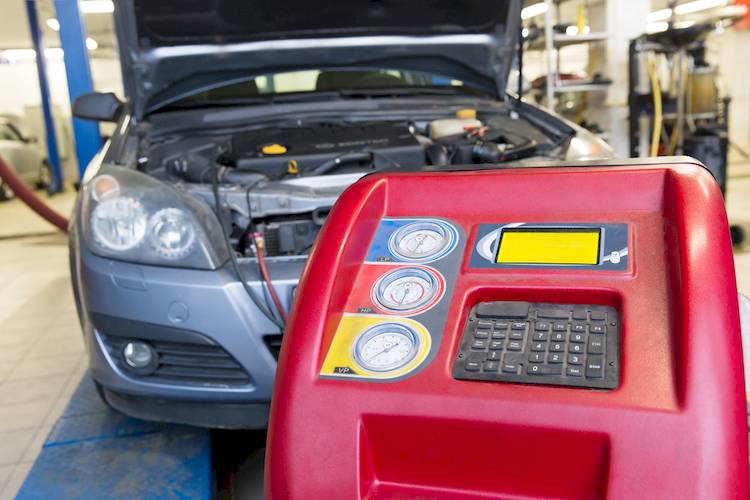
The tools you use matter. A professional shop has special machines. They can recharge it faster. If you do it at home, it might take longer.
3. Experience Of The Technician
If a skilled technician does it, it may take less time. They know what to do. A beginner may take longer.
4. Condition Of The Ac System
If your AC has issues, it may take longer. You may need repairs before recharging. This can add to the time.
Professional vs. DIY timing: A shop with a recovery‑recycle‑recharge machine typically finishes in 30‑45 minutes, while a first‑time DIYer using a can‑tap kit often needs 60‑90 minutes plus leak‑check time. If the system has condenser issues or a faulty compressor, expect additional labor for component replacement before the recharge can proceed.
Steps to Recharge Car AC
Here are the steps to recharge your car AC:
Gather your tools: refrigerant, pressure gauge, and safety gear.
Start your car and turn on the AC.
Check the pressure with the gauge.
Add refrigerant if needed.
Check for leaks.
Test the AC to see if it is cold.
Verification tip: After adding refrigerant, verify the low‑side pressure matches the manufacturer’s spec for the ambient temperature (usually found on a label under the hood). A quick reference to a split system setup guide can help you locate the correct service ports on less common vehicles.
 Diagram showing typical car AC refrigerant circuit
How to Recharge Your Car AC at Home
You can recharge your car AC at home. But be careful. Follow these steps:
Buy the right refrigerant for your car.
Make sure you have a pressure gauge.
Wear safety gloves and goggles.
Start your car and let it run.
Connect the pressure gauge to the low-pressure port.
Check the reading.
If it is low, add refrigerant.
Keep checking the pressure.
Once done, disconnect the gauge.
Safety reminder: Never invert the refrigerant can; doing so forces liquid into the compressor and can cause catastrophic damage. Keep the work area well‑ventilated and avoid skin contact with the fluid. Choosing the right unit for your vehicle’s specification (R‑134a vs. R‑1234yf) is essential — mismatched refrigerant voids warranties and harms the environment.
https://www.youtube.com/watch?v=SHg2xRMnM38
Why is It Important to Recharge Car AC?
Recharging your car AC is important for several reasons:
It keeps you cool and comfortable.
It helps clear foggy windows.
It makes your car more enjoyable to drive.
It can prevent more expensive repairs.
Fuel‑efficiency note: A properly charged system reduces compressor drag, which can improve fuel economy by up to 2 % on long trips. It also lessens the load on the alternator, extending battery life in start‑stop vehicles.
When Should You Recharge Your Car AC?
You should recharge your car AC every 1 to 2 years. But check it if you notice problems. If the air is not cold, check the refrigerant level.
Climate consideration: In hot‑humid regions (e.g., Gulf Coast, Southeast Asia) the system works harder and may need a top‑up annually. In cooler climates a biennial check is usually sufficient, but always inspect after a harsh winter for seal degradation.
Common Mistakes to Avoid
Here are some common mistakes:
Overcharging the system.
Using the wrong refrigerant.
Ignoring leaks.
Not wearing safety gear.
Overcharge consequences: Excess refrigerant raises head pressure, forcing the compressor to work harder and potentially triggering the high‑pressure cut‑off switch, which shuts the system down. It also reduces cooling capacity because the evaporator cannot fully vaporize the liquid.
Professional vs DIY Recharge: Cost and Time Comparison
| Aspect | Professional Shop | DIY (Can‑Tap Kit) |
|---|---|---|
| Typical cost (USD) | $120‑$250 (incl. leak test) | $30‑$70 (refrigerant + gauge) |
| Time required | 30‑45 min | 60‑90 min + leak check |
| Equipment | Recovery/recycle machine, electronic leak detector | Hand‑held gauge, single‑use can |
| Warranty | Often 12‑month on work | None |
| Best for | Complex leaks, hybrid/electric vehicles, warranty‑preserving service | Simple low‑pressure top‑up on older R‑134a systems |
Environmental Regulations and Refrigerant Choices
Since 2021 the U.S. EPA’s Section 608 rules require technicians to be certified for handling any refrigerant, and the industry has largely transitioned to R‑1234yf (GWP ≈ 1) for new vehicles. The SAE J2845 standard outlines service procedures for the new fluid, including specific hose colors and connector types. Using the correct refrigerant not only meets legal requirements but also minimizes climate impact.
Post‑Recharge Checklist
- Verify low‑side and high‑side pressures against OEM specs at current ambient temperature.
- Run the AC for at least 10 minutes; confirm vent temperature drops 15‑20 °F below outside air.
- Inspect all service‑port caps and hose connections for tightness.
- Record the date, refrigerant type, and amount added in your vehicle maintenance log.
- Schedule a follow‑up leak test if the system loses pressure within 30 days.
Frequently Asked Questions
How often should I recharge my car AC?
Most manufacturers recommend a check every 1‑2 years; recharge only if pressure is low or cooling performance drops.
Can I use R‑134a in a vehicle that requires R‑1234yf?
No. The two refrigerants operate at different pressures and use incompatible lubricants; mixing them damages the compressor and voids warranties.
What does a professional AC recharge include?
A certified shop will recover old refrigerant, vacuum‑test for leaks, recharge to exact spec, and often add UV dye for future leak detection.
Is it safe to recharge the AC myself?
Yes, if you follow the manufacturer’s pressure chart, wear gloves/goggles, and use the correct refrigerant. Overcharging or using the wrong fluid can cause serious injury and system damage.
Why does my AC blow warm air after a recharge?
Possible causes: residual air/moisture in the system, a faulty compressor clutch, a blocked expansion valve, or an undetected leak that allowed refrigerant to escape again.
How can I tell if my AC system has a leak?
Look for oily residue around hose fittings, listen for a hissing sound when the compressor runs, or use a UV‑light leak detection kit after adding dye.
Conclusion
Recharging your car AC is not very hard. It usually takes 30 minutes to 1 hour. The time can vary based on different factors.
Make sure to check for signs that your AC needs a recharge. Do not ignore the problems. Keeping your AC in good shape is important for comfort.
If you are unsure, it’s best to ask a professional. They can help you recharge your car AC correctly. Stay cool and enjoy your drive!