Carrier air conditioners typically last 15 to 20 years, depending on model, usage, and care. With proper maintenance and professional servicing, you can maximize their longevity and efficiency. Learn how to extend the life of your unit and avoid costly replacements.
Key Takeaways
- Average Lifespan: Most Carrier AC units operate efficiently for 15–20 years under normal conditions.
- Maintenance Matters: Regular filter changes and annual tune-ups can add 5+ years to your system’s life.
- Model Differences: High-efficiency models like the Carrier Infinity series may outlast standard units due to better components.
- Environmental Factors: Extreme heat, humidity, or poor installation can shorten lifespan by 3–7 years.
- Signs of Aging: Unusual noises, rising energy bills, or inconsistent cooling often signal it’s time for replacement.
- Warranty Protection: Original warranties (typically 5–10 years) cover defects but not normal wear—maintenance is still essential.
- Upgrade Benefits: Newer Carrier models offer improved SEER ratings, smart features, and quieter operation.
📑 Table of Contents
- How Long Do Carrier Air Conditioners Last?
- What Influences How Long Your Carrier Air Conditioner Lasts?
- How Long Do Different Carrier AC Models Typically Last?
- Signs It’s Time to Replace Your Carrier Air Conditioner
- Tips to Maximize the Lifespan of Your Carrier Air Conditioner
- Should You Repair or Replace Your Carrier Air Conditioner?
- Conclusion: Making the Most of Your Carrier Air Conditioner
How Long Do Carrier Air Conditioners Last?
If you’re considering upgrading your home cooling system or wondering whether your current air conditioner is nearing the end of its useful life, you’re not alone. Carrier has been a trusted name in climate control since 1915, known for engineering reliable, efficient HVAC systems. But how long should you expect your Carrier air conditioner to last? The answer depends on several factors—from the quality of the unit itself to how well you maintain it. On average, a well-cared-for Carrier air conditioner lasts between 15 and 20 years. With proper attention and timely repairs, some homeowners even report their systems lasting 22 years or more. However, neglecting maintenance or operating the unit in harsh conditions can significantly shorten its lifespan.
Understanding what influences an air conditioner’s longevity helps you make informed decisions about repairs, upgrades, and budgeting for replacement. In this comprehensive guide, we’ll explore everything from typical lifespans across different Carrier models to practical tips for extending your system’s life. Whether you own a Carrier Performance™ 30 or a top-tier Infinity® 24VNA9, knowing how to care for your unit ensures maximum comfort and value over time.
What Influences How Long Your Carrier Air Conditioner Lasts?
The durability of any air conditioning system hinges on a combination of design quality, environmental conditions, usage patterns, and—perhaps most importantly—how well you maintain it. Carrier invests heavily in research and development to build robust compressors, corrosion-resistant coils, and durable internal components. Yet no system can defy physics forever. Let’s break down the key factors that determine whether your Carrier AC will run smoothly for two decades or falter after just a decade.
Visual guide about How Long Do Carrier Air Conditioners Last
Image source: pic1.zhimg.com
Quality of Installation
Even the best-made air conditioner won’t perform well if installed incorrectly. Poor ductwork, improper refrigerant levels, or inadequate clearance around outdoor units are common installation pitfalls. These issues strain the compressor—the heart of your AC—and reduce overall efficiency. Always hire NATE-certified technicians from reputable local providers who follow manufacturer specifications. A proper install today prevents premature breakdowns tomorrow.
Frequency and Intensity of Use
In hotter climates where air conditioners run nearly year-round, wear and tear accelerate. Constant cycling increases stress on electrical components and lubricants inside the compressor. Conversely, homes in milder regions may see longer lifespans simply because the unit cycles less frequently. If you live in Phoenix or Miami, plan for slightly shorter service intervals and be ready to replace your system closer to the 15-year mark.
Indoor and Outdoor Environment
Dust, pollen, pet dander, and mold spores accumulate inside your AC’s indoor unit. Without regular cleaning, these contaminants clog filters and evaporator coils, forcing the system to work harder. Similarly, debris buildup around the outdoor condenser—like leaves, grass clippings, or shrubbery—blocks airflow and raises operating temperatures. This leads to higher energy consumption and accelerated component failure. Keep both units clean and unobstructed.
Refrigerant Levels and Leaks
Refrigerant is the lifeblood of your cooling system. Low levels due to leaks or improper charging during installation drastically reduce efficiency and increase strain on the compressor. Not only does this shorten lifespan, but it also harms the environment. Modern Carrier units use R-410A refrigerant, which is non-toxic but requires professional handling. Have your refrigerant lines checked annually by a licensed technician.
Electrical System Health
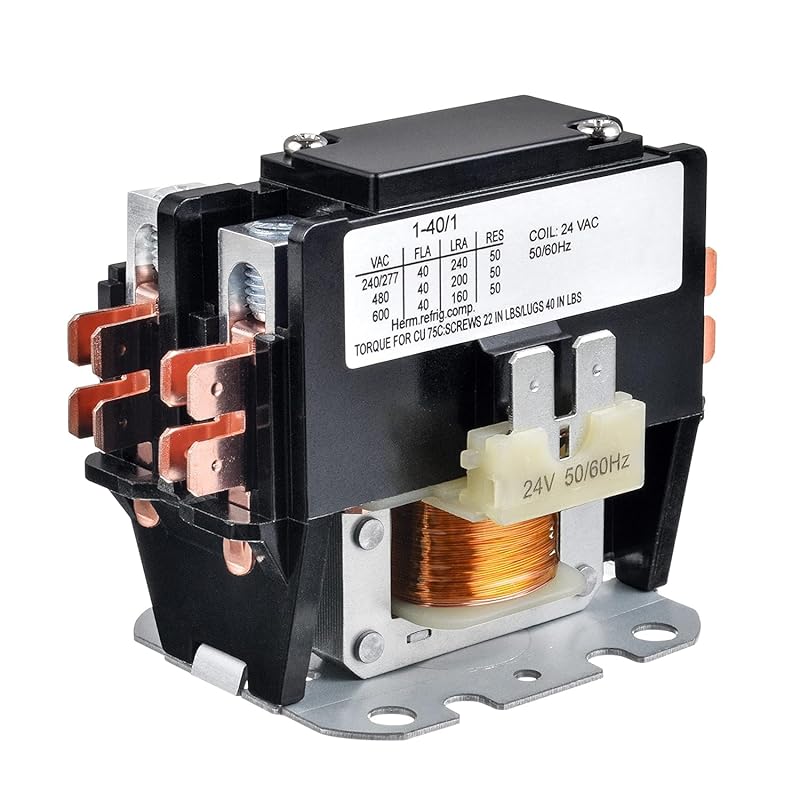
The capacitor, contactor, and relay switches manage power delivery to critical components. Over time, these parts degrade and develop arcing or corrosion. Symptoms include humming noises, delayed startup, or complete failure to turn on. Replacing worn electrical components during routine maintenance prevents cascading failures and keeps your system running safely and efficiently.
Humidity Control and Indoor Air Quality
While Carrier focuses primarily on temperature regulation, many newer models include dehumidification features that improve comfort and protect your home. High humidity encourages mold growth and accelerates rust formation inside metal parts. Using a whole-house humidifier or upgrading to a variable-speed blower motor helps maintain balanced indoor conditions, reducing long-term damage.
How Long Do Different Carrier AC Models Typically Last?
Not all Carrier air conditioners are created equal when it comes to expected lifespan. The company offers a range of products tailored to different budgets and performance needs—from affordable Performance models to premium Infinity systems. Understanding the differences helps set realistic expectations.

Visual guide about How Long Do Carrier Air Conditioners Last
Image source: i.pinimg.com
Carrier Performance Series (30–40 SEER)
The Carrier Performance line includes mid-range models like the 30 and 40 series, offering solid efficiency and reliability at a more accessible price point. These units typically last 12 to 16 years with moderate maintenance. While they lack advanced features found in higher-end models, they’re built with dependable components and benefit greatly from consistent upkeep. Many homeowners in moderate climates find these systems perfectly adequate for a decade or more.
Carrier Comfort Series (13–16 SEER)
Positioned as entry-level options, Comfort series units are budget-friendly but come with trade-offs. They usually feature single-stage compressors and fewer smart controls, which can lead to shorter lifespans—often 10 to 14 years. These models are best suited for temporary setups or secondary homes where heavy-duty cooling isn’t required year-round. If you’re planning to stay in your home long-term, investing in a higher-tier model pays off over time.
Carrier Infinity Series (Up to 26 SEER)
At the top of Carrier’s lineup, the Infinity series represents the pinnacle of innovation and durability. Featuring two-stage or variable-speed compressors, advanced filtration, and smart thermostats, these systems are designed for peak performance and extended life. Homeowners report lifespans of 18 to 22 years with proper care. The higher upfront cost is offset by lower utility bills, fewer repairs, and greater resale value.
Commercial and Industrial Units
For businesses using Carrier rooftop or packaged terminal air conditioners, lifespans vary based on duty cycle and environmental exposure. Commercial units often endure 15 to 20 years but may require more frequent servicing due to heavier usage. Energy codes and building standards also influence longevity—units meeting ASHRAE guidelines tend to outperform older installations.
Older Pre-2006 Models
Air conditioners manufactured before federal efficiency regulations took effect in 2006 used R-22 refrigerant, which was phased out due to environmental concerns. These older Carrier units may still function but suffer from diminishing availability of compatible parts and rising repair costs. Replacement is generally recommended once they reach 10–12 years of age.
Signs It’s Time to Replace Your Carrier Air Conditioner
Knowing when to replace your air conditioner saves you money on emergency repairs and prevents unexpected breakdowns during heatwaves. While every homeowner’s timeline differs, certain warning signs indicate it’s time for a new system.
Rising Energy Bills
If your monthly electric bill spikes despite stable usage, your AC might be working inefficiently. Worn-out components force the system to consume more power to achieve the same cooling output. A failing compressor or dirty coils are common culprits. Before blaming utility rates, check your thermostat settings and schedule a professional inspection.
Inconsistent Cooling
Hot spots in rooms or floors suggest uneven airflow or a malfunctioning blower motor. Older Carrier units sometimes develop refrigerant leaks that reduce capacity, leaving some areas uncomfortably warm. If recalibrating the thermostat or adjusting vents doesn’t help, the issue likely lies within the unit itself.
Frequent Repairs
When repair costs exceed 50% of a new system’s price, replacement becomes financially sensible. Frequent breakdowns also disrupt daily life and compromise indoor air quality. Consider upgrading to a modern Carrier model with improved reliability and warranty coverage.
Loud or Strange Noises
Grinding, rattling, or squealing sounds often point to loose belts, failing bearings, or a damaged fan blade. Ignoring these noises risks catastrophic failure. Schedule immediate service—especially if the noise coincides with reduced cooling performance.
Excessive Humidity
A properly functioning air conditioner removes moisture from the air. If your home feels clammy or you notice condensation near windows, your system isn’t dehumidifying effectively. This could signal low refrigerant or a clogged condensate drain line.
Age Alone Isn’t Enough
Don’t panic if your Carrier turns 15! Some units far outlive their peers with excellent maintenance. Conversely, neglectful owners may replace systems too soon. Focus on performance indicators rather than calendar years alone.
Tips to Maximize the Lifespan of Your Carrier Air Conditioner
Extending your Carrier air conditioner’s life isn’t rocket science—it boils down to proactive care and smart habits. Here’s how to get the most out of your investment.
Change Filters Every 1–3 Months
Dirty air filters restrict airflow, forcing the compressor to overwork. Replace pleated filters monthly during summer; wash reusable ones every two weeks. Clogged filters also spread dust and allergens throughout your home.
Schedule Annual Maintenance
Have a licensed technician inspect your system each spring. They’ll clean coils, check refrigerant levels, test electrical connections, and ensure optimal performance. Preventive care catches small issues before they become expensive emergencies.
Keep the Outdoor Unit Clear
Trim back shrubs, remove debris, and never store items near the condenser. Good clearance improves airflow and reduces runtime.
Use Smart Thermostats
Programs like the Carrier Côr or Ecobee allow precise temperature control and remote monitoring. Set schedules to reduce strain during peak hours and raise temps slightly when away.
Protect During Off-Seasons
In winter, cover outdoor units loosely to shield against snow and ice. Avoid sealing them completely—moisture buildup causes rust.
Monitor Water Drainage
Check the condensate pan monthly for algae or blockages. Flush it with vinegar if needed. Standing water promotes mold and attracts pests.
Invest in Whole-House Filtration
Reduce airborne contaminants with UV lights or electrostatic filters. Cleaner air means less strain on your AC and healthier breathing.
Should You Repair or Replace Your Carrier Air Conditioner?
Deciding between repair and replacement depends on cost, frequency of issues, and your long-term plans. A simple fix—like replacing a capacitor or cleaning coils—can restore efficiency without major expense. However, recurring problems signal deeper flaws. If repairs exceed $1,000 annually or your unit is over 12 years old, replacement often makes sense. New Carrier models boast higher SEER ratings, quieter operation, and smart features that enhance comfort and savings.
Conclusion: Making the Most of Your Carrier Air Conditioner
Your Carrier air conditioner is a significant investment in your home’s comfort and value. With an average lifespan of 15 to 20 years, proper care can help you reach the upper end of that range—even beyond. By understanding what affects longevity, recognizing early warning signs, and following maintenance best practices, you ensure reliable cooling season after season. Remember, prevention beats cure when it comes to HVAC systems. When in doubt, consult a certified Carrier dealer for honest advice tailored to your home. Stay cool, stay comfortable, and enjoy the peace of mind that comes with a well-maintained air conditioner.
Frequently Asked Questions
How long do Carrier air conditioners typically last?
Most Carrier air conditioners last between 15 and 20 years with proper maintenance. High-efficiency models may exceed this range, while older units or those in harsh environments may need replacement sooner.
Can I extend my Carrier AC’s lifespan through maintenance?
Yes! Regular filter changes, annual professional servicing, and keeping the outdoor unit clear can add 5+ years to your system’s life by reducing strain on components and preventing minor issues from becoming major repairs.
What happens if I ignore maintenance on my Carrier air conditioner?
Neglecting maintenance leads to reduced efficiency, higher energy bills, and increased risk of breakdowns. Dirty coils, clogged drains, and low refrigerant levels accelerate wear and can shorten lifespan by 3–7 years.
Is it worth repairing an older Carrier air conditioner?
Only if repairs are infrequent and cost-effective. If repair expenses exceed half the price of a new unit or your system is over 12 years old, upgrading to a modern Carrier model offers better reliability and energy savings.
Do newer Carrier models last longer than older ones?
Generally yes. Newer models use improved materials, variable-speed technology, and better insulation, contributing to longer lifespans. They also come with enhanced warranties and smarter diagnostics for easier maintenance.
Where can I find certified technicians for my Carrier air conditioner?
Visit Carrier’s official website and use their “Find a Dealer” tool to locate NATE-certified professionals near you. Always verify licensing and request detailed estimates before approving repairs.