Carrier air conditioners typically last between 15 to 20 years, depending on usage, maintenance, and model type. With proper care, regular servicing, and ideal operating conditions, you can maximize the lifespan of your Carrier AC unit. This guide breaks down what affects longevity, how to extend performance, and signs it’s time for a replacement.
Key Takeaways
- Lifespan Range: Most Carrier air conditioners last 15–20 years, with some high-efficiency models lasting longer under ideal conditions.
- Maintenance Is Key: Annual professional tune-ups and regular filter changes can add years to your unit’s life.
- Installation Matters: Proper installation by certified technicians ensures efficient operation and reduces wear and tear.
- Usage Patterns Impact Longevity: Frequent cycling, high humidity, or dusty environments shorten lifespan; consistent moderate use extends it.
- Warranty as a Guide: A 10-year parts warranty suggests a 15–20 year expected lifespan, but real-world results vary.
- Signs of Aging: Reduced cooling, strange noises, or frequent repairs often signal it’s near end-of-life.
- Energy Efficiency Saves Money: Newer models like Carrier Infinity offer better efficiency, reducing strain and extending service life.
📑 Table of Contents
- How Long Does a Carrier Air Conditioner Last?
- What Determines How Long a Carrier Air Conditioner Lasts?
- Average Lifespan of Carrier Air Conditioners
- How to Extend the Life of Your Carrier Air Conditioner
- Signs It’s Time to Replace Your Carrier Air Conditioner
- Should You Upgrade Before It Dies?
- Final Thoughts: Maximize Value with Smart Choices
How Long Does a Carrier Air Conditioner Last?
If you’re investing in a new air conditioning system, one of the first questions you likely have is: “How long will this unit actually last?” When you choose a Carrier air conditioner—a brand known for reliability, innovation, and top-tier performance—you’re not just buying a machine. You’re investing in comfort, energy savings, and peace of mind for years to come. But like any major appliance, your Carrier AC won’t last forever. So, how long should you expect it to run smoothly?
The answer isn’t a simple number. While most experts agree that a well-maintained Carrier air conditioner lasts between 15 to 20 years, several factors influence that timeline. From how often you use the system to how well you maintain it, every detail plays a role. In this comprehensive guide, we’ll walk you through everything you need to know about the lifespan of a Carrier air conditioner—what affects it, how to extend it, and when it might be time to consider a replacement.
What Determines How Long a Carrier Air Conditioner Lasts?
Before diving into specific timelines, let’s explore the key factors that determine whether your Carrier AC runs for 10 years or 20. Understanding these variables helps you take control of your system’s longevity.

Visual guide about How Long Does a Carrier Air Conditioner Last
Image source: hvacseer.com
1. Quality of Installation
You might be surprised to learn that even the best-made air conditioner can fail early if it’s not installed correctly. Improper sizing, poor ductwork, or incorrect refrigerant levels can put unnecessary stress on your unit. That’s why hiring a certified Carrier dealer or HVAC technician is crucial. They follow manufacturer specifications precisely, ensuring your system operates at peak efficiency from day one.
For example, installing a 3-ton unit in a 1,200-square-foot home may seem logical, but if the ducts are leaky or undersized, the AC has to work harder than necessary. This overworking leads to increased wear on components like the compressor and fan motors, shortening the overall lifespan.
2. Regular Maintenance
This is perhaps the most controllable factor. Routine maintenance can add years—or even decades—to your Carrier AC’s life. Think of it like changing the oil in your car. Neglect it, and problems pile up. Tune it up regularly, and your system runs smoother, cooler, and smarter.
Most Carrier units benefit from:
- Bi-annual professional inspections (spring and fall)
- Monthly filter replacements (or cleanings)
- Cleaning of coils, fans, and condensate drains
- Checking refrigerant levels and electrical connections
Carrier recommends scheduling annual maintenance with a local Carrier Comfort Consultant. During these visits, technicians inspect critical components, clean internal parts, and catch minor issues before they become costly repairs.
3. Operating Conditions and Usage
How much and how often you use your Carrier AC matters. If you live in a hot, humid climate and run your unit nearly every day during summer, the system cycles more frequently. Each start-up and shutdown stresses the compressor—the heart of your AC.
On the other hand, if you only run it during extreme heat or use a programmable thermostat to keep temperatures steady, your system experiences less strain. Consistent, moderate use allows components to cool down between cycles, reducing wear.
Also, environmental factors like dust, pollen, and outdoor debris impact indoor air quality and airflow. Homes near construction sites or wooded areas may require more frequent cleaning of outdoor units (condensers), which Carrier calls “heat exchangers.” Blocked airflow forces the compressor to overwork, accelerating component fatigue.
4. Model Type and Technology
Not all Carrier air conditioners are created equal. The brand offers several series, each designed for different needs and durability levels:
- Carrier Comfort Series: Entry-level models with standard features. These typically last 12–16 years with good maintenance.
- Carrier Performance Series: Mid-range units with improved efficiency and durability. Expected lifespan: 15–18 years.
- Carrier Infinity Series: Top-tier systems with advanced technology, variable-speed compressors, and smart controls. These premium models often exceed 20 years under optimal conditions.
Higher-end models like the Infinity 21 or 24SEER units feature corrosion-resistant cabinets, dual-speed fans, and enhanced diagnostics—all contributing to longer life. For instance, the variable-speed compressor in the Infinity 21 adjusts output based on demand, reducing on/off cycling and extending motor life.
5. Age of the Unit
Even with perfect care, no appliance lasts forever. Over time, components naturally degrade. Rubber seals dry out, metal parts corrode slightly, and electrical connections weaken. By year 15, many systems begin showing signs of aging, such as reduced efficiency or occasional glitches.
That said, a Carrier unit from 2005 could still run efficiently today if maintained well—especially if it was a high-quality model. However, older units lack modern efficiency standards and safety features, making them less reliable over time.
Average Lifespan of Carrier Air Conditioners
So, back to the original question: How long does a Carrier air conditioner last? On average, here’s what you can expect:
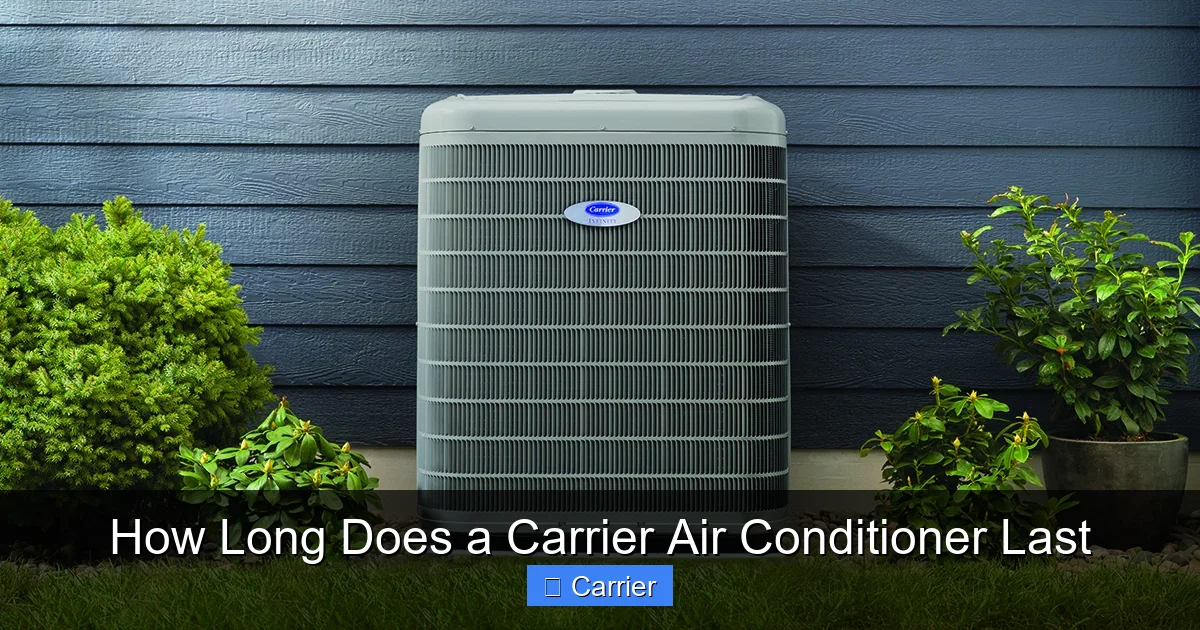
Visual guide about How Long Does a Carrier Air Conditioner Last
Image source: images.carriercms.com
| Model Series | Average Lifespan (Years) | Key Features Affecting Longevity |
|---|---|---|
| Comfort Series | 12–16 | Basic components, fewer protections against corrosion |
| Performance Series | 15–18 | Better materials, improved airflow design |
| Infinity Series | 20+ | Variable-speed tech, corrosion-resistant parts, smart diagnostics |
These numbers assume normal residential use in a temperate climate. In hotter regions like Phoenix or Miami, where AC units run almost constantly, lifespans may drop closer to 10–15 years. Conversely, in milder climates with seasonal use, a Carrier Infinity could easily surpass 25 years.
It’s also worth noting that Carrier backs its products with strong warranties. Most models come with a 10-year parts warranty, which aligns closely with the expected 15–20 year lifespan. If your unit fails within that window due to defective parts, Carrier covers repair or replacement—no hassle.
How to Extend the Life of Your Carrier Air Conditioner
While you can’t stop time, you can definitely slow down the aging process. Here are practical, easy-to-follow tips to help your Carrier AC last longer than average:
1. Change or Clean Filters Monthly
A clogged air filter restricts airflow, forcing your system to work harder. This increases energy consumption and puts extra strain on the compressor. Carrier recommends checking filters every month during peak cooling season. Replace disposable ones or wash reusable ones thoroughly.
Pro tip: Set a reminder on your phone or calendar. Missing one filter change might not seem like a big deal, but doing it consistently prevents buildup of dirt and mold inside your unit.
2. Keep the Outdoor Unit Clear
Your Carrier AC’s outdoor condenser unit can’t breathe if surrounded by grass clippings, leaves, or furniture. Trim back bushes, remove debris, and leave at least two feet of clearance around the unit. Also, avoid placing grills or tables directly above it.
Imagine trying to run a marathon while wearing a thick coat—that’s what a blocked condenser feels like. Good airflow keeps the unit cool and reduces overheating risks.
3. Schedule Annual Professional Maintenance
Don’t wait until your Carrier AC starts making noise or blowing warm air. Plan two tune-ups per year: one in spring before cooling season begins, and another in fall to prepare for heating (if applicable). A certified technician will:
- Check refrigerant levels
- Inspect electrical connections
- Lubricate moving parts
- Test thermostat accuracy
- Clean coils and drain lines
Many Carrier dealers offer maintenance plans that include priority service, discounts, and reminders—making it easier to stay on track.
4. Use a Programmable Thermostat
Modern thermostats let you program temperature schedules so your Carrier AC doesn’t cycle on and off unnecessarily. Instead of cranking to 65°F at 2 PM and 78°F at midnight, set a gradual schedule that matches your daily routine.
This reduces compressor stress and saves energy. Plus, smart thermostats like the Carrier Cor with HomeKit integration allow remote control via your phone—so you never forget to adjust settings when leaving home.
5. Protect Against Extreme Temperatures
If possible, install shade structures (like trees, awnings, or screens) over your outdoor unit. Direct sunlight raises its operating temperature, causing the compressor to work harder. Similarly, avoid setting your thermostat below 78°F when no one’s home—this wastes energy and shortens lifespan.
Signs It’s Time to Replace Your Carrier Air Conditioner
Even with excellent maintenance, every air conditioner reaches the end of its useful life. Recognizing the warning signs helps you avoid sudden breakdowns and unexpected expenses.
1. Cooling Performance Drops
If rooms aren’t cooling evenly or take longer to reach desired temperatures, your unit may be losing efficiency. This could stem from worn components, low refrigerant, or dirty coils—but if repairs cost more than half the price of a new unit, replacement makes sense.
2. High Energy Bills
An aging AC consumes more electricity to do the same job. If your Carrier system is 15+ years old and your energy bills keep climbing without explanation, it’s likely time for an upgrade. Newer models use 20–30% less energy than older ones.
3. Strange Noises
Banging, grinding, or rattling sounds indicate mechanical issues—often involving fan blades, belts, or the compressor. Ignoring these noises can lead to catastrophic failure. A technician can assess whether repair is feasible or if replacement is safer.
4. Frequent Repairs
If your Carrier AC requires service every few months, it’s sending a message. Constant repairs mean parts are failing faster than expected. At some point, investing in a new system becomes more economical than repeated fixes.
5. Humidity Problems
Air conditioners don’t just cool—they dehumidify. If your home feels sticky or damp despite running the AC, the evaporator coil or condensate drain may be clogged or malfunctioning. Persistent humidity issues signal declining performance.
Should You Upgrade Before It Dies?
Many homeowners hesitate to replace their Carrier AC until it completely stops working. But advancements in HVAC technology make early replacement increasingly attractive. Consider upgrading if:
- Your unit is over 15 years old
- Repair costs exceed $1,000 annually
- You want to improve indoor air quality with UV lights or advanced filtration
- You’re interested in smart home integration
- Energy efficiency is a priority (new SEER ratings are 14–26 vs. 8–12 for older units)
Today’s Carrier systems offer benefits beyond basic cooling. The Infinity 24VAPX, for example, includes:
- Humidistat control for balanced moisture
- Two-stage cooling for consistent temperatures
- SilentComfort™ technology for quieter operation
- Homezone® system for zone-based comfort
Plus, ENERGY STAR® certification means significant utility bill savings. Over 10 years, a high-efficiency Carrier unit can save hundreds—even thousands—of dollars compared to older models.
Final Thoughts: Maximize Value with Smart Choices
A Carrier air conditioner is built to deliver reliable, efficient cooling for nearly two decades—but only if you treat it right. From professional installation to monthly filter checks, small actions compound into big results. And when you pair smart habits with the latest technology, your investment pays dividends in comfort, savings, and tranquility.
Remember: the goal isn’t just to delay replacement—it’s to get every possible year out of your system. Whether you own a Comfort, Performance, or Infinity model, your Carrier AC deserves consistent care. With proper attention, it will serve you faithfully, keeping your home cool and your energy bills low for years to come.
And if the day comes when it’s time for a new unit, you’ll already know what to look for. Choose a Carrier product again, stick to a maintenance routine, and enjoy the same level of dependability—or better.
Frequently Asked Questions
How long should a Carrier air conditioner last with proper maintenance?
With regular maintenance, a Carrier air conditioner typically lasts between 15 and 20 years. High-efficiency models like the Infinity series may exceed 20 years under ideal conditions.
Does Carrier offer a warranty that reflects the expected lifespan?
Yes, most Carrier AC units come with a 10-year parts warranty, which aligns with the average 15–20 year lifespan when properly maintained.
Can a Carrier AC last longer than 20 years?
It’s rare but possible. Units in mild climates with minimal use and excellent care—especially top-tier models—can operate efficiently beyond 25 years.
What causes a Carrier air conditioner to fail early?
Common causes include poor installation, infrequent maintenance, extreme operating conditions, hard water (leading to mineral buildup), and frequent cycling due to oversized units or faulty thermostats.
Is it worth repairing an older Carrier air conditioner?
If the repair cost exceeds 50% of a new unit’s price and the system is over 15 years old, replacement is usually more cost-effective and energy-efficient.
How often should I service my Carrier air conditioner?
Professional maintenance twice a year—once in spring and once in fall—is recommended. Additionally, check and clean or replace filters monthly during cooling season.