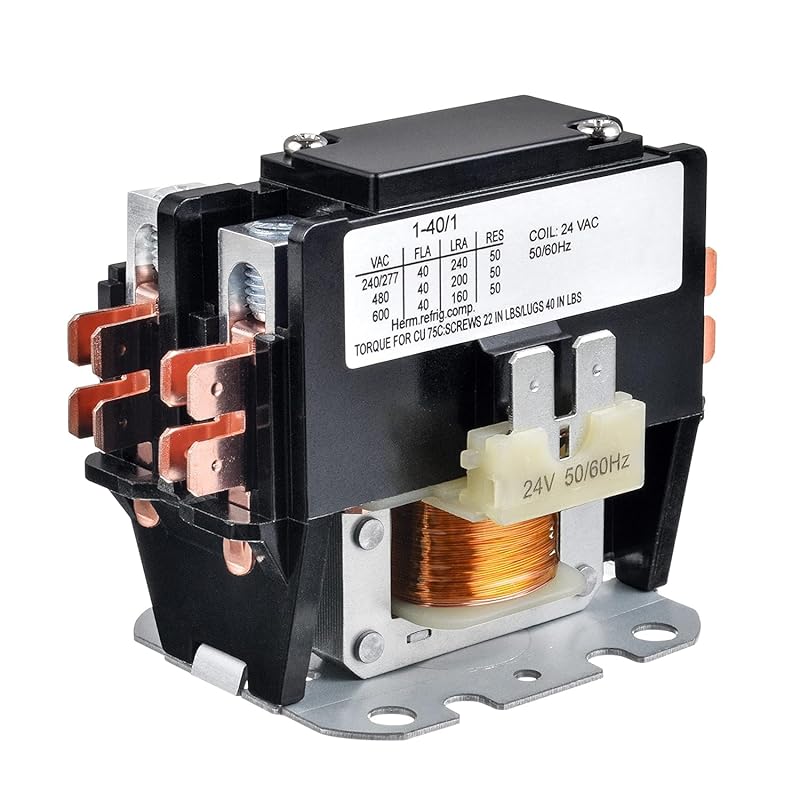
Carrier air conditioners typically come with a 5-year parts warranty and a 10- or 12-year limited compressor warranty, depending on the model and purchase date. Understanding your warranty can save you thousands in repair costs and help you make informed decisions about maintenance and upgrades.
Key Takeaways
- Standard Warranty Coverage: Most Carrier AC units include a 5-year parts warranty and a 10- or 12-year compressor warranty, depending on when they were installed.
- Compressor Warranties Differ by Year: The compressor warranty is longer for models installed before 2015 (10 years) and extended further for those installed after 2015 (12 years).
- Labor Costs Are Often Separate: While parts may be fully covered, labor for repairs usually isn’t included unless you have an extended service plan.
- Registration Extends Benefits: Registering your unit online ensures faster claims processing and access to customer support.
- Extended Warranties Available: You can purchase additional coverage through third-party providers to cover labor and beyond the standard period.
- Maintenance Matters: Regular upkeep like cleaning filters and scheduling tune-ups can keep your warranty valid and improve efficiency.
- Warranty Exclusions Apply: Damage from misuse, lack of maintenance, or improper installation voids warranty coverage.
📑 Table of Contents
- How Long Are Carrier Air Conditioners Under Warranty?
- What Is Included in a Carrier Air Conditioner Warranty?
- How Long Is the Compressor Warranty?
- Do You Need to Pay for Labor Under Warranty?
- Can You Extend Your Carrier Warranty?
- Common Reasons Warranty Claims Are Denied
- Tips for Maximizing Your Warranty Benefits
- Conclusion: Protect Your Investment with Knowledge
How Long Are Carrier Air Conditioners Under Warranty?
When you invest in a Carrier air conditioner, you’re choosing one of the most trusted names in residential cooling. Whether you’re replacing an old unit or installing a new energy-efficient model, understanding how long your Carrier air conditioner is under warranty can save you time, money, and headaches down the road. Carrier offers robust warranty protection that covers both parts and—in many cases—the compressor, which is the heart of your HVAC system. But what exactly does “warranty” mean in real life? How do you know if your unit is still protected? And what happens if something goes wrong?
This guide walks you through everything you need to know about Carrier air conditioner warranties, including how long they last, what’s covered, how to register, and how to avoid common pitfalls that void coverage. Whether you’re a homeowner, installer, or technician, this deep dive into Carrier warranty policies will give you confidence in your investment.
What Is Included in a Carrier Air Conditioner Warranty?
Visual guide about How Long Are Carrier Air Conditioners Under Warranty
Image source: opsimedis.id
At its core, a Carrier air conditioner warranty is a promise from the manufacturer that certain components will function properly for a specified period. This includes coverage for defective materials or workmanship—meaning if a part fails because it was made poorly or installed incorrectly by the factory, it should be repaired or replaced at no cost to you, subject to the terms.
The two main areas of coverage are:
– Parts Warranty: Typically lasts five years and covers internal components like the condenser coil, fan motor, control board, and electrical parts.
– Compressor Warranty: One of the longest-lasting protections offered by any major brand, lasting 10 or 12 years depending on installation date.
It’s important to note that while these warranties protect the actual unit, they generally don’t cover labor costs. That means if your technician charges $100/hour to fix a compressor under warranty, you’ll likely pay that fee unless you’ve purchased a separate service agreement.
Breaking Down the Standard Warranties
Let’s look closer at each component:
– Parts (5 years): This applies to most internal mechanical and electrical parts. If your fan motor burns out within five years due to a defect, Carrier will replace it—but only if the failure wasn’t caused by neglect or misuse.
– Compressor (10–12 years): The compressor is arguably the most expensive part of your AC system. For units installed before January 2015, the warranty is 10 years; after that, it’s extended to 12 years. This change reflects improvements in compressor technology and manufacturing reliability.
For example, suppose you bought a Carrier 4-ton unit in March 2020. Your compressor warranty would run until March 2032. But if the same model had been installed in 2013, the compressor warranty would expire in 2023. Always check your installation date!
Why Registration Matters
Even though your warranty starts when the unit ships, you must register it within 60 days of installation to activate full benefits. Why? Because Carrier uses registration data to track installation dates accurately. Without it, proving when your unit was installed becomes harder—and so does filing a claim.
To register:
1. Visit Carrier’s official website.
2. Enter your serial number (found on a sticker inside the outdoor unit).
3. Provide proof of purchase and installation date.
Once registered, you’ll receive a confirmation email with your warranty details. Keep this handy—it could speed up future repairs.
How Long Is the Compressor Warranty?
Visual guide about How Long Are Carrier Air Conditioners Under Warranty
Image source: ofm.co.th
The compressor warranty is the crown jewel of Carrier’s coverage. It’s significantly longer than most competitors’ offers and directly impacts your long-term savings. Here’s how it works:
If your Carrier air conditioner was installed before January 1, 2015, you get a 10-year compressor warranty. After that date, all new installations qualify for a 12-year compressor warranty.
That means if you install a high-efficiency Carrier model today, your compressor is protected for over a decade—longer than many homeowners stay in their homes! Compare that to brands offering just 5- or 7-year compressor warranties, and Carrier stands out.
But here’s a twist: even if your compressor is under warranty, you might still pay for labor. Most standard warranties only cover replacement parts, not the technician’s time to remove and reinstall them. That’s why many homeowners opt for extended service plans that include both parts and labor.
Real-World Example
Imagine Sarah installs a Carrier Infinity 24ANB9 air conditioner in July 2023. Her compressor is now covered until July 2035. In 2030, the compressor fails. Since it’s still under warranty, Carrier replaces it at no cost—but Sarah pays $180 for the technician’s 2-hour job. Had she purchased a labor-covered extended warranty, that $180 would have been waived.
This illustrates why understanding warranty scope is crucial. Parts = free (usually). Labor = extra.
What About Heat Pumps?
Heat pumps operate differently than traditional ACs and often have different warranty structures. For Carrier heat pump systems, the compressor warranty is also 10 years for pre-2015 installations and 12 years post-2015. However, some models include enhanced warranties for defrost controls or reversing valves. Check your manual or contact Carrier support for specifics.
Do You Need to Pay for Labor Under Warranty?
Short answer: Yes, usually.
While Carrier covers the cost of replacement parts during the warranty period, labor fees are almost always your responsibility unless you have an extended service contract. This is true even if the failure is clearly due to a manufacturing defect.
Why does Carrier do this? It keeps consumer prices lower upfront and incentivizes homeowners to maintain their systems properly. Plus, many HVAC contractors offer discounted rates for warranty repairs since they know the parts are free.
Still, paying for labor adds up quickly. A typical compressor replacement takes 2–4 hours, costing between $200 and $600 depending on location and complexity. That’s money you didn’t expect to spend—even though the actual compressor is covered.
Options to Reduce Labor Costs
Here are three ways to minimize out-of-pocket expenses:
1. **Join a Maintenance Program:** Many local HVAC companies offer annual maintenance contracts that include priority scheduling and discounted labor for warranty repairs.
2. **Purchase an Extended Service Plan:** These add-on plans typically cover labor for the first 5–10 years and sometimes include additional benefits like emergency service or filter replacements.
3. **Negotiate with Your Contractor:** Some technicians reduce or waive labor charges if they know a part is under warranty, especially if they’re a Carrier-certified dealer.
Pro tip: Always ask your contractor upfront whether they’ll honor warranty labor discounts. Don’t assume it’s automatic.
Can You Extend Your Carrier Warranty?
Absolutely! While the standard warranty ends after 5 or 12 years, you can extend coverage through various methods.
Factory-Extended Warranties
Carrier doesn’t sell extended warranties directly through their website, but authorized dealers often offer factory-backed extensions. These typically extend the parts warranty by another 5 years and may include labor coverage. Be cautious—not all dealers offer this option, and pricing varies.
Third-Party Protection Plans
Companies like American Home Shield, HomeServe, or Select Comfort offer comprehensive appliance protection plans. For around $300–$500 per year, you can get 5–10 years of coverage for parts and labor. These plans usually require annual renewals and have deductibles.
Pros:
– Covers labor and multiple appliances
– No need to worry about expiration dates
Cons:
– Can become expensive over time
– May exclude pre-existing conditions
DIY Registration & Tracking
Even without an extension, registering your unit helps you track expiration dates. Set calendar reminders 6 months before your warranty ends so you can explore options early. Some smart thermostats even notify you automatically.
Common Reasons Warranty Claims Are Denied
Knowing what voids your warranty saves you from unexpected denials. Here are the top reasons Carrier denies claims:
– **Lack of Maintenance:** Not changing air filters every 3 months or skipping annual inspections can void coverage.
– **Improper Installation:** If your unit wasn’t installed by a licensed professional using approved procedures, warranty claims fail.
– **Use of Non-Genuine Parts:** Replacing coils or sensors with aftermarket components voids the warranty.
– **Natural Disaster Damage:** Hurricanes, floods, or lightning strikes aren’t covered.
– **Negligence:** Running the system without refrigerant, ignoring error codes, or using it as a heater (for non-heat-pump models) can lead to denial.
Always keep records: receipts, maintenance logs, and photos of the unit before any issues arise.
Document Everything
Before calling for service, gather:
– Serial number
– Proof of purchase
– Installation date
– Photos/videos of the issue
– Maintenance history
Having this ready speeds up the process and increases approval chances.
Tips for Maximizing Your Warranty Benefits
You don’t have to wait until something breaks. Proactive steps ensure your warranty stays valid and your system runs smoothly.
Schedule Annual Tune-Ups
Professional maintenance checks refrigerant levels, cleans coils, tests safety switches, and verifies airflow. Most manufacturers require proof of annual service to honor warranty claims. Save your service invoices—they’re worth more than gold.
Register Immediately After Installation
Don’t wait. Go online within 60 days to lock in your warranty activation. Missing this window makes future claims harder.
Keep Your Manual Handy
The user manual contains critical info: serial numbers, troubleshooting steps, and warranty details. Store it digitally too—Google Drive or iCloud makes it easy to access anytime.
Beware of Scams
Some companies claim to “renew” or “transfer” your warranty for a fee. These are scams. Carrier warranties aren’t transferable unless you sell the home (and even then, only with written consent).
Conclusion: Protect Your Investment with Knowledge
Your Carrier air conditioner is a major investment—one designed to last decades with proper care. Understanding how long your unit is under warranty empowers you to protect that investment, avoid surprise bills, and make smart decisions about maintenance and upgrades.
Remember:
– Parts: 5 years
– Compressor: 10 or 12 years (depending on installation date)
– Labor: Usually not covered
– Registration: Required within 60 days
– Extensions: Available through dealers or third parties
With a little knowledge and proactive habits, your Carrier system can deliver reliable cooling for 15 years or more. And when the time comes to upgrade, knowing your warranty history gives you leverage in negotiations.
Stay cool, stay informed.
Frequently Asked Questions
Is the labor covered under Carrier’s standard warranty?
No, Carrier’s standard warranty covers parts only. Labor costs for repairs are typically your responsibility unless you have an extended service plan.
How long is the compressor warranty on a Carrier air conditioner?
The compressor warranty is 10 years for units installed before 2015 and 12 years for those installed after January 1, 2015.
Do I need to register my Carrier AC to activate the warranty?
Yes, registration is required within 60 days of installation to activate full warranty benefits and prove installation date.
Can I extend my Carrier air conditioner warranty?
Yes, you can extend coverage through factory-approved dealers or third-party protection plans that cover both parts and labor.
What voids a Carrier air conditioner warranty?
Common reasons include lack of maintenance, improper installation, use of non-genuine parts, and damage from natural disasters or negligence.
Are Carrier heat pump warranties the same as air conditioner warranties?
Mostly yes—compressor warranties are 10 or 12 years based on installation date, though specific models may include additional coverage for other components.