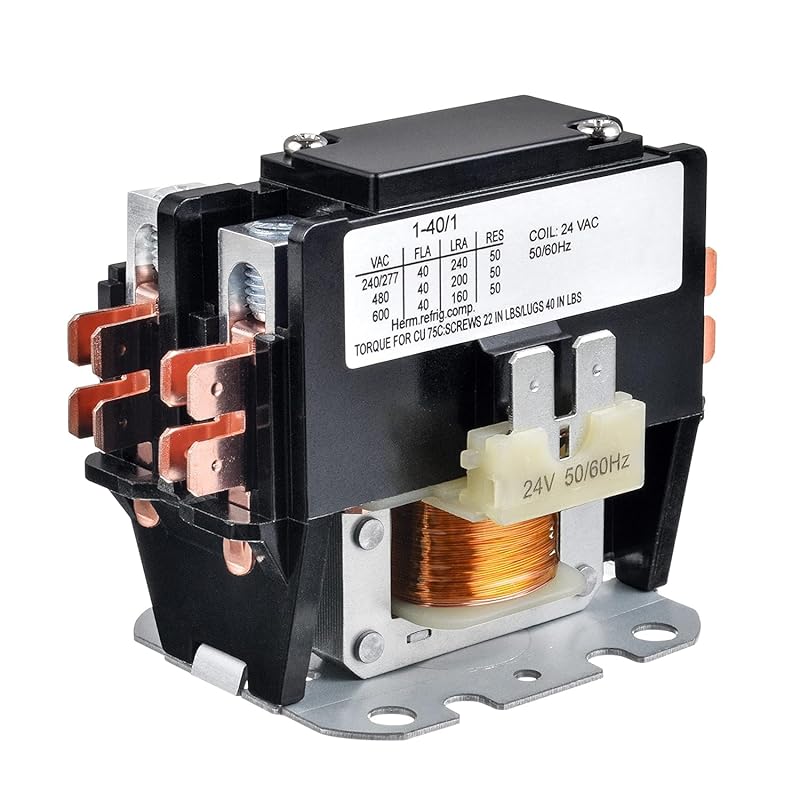
Servicing your Carrier air conditioner is essential for peak performance and long life. With simple steps like cleaning coils, checking filters, and inspecting refrigerant levels, you can prevent breakdowns and boost efficiency. Whether you’re a DIYer or prefer professional help, this guide walks you through everything you need to know—from routine checks to troubleshooting common issues.
Key Takeaways
- Regular cleaning prevents clogs and improves airflow – Dirty filters and coils reduce efficiency and strain the compressor.
- Check refrigerant levels annually – Low refrigerant means poor cooling and potential leaks that harm the environment.
- Inspect electrical connections and wiring – Loose or corroded wires can cause safety hazards or system failure.
- Clean the condensate drain line – Blockages lead to water leaks and mold growth in your home.
- Schedule professional servicing every 1-2 years – Technicians can spot hidden problems and optimize performance.
- Use a programmable thermostat to maintain consistent temperatures – This reduces wear and lowers energy use.
- Keep the outdoor unit clear of debris – Grass, leaves, and dirt block airflow and reduce cooling capacity.
📑 Table of Contents
- Introduction: Why Servicing Your Carrier Air Conditioner Matters
- Understanding Your Carrier Air Conditioner System
- Step-by-Step: How to Service a Carrier Air Conditioner
- Common Issues and How to Troubleshoot Them
- DIY vs. Professional Servicing: What’s Best?
- Tips to Extend Your Carrier AC’s Lifespan
- Conclusion: Stay Cool With Confidence
Introduction: Why Servicing Your Carrier Air Conditioner Matters
Your Carrier air conditioner isn’t just a luxury—it’s an investment in comfort, health, and energy savings. Like any high-performance machine, it thrives on regular care. Neglecting maintenance might save time now, but it often leads to higher repair bills, shorter lifespan, and even indoor air quality issues later. The good news? Most routine tasks are simple, affordable, and can be done by homeowners with basic tools.
This comprehensive guide walks you through every step of servicing a Carrier air conditioner—whether you’re doing it yourself or deciding when to call a pro. From cleaning coils to checking refrigerant, we’ll cover what matters most so your system runs cooler, quieter, and smarter. And yes, we’ll keep things easy to understand, even if you’ve never held a screwdriver before.
Understanding Your Carrier Air Conditioner System
Before diving into maintenance, it helps to know the basics. Carrier is one of the most trusted names in HVAC, known for reliable central air systems, heat pumps, and ductless units. Most residential models include three key components: an outdoor condenser unit, an indoor air handler or furnace, and a network of ducts that distribute cooled air.

Visual guide about How Do You Service a Carrier Air Conditioner
Image source: hunufa.vn
How Carrier AC Systems Work
During operation, your Carrier air conditioner pulls warm air from inside your home through return vents. That air passes over cold evaporator coils inside the indoor unit, where heat transfers to refrigerant gas. The compressor in the outdoor unit pressurizes the gas, sending it through copper lines to the condenser coil outside. There, fans blow cool air across the hot coils, releasing heat outside. The refrigerant returns as a cool liquid, ready to repeat the cycle.
This continuous loop depends on clean components, proper airflow, and balanced pressure. Any disruption—like dirty coils or low refrigerant—throws off the whole process.
Why Manufacturer-Specific Care Is Important
Carrier designs its systems with precision engineering and proprietary parts. While many HVAC principles apply across brands, using incorrect replacement filters or skipping model-specific service schedules can void warranties or damage sensitive components. Always consult your owner’s manual or Carrier’s official support site for guidance tailored to your exact model number.
Step-by-Step: How to Service a Carrier Air Conditioner
Think of servicing your Carrier air conditioner like giving your car an oil change—it’s not complicated, but consistency is key. Below is a practical, seasonal checklist to keep your system humming along all year long.
Visual guide about How Do You Service a Carrier Air Conditioner
Image source: community.sap.com
Monthly Maintenance Tasks
These quick checks take just minutes and make a big difference:
- Replace or wash reusable filters: Clogged filters restrict airflow, forcing the system to work harder. Most Carrier units use 1-inch or 5-inch pleated filters. If yours is reusable, wash it monthly in mild soap and water—let it dry completely before reinstalling.
- Clear debris around the outdoor unit: Trim grass, remove leaves, and sweep away mulch within 2 feet of the condenser. Never cover the unit with a tarp or place furniture directly on top.
- Listen for unusual noises: Grinding, banging, or hissing sounds may signal loose parts or failing components. Document the noise and contact Carrier support if it persists.
Seasonal Deep Cleans (Spring & Fall)
Twice a year, give your system a more thorough once-over:
- Vacuum interior grilles and vents: Dust buildup circulates allergens and reduces airflow. Use a soft brush attachment to gently clean supply and return registers.
- Clean accessible coils: Turn off power at the breaker before removing the indoor access panel. Use a coil cleaner spray (available at hardware stores) and a soft-bristled brush to gently remove dirt from evaporator coils. For outdoor coils, spray with water only—avoid harsh chemicals that degrade rubber seals.
- Inspect drain line for clogs: Locate the PVC pipe near the indoor unit’s drain pan. Pour a cup of vinegar down the line to dissolve algae buildup. If water backs up, use a wet-dry vacuum to suction blockages.
Annual Professional Inspection
Even the best DIYers benefit from an expert eye once per year. A certified Carrier technician will:
- Test refrigerant charge and look for leaks
- Calibrate thermostat settings
- Tighten electrical connections
- Lubricate moving parts (like motors and fans)
- Check capacitor function and belt tension (if applicable)
Many Carrier owners bundle this with their warranty service plan—worth the investment if you want peace of mind.
Common Issues and How to Troubleshoot Them
When your Carrier air conditioner acts up, don’t panic. Many problems have simple fixes—or clear signs that it’s time to call a pro.
Not Cooling Enough
If rooms feel warm despite the AC running:
- Confirm the thermostat is set to “cool” and below room temperature.
- Check if vents are blocked by furniture or curtains.
- Verify the circuit breaker hasn’t tripped—reset if needed.
- If the issue started recently, the filter might be too dirty. Replace it immediately.
Water Leaks Inside Your Home
Condensation is normal, but pooling water usually means a clogged drain line. Shut off the unit, locate the drain pan (often behind the indoor unit), and inspect for standing water. Flush the line with vinegar or a plumbing snake. If leaks persist, there could be a cracked pan—a job for a technician.
Strange Noises
- Rattling: Often loose panels or debris in the outdoor unit. Tighten screws and clear obstructions.
- Squealing: Usually a worn belt (on older models) or misaligned motor pulley. Lubrication or part replacement may be needed.
- Buzzing: Electrical issue—never ignore this. Turn off power and contact Carrier support right away.
High Energy Bills
An inefficient Carrier AC can spike your utility costs. Before blaming the utility company:
- Set your thermostat to 78°F (26°C) when home and 85°F (30°C) when away.
- Install a smart thermostat compatible with your Carrier model.
- Seal duct leaks with mastic sealant (not tape).
- Ensure attic insulation meets local code requirements.
DIY vs. Professional Servicing: What’s Best?
The short answer: Do the basics yourself; leave complex jobs to pros.
When You Can Handle It
- Filter changes
- Coil cleaning (interior only)
- Drain line flushing
- Outdoor unit cleanup
Call a Carrier-Certified Technician For
- Refrigerant handling (requires EPA Section 608 certification)
- Electrical diagnostics
- Compressor or control board repairs
- Ductwork modifications
- Warranty-covered service calls
Remember: tampering with refrigerant without training can damage the environment and void your warranty. Let licensed professionals handle those tasks.
Tips to Extend Your Carrier AC’s Lifespan
A well-maintained Carrier air conditioner can last 15–20 years. Here’s how to maximize that time:
- Keep the area around the outdoor unit shaded – Plants or structures blocking sunlight reduce heat load, easing compressor strain.
- Use ceiling fans to circulate air – This allows you to raise the thermostat setting by a few degrees without sacrificing comfort.
- Close blinds during peak sun hours – Reduces radiant heat gain inside your home.
- Don’t run the AC at extreme temperatures – Setting it below 70°F constantly forces the system to overwork.
- Upgrade to a variable-speed motor – Newer Carrier models offer greater efficiency than single-stage units.
Conclusion: Stay Cool With Confidence
Servicing your Carrier air conditioner doesn’t have to feel overwhelming. By building a habit of monthly checks and scheduling annual tune-ups, you’ll enjoy better performance, cleaner air, and lower bills. Remember—prevention beats repair every time. Even small actions like swapping out a filter or clearing leaves from the outdoor unit go a long way.
If you’re ever unsure about a step, Carrier’s customer portal offers model-specific videos and downloadable manuals. Or reach out to a local Carrier dealer—they’re trained specifically on your system type. Your comfort and wallet will thank you.
Frequently Asked Questions
How often should I service my Carrier air conditioner?
Service your Carrier AC monthly with filter checks and outdoor unit cleanup, and schedule a full professional inspection annually. Seasonal deep cleans (spring and fall) help maintain peak efficiency throughout the cooling season.
Can I service my Carrier AC myself?
Yes! Basic tasks like replacing filters, cleaning coils, and unclogging drain lines are safe for homeowners. However, avoid handling refrigerants or complex electrical repairs unless you’re certified—those require professional expertise and licensing.
What are signs my Carrier AC needs servicing?
Look for reduced cooling, strange noises (buzzing, rattling), water leaks, foul odors, or unusually high energy bills. These could indicate dirty coils, refrigerant leaks, faulty capacitors, or blocked drain lines needing attention.
How do I find a qualified Carrier technician?
Visit Carrier’s official website and use their “Find a Dealer” tool to locate certified professionals near you. Always verify credentials and ask if they carry EPA Section 608 certification for refrigerant work.
Is it worth paying for annual maintenance?
Absolutely. Annual servicing extends your system’s life, prevents costly breakdowns, improves indoor air quality, and maintains warranty coverage. For most homes, it saves money over time by boosting efficiency and avoiding emergency repairs.
Where can I buy genuine Carrier replacement parts?
Genuine Carrier parts ensure compatibility and reliability. Purchase through authorized dealers, Carrier’s online store, or reputable HVAC suppliers using your exact model number found on the data plate (usually on the outdoor unit or indoor blower housing).