Keeping your Carrier air conditioner clean is essential for optimal performance and energy efficiency. Regular maintenance not only improves air quality but also prevents costly repairs down the line. This guide walks you through every step, from gathering tools to inspecting components, so your AC runs smoothly all summer long.
Key Takeaways
- Clean or replace filters monthly: Dirty filters restrict airflow and reduce efficiency. Check them every 30 days, especially during peak usage.
- Remove dust from condenser coils: Use a soft brush or vacuum to clear debris from outdoor unit coils. This helps maintain heat exchange and cooling power.
- Check drain lines for clogs: Mineral buildup can block condensate drainage. Flush lines with vinegar or bleach solution annually to prevent leaks.
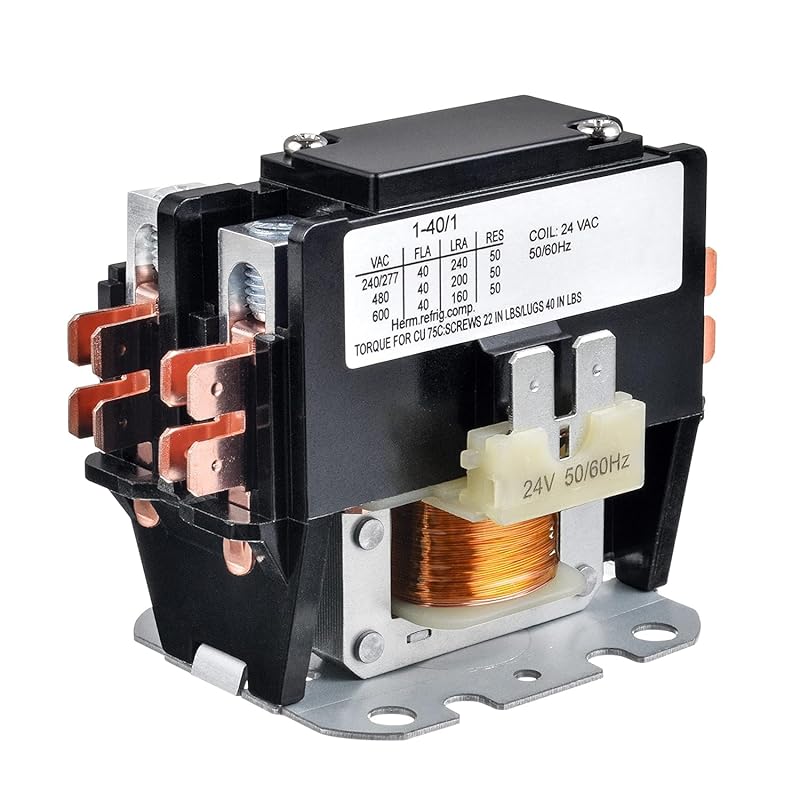
- Inspect electrical connections: Loose wires or corrosion can cause malfunctions. Tighten connections and clean terminals gently with a dry cloth.
- Schedule professional servicing yearly: A certified technician can perform deep cleaning and diagnostics that DIY efforts miss.
- Keep the area around the unit clear: Remove vegetation, leaves, and debris within 2 feet of the outdoor unit to ensure proper airflow.
📑 Table of Contents
- How Do You Clean a Carrier Air Conditioner? A Complete Step-by-Step Guide
- Why Cleaning Your Carrier Air Conditioner Matters
- Gathering Your Tools and Safety Precautions
- Step 1: Replacing or Cleaning the Air Filter
- Step 2: Cleaning the Indoor Evaporator Coils
- Step 3: Maintaining the Outdoor Condenser Unit
- Step 4: Inspecting Electrical Connections and Controls
- Step 5: Scheduling Professional Maintenance
- Common Mistakes to Avoid When Cleaning Your Carrier Air Conditioner
- Extending the Life of Your Carrier Air Conditioner
- Conclusion: Clean Air Starts with a Clean System
How Do You Clean a Carrier Air Conditioner? A Complete Step-by-Step Guide
There’s nothing worse than coming home on a sweltering summer day to find your Carrier air conditioner blowing warm air—or worse, making strange noises while struggling to keep up. If you’ve ever felt overwhelmed by the thought of tackling AC maintenance, don’t worry. Cleaning your Carrier air conditioner doesn’t have to be complicated. With the right tools, a little patience, and this detailed guide, you can keep your system running efficiently, improve indoor air quality, and even extend its lifespan.
Carrier is one of the most trusted names in HVAC systems, known for their reliability and innovation. But even the best air conditioners need regular care. Think of it like changing the oil in your car—it’s not glamorous, but it keeps everything running smoothly. In this article, we’ll walk you through every step of cleaning your Carrier air conditioner, from the indoor evaporator coil to the outdoor condenser unit. Whether you’re a first-time homeowner or a seasoned DIYer, you’ll find practical tips and clear instructions to help you get the job done safely and effectively.
Why Cleaning Your Carrier Air Conditioner Matters
Many people overlook routine AC maintenance until something goes wrong. But neglecting to clean your Carrier air conditioner can lead to a host of problems, including reduced cooling performance, higher energy bills, and premature system failure. Over time, dust, pollen, pet dander, and other airborne particles accumulate inside your unit. This buildup restricts airflow, forces your compressor to work harder, and can even trigger mold growth in the drip pan.

Visual guide about How Do You Clean a Carrier Air Conditioner
Image source: q2.itc.cn
A well-maintained Carrier air conditioner runs more efficiently, uses less electricity, and provides cleaner, healthier air. Plus, regular cleaning helps you spot potential issues early—like loose screws, worn belts, or refrigerant leaks—before they become expensive repairs. In short, taking the time to clean your Carrier system isn’t just about comfort; it’s an investment in your home’s climate control and your wallet.
Gathering Your Tools and Safety Precautions
Before you start cleaning your Carrier air conditioner, make sure you have the right tools and take necessary safety precautions. Working with electrical components and moving parts requires caution, so let’s cover the essentials first.

Visual guide about How Do You Clean a Carrier Air Conditioner
Image source: media1.popsugar-assets.com
Essential Cleaning Supplies
- Soft-bristled brush (a toothbrush works great for tight spaces)
- Vacuum cleaner with a hose attachment
- Microfiber cloths
- Coil cleaner spray (specifically designed for HVAC systems)
- Bucket of warm water
- Degreasing dish soap
- White vinegar or diluted bleach solution (for drain lines)
- Screwdriver set (Phillips and flathead)
- Replacement air filter (if needed)
Safety First: What to Avoid
Never use water on electrical components or attempt to clean the unit while it’s powered on. Always turn off the power at the breaker before opening any panels. If you’re uncomfortable working near live wires or climbing onto rooftops, call a licensed technician. Remember, your safety comes first—even if it means delaying a DIY project.
Preparing Your Workspace
Clear a safe area around both the indoor and outdoor units. For the outdoor condenser, remove any plants, toys, or debris within two feet. For the indoor unit, turn off the thermostat and locate the access panel—usually behind a vent grille or wall plate. Label any wires with tape if you plan to disconnect them, so you remember where they go later.
Step 1: Replacing or Cleaning the Air Filter
The air filter is the first line of defense against dirt and allergens. A dirty filter forces your Carrier air conditioner to work harder, reducing airflow and efficiency. Most manufacturers recommend replacing or washing reusable filters every 30 days, though high-traffic homes may need more frequent checks.
How to Replace a Disposable Filter
- Turn off the AC unit at the thermostat.
- Locate the filter slot—typically near the return air duct or inside the blower compartment.
- Slide out the old filter and note its size and direction (arrows on the frame show airflow).
- Insert the new filter with the arrow pointing toward the furnace or indoor coil.
- Close the access panel and restore power.
Washing a Reusable Filter
If your Carrier system uses a washable mesh or electrostatic filter, follow these steps:
- Remove the filter and rinse it under cool water.
- Use mild dish soap to scrub away stubborn grime.
- Rinse thoroughly until water runs clear.
- Let it air-dry completely before reinstalling—never put a wet filter back in.
Pro Tip:
Keep a spare filter on hand so you can swap it out while the old one dries. This ensures uninterrupted air quality and system performance.
Step 2: Cleaning the Indoor Evaporator Coils
The evaporator coil absorbs heat from indoor air, cooling it before it returns to your living space. Over time, this metal surface collects dust, lint, and mold spores, insulating the coil and reducing its ability to transfer heat. Cleaning the evaporator coil improves efficiency and prevents unpleasant odors.
Accessing the Blower Compartment
Most Carrier systems have a removable front panel or access door near the baseboard. Use a screwdriver to unscrew the fasteners and gently lift the panel away. Inside, you’ll see the blower motor, fan blades, and evaporator coil covered by a plastic shroud.
Removing Dust and Debris
- Use a vacuum hose with a brush attachment to gently suction away loose dirt from the coil fins.
- For stubborn buildup, spray a coil cleaner (non-acidic formula) onto the coil and let it sit for 5–10 minutes.
- Wipe the coil with a damp microfiber cloth, working from top to bottom.
- Use a soft brush to straighten any bent fins—this improves airflow.
Inspecting the Drain Pan
Beneath the coil sits the drain pan, which collects condensation. Check for algae, rust, or standing water. If the pan looks dirty, mix equal parts white vinegar and water, pour it into the drain line, and flush with hot water. This clears blockages and kills bacteria.
Step 3: Maintaining the Outdoor Condenser Unit
The outdoor condenser unit does the heavy lifting—dissipating heat from the refrigerant. But it’s exposed to rain, snow, grass clippings, and yard debris, all of which can clog its delicate aluminum fins. A clean condenser runs cooler and lasts longer.
Clearing Vegetation and Debris
Trim any shrubs or plants growing too close to the unit. Remove leaves, twigs, and mulch that may be blocking airflow. Make sure there’s at least two feet of clearance all around the unit.
Cleaning the Condenser Coils
- Turn off power to the unit at the circuit breaker.
- Remove the protective grille by unscrewing the screws or releasing latches.
- Use a vacuum with a brush attachment to remove loose debris from the coils.
- Spray coil cleaner from the outside in, following the manufacturer’s instructions.
- Let the solution sit, then rinse with a gentle stream of water (avoid high pressure—it bends fins).
- Allow the unit to dry completely before reassembling the grille.
Checking Fan Blades
Spin the fan blade by hand to ensure it moves freely. If it feels stiff or wobbles, the motor bearings may need lubrication or replacement. Never force a stuck blade—call a pro.
Step 4: Inspecting Electrical Connections and Controls
Electrical connections are often overlooked but critical to safe operation. Corrosion, loose wires, or failing capacitors can cause your Carrier air conditioner to shut down unexpectedly or fail to start.
Visual Inspection
Look for:
- Frayed or burnt wires
- Discolored or swollen capacitors
- Loose terminal screws
If you spot damage, turn off power immediately and consult a licensed HVAC technician.
Tightening Connections
Using a screwdriver, gently tighten any loose wire nuts or terminal blocks. Avoid over-tightening—strip the insulation instead of securing the connection. Wipe terminals with a dry cloth to remove dust or oxidation.
Testing the Thermostat
Ensure your thermostat is set to “cool” and the temperature is lower than room temp. If the unit doesn’t respond, check the batteries (if applicable) or consider recalibrating the sensor.
Step 5: Scheduling Professional Maintenance
While DIY cleaning keeps your Carrier air conditioner in good shape, annual professional service is essential. Technicians perform tasks you can’t do at home, such as checking refrigerant levels, inspecting ductwork, and calibrating controls.
What a Pro Will Do
- Measure refrigerant charge and detect leaks
- Clean internal components with specialized equipment
- Test electrical components and replace worn parts
- Verify proper airflow and thermostat function
- Provide a detailed report on system health
When to Call a Technician
Contact a Carrier-certified technician if you notice:
- Unusual noises (banging, grinding, squealing)
- Ice buildup on coils or pipes
- Short cycling (frequent on/off cycles)
- Water leaks inside your home
These signs often indicate serious issues that require expert attention.
Common Mistakes to Avoid When Cleaning Your Carrier Air Conditioner
Even experienced DIYers can make mistakes that reduce efficiency or damage components. Here are some common pitfalls and how to avoid them.
Mistake 1: Using Water on Electrical Parts
Water and electricity don’t mix. Never spray water directly onto motors, capacitors, or wiring. If moisture gets inside, wait 24 hours before restoring power.
Mistake 2: Ignoring the Drain Line
Clogged drain lines cause water damage and mold. Flush the line annually with a vinegar solution to prevent buildup.
Mistake 3: Skipping the Filter
A dirty filter is the #1 cause of AC problems. Don’t skip this step—it’s quick, easy, and makes a big difference.
Mistake 4: Overusing Chemical Cleaners
Strong chemicals can corrode metal or leave residue. Stick to HVAC-specific coil cleaners and follow label instructions.
Mistake 5: Not Turning Off Power
Always disconnect power before accessing internal components. Use a voltage tester to confirm no current flows.
Extending the Life of Your Carrier Air Conditioner
With proper care, your Carrier air conditioner can last 15–20 years. Beyond cleaning, here are additional ways to maximize longevity:
- Change filters regularly: Monthly checks prevent strain on the system.
- Keep vents unobstructed: Furniture, curtains, or rugs blocking vents reduce airflow.
- Install a programmable thermostat: Automated schedules optimize runtime and save energy.
- Protect from extreme weather: Cover the outdoor unit during winter storms.
- Monitor energy bills: A sudden spike may signal inefficiency or a hidden problem.
Conclusion: Clean Air Starts with a Clean System
Cleaning your Carrier air conditioner isn’t rocket science—it’s about consistency and attention to detail. By dedicating just a few hours each season to basic maintenance, you’ll enjoy better cooling, cleaner air, and peace of mind knowing your system is running at peak performance. Remember, a little effort now saves money and headaches later.
Whether you tackle the job yourself or hire a professional, the key is to stay proactive. Set reminders to check filters, clear debris, and inspect coils. And never underestimate the power of a simple air filter change. Your Carrier air conditioner—and your comfort—will thank you.
Frequently Asked Questions
How often should I clean my Carrier air conditioner?
You should clean or replace the air filter every 30 days during heavy use. The coils and drain line should be inspected and cleaned at least once a year. Schedule professional maintenance annually for optimal performance.
Can I use household cleaners on my Carrier AC coils?
No, avoid using harsh household cleaners like bleach or ammonia on AC coils. These can damage the metal and leave harmful residues. Use only HVAC-approved coil cleaners designed for air conditioning systems.
Is it safe to clean my Carrier air conditioner myself?
Yes, many routine tasks like changing filters or clearing debris are safe for homeowners to do. However, always turn off the power before working on electrical components. If you’re unsure about accessing internal parts, consult a licensed technician.
What happens if I don’t clean my Carrier air conditioner?
Neglecting maintenance leads to reduced efficiency, higher energy bills, poor air quality, and potential system failure. Clogged filters, dirty coils, and blocked drain lines can cause mold growth, water leaks, and costly repairs.
Do I need special tools to clean a Carrier air conditioner?
Basic tools are sufficient: a vacuum with a brush attachment, soft brush, microfiber cloths, and a screwdriver. You may also need coil cleaner and a vinegar solution for the drain line. No specialized HVAC tools are required for routine cleaning.
How do I know if my Carrier air conditioner needs professional service?
Signs include unusual noises, weak cooling, ice buildup, frequent tripping of breakers, or unexplained increases in energy bills. If you notice any of these, contact a Carrier-certified technician for a full inspection and tune-up.