Title: Home Air Conditioning Cost: Slash Bills & Stay Cool!
Understanding Home Air Conditioning Cost
Summer can be very hot. Many people need cool air in their homes. Air conditioning helps keep the home cool. But how much does it cost? In this article, we will look at the costs of home air conditioning.
Types of Air Conditioning Systems
First, let’s talk about the types of air conditioning systems. There are different types. Each type has its own cost. Here are the most common types:
Central Air Conditioning: This system cools the whole house.
Window Units: These cool one room at a time.
Portable Air Conditioners: These can be moved from room to room.
Ductless Mini-Split Systems: These are good for homes without ducts.
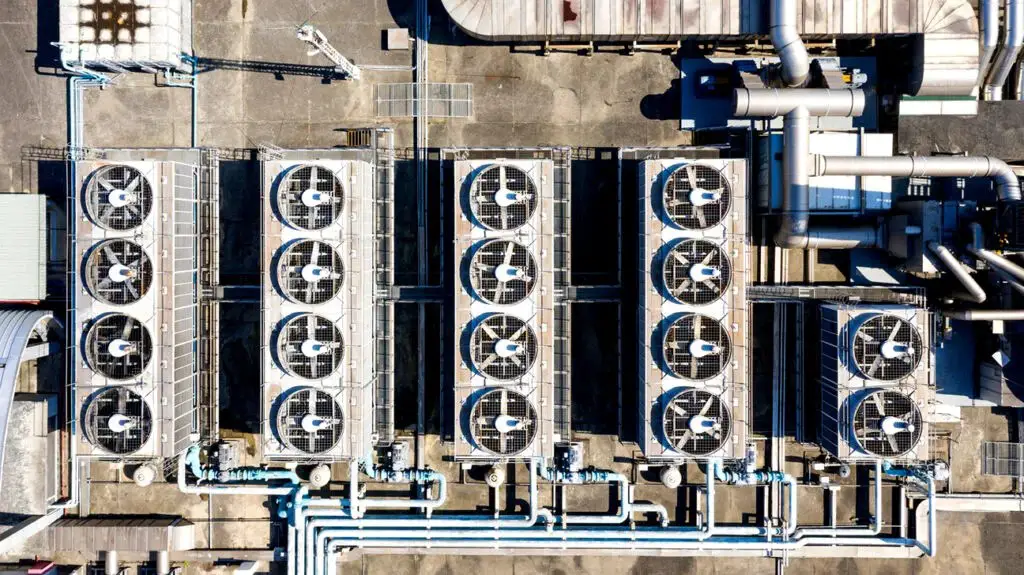
 Central air conditioning unit installed on an exterior wall.
Choosing the right system depends on your home’s layout, budget, and cooling needs. A quick way to narrow options is to review a guide on how to choose the right air conditioner for your home.
Factors That Affect Air Conditioning Cost
Now, let’s look at what affects the cost of air conditioning. Many things can change the price:
Type of System: Central systems cost more than window units.
Size of the Unit: Bigger units cost more.
Installation Costs: Some systems need special installation.
Energy Efficiency: High-efficiency units cost more but save money.
Brand: Some brands are more expensive than others.
Proper sizing is critical — an oversized unit cycles on and off, wasting energy, while an undersized one runs constantly. A professional load calculation (Manual J) ensures the correct capacity and avoids costly mismatches.
Cost of Different Air Conditioning Systems
Let’s break down the costs for each type of air conditioning system.
1. Central Air Conditioning
The cost for central air conditioning is usually high. Installation can cost between $3,000 and $7,000. The price depends on the size of the house and the type of system. You may also need to add ductwork. This can cost more. But central air systems cool the whole house.
2. Window Units
Window units are cheaper. They can cost between $150 and $600. The price depends on the size and brand. You can install them yourself. This saves money. But window units only cool one room.
3. Portable Air Conditioners
Portable air conditioners cost between $200 and $800. They are easy to move. You can use them in different rooms. However, they are not as efficient as other systems. This means they may use more electricity.
4. Ductless Mini-split Systems
Ductless mini-split systems cost between $2,000 and $5,000. They are good for homes without ducts. Installation is easier than central systems. They also save space. This can make them a good choice.
For a side‑by‑side view of typical price ranges, efficiency, and ideal applications, see the comparison table below.
| System Type | Typical Install Cost | SEER Range | Best For |
|---|---|---|---|
| Central AC | $3,000 – $7,000 | 14 – 22 | Whole‑home cooling |
| Window Unit | $150 – $600 | 10 – 13 | Single room, renters |
| Portable AC | $200 – $800 | 8 – 12 | Temporary or supplemental |
| Ductless Mini‑Split | $2,000 – $5,000 | 16 – 25 | Homes without ducts, zoning |
Installation Costs
Installation is a big part of the cost. A professional should install most air conditioning systems. Installation costs can be between $500 and $2,500. It depends on the type of system and the work needed. Always get quotes from different installers. This helps you find the best price.
Professional installation ensures proper refrigerant charge, airflow balance, and code compliance — mistakes here can shave years off equipment life. For detailed steps on a typical central‑air install, consult a central AC installation guide.
Energy Efficiency and Costs
Energy efficiency is very important. It affects your electric bill. Look for units with a high SEER rating. SEER stands for Seasonal Energy Efficiency Ratio. The higher the SEER, the better the efficiency. Higher efficiency systems cost more but save money over time.
For example, a unit with a SEER of 16 can save $200 per year. This is compared to a unit with a SEER of 13. Over time, savings can add up. Consider the long-term costs when choosing a system.
The U.S. Department of Energy recommends a minimum SEER 14 for new central systems in most climates; many utilities offer rebates for SEER 16+ units. Pairing a high‑SEER unit with a programmable thermostat can cut cooling costs another 10‑15 %. For optimal temperature settings, see tips on best air conditioning settings for energy efficiency.
Maintenance Costs
Air conditioning systems need maintenance. Regular maintenance helps keep the system working well. It can also help avoid big repairs. Maintenance costs are usually between $75 and $200 per year. This includes cleaning and checking the system.
Seasonal tune‑ups — cleaning coils, checking refrigerant pressure, and testing safety controls — are the single most cost‑effective way to extend equipment life. A handy checklist is available in the seasonal air conditioning maintenance tips article.
Common Repair Costs
Sometimes, air conditioning systems need repairs. Here are some common repairs and their costs:
Repair Type Cost
Refrigerant Leak $200 – $1,500
Compressor Replacement $1,500 – $2,500
Thermostat Replacement $100 – $400
Fan Motor Replacement $300 – $700
Regular maintenance can help prevent these costs. It is important to check your system often.
Many common issues — like warm air from vents or a noisy condenser — can be diagnosed early. A quick troubleshooting guide for AC blowing warm air and condenser problems can save a service call.
Financing Options
Buying an air conditioning system can be hard. Many people need help with the cost. There are financing options available. Some companies offer plans that let you pay over time. This can make it easier to afford a system.
Check with local stores and online. Ask about financing options. Some may even offer no-interest plans. This can help you manage costs better.
https://www.youtube.com/watch?v=wH3IU9_-8Xc
 Diagram illustrating typical central AC unit cost components.
Compare financing offers from local HVAC pros to find the best rate.
Rebates, Tax Credits & Incentives
Federal, state, and utility programs can shave hundreds off the purchase price. The ENERGY STAR program lists certified equipment that qualifies for rebates; many utilities also offer instant discounts at the point of sale. Check the ENERGY STAR rebate finder and your state energy office for current offers.
Smart Thermostat Integration & Zoning
Adding a smart thermostat lets you schedule cooling, monitor energy use, and control zones remotely. When paired with a ductless mini‑split or a zoned central system, you can cool only occupied rooms, cutting runtime by 20‑30 %. Emerging inverter‑driven compressors and variable‑speed fans further boost efficiency — see the latest on air conditioning innovations.
Frequently Asked Questions
How much does a central air conditioner cost to install in 2026?
Typical installed costs range from $3,500 to $7,500 depending on home size, ductwork condition, and equipment SEER rating.
What SEER rating should I choose for a new AC?
A minimum of SEER 14 is required in most regions; SEER 16‑18 offers a good balance of upfront cost and long‑term savings.
Can I install a window unit myself?
Yes, most window units are designed for DIY installation, but ensure the window frame can support the weight and the unit is properly sealed.
How often should I schedule professional maintenance?
Once per year, ideally before the cooling season, to clean coils, check refrigerant, and verify electrical components.
Are there tax credits for high‑efficiency air conditioners?
The federal 25C credit offers up to $600 for qualified ENERGY STAR central ACs and heat pumps installed in 2026; many states add additional incentives.
What’s the difference between a ductless mini‑split and a central system?
Mini‑splits deliver zoned cooling without ducts, are easier to retrofit, and often have higher SEER ratings, while central systems condition the whole house through a single duct network.
Conclusion
In conclusion, the cost of home air conditioning can vary. Many factors affect the price. It is important to think about the type of system you need. Remember to consider installation and maintenance costs. Look for energy-efficient models to save money in the long run.
Don’t forget about repairs. Regular maintenance helps prevent big problems. Finally, explore financing options if you need help with the cost. This can make it easier to enjoy a cool home in the summer.
Research and plan well. This will help you find the best air conditioning system for your home. With the right choice, you can stay cool and comfortable all summer long.