Featured image for ductless wall mounted air conditioners
Image source: airconditionersrus.com
Ductless wall mounted air conditioners deliver powerful, energy-efficient cooling without the need for bulky ducts or complex installations. Perfect for homes, offices, or retrofits, these sleek units offer precise temperature control, whisper-quiet operation, and easy maintenance—all at a fraction of the cost of traditional HVAC systems.
Key Takeaways
- Energy-efficient cooling: Ductless systems reduce energy waste by up to 30% compared to central AC.
- Easy installation: No ductwork needed—mount indoors and connect to an outdoor unit in hours.
- Zoned temperature control: Cool specific rooms independently for personalized comfort and lower bills.
- Quiet operation: Advanced inverter technology ensures whisper-quiet performance, ideal for bedrooms and offices.
- Improved air quality: Multi-stage filtration removes dust, allergens, and odors for cleaner indoor air.
- Sleek, space-saving design: Wall-mounted units blend seamlessly into modern interiors without bulky vents.
📑 Table of Contents
- Ductless Wall Mounted Air Conditioners: The Ultimate Cooling Solution
- What Is a Ductless Wall Mounted Air Conditioner?
- Benefits of Ductless Wall Mounted Air Conditioners
- Choosing the Right Ductless Wall Mounted Air Conditioner
- Installation and Maintenance Tips
- Cost Considerations and Return on Investment
- Real-World Examples and Use Cases
- Final Thoughts: Is a Ductless Wall Mounted Air Conditioner Right for You?
Ductless Wall Mounted Air Conditioners: The Ultimate Cooling Solution
Imagine walking into your home on a sweltering summer afternoon—only to be greeted by a cool, refreshing breeze that instantly melts away the heat. No loud clunking from an old window unit, no bulky ductwork snaking through your walls, and no skyrocketing energy bills. That’s the magic of a ductless wall mounted air conditioner. These sleek, modern systems are quietly revolutionizing how we cool our homes, offering efficiency, flexibility, and comfort in one stylish package.
I remember the first time I stepped into a friend’s apartment during a heatwave. While my own place felt like a sauna, theirs was cool and calm—despite having no central AC. When I asked how they managed it, they pointed to a slim, white unit mounted high on the wall. “It’s a ductless system,” they said with a smile. That moment sparked my curiosity, and after doing some research, I was hooked. Ductless wall mounted air conditioners aren’t just a trend—they’re a smart, practical solution for homeowners and renters alike who want effective cooling without the hassle of traditional HVAC systems.
What Is a Ductless Wall Mounted Air Conditioner?
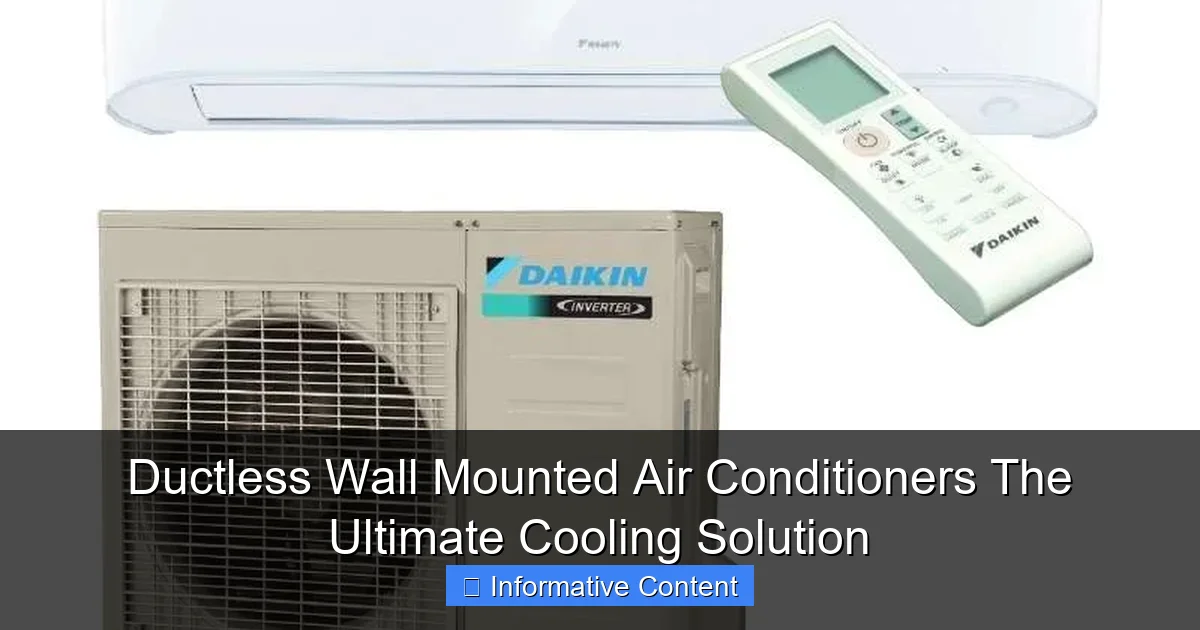
A ductless wall mounted air conditioner, also known as a mini-split system, is a type of HVAC unit that provides cooling (and often heating) without the need for ductwork. Unlike central air systems that rely on a network of ducts to distribute air throughout a home, ductless systems consist of two main components: an outdoor compressor unit and one or more indoor air-handling units mounted on the wall.

Visual guide about ductless wall mounted air conditioners
Image source: focusthaihome.com
How It Works
The system operates by transferring heat from inside your home to the outside. Refrigerant circulates between the indoor and outdoor units through a small conduit, which includes power cables, refrigerant tubing, and a condensate drain. The indoor unit pulls in warm air, cools it using the refrigerant, and then blows the cooled air back into the room. Because there are no ducts, there’s minimal energy loss—something that plagues traditional systems, where up to 30% of cooled air can be lost through leaky ducts.
Key Components
- Outdoor Unit: Houses the compressor and condenser. It’s typically installed on a concrete pad or mounted on an exterior wall.
- Indoor Unit: Mounted high on an interior wall, it contains the evaporator and fan. It’s sleek, quiet, and designed to blend with your décor.
- Conduit: A small bundle of lines that connects the indoor and outdoor units. It requires only a 3-inch hole in the wall—much smaller than what’s needed for ductwork.
- Remote Control: Most systems come with a remote, and many now offer smartphone app control for added convenience.
One of the biggest advantages? You can install multiple indoor units connected to a single outdoor unit, allowing you to cool different zones of your home independently. This zoning capability not only improves comfort but also saves energy by only cooling the rooms you’re using.
Benefits of Ductless Wall Mounted Air Conditioners
If you’re considering upgrading your home’s cooling system—or simply want a more efficient way to stay comfortable—ductless wall mounted air conditioners offer a host of compelling benefits. Let’s break them down.
Energy Efficiency and Cost Savings
One of the standout advantages of ductless systems is their energy efficiency. Because they eliminate duct losses, they can be up to 30% more efficient than central air systems. Many models are ENERGY STAR certified and use inverter-driven compressors, which adjust their speed based on cooling demand rather than cycling on and off. This not only reduces energy consumption but also extends the lifespan of the unit.
For example, a typical 12,000 BTU ductless unit might use around 1,200 watts per hour, while a similarly sized window unit could use 1,500 watts or more. Over the course of a summer, that difference adds up. Homeowners often report saving 20–40% on their cooling bills after switching to a ductless system.
Easy Installation and Flexibility
Installing a ductless wall mounted air conditioner is significantly easier and less invasive than installing central air. There’s no need to tear down walls or ceilings to run ducts. In most cases, a professional can complete the installation in just a few hours. The only major step is drilling a small hole in the wall to run the conduit—something that’s far less disruptive than major renovations.
This makes ductless systems ideal for:
- Older homes without existing ductwork
- Room additions or converted spaces (like garages or attics)
- Rental properties where tenants want individual climate control
- Homes with limited space or architectural constraints
Improved Indoor Air Quality
Ductless systems often come with multi-stage filtration systems that capture dust, pollen, bacteria, and other airborne particles. Since there are no ducts to accumulate dust and mold, the air you breathe is cleaner and healthier. This is especially beneficial for people with allergies, asthma, or other respiratory conditions.
Some high-end models even include features like ionizers or UV lights to further purify the air. Regular filter cleaning (usually every 1–2 months) keeps the system running efficiently and maintains air quality.
Quiet Operation
Nobody wants a noisy air conditioner disrupting their peace. Ductless wall mounted units are remarkably quiet—many operate at sound levels as low as 19 decibels, which is quieter than a whisper. The noisy compressor is located outside, while the indoor unit produces only a soft hum. This makes them perfect for bedrooms, home offices, or living rooms where noise matters.
Heating Capability (Heat Pump Models)
Many ductless systems are heat pumps, meaning they can both cool and heat your home. In colder months, they extract heat from the outside air (even when it’s chilly) and bring it indoors. This makes them a year-round comfort solution, eliminating the need for a separate furnace or space heaters.
While they work best in moderate climates, newer models with advanced technology can efficiently heat homes even in temperatures as low as -15°F. This dual functionality adds tremendous value, especially in regions with mild to moderate winters.
Choosing the Right Ductless Wall Mounted Air Conditioner
With so many options on the market, selecting the right ductless wall mounted air conditioner can feel overwhelming. But by focusing on a few key factors, you can find a system that fits your needs, budget, and home layout.
Determine the Right Size (BTUs)
Size matters—but bigger isn’t always better. An undersized unit will struggle to cool your space, while an oversized one will cycle on and off too frequently, wasting energy and reducing comfort. The key is to match the unit’s cooling capacity (measured in BTUs) to the size of the room.
As a general rule:
- 150–250 sq. ft.: 6,000 BTUs
- 250–300 sq. ft.: 7,000–8,000 BTUs
- 300–400 sq. ft.: 9,000–10,000 BTUs
- 400–500 sq. ft.: 12,000 BTUs
- 500–700 sq. ft.: 14,000–18,000 BTUs
Keep in mind that factors like ceiling height, insulation, sun exposure, and the number of windows can affect cooling needs. A professional HVAC technician can perform a load calculation to determine the ideal size for your space.
Look for Energy Efficiency Ratings
Check the Seasonal Energy Efficiency Ratio (SEER) and Heating Seasonal Performance Factor (HSPF) ratings. Higher numbers mean greater efficiency. For cooling, look for a SEER rating of 16 or higher. For heating, an HSPF of 9 or above is ideal. ENERGY STAR certified models meet strict efficiency guidelines and may qualify for rebates or tax credits.
Consider Zoning and Multi-Zone Systems
If you want to cool multiple rooms, consider a multi-zone system. These allow you to connect up to 5 indoor units to a single outdoor compressor, each controlled independently. This gives you the flexibility to cool only the rooms you’re using, saving energy and money.
For example, you might install one unit in the living room, another in the master bedroom, and a third in a home office. Each can be set to a different temperature, so everyone stays comfortable without wasting energy.
Evaluate Smart Features
Modern ductless systems often come with smart features that enhance convenience and efficiency. Look for:
- Wi-Fi connectivity and smartphone app control
- Programmable timers and scheduling
- Geofencing (automatically adjusts temperature when you leave or return home)
- Voice control compatibility (with Alexa, Google Assistant, etc.)
These features not only make life easier but can also help you save energy by ensuring the system runs only when needed.
Brand and Warranty
Stick with reputable brands known for reliability and customer support. Some top names in the ductless market include Mitsubishi, Daikin, LG, Fujitsu, and Panasonic. Most offer warranties ranging from 5 to 12 years on parts and compressors, so be sure to register your unit after installation to activate coverage.
Installation and Maintenance Tips
Even the best ductless wall mounted air conditioner won’t perform well if it’s not installed or maintained properly. Here’s what you need to know to get the most out of your system.
Professional Installation Is Key
While ductless systems are easier to install than central air, they still require professional expertise. A licensed HVAC technician will ensure proper placement, refrigerant charging, and electrical connections. Incorrect installation can lead to poor performance, leaks, or even safety hazards.
When choosing an installer, look for someone with experience in mini-split systems and positive customer reviews. Ask about their warranty on labor and whether they offer maintenance plans.
Placement Matters
The indoor unit should be mounted high on an interior wall, ideally in a central location for even air distribution. Avoid placing it near heat sources (like ovens or direct sunlight) or in corners where airflow might be restricted. The outdoor unit should be placed on a stable, level surface with adequate clearance for airflow—typically at least 12 inches from walls and 24 inches from the ground.
Regular Maintenance for Longevity
Like any HVAC system, ductless units need regular maintenance to run efficiently. Fortunately, it’s relatively simple:
- Clean the filters: Every 1–2 months, remove and wash the air filters with mild soap and water. Dirty filters restrict airflow and reduce efficiency.
- Check the outdoor unit: Keep the area around the outdoor unit clear of leaves, dirt, and debris. Trim back vegetation to maintain airflow.
- Inspect the condensate drain: Ensure it’s not clogged, as this can cause water leaks.
- Schedule annual professional service: A technician can check refrigerant levels, inspect electrical connections, and clean internal components.
With proper care, a ductless system can last 15–20 years—sometimes longer.
Troubleshooting Common Issues
Even well-maintained systems can run into problems. Here are a few common issues and what they might mean:
- Unit not cooling: Check the filter, thermostat settings, and whether the outdoor unit is running. If the problem persists, it could be a refrigerant leak or electrical issue.
- Water leaking indoors: Usually caused by a clogged condensate drain or improper installation slope.
- Unusual noises: Rattling could mean loose parts; hissing might indicate a refrigerant leak.
- Ice buildup on the indoor unit: Often due to dirty filters, low refrigerant, or restricted airflow.
If you’re unsure, it’s always best to call a professional rather than attempt DIY repairs.
Cost Considerations and Return on Investment
One of the biggest questions homeowners have is: “How much does a ductless wall mounted air conditioner cost?” The answer depends on several factors, but the investment is often well worth it.
Upfront Costs
The cost of a ductless system includes the unit itself, installation, and any additional materials. On average:
- Single-zone systems: $1,500–$4,000
- Multi-zone systems: $3,000–$8,000+
Higher-end models with advanced features (like Wi-Fi, ultra-quiet operation, or extreme climate performance) will cost more. Installation costs vary by region and complexity, but typically range from $500 to $2,000.
Long-Term Savings
While the upfront cost is higher than a window unit, ductless systems offer significant long-term savings. Their energy efficiency translates to lower utility bills, and their durability means fewer repairs and replacements. Over 10–15 years, the savings can easily offset the initial investment.
Additionally, many utility companies and government programs offer rebates or tax credits for installing energy-efficient HVAC systems. For example, the U.S. federal tax credit for qualifying heat pumps can cover up to 30% of the cost, with a maximum of $2,000 per year. Check with your local energy provider or visit the ENERGY STAR website for current incentives.
Increased Home Value
Installing a ductless system can also boost your home’s resale value. Buyers appreciate modern, efficient cooling solutions—especially in homes without central air. A well-maintained ductless system is a selling point that can set your home apart in a competitive market.
Real-World Examples and Use Cases
To bring this all to life, let’s look at a few real-world scenarios where ductless wall mounted air conditioners shine.
Case Study 1: The Historic Home Renovation
Sarah and Tom bought a charming 1920s bungalow with beautiful original features—but no ductwork. Installing central air would have meant tearing up floors and walls, which they wanted to avoid. Instead, they opted for a multi-zone ductless system. They installed one unit in the living room, another in the master bedroom, and a third in the home office. The installation took just two days, and they were able to preserve the home’s character while enjoying modern comfort. “It’s like having central air without the mess,” Sarah said.
Case Study 2: The Garage Conversion
Mike turned his garage into a home gym and man cave. But without HVAC, it was either too hot or too cold to use. He installed a single 12,000 BTU ductless unit, which now keeps the space cool in summer and warm in winter. “It’s the best investment I’ve made for my home,” he says. “I use it year-round.”
Case Study 3: The Rental Property
Lisa owns a duplex and wanted to give her tenants individual climate control without installing ductwork in both units. She installed a dual-zone ductless system, with one indoor unit in each apartment. The tenants love being able to set their own temperatures, and Lisa appreciates the lower energy bills and increased tenant satisfaction.
Final Thoughts: Is a Ductless Wall Mounted Air Conditioner Right for You?
After exploring the ins and outs of ductless wall mounted air conditioners, it’s clear why they’re becoming the go-to cooling solution for so many homeowners. They offer unmatched efficiency, flexibility, and comfort—all in a sleek, unobtrusive design. Whether you’re retrofitting an older home, adding climate control to a new space, or simply looking to reduce your energy bills, a ductless system is a smart, future-proof choice.
Of course, they’re not perfect for every situation. If you already have a well-maintained central air system, the cost of switching may not be justified. And in extremely cold climates, you might need a backup heating source. But for most homes, especially those without ducts or with specific cooling needs, ductless wall mounted air conditioners deliver exceptional value.
So, the next time you’re sweating through another summer, consider this: there’s a cooler, quieter, more efficient way to stay comfortable. And it might just be mounted right on your wall.
Frequently Asked Questions
What is a ductless wall mounted air conditioner?
A ductless wall mounted air conditioner is a compact, energy-efficient cooling system that doesn’t require ductwork. It consists of an outdoor compressor and an indoor wall-mounted unit, connected by a small conduit, offering targeted cooling for single rooms or open spaces.
How does a ductless wall mounted air conditioner save energy?
These systems use inverter technology and zoned cooling, allowing you to cool only occupied areas. By eliminating energy loss from ducts (which can waste up to 30% of air), they significantly reduce electricity bills.
Can I install a ductless wall mounted air conditioner myself?
Professional installation is strongly recommended, as it requires mounting the indoor unit, drilling a hole for the refrigerant line, and electrical connections. Improper installation can void warranties and reduce efficiency.
Are ductless air conditioners noisy?
No, most ductless wall mounted air conditioners operate quietly, with indoor units producing 19–30 decibels (quieter than a whisper). Noise levels vary by model, so check the product’s dB rating before purchasing.
What rooms are best suited for ductless wall mounted air conditioners?
They’re ideal for bedrooms, sunrooms, garages, or homes without existing ductwork. Their compact design and flexible placement make them perfect for spaces where central AC isn’t practical or cost-effective.
Do ductless systems require frequent maintenance?
Maintenance is minimal: clean or replace air filters every 1–2 months and schedule an annual professional check-up. Proper care ensures peak performance and extends the unit’s lifespan to 15+ years.