Ductless HVAC: The Ultimate Guide for Your Home
Are you tired of dealing with old, inefficient HVAC systems? Ductless HVAC might be the perfect solution for you. In this guide, we will explore what ductless HVAC systems are, their benefits, installation process, and why they are an excellent choice for your home.
https://www.youtube.com/watch?v=3DHyShrGUXw
What is a Ductless HVAC System?
A ductless HVAC system is a type of heating and cooling system. It does not require ductwork to distribute air. Instead, it uses an outdoor unit and indoor units. For more on this, see our guide on what are the best hvac air conditioning systems.
Components Of A Ductless Hvac System
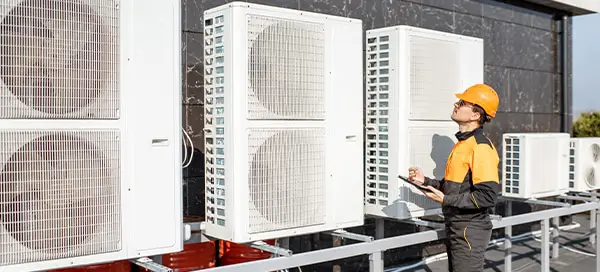
Outdoor Unit: This is placed outside your home. It connects to indoor units.
Indoor Units: These are installed inside your home. They provide heating and cooling to specific areas.
Refrigerant Lines: These connect the outdoor and indoor units. They carry refrigerant for cooling and heating.
Benefits of Ductless HVAC Systems
Ductless HVAC systems offer several advantages. Let's take a look at some of the key benefits.
Energy Efficiency
Ductless systems are highly energy-efficient. They use less power than traditional HVAC systems. This can help you save on energy bills.
Easy Installation
Installing a ductless HVAC system is straightforward. It does not require complex ductwork. This makes the installation process quick and easy.
Zone Control
Ductless systems allow you to control the temperature in different areas. This means you can heat or cool specific rooms. It provides personalized comfort.
Improved Air Quality
Traditional HVAC systems can collect dust and allergens in ducts. Ductless systems eliminate this issue. They provide cleaner air inside your home.
Quiet Operation
Ductless HVAC systems operate quietly. They do not make loud noises like some traditional systems. This ensures a peaceful environment in your home.
Credit: theweatherchangers.com – a wall‑mounted indoor unit showing the slim profile typical of mini‑split systems.

Credit: www.nytimes.com – a finished installation blending into a contemporary living space.
Types of Ductless HVAC Systems
- Single‑zone – one outdoor unit paired with a single indoor head; ideal for a garage conversion or a single room addition.
- Multi‑zone – one outdoor compressor serving two to eight indoor units; each zone gets its own thermostat for true independent control.
- Ceiling‑cassette & floor‑mounted – alternative indoor form factors that suit rooms without suitable wall space.
In practice, most homeowners start with a single‑zone unit to test comfort and then expand to a multi‑zone layout as budget allows.
For a deeper look at how these configurations compare to traditional ducted equipment, see the breakdown of how HVAC air conditioning differs from standard air conditioning.
How to Install a Ductless HVAC System
Installing a ductless HVAC system is a straightforward process. However, it is best done by a professional. Here is a step-by-step guide to the installation process.
Step 1: Choose The Right System
The first step is to choose the right ductless HVAC system. Consider factors like the size of your home and your heating and cooling needs.
Step 2: Select Installation Locations
Next, decide where to install the indoor and outdoor units. Choose locations that provide optimal heating and cooling.
Step 3: Install The Indoor Units
Mount the indoor units on walls or ceilings. Ensure they are securely fastened and properly positioned.
Step 4: Install The Outdoor Unit
Place the outdoor unit in a suitable location. Make sure it is on a stable surface and has adequate airflow.
Step 5: Connect Refrigerant Lines
Connect the refrigerant lines between the indoor and outdoor units. This step is crucial for the system's operation.
Step 6: Test The System
Finally, test the system to ensure it is working correctly. Check for any issues and make necessary adjustments.
Sizing Your System Correctly
A common mistake is selecting capacity based solely on square‑footage. A proper Manual J load calculation accounts for insulation, window orientation, local climate, and internal gains. Oversized units short‑cycle, wasting energy and reducing dehumidification; undersized units run continuously and struggle on extreme days. Many manufacturers provide online sizing calculators, but a certified technician’s on‑site assessment remains the gold standard.
If you’re planning a DIY‑friendly mini‑split, the split AC installation guide walks through the key measurements and clearances you’ll need.
Why Choose a Ductless HVAC System for Your Home?
There are many reasons to choose a ductless HVAC system for your home. Let's explore some of the top reasons.
Cost Savings
Ductless systems can help you save money. They are more energy-efficient than traditional systems. This can reduce your energy bills.
Easy Maintenance
Maintaining a ductless HVAC system is simple. There are no ducts to clean. Regular filter changes and occasional professional check-ups are all you need.
Flexible Installation
Ductless systems offer flexible installation options. They can be installed in various locations. This makes them suitable for all types of homes.
Enhanced Comfort
Ductless HVAC systems provide enhanced comfort. They allow you to control the temperature in different areas. This ensures everyone in your home is comfortable.
Cost Breakdown & Incentives (2026 Update)
Typical installed cost for a single‑zone system ranges from $3,500–$5,500; multi‑zone setups climb to $7,000–$12,000 depending on the number of heads. Federal tax credits for qualified heat‑pump equipment (up to 30 % of cost, $2,000 cap) are available through 2032, and many state utilities add rebates of $300–$1,000 per indoor unit. Always verify current incentive tables on the ENERGY STAR® site before quoting a project.
For guidance on selecting the most efficient settings once the system is running, review the recommended energy‑saving temperature setpoints.
Maintenance Best Practices
- Monthly – vacuum or wash the indoor unit’s washable filter; a clogged filter cuts airflow by up to 15 %.
- Quarterly – inspect the outdoor coil for debris, pollen, or grass clippings; gently rinse with a garden hose (power off).
- Annually – schedule a professional refrigerant‑charge check, electrical‑connection torque, and condensate‑drain flush.
- Seasonal – switch the system to “fan‑only” mode during mild weeks to keep the coil dry and prevent mold growth.
A well‑maintained mini‑split can retain >95 % of its rated SEER after ten years. For a printable checklist, see the seasonal air‑conditioning maintenance tips.
Frequently Asked Questions
What Is A Ductless Hvac System?
A ductless HVAC system heats and cools without ductwork. It's efficient and easy to install.
How Does Ductless Hvac Work?
Ductless HVAC works by using an outdoor unit connected to indoor units. It transfers heat efficiently.
Are Ductless Systems Energy-efficient?
Yes, ductless systems are energy-efficient. They reduce energy loss associated with ductwork.
Can Ductless Hvac Heat My Home?
Yes, ductless HVAC systems provide both heating and cooling. They work well in various climates.
How Long Does a Ductless System Last?
With proper maintenance, most units deliver 15–20 years of service; the compressor is usually the first major component to need replacement.
Do Ductless Mini‑Splits Require a Dedicated Circuit?
Yes. Each outdoor unit typically needs a 208/230 V dedicated breaker sized per the nameplate (often 15–30 A). Indoor heads draw minimal power and share the outdoor circuit.
Can I Install a Ductless System Myself?
While the mounting and line‑set routing are DIY‑friendly, handling refrigerant requires EPA‑608 certification. Most jurisdictions mandate a licensed contractor for the final charge and start‑up.
Conclusion
Ductless HVAC systems are an excellent choice for modern homes. They offer numerous benefits, including energy efficiency, easy installation, and improved air quality. If you are looking to upgrade your home's heating and cooling system, consider a ductless HVAC system.
We hope this guide has provided valuable information. For more details, consult a professional HVAC technician. They can help you choose and install the perfect ductless system for your home.
Ready to experience zone‑level comfort and lower bills? Schedule a free home assessment with a licensed HVAC technician today.