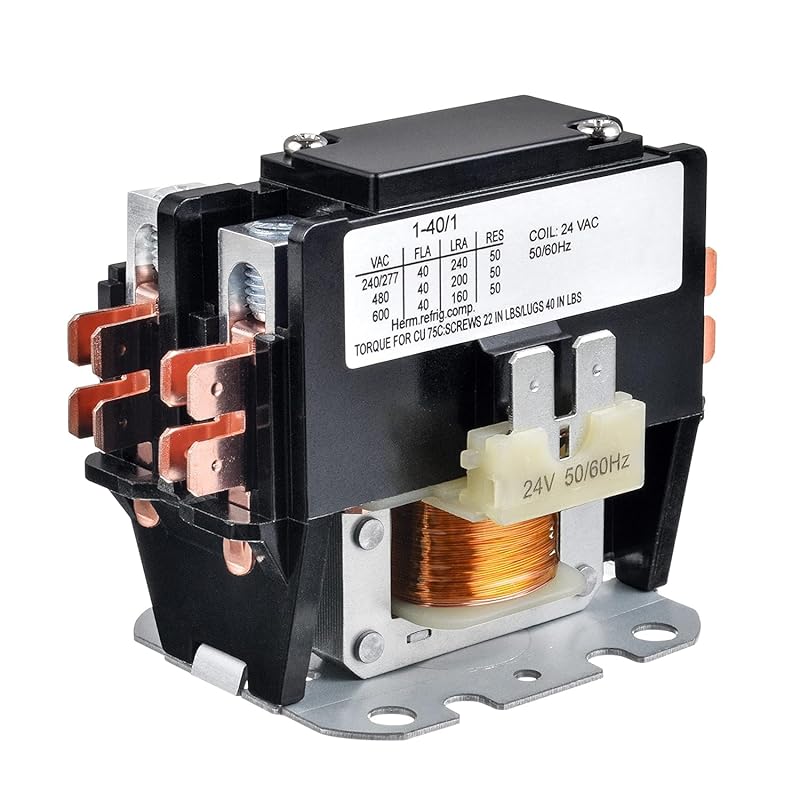
Understanding the cost of a Carrier air conditioner motor is essential for homeowners looking to maintain or repair their HVAC systems. This guide covers everything from average pricing to DIY vs. professional repair options. You’ll also learn how regular maintenance can save you money in the long run.
Key Takeaways
- Average Cost: The typical cost of replacing a Carrier air conditioner motor ranges from $300 to $1,200, including parts and labor.
- DIY vs. Pro: While DIY repairs may save money, hiring a licensed technician ensures safety and proper installation.
- Preventive Maintenance: Regular cleaning and inspection can extend your motor’s life and reduce unexpected repair costs.
- Energy Efficiency: Modern motors are more efficient, helping lower utility bills over time.
- Warranty Impact: Using non-OEM parts may void your Carrier warranty, so always check before purchasing replacements.
- Common Causes of Failure: Dirty filters, electrical issues, and overheating are leading reasons for motor failure in Carrier units.
- Replacement Timing: If your motor is over 10 years old, consider upgrading to a newer model with better energy ratings.
Quick Answers to Common Questions
How much does a Carrier air conditioner motor cost?
The average cost ranges from $300 to $1,200 when including parts and labor. OEM motors alone typically cost between $150 and $600.
Can I replace my Carrier motor myself?
While possible, DIY replacement requires technical skills and tools. Most experts recommend professional installation to ensure safety and warranty compliance.
What causes Carrier motor failures?
Common causes include dirty air filters, electrical surges, overheating, and worn-out bearings due to age or lack of maintenance.
Is it worth repairing or replacing the motor?
If your unit is under 10 years old and the motor is relatively inexpensive to replace, repair is usually the best choice. For older systems, consider full unit replacement.
Will using a third-party motor void my warranty?
Yes, using non-OEM parts often voids your Carrier warranty. Always consult your warranty terms or contact Carrier support before installing alternative motors.
📑 Table of Contents
- The Cost of Carrier Air Conditioner Motor: What You Need to Know
- What Is a Carrier Air Conditioner Motor?
- Average Cost to Replace a Carrier Air Conditioner Motor
- Signs Your Carrier Motor Needs Replacement
- DIY vs. Hiring a Pro: Which Is Right for You?
- Tips to Extend Your Motor’s Lifespan
- Warranty Considerations When Replacing Motors
- Final Thoughts: Invest Wisely in Your Comfort
The Cost of Carrier Air Conditioner Motor: What You Need to Know
When your Carrier air conditioner starts making strange noises or stops cooling your home efficiently, the first thing that might come to mind is the motor. After all, the motor powers the fan that circulates cool air throughout your house. But what exactly goes into the cost of replacing a Carrier air conditioner motor? Is it something you can fix yourself, or should you call a pro? Let’s break it down in simple terms—because no one likes being left in the heat.
Carrier is one of the most trusted names in air conditioning systems, known for durability and innovation. However, like any mechanical system, its components wear out over time. The motor is central to the operation of both the indoor and outdoor units. Whether it’s the blower motor inside your furnace or the condenser fan motor outside, knowing how much a replacement might cost—and when to replace it—can save you from unexpected expenses and discomfort during hot weather.
In this article, we’ll explore everything you need to know about the cost of Carrier air conditioner motor, including average prices, factors that affect cost, signs of failure, and tips for keeping your system running smoothly. Whether you’re planning a repair or just doing research, this guide will help you make informed decisions without getting overwhelmed by technical jargon.
What Is a Carrier Air Conditioner Motor?
Understanding the Role of the Motor
Before diving into costs, let’s clarify what an air conditioner motor does. In a Carrier unit, there are typically two main types of motors: the blower motor (inside the indoor unit) and the condenser fan motor (outside the unit). The blower motor pushes warm air over the evaporator coils, cooling it before sending it back into your home. Meanwhile, the condenser fan helps dissipate heat from the refrigerant into the surrounding air.
Visual guide about Cost of Carrier Air Conditioner Motor
Image source: i.pinimg.com
Both motors are electric and rely on precise engineering to operate quietly and efficiently. Over time, they can wear out due to dust buildup, electrical issues, or simply age. When either fails, your AC won’t cool properly—or worse, it might stop working altogether.
Why Carrier Motors Are Built Differently
Carrier uses high-quality motors designed for long-term reliability. Unlike generic models, Carrier motors often feature sealed bearings, corrosion-resistant materials, and advanced thermal protection. These features not only improve performance but also influence the overall cost—both upfront and over time.
Because of these built-in protections, Carrier motors tend to last longer than cheaper alternatives. That said, even the best motors eventually reach the end of their lifespan. Understanding why and how they fail helps you prepare for potential repairs.
Average Cost to Replace a Carrier Air Conditioner Motor
Breaking Down the Numbers
If you’re asking, “How much does a Carrier air conditioner motor cost?” here’s a realistic breakdown:
Visual guide about Cost of Carrier Air Conditioner Motor
Image source: res.cdn.office.net
- Motor Only (OEM): $150–$600
- Motor + Installation (DIY): $150–$600 (plus tools)
- Labor Only (Pro Install): $100–$400
- Total Cost (Parts + Labor): $300–$1,200
Keep in mind that prices vary based on your location, the specific model of your Carrier unit, and whether you choose an OEM (Original Equipment Manufacturer) part or a compatible aftermarket option.
Factors That Influence the Price
Several variables affect how much you’ll pay:
- Model & Size: Larger units with multi-speed motors cost more than standard single-speed models.
- Location: Urban areas often have higher labor rates than rural regions.
- Accessibility: If the motor is hard to reach—say, inside a tight attic space—labor costs rise.
- Warranty Status: Some warranties cover motor replacements, reducing out-of-pocket expenses.
Example Scenario
Imagine your Carrier 3-ton central air conditioner’s blower motor fails after eight years. You get a quote from a local HVAC technician who recommends a Carrier-branded motor ($450) plus $300 for labor. Total comes to $750. Compare that to a generic brand ($200) with same-day service ($250), totaling $450. Though cheaper now, using non-OEM parts might void your remaining warranty—so weigh the trade-offs carefully.
Signs Your Carrier Motor Needs Replacement
Recognizing Warning Signs
Don’t wait until your AC completely shuts down. Here are common indicators that your motor may be failing:
- Strange Noises: Grinding, squealing, or rattling sounds often signal worn bearings or loose components.
- Reduced Cooling: Even if the unit runs, airflow feels weak—a sign the blower isn’t moving enough air.
- Frequent Cycling: The system turns on and off too often, which stresses the motor and increases energy use.
- Burning Smell: This usually means overheating—a serious issue that could lead to fire hazards.
- Tripped Breakers: Electrical faults within the motor trip the circuit breaker repeatedly.
When to Call a Professional
If you notice any of these symptoms, schedule a technician visit. Trying to diagnose electrical problems without training can be dangerous. Professionals use multimeters and diagnostic tools to pinpoint issues accurately.
DIY vs. Hiring a Pro: Which Is Right for You?
Pros and Cons of DIY Repairs
Some homeowners enjoy tackling HVAC projects themselves. If you’re mechanically inclined and own basic tools, replacing a blower motor might seem doable. Here’s what to consider:
- Pros: Saves on labor costs; gives you hands-on experience.
- Cons: Risk of improper installation; possible damage to other components; voided warranty.
When to Call an Expert
Most HVAC technicians recommend professional service for motor replacements. Reasons include:
- Safety concerns with electricity and refrigerants
- Need for specialized tools (e.g., torque wrenches)
- Calibration requirements for multi-speed motors
- Warranty compliance (using wrong parts invalidates coverage)
Finding a Reliable Technician
Look for NATE-certified professionals with good reviews. Ask for itemized quotes and confirm they use OEM or UL-listed parts. A reputable company will offer a warranty on their work—usually 90 days to one year.
Tips to Extend Your Motor’s Lifespan
Preventive Maintenance Basics
The best way to avoid costly motor replacements is prevention. Follow these simple steps:
- Change Filters Monthly: Clogged filters force the motor to work harder, overheating it faster.
- Clean Vents & Coils Annually: Dust buildup restricts airflow and reduces efficiency.
- Schedule Professional Tune-Ups: Twice-yearly inspections catch small issues before they become big problems.
- Check Belts & Pulleys: Worn belts cause slippage, straining the motor.
- Ensure Proper Ventilation: Blocked outdoor unit vents trap heat, increasing strain on the condenser fan motor.
Upgrading to Energy-Efficient Models
If your Carrier unit is over 10 years old, upgrading to a newer, ENERGY STAR®-rated model can reduce motor stress and lower monthly bills. Newer motors use variable-speed technology, which adjusts output based on demand—less wear, more savings.
Warranty Considerations When Replacing Motors
Understanding Your Coverage
Carrier offers comprehensive warranties on new systems—typically 10 years on compressors and 5–10 years on motors. However, these apply only if genuine OEM parts are used and repairs performed by certified technicians. Third-party motors may not qualify.
What Happens If You Void the Warranty?
Using non-Carryer parts or attempting DIY repairs can invalidate your warranty. If a failure occurs afterward, you’ll pay full price for diagnostics and labor. Always verify warranty terms before proceeding with any repair.
Final Thoughts: Invest Wisely in Your Comfort
Replacing a Carrier air conditioner motor doesn’t have to be stressful—or expensive—if you approach it with knowledge. From understanding average costs to recognizing warning signs, being proactive helps protect your investment and keeps your home cool and comfortable.
Remember: while saving a few bucks upfront might seem tempting, cutting corners can lead to higher costs down the road. Whether you choose DIY or hire a pro, prioritize quality, safety, and long-term reliability. And don’t forget—regular maintenance is the simplest and cheapest way to keep your motor running strong for years.
Frequently Asked Questions
What is the average lifespan of a Carrier air conditioner motor?
With proper maintenance, Carrier motors typically last 10–15 years. Factors like climate, usage frequency, and filter changes can influence longevity.
Are universal motors compatible with Carrier units?
Some aftermarket motors claim compatibility, but they may lack the precision tuning of OEM parts and could affect system performance or void warranties.
How often should I clean my AC motor?
Inspect and clean the motor annually during spring and fall tune-ups. Avoid deep cleaning unless instructed by a professional—moisture near electrical components risks short circuits.
Can a bad motor damage other parts of my AC?
Yes. A malfunctioning motor can cause strain on the compressor, blower wheel, or electrical panel, potentially leading to cascading failures and higher repair bills.
Do newer Carrier models have better motors?
Absolutely. Modern Carrier systems use variable-speed, brushless DC motors that are quieter, more efficient, and require less maintenance than older induction motors.
Where can I buy genuine Carrier motors?
Genuine parts are available through authorized Carrier dealers, online retailers like CarrierPartsDirect.com, or certified HVAC suppliers. Always verify seller credibility before purchasing.