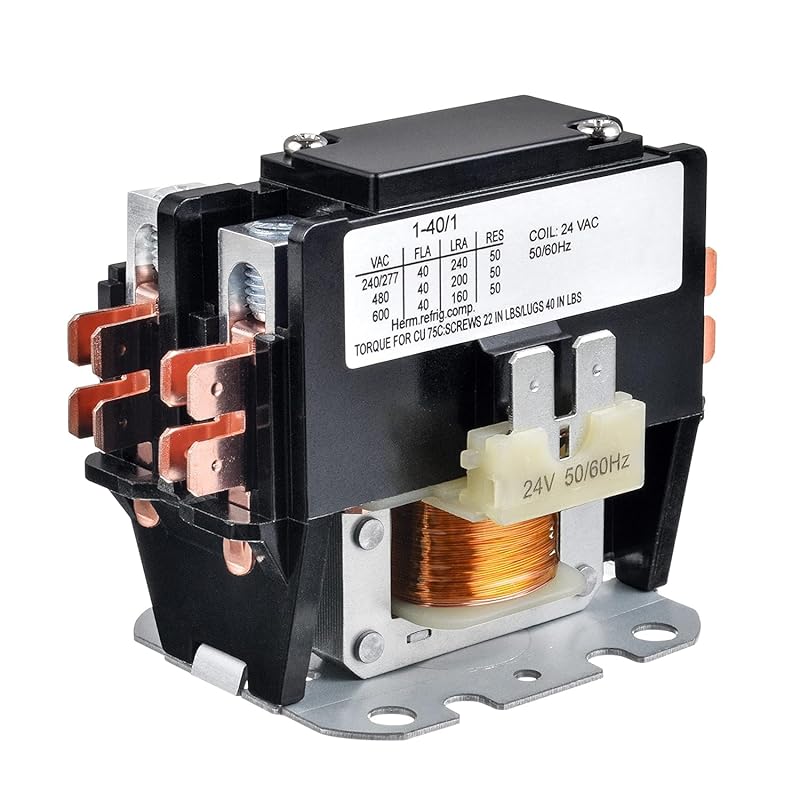
Replacing a Carrier air conditioner motor can range from $300 to over $1,200 depending on the model, type, and labor costs. Understanding these expenses helps you budget wisely and avoid unexpected repair bills. With proper maintenance, you can extend your motor’s life and reduce long-term costs.
When your Carrier air conditioner starts acting up—especially if it’s making strange noises or failing to cool properly—the first thing that might come to mind is: “Is it the motor?” You’re not alone. The heart of any HVAC system lies within its motor, and when it fails, so does your comfort—and your peace of mind. But before you panic and call a technician, it’s helpful to understand exactly what you’re dealing with and, more importantly, how much it might cost to fix.
In this comprehensive guide, we’ll walk you through everything you need to know about the cost of Carrier air conditioner motors. From identifying which motor has gone bad to comparing prices across brands and models, we’ve got you covered. Whether you’re planning a DIY repair or deciding whether to hire a pro, understanding the numbers will help you make smart decisions—without getting blindsided by surprise fees.
Let’s dive in and break down the real-world costs, hidden expenses, and money-saving strategies that every Carrier owner should know.
Key Takeaways
- Average Cost Range: Carrier AC motor replacements typically cost between $300 and $1,200, including parts and labor.
- Type Matters: Whether it’s a blower motor or compressor motor affects price significantly—blower motors are usually cheaper than compressor motors.
- Labor Costs: Professional installation adds $100–$300 to the total cost, depending on complexity and location.
- DIY vs. Pro: Doing it yourself saves labor but requires technical skill and safety precautions.
- Energy Efficiency: Upgrading to an energy-efficient motor can reduce electricity bills by 10–20% annually.
- Preventive Maintenance: Regular cleaning and inspections can delay motor failure and save money in the long run.
- Warranty Impact: Using genuine Carrier parts ensures warranty compliance and optimal performance.
Quick Answers to Common Questions
What causes a Carrier AC motor to fail?
Common causes include dirty filters, power surges, lack of lubrication, and prolonged overuse. Neglecting routine maintenance increases the risk of sudden failure.
Can I replace my AC motor myself?
Only if it’s a simple blower motor and you’re comfortable working with electrical systems. Compressor or condenser motors require certified professionals due to refrigerant and safety concerns.
How long do Carrier AC motors typically last?
With proper care, Carrier motors last 15–20 years. However, harsh weather, poor maintenance, or hard water areas may shorten their lifespan.
Are aftermarket motors cheaper than OEM parts?
Yes, aftermarket motors can be 30–50% less expensive. But they often lack durability, void warranties, and may cause compatibility issues.
Do I need to evacuate refrigerant when replacing a motor?
Only if the motor is part of the compressor or condenser assembly. Licensed technicians must follow EPA guidelines for safe refrigerant handling.
📑 Table of Contents
- Understanding Carrier Air Conditioner Motors
- Breaking Down the Average Cost of Carrier AC Motors
- Hidden Costs You Shouldn’t Ignore
- DIY vs. Hiring a Pro: What’s Right for You?
- Tips to Extend Your Motor’s Lifespan and Reduce Future Costs
- Where to Buy Genuine Carrier Motors
- Final Thoughts: Invest Smart, Stay Cool
Understanding Carrier Air Conditioner Motors
Carrier air conditioners rely on several key motors to function smoothly: the blower motor, compressor motor, and sometimes the condenser fan motor. Each plays a distinct role in the cooling process, and each comes with its own price tag when it needs replacing.
The blower motor is responsible for pushing air through your ductwork into your home. It sits inside the furnace or air handler and works tirelessly to distribute cool (or warm) air. If this motor fails, your unit won’t circulate air, even if it’s still chilling refrigerant.
On the other hand, the compressor motor is often considered the powerhouse of the outdoor unit. It compresses refrigerant gas, raising its temperature and pressure so it can release heat outside. This motor is heavier-duty, more expensive, and critical to the entire cooling cycle.
Then there’s the condenser fan motor, which cools the refrigerant after it leaves the indoor coil. While smaller in size compared to the others, it’s still essential—and surprisingly costly to replace.
So why does the type of motor matter when it comes to cost? Because the materials, engineering, and installation requirements differ greatly. For example, a compressor motor may require specialized tools and refrigerant handling, driving up both part and labor costs.
How Do I Know Which Motor Needs Replacing?
Before worrying about price, confirm the issue isn’t something simpler like a clogged filter or tripped breaker. Common signs of a failing motor include:
– Loud grinding or humming noises
– Warm air blowing instead of cool
– Frequent cycling on and off
– Smoke or burning smell near the unit
– Complete lack of airflow
If you notice these symptoms, inspect the motor area carefully. Look for visible wear, loose wires, or debris buildup. Sometimes, the problem isn’t the motor itself but a related component like a capacitor or relay. That said, if the motor shaft feels stiff, smells burnt, or won’t spin when manually tested, it’s likely time for a replacement.
Breaking Down the Average Cost of Carrier AC Motors
Visual guide about Cost of Carrier Air Conditioner Motor
Image source: blogger.googleusercontent.com
Now let’s talk money—because nobody wants to get hit with a bill they weren’t prepared for.
The average cost of replacing a Carrier air conditioner motor ranges from $300 to $1,200+. But don’t assume all motors fall neatly into that range. Let’s look at the typical breakdown:
| Motor Type | Parts Cost | Labor Cost | Total Estimate |
|———–|————|————|—————-|
| Blower Motor | $150–$400 | $100–$200 | $250–$600 |
| Compressor Motor | $600–$1,200 | $200–$400 | $800–$1,600 |
| Condenser Fan Motor | $200–$500 | $100–$250 | $300–$750 |
As you can see, the compressor motor is by far the most expensive due to its size, complexity, and the fact that it involves refrigerant work—which often requires certified technicians.
Keep in mind that these are estimates. Your actual cost could be higher or lower based on your location, unit age, and whether you choose OEM (Original Equipment Manufacturer) parts versus aftermarket alternatives.
Why Are Some Motors More Expensive Than Others?
Several factors contribute to the varying costs among Carrier AC motors:
– Build Quality: Genuine Carrier motors use premium materials designed for longevity. They’re built to last 15–20 years under normal conditions.
– Complexity: Compressors have moving parts, seals, and electrical controls that demand precision during installation.
– Certification Requirements: Refrigerant handling laws mean only licensed HVAC techs can legally work on certain components.
– Availability: Harder-to-find models or discontinued parts may command higher prices due to limited supply.
Also worth noting: older Carrier units (pre-2000) used different motor technologies than modern ones. If you have an outdated system, finding a compatible replacement might mean paying a premium or considering a full upgrade.
Hidden Costs You Shouldn’t Ignore
Visual guide about Cost of Carrier Air Conditioner Motor
Image source: www1.gazar.gov.mn
While the sticker price on a new motor gives you a rough idea, real-world expenses often go beyond that number. Here are some hidden costs that can sneak up on you:
Diagnostic Fees
Most HVAC companies charge a diagnostic fee—usually $75 to $150—just to show up and assess the problem. Even if you end up hiring them for the job, this fee gets applied toward the final invoice. If you try fixing it yourself first, ask the company to waive it if you later decide to proceed professionally.
Electrical Work & Wiring Repairs
Sometimes, a failing motor reveals deeper electrical issues—like frayed wires, corroded connections, or a damaged capacitor. These aren’t always obvious until the old motor is removed. Expect an extra $50–$150 for wiring repairs or capacitor replacement.
Refrigerant Handling Charges
For compressor or condenser motor jobs, technicians must recover, recycle, and possibly recharge refrigerant. This service isn’t included in basic labor rates and can add $100–$300 depending on system size and local regulations.
Emergency Service Premiums
Need help after hours or on weekends? Many providers charge 1.5x to 2x their standard rate for emergency calls. A $120/hour weekday rate jumps to $180–$240 during off-hours.
Permits & Inspections
In some cities, major HVAC replacements require permits and inspections, adding $50–$200 to the project. Always check with your local building department before starting work.
DIY vs. Hiring a Pro: What’s Right for You?
One of the biggest questions homeowners face is whether to tackle the repair themselves or call in the experts. Both options have pros and cons.
DIY Repair: Save Money, But Risk Damage
If your issue is a simple blower motor replacement—and you’re comfortable with basic tools—doing it yourself can cut labor costs in half. Plus, you’ll learn a lot about your system in the process.
However, mistakes can lead to:
– Voiding your warranty
– Damaging adjacent components
– Creating unsafe electrical hazards
– Wasting time on incompatible parts
Before going the DIY route, watch detailed YouTube tutorials specific to your Carrier model year. Make sure you have the right multimeter, torque wrench, and safety gear. And remember: if the motor smells like burning plastic or you hear sparks, stop immediately and call a pro.
Professional Installation: Peace of Mind Pays Off
Hiring a certified HVAC technician ensures:
– Proper diagnosis using advanced tools
– Use of genuine Carrier parts backed by warranty
– Safe handling of refrigerants and electrical systems
– Compliance with local codes and manufacturer specs
Yes, it costs more upfront, but it reduces the risk of recurring problems and extends your system’s lifespan. Most reputable companies offer financing plans or seasonal discounts too.
As a rule of thumb: if your motor is part of the compressor assembly or involves refrigerant lines, leave it to the professionals.
Tips to Extend Your Motor’s Lifespan and Reduce Future Costs
Nobody likes spending hundreds on a motor replacement—especially when it could’ve been avoided. Fortunately, there are easy ways to keep your Carrier AC motor running strong for years.
Change Filters Monthly During Peak Season
Dirty filters force the blower motor to work harder, causing overheating and premature wear. Swap out pleated or fiberglass filters every 30 days during summer months.
Schedule Annual Tune-Ups
A professional inspection once a year catches minor issues before they become major failures. Technicians clean coils, lubricate moving parts, and tighten connections—all helping your motor last longer.
Keep Outdoor Units Clear of Debris
Leaves, grass clippings, and dirt block airflow around the condenser unit, forcing the fan motor to strain. Trim vegetation and clear away clutter at least twice a year.
Install a Surge Protector
Power surges from storms or grid fluctuations can fry sensitive motor electronics. A whole-house surge protector adds just $150–$300 but protects your entire HVAC system.
Don’t Ignore Unusual Noises
Scraping, squealing, or rattling sounds often signal misalignment or bearing wear. Address them early—before they escalate into full motor failure.
By following these simple practices, you could add 5–7 years to your motor’s life—saving thousands over time.
Where to Buy Genuine Carrier Motors
Using counterfeit or off-brand motors might seem tempting when trying to save money, but it’s rarely worth the gamble. Cheap knockoffs often fail within months and void your warranty.
Instead, purchase from trusted sources like:
– Carrier’s official website or authorized dealers
– Reputable online retailers (e.g., HVACPartsPros, PartsDr)
– Local HVAC supply stores with certified inventory
Always verify part numbers match your exact model. Cross-check serial numbers and specifications before buying. And never accept used motors—even if they look fine, internal damage isn’t visible without disassembly.
Genuine Carrier motors come with a 2-year parts warranty and are engineered specifically for your system. That peace of mind? Priceless.
Final Thoughts: Invest Smart, Stay Cool
Replacing a Carrier air conditioner motor doesn’t have to be a financial shock. By understanding the true cost—including hidden fees and labor—you can plan ahead and protect your budget. Whether you choose DIY or professional help, prioritize quality parts and preventive care.
Remember: your AC motor isn’t just a spare part—it’s the engine of your home’s comfort. Treat it well, and it’ll treat you back with reliable performance for years.
If you’re unsure where to start, consult Carrier’s customer support or a licensed contractor. Getting expert advice early can prevent bigger headaches down the road.
Stay cool, stay informed, and take control of your HVAC costs today.
Frequently Asked Questions
How much does it cost to replace a Carrier blower motor?
The average cost ranges from $250 to $600, including parts and labor. Prices vary based on your model and location.
Is it worth repairing an old Carrier AC motor?
If your unit is over 10 years old, consider replacing the entire system. Repair costs plus inefficiency may outweigh benefits.
Can a faulty motor damage other AC components?
Yes. A struggling motor strains belts, capacitors, and controls, potentially leading to cascading failures and higher repair bills.
Does replacing the motor affect my warranty?
Using non-Carryer parts voids the warranty. Always confirm compatibility and use authorized components to maintain coverage.
Should I clean my AC motor before replacing it?
Absolutely. Dust and debris buildup can accelerate wear. Clean surrounding areas and inspect for blockages before removing the old motor.
Are variable-speed motors more expensive?
Yes. Variable-speed motors cost 20–40% more than single-speed models but improve efficiency and reduce noise significantly.