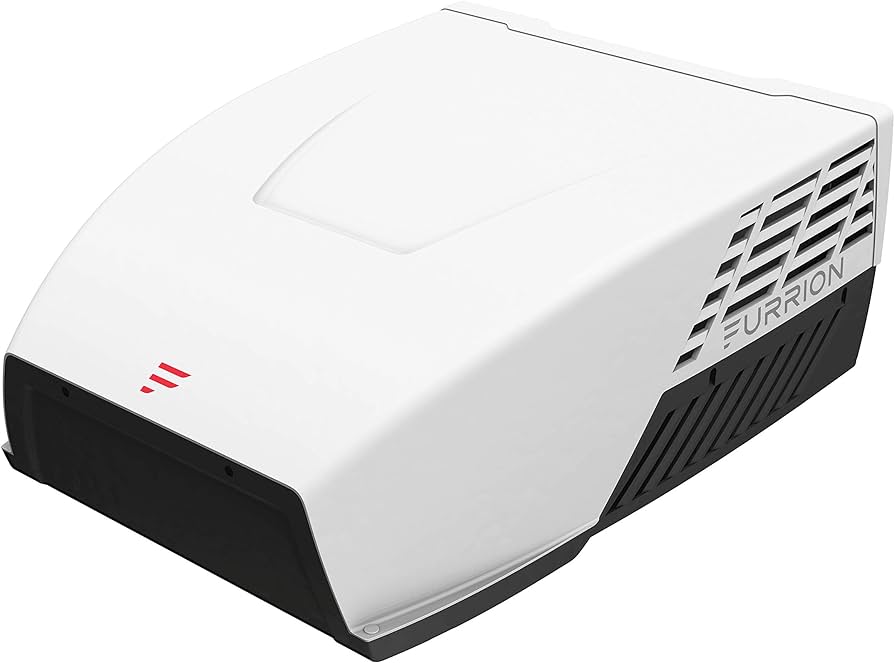
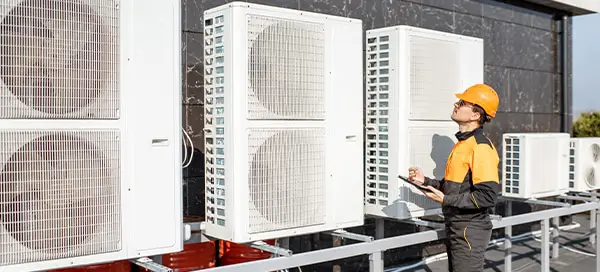
Everything You Need to Know About Commercial HVAC Systems
Commercial HVAC systems are essential for businesses. They keep the environment comfortable. This helps employees and customers feel good. Let's dive into what commercial HVAC systems are. We'll also look at their types, benefits, and maintenance.
What is a Commercial HVAC System?
HVAC stands for Heating, Ventilation, and Air Conditioning. A commercial HVAC system does all these things. It heats, cools, and ventilates large buildings. These buildings include offices, schools, and shopping malls.
Parts Of A Commercial Hvac System
Heating: This part warms up the building in winter.
Ventilation: This part brings in fresh air and removes stale air.
Air Conditioning: This part cools down the building in summer.
Each part works together. This ensures a comfortable environment all year round.
In practice, proper load calculations (Manual N or equivalent) are essential before selecting equipment; an oversized system short‑cycles, wasting energy and reducing dehumidification performance.
Types of Commercial HVAC Systems
There are different types of commercial HVAC systems. Let's look at the most common ones.
Single Split System
This is the most affordable type. It is best for small businesses. Each unit has its own heating and cooling. This means you can control each room separately. However, it needs more space for each unit.
A common mistake is installing a single‑split where a multi‑split would save roof space and reduce refrigerant charge; the latter also simplifies maintenance because there is only one outdoor unit to service.
Multi-split System
This type is similar to the single split system. But one outdoor unit can connect to multiple indoor units. It saves space and is more efficient. It's great for larger buildings.
In larger facilities, a multi‑split can be paired with a building‑automation system to stage compressors based on zone demand, further cutting peak‑load electricity charges.
Vrf Or Vrv System
VRF stands for Variable Refrigerant Flow. VRV stands for Variable Refrigerant Volume. These systems are very efficient. They can heat and cool different parts of the building at the same time. They are perfect for big buildings with many rooms.
Design tip: specify a heat‑recovery VRF when simultaneous heating and cooling loads exist (e.g., perimeter offices vs. interior server rooms) to capture waste heat and boost overall COP.
Heat Pump System
Heat pumps can both heat and cool a building. They are very energy-efficient. They are good for places with moderate climates.
Note for 2026: modern cold‑climate heat pumps maintain rated capacity down to ‑15 °F (‑26 °C), making them viable in many northern markets without supplemental resistance heat.
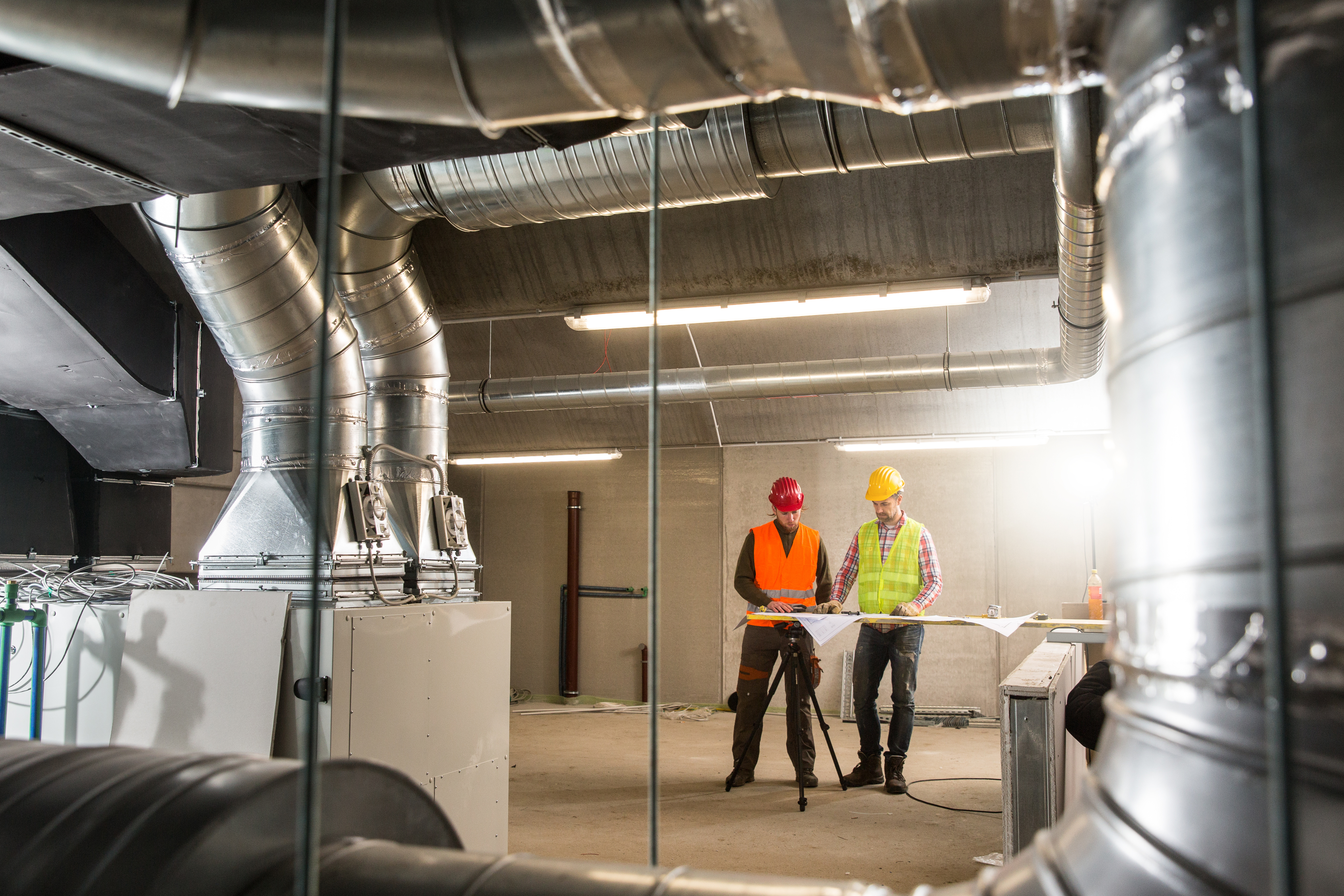
Rooftop packaged unit typical for mid‑size offices
Credit: www.unitedmech.com
https://www.youtube.com/watch?v=Xu4gtqZRiyY

Indoor cassette unit of a multi‑split system
Credit: modernairemporia.com
Quick Comparison of System Types
| System Type | Typical Building Size | Space Required | Simultaneous Heat/Cool | Typical SEER/COP* |
|---|---|---|---|---|
| Single Split | < 5,000 sq ft | One outdoor per zone | No | 14‑16 SEER |
| Multi‑split | 5,000‑50,000 sq ft | One outdoor, many indoor | No | 16‑18 SEER |
| VRF/VRV | > 20,000 sq ft | One outdoor, many indoor | Yes (heat‑recovery) | 18‑22 SEER / 3.5‑4.5 COP |
| Heat Pump | Any (moderate climate) | One outdoor per zone | Yes (reversing) | 16‑20 SEER / 3.5‑4.0 COP |
*SEER/COP values are typical ranges for 2026‑era equipment; actual ratings vary by model.
Benefits of Commercial HVAC Systems
Commercial HVAC systems offer many benefits. Here are some of the main ones:
Comfort
These systems keep the temperature just right. This makes everyone in the building feel comfortable. Whether it's hot or cold outside, the inside stays pleasant.
Better Air Quality
Good ventilation is key. It brings in fresh air and removes stale air. This helps to reduce allergens and pollutants. It keeps the air clean and healthy.
Energy Efficiency
Modern HVAC systems are very efficient. They use less energy to do the same job. This can save a lot of money on energy bills.
For deeper savings, integrate demand‑controlled ventilation (DCV) and variable‑speed drives; the EPA’s ENERGY STAR program estimates 10‑30 % reduction in fan energy when DCV is applied to high‑occupancy zones. ENERGY STAR guidance on ventilation
Long Lifespan
With proper maintenance, these systems can last a long time. This makes them a good investment for any business.
Maintaining Your Commercial HVAC System
Regular maintenance is crucial. It keeps the system running smoothly. Here are some tips for maintaining your commercial HVAC system:
Regular Inspections
Have a professional inspect the system regularly. They can spot problems early. This prevents bigger issues down the line.
Change Filters
Filters should be changed regularly. Dirty filters can reduce air quality. They also make the system work harder, which uses more energy.
Clean The Coils
Both the indoor and outdoor coils need to be clean. Dirty coils can reduce efficiency. This can lead to higher energy bills.
Check The Thermostat
Make sure the thermostat is working properly. A faulty thermostat can make the system work too hard. This wastes energy and money.
Inspect Ductwork
Check the ductwork for leaks or damage. Leaky ducts can reduce efficiency. They can also bring in dust and pollutants.
Predictive maintenance using IoT‑enabled pressure and temperature sensors can flag coil fouling or refrigerant charge drift before they affect comfort, reducing unplanned downtime by up to 40 % in field studies. For a practical checklist, see our seasonal air conditioning maintenance tips.
Choosing the Right Commercial HVAC System
Choosing the right system is important. Here are some factors to consider:
Size of the Building: Bigger buildings need bigger systems.
Climate: Choose a system that suits your local climate.
Budget: Consider both upfront costs and long-term savings.
Energy Efficiency: Look for systems with high efficiency ratings.
Future Needs: Think about possible future expansions.
Lifecycle Cost Analysis
Beyond the purchase price, evaluate total cost of ownership (TCO) over 15‑20 years: energy consumption, maintenance labor, refrigerant replacement, and potential utility demand‑charge penalties. A simple spreadsheet with annual kWh × local rate + estimated service intervals gives a clearer picture than first‑cost alone.
Selecting a Qualified Contractor
Verify licensing, NATE certification, and experience with the specific system type (e.g., VRF commissioning). Ask for references on projects of similar square footage and load profile. A well‑qualified installer reduces start‑up issues and preserves manufacturer warranties. For installation guidance, review our central AC installation guide and split AC installation guide.
Frequently Asked Questions
What Is Commercial Hvac?
Commercial HVAC systems provide heating, ventilation, and air conditioning for large buildings like offices and factories.
How Does Commercial Hvac Work?
These systems regulate temperature, airflow, and humidity to maintain indoor comfort.
Why Is Commercial Hvac Maintenance Important?
Regular maintenance ensures efficiency, prevents breakdowns, and extends the system's lifespan.
What Are The Types Of Commercial Hvac Systems?
Common types include rooftop units, split systems, and packaged systems.
Conclusion
Commercial HVAC systems are vital for any business. They provide comfort and improve air quality. They are also energy-efficient and can save money. Regular maintenance is key to keeping them running smoothly. Choose the right system for your needs. This will ensure a comfortable and healthy environment for everyone.
We hope this guide has been helpful. Now you know more about commercial HVAC systems. Make sure to consult a professional for the best advice. Keep your system well-maintained and enjoy a comfortable workplace all year round.
Ready to cut energy costs? Contact a certified HVAC contractor for a free energy audit.