Commercial HVAC Systems: Ultimate Efficiency Guide
Commercial HVAC Systems: A Complete Guide
Commercial HVAC systems are essential for businesses. They keep buildings comfortable and safe. Let's dive into what they are and why they matter.
What is a Commercial HVAC System?
HVAC stands for Heating, Ventilation, and Air Conditioning. A commercial HVAC system controls the temperature and air quality in large buildings. These systems are more complex than home HVAC systems.
Importance of Commercial HVAC Systems
Commercial HVAC systems are crucial for several reasons:
They ensure a comfortable environment for employees and customers.
They improve air quality, reducing health risks.
They help maintain the integrity of the building and its contents.
Types of Commercial HVAC Systems
There are different types of commercial HVAC systems. Let's explore the main ones:
1. Single Split System
A single split system is common in small buildings. It uses separate units for heating and cooling. This system is cost-effective and easy to install.
In practice, a single‑split layout works well for retail spaces under 5,000 sq ft where individual zone control isn’t critical. The refrigerant piping is short, keeping installation labor low and refrigerant charge minimal.
2. Multi-split System
A multi-split system connects multiple indoor units to one outdoor unit. This system saves space and is more efficient. It is ideal for medium-sized buildings.
Because each indoor unit can be individually controlled, multi‑split setups reduce over‑cooling in unoccupied zones. A common mistake is undersizing the outdoor unit; verify the combined cooling load before specifying.
3. Vrf Or Vrv System
VRF stands for Variable Refrigerant Flow. VRV stands for Variable Refrigerant Volume. Both terms refer to the same system. It adjusts the refrigerant flow based on the building's needs. This system is energy-efficient and suitable for large buildings.
VRF’s inverter‑driven compressors modulate capacity in real time, delivering up to 30 % lower annual energy use versus constant‑volume systems. Design tip: group zones with similar load profiles on the same refrigerant circuit to simplify balancing.
4. Chilled Water System
A chilled water system uses water to cool the building. It is suitable for very large buildings. This system is efficient but requires more maintenance.
Central plants with multiple chillers provide redundancy; staging chillers based on load avoids low‑part‑load penalties. Water‑side economizers can cut chiller runtime dramatically in mild climates.
Components of Commercial HVAC Systems
Commercial HVAC systems have several key components. Let's look at each one:
1. Thermostat
The thermostat controls the temperature. It tells the HVAC system when to heat or cool the building.
2. Furnace
The furnace heats the air. It uses fuel like gas or electricity. The warm air is then distributed through the building.
3. Heat Exchanger
The heat exchanger is part of the furnace. It transfers heat from the fuel to the air. This process warms the air before it is circulated.
4. Evaporator Coil
The evaporator coil cools the air. It works with the air conditioner. The cool air is then distributed through the building.
5. Condenser Coil
The condenser coil releases heat outside. It works with the air conditioner. This process helps to cool the refrigerant.
6. Ductwork
The ductwork carries the heated or cooled air throughout the building. Proper ductwork is essential for efficient air distribution.
7. Vents
Vents allow the heated or cooled air to enter rooms. They also allow air to return to the HVAC system.
https://www.youtube.com/watch?v=ScVBPAitibQ

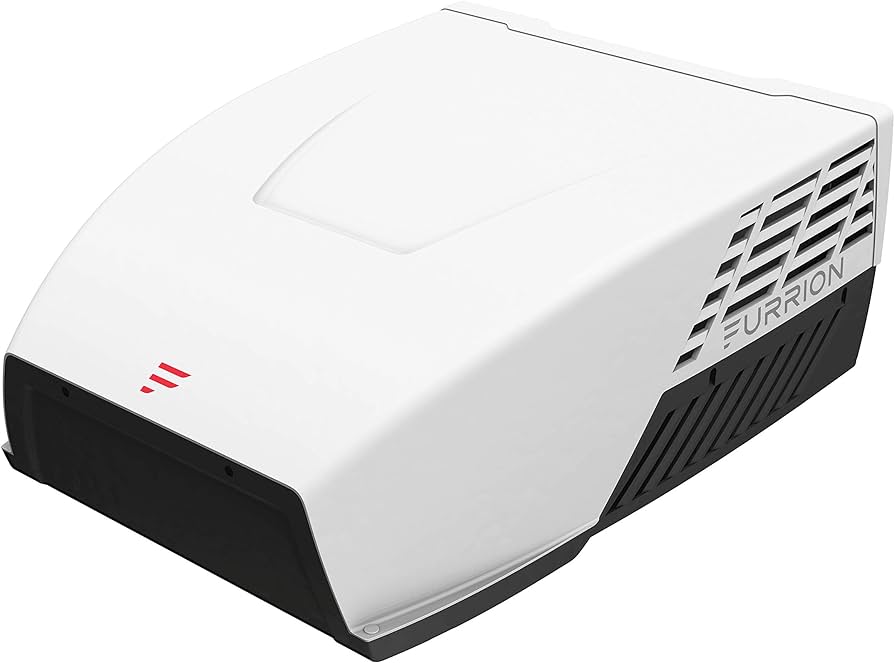
Rooftop packaged unit typical for mid‑size offices
Credit: www.coynecollege.edu
Benefits of Commercial HVAC Systems
Commercial HVAC systems offer many benefits:
They improve comfort for everyone in the building.
They enhance air quality by filtering pollutants.
They help maintain the building's structure.
They can reduce energy costs with efficient systems.
They are essential for certain industries that need strict temperature control.
Maintaining Commercial HVAC Systems
Regular maintenance is crucial for commercial HVAC systems. Here are some tips:
Change the air filters regularly.
Inspect the ductwork for leaks and clean it.
Check the thermostat settings and functionality.
Schedule regular professional inspections and maintenance.
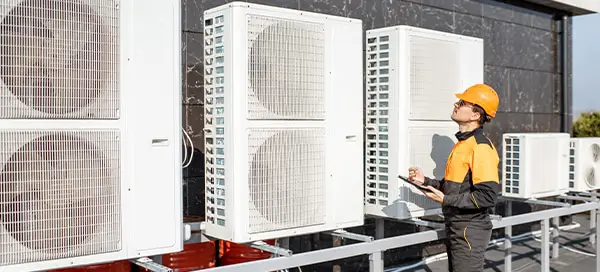
Keep the outdoor unit free from debris.
Beyond the checklist, log every service visit in a CMMS; trend data reveals coil fouling or refrigerant drift before they cause downtime.
Choosing the Right Commercial HVAC System
Choosing the right HVAC system is important. Here are some factors to consider:
The size of the building.
The building's layout and design.
The specific heating and cooling needs.
The budget for installation and maintenance.
Run a whole‑building energy model (e.g., DOE‑2 or EnergyPlus) early in design; it quantifies the payback of high‑efficiency options and informs utility incentive eligibility.

Schematic of a VRF system layout
Credit: www.supertechhvac.com
Energy Efficiency Strategies
Implementing high‑efficiency equipment is only the start. Pair VRF or chilled‑water plants with demand‑controlled ventilation, variable‑speed pumps, and heat‑recovery ventilators to shave 15‑25 % off annual electricity use. The ENERGY STAR guidelines provide benchmark targets for office, retail, and healthcare occupancies.
Retrofitting Existing Buildings
When full replacement isn’t feasible, consider adding a dedicated outdoor air system (DOAS) with energy recovery, upgrading controls to a BACnet‑compatible platform, and sealing/insulating ductwork. These measures often achieve a 10‑year payback while extending the life of the existing plant.
Regulatory Compliance & Codes
Designs must meet ASHRAE 90.1‑2022 (or the latest adopted edition) for minimum equipment efficiency, ventilation rates per ASHRAE 62.1, and refrigerant GWP limits under the EPA’s SNAP program. Early coordination with the authority having jurisdiction avoids costly change orders.
Cost Considerations & ROI
First‑cost premiums for VRF or high‑efficiency chillers are typically offset within 5‑7 years through lower utility bills, reduced maintenance, and available utility rebates. Perform a lifecycle cost analysis (LCCA) that includes replacement schedules for compressors, pumps, and controls.
Smart Controls & Building Automation
Integrating HVAC with a building automation system (BAS) enables predictive maintenance, occupancy‑based setbacks, and participation in demand‑response programs. Open protocols such as BACnet/IP or MQTT simplify future upgrades and data analytics.
Ready to cut operating costs? Contact a certified commercial HVAC contractor for a free energy audit.
Frequently Asked Questions
What Is A Commercial Hvac System?
A commercial HVAC system is used to heat, cool, and ventilate large buildings like offices and malls.
How Does A Commercial Hvac Work?
It controls the building's temperature and air quality using heating, cooling, and ventilation systems.
Why Is Commercial Hvac Maintenance Important?
Regular maintenance ensures efficiency, reduces energy costs, and prolongs the system's lifespan.
What Are The Types Of Commercial Hvac?
Types include split systems, rooftop units, VRF systems, and packaged systems.
Conclusion
Commercial HVAC systems are vital for any large building. They ensure comfort, improve air quality, and help save energy. By understanding their types, components, and benefits, you can make an informed decision. Regular maintenance will keep your system running efficiently. Choose the right system for your needs and enjoy a comfortable environment.