The Complete Guide to Civic AC Compressor Replacement | Austin, Texas
If you are a Honda Civic owner in Austin, Texas, and facing issues with your AC compressor, you may be wondering about the cost of replacing it. In this guide, we will provide you with all the necessary information about Civic AC compressor replacement.
Why Replace a Civic AC Compressor?
There are several signs that indicate a failing AC compressor in your Honda Civic:
You hear a ticking or chattering noise
You hear a rattling or rumbling noise
There is less air flow
Warmer air is flowing out
The refrigerant is leaking
The circuit breaker keeps tripping
The unit vibrates when it starts up
If you experience any of these symptoms, it is important to get your AC compressor inspected and replaced if necessary.
https://www.youtube.com/watch?v=L1HkSfyHsJs
In practice, a sudden loss of cooling combined with a clicking sound often points to a clutch‑plate failure rather than a full compressor lock‑up — checking the clutch relay first can save a needless replacement.
Learn how to diagnose warm‑air issues before ordering parts
Cost of Honda Civic AC Compressor Replacement
The cost of replacing a Honda Civic AC compressor can vary depending on various factors, including the brand and where you purchase it. Here are some estimated prices found online:
Retailer Price
Walmart $123.07
eBay $350.00
Amazon.com – Seller $116.99
Keep in mind that these prices are subject to change, so it is always best to research and compare prices from different sources.
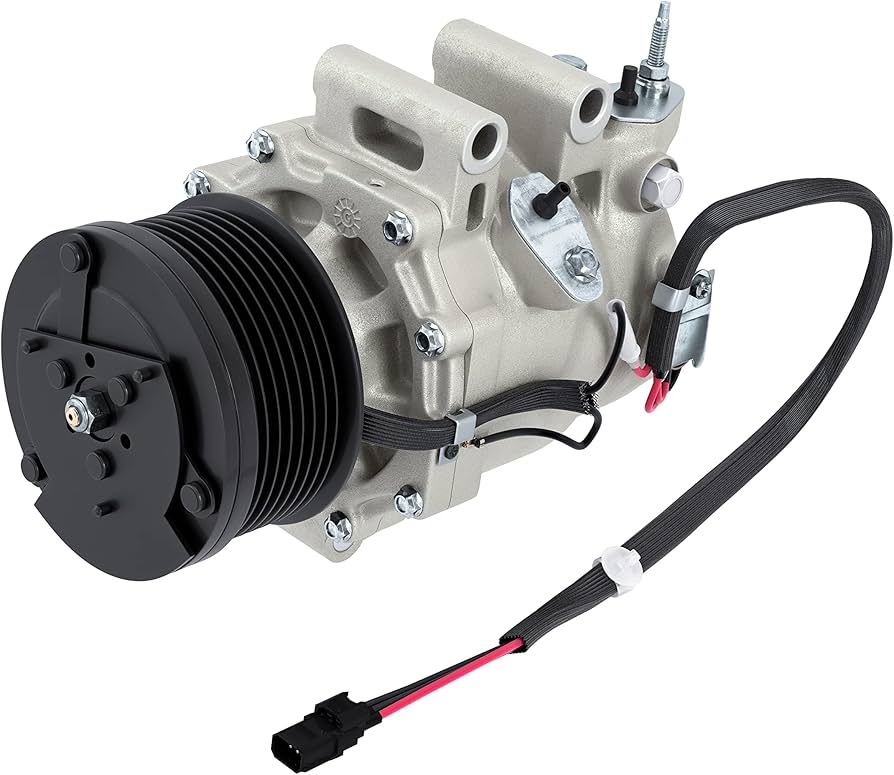
Credit: www.amazon.com
Factors Influencing the Final Cost (2026 update)
- Compressor type – OEM units cost more than remanufactured or aftermarket models but usually carry a longer warranty.
- Labor rates – In Austin, shop labor averages $110–$140 / hour; a typical install takes 2–3 hours.
- Refrigerant recharge – R‑134a or newer R‑1234yf adds $30–$80 depending on the system.
- Ancillary parts – Receiver‑drier, expansion valve, and O‑rings are often replaced together; budget $40–$120 extra.
- Warranty coverage – Some retailers include a 1‑year parts warranty; professional shops may add a labor guarantee.
These ranges reflect 2026 market conditions; always verify current pricing before committing.
See seasonal maintenance tips that can reduce unexpected repair bills
Where to Buy Honda Civic AC Compressor
If you are looking to purchase a replacement AC compressor for your Honda Civic, here are some popular online retailers:
AutoZone: AutoZone offers a variety of AC compressors for Honda Civics and other vehicle makes and models. They provide a 90-day return policy.
Amazon.com: Amazon offers a range of AC compressors for Honda Civic, with a 30-day return policy.
Walmart: Walmart also provides AC compressors for Honda Civic, with free 90-day returns.
Before making a purchase, always read customer reviews, check for warranty information, and ensure the compatibility of the AC compressor with your Honda Civic model.
Ready to order? Compare prices, warranty length, and return windows side‑by‑side before you buy.
Quick Comparison Table (2026)
| Retailer | Typical Price Range | Warranty | Return Window | Notes |
|---|---|---|---|---|
| AutoZone | $130–$210 | 1 yr limited | 90 days | In‑store pickup available |
| Amazon | $115–$190 | Varies by seller | 30 days | Check seller rating |
| Walmart | $120–$200 | 1 yr limited | 90 days | Free shipping on $35+ |
| RockAuto | $100–$180 | 1 yr limited | 30 days | Large OEM selection |
| eBay Motors | $110–$250 | Seller‑dependent | 30 days | Verify authenticity |
Table reflects typical 2026 listings; actual prices may differ.
Replacing the AC Compressor: DIY or Professional?
If you have knowledge and experience with car repairs, you may consider replacing the AC compressor yourself. However, it is recommended to seek the assistance of a professional mechanic to ensure proper installation and avoid any potential complications.
Professional mechanics have the necessary tools and expertise to diagnose the issue accurately and replace the AC compressor efficiently. They can also provide warranty coverage for the replacement part and offer additional services if required.
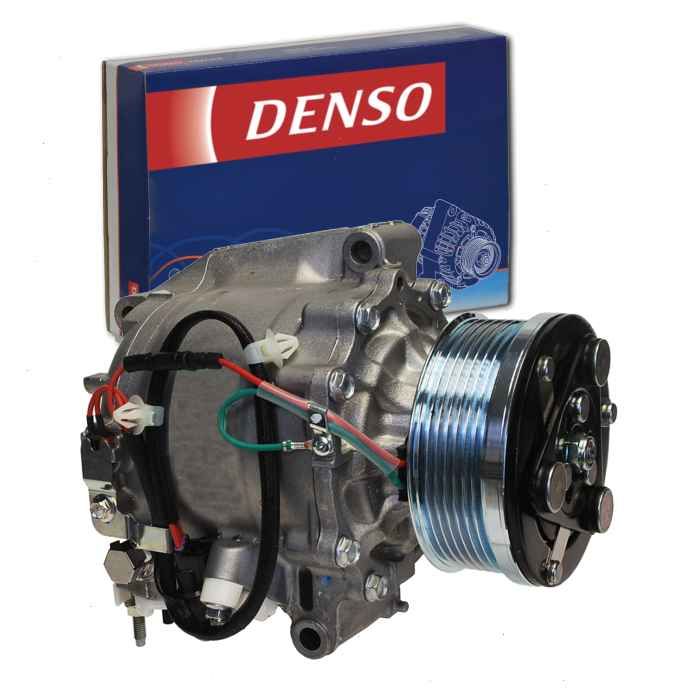
Credit: www.sixityauto.com
DIY Step‑by‑Step Overview (for experienced hobbyists)
- Recover refrigerant – Use a certified recovery machine; venting is illegal under EPA Section 608.
- Disconnect battery – Prevent accidental clutch engagement.
- Remove serpentine belt – Release tensioner and slip belt off compressor pulley.
- Unbolt compressor – Typically 3–4 mounting bolts; support the unit while removing.
- Swap O‑rings & receiver‑drier – New seals avoid future leaks.
- Install new compressor – Torque bolts to spec (≈ 25 Nm).
- Re‑install belt & tensioner – Verify proper alignment.
- Evacuate & recharge – Pull vacuum ≥ 30 min, then charge to manufacturer‑specified weight.
- Test operation – Check pressures, temperature drop, and clutch cycling.
If any step feels uncertain, stop and call a certified technician.
Review condenser troubleshooting steps that often accompany compressor work
Professional Installation Checklist
- Verify shop uses EPA‑certified refrigerant handling equipment.
- Confirm they replace the receiver‑drier/accumulator and all O‑rings.
- Ask for a written parts‑and‑labor warranty (minimum 12 months).
- Request a post‑install pressure‑test report.
- Ensure they perform a leak‑check with electronic detector or UV dye.
Need a trusted mechanic? Find a certified HVAC specialist near you who guarantees workmanship.
Understand the difference between HVAC and standard automotive AC systems
Maintenance Tips to Extend Compressor Life (2026)
- Run the AC weekly – Even in winter, a 10‑minute cycle keeps seals lubricated.
- Keep condenser clean – Remove debris; a clogged condenser raises head pressure and stresses the compressor.
- Monitor refrigerant level – Low charge forces the compressor to run longer, increasing wear.
- Replace cabin air filter annually – Restricted airflow can cause evaporator freeze‑up and compressor cycling.
- Schedule a professional pressure check – Every 24 months or per manufacturer service interval.
Consistent upkeep reduces the chance of a sudden compressor failure and protects your investment.
Stay current with the latest air‑conditioning innovations that improve efficiency
Frequently Asked Questions Of Civic Ac Compressor: Maximize Efficiency And Performance With The Best Replacement
How Much Does It Cost To Replace A Honda Civic Ac Compressor?
The cost to replace a Honda Civic AC compressor ranges from $100 to $1000. Prices vary based on brand, warranty, and labor fees.
How Do I Know If My Ac Compressor Is Bad On My Honda Civic?
You can tell if the AC compressor on your Honda Civic is bad if it makes unusual noises like grinding or screeching when turned on.
What Are The Symptoms Of A Failing Ac Compressor?
Symptoms of a failing AC compressor include ticking or chattering noise, reduced airflow, warm air, refrigerant leaks, and vibrating unit startup.
Is Ac Compressor Worth Fixing?
Yes, it is generally worth fixing an AC compressor as it can restore your car's air conditioning.
Can I Use a Remanufactured Compressor Instead of New?
Remanufactured units are a cost‑effective alternative when sourced from a reputable rebuilder; they typically carry a 12‑month warranty and meet OEM specifications.
How Long Does a Compressor Replacement Take?
A professional shop usually completes the job in 2–3 hours; a skilled DIYer may need 4–6 hours including refrigerant recovery and recharge.
What Refrigerant Does My 2020‑2025 Civic Use?
Most 2020‑2025 Civics use R‑1234yf; verify the label under the hood before purchasing refrigerant.
Does the Compressor Warranty Cover Labor?
Parts warranties from retailers cover the component only; labor coverage depends on the installing shop’s policy.
Conclusion
Replacing a Civic AC compressor requires careful consideration and knowledge about the symptoms of a failing compressor, cost estimation, and where to buy a replacement. If you are not confident in your abilities, it is best to consult a professional mechanic who can diagnose the issue accurately and provide the necessary assistance.
For official refrigerant handling guidelines, see the EPA Section 608 technician certification page.